Café Santa Cruz and Coimbra's Historic Cafés
Coimbra, Portugal's university city on the River Mondego, keeps its café culture in stone buildings that have watched centuries of students come and go.
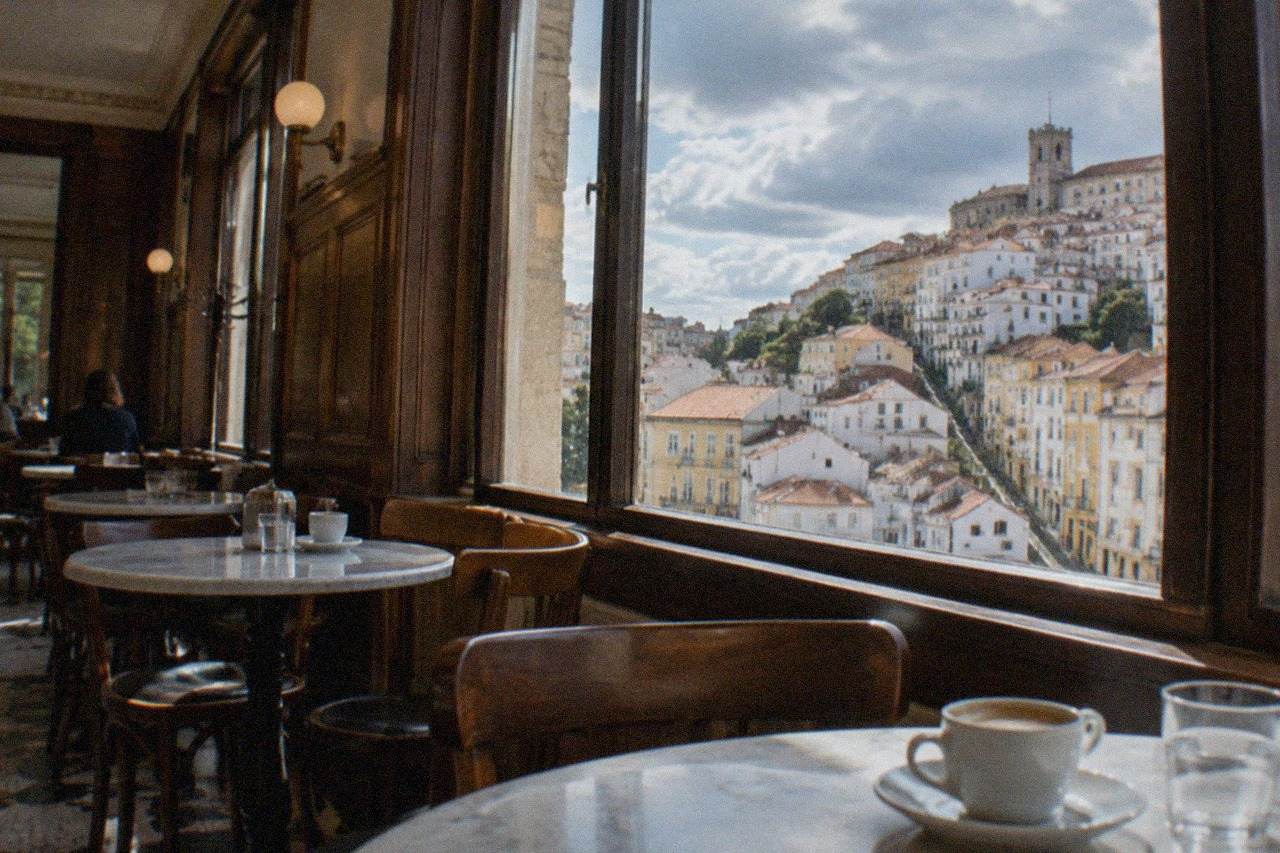
Short answer
Café Santa Cruz sits beside Mosteiro de Santa Cruz in Coimbra, Portugal, in the Praça 8 de Maio, and is the city's most storied café, a former monastic space turned coffee house that anchors a wider café culture of pastelarias, student tasca-cafés and riverside kiosks across the old town.
Coimbra, Portugal, the university city on the River Mondego, is a place where coffee is not a transaction but a long sit. The old town rises from the river in two tiers, the Baixa below and the Alta above, and almost every square in both holds a café that has been pouring for generations. The most famous of them sits in the shadow of the monastery that gives it its name, and this guide walks through Café Santa Cruz first, then the wider café and pastry culture of the city, what to order, and how the student traditions shape where people actually drink.
What Is Café Santa Cruz in Coimbra, Portugal?
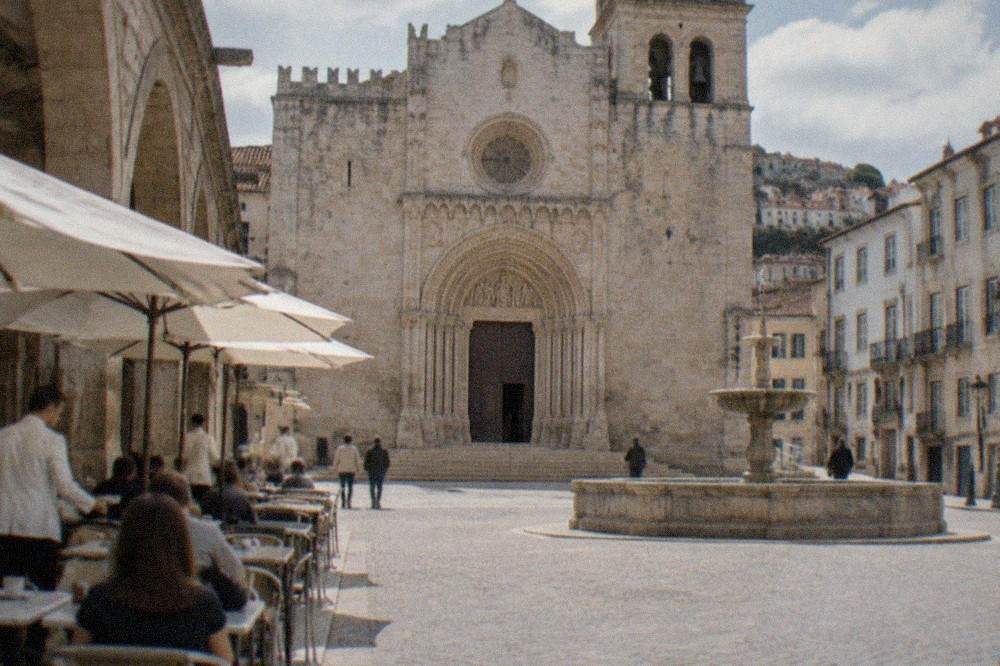
Café Santa Cruz is Coimbra's best-known historic café, occupying a former monastic space attached to Mosteiro de Santa Cruz in the Praça 8 de Maio, at the heart of the city's lower old town in central Portugal. It shares its square with the burial church of Portugal's first two kings, and it functions as the city's living room: students, professors, tourists and locals in the same stone-vaulted room. The monastic past gives the café its architecture, and the monastery next door gives it its crowds.
The monastery itself is the anchor. Mosteiro de Santa Cruz is run by the Unidade Pastoral Aeminium, which publishes an individual ticket at 5.00 EUR for the visitable parts, the sacristy, the cloisters, the chapter room and the royal tombs, with visiting hours of 09:30 to 16:30 and a separate Sunday and religious-holiday schedule. Visits are suspended on Easter Sunday and on the Cortejo da Queima das Fitas, the moveable May Sunday when the student parade closes the monument for the day. Anyone planning a café-and-monastery morning should read the full Santa Cruz monastery guide before setting out, because the two share a wall and a schedule more closely than most visitors expect.
What the café offers that the monastery does not is time. A church visit is a circuit; a café is a seat. The practical rhythm that works is the monastery first, while legs are fresh, then the café afterwards, when the stone floors have been earned. The café's position also makes it a natural first or last stop on any walk through the Baixa, which this site covers separately in the Baixa downtown area guide.
A guided walk is the most efficient way to put the café in context, because a guide explains what the square was before it was a square. The budget option among the city's paid walks is the Coimbra Top Attractions Walking Tour, a two-and-a-half-hour tour rated 5 from 151 reviews, from 5.85 USD per person, and it covers the monastery quarter among the city's headline sights. Check availability if that pace suits.
Why Does Coimbra, Portugal, Have So Many Historic Cafés?
Coimbra's café density comes from its university, which publishes a current figure of about 31,000 students, and from a tradition of academic life that has always centred on the lower town's squares and arcades. Students without kitchens need rooms that feed them, and the café-pastelaria filled that role for centuries. The city's position mid-way between Lisbon and Porto also made it a natural coaching and rail stop, adding traveller traffic to student traffic. The café here is infrastructure, not leisure.
The student population is the engine. The University of Coimbra's own homepage states a figure of 31,256 students, alongside 434 courses and 1,935 professors, and that population has to eat somewhere every day. The Repúblicas, the student shared houses that are a distinct Coimbra institution, have their own kitchens and their own culture, and this site covers them in the Repúblicas student houses guide, but the café is where academic Coimbra meets everyone else.
The traveller traffic is the second layer. Anyone arriving by train should read the train stations A and B guide first, because the city has two stations with confusingly similar names in different places, and CP is where to check which trains call where. Once off the train, the historic cafés of the Baixa are the first indoors a visitor finds.
| Layer of café culture | Who it serves | Where it sits | What it looks like |
|---|---|---|---|
| The grand historic café | Visitors, professors, occasion-goers | Praça 8 de Maio and the main squares | Stone vaults, marble tables, waiters in whites |
| The neighbourhood pastelaria | Locals, families | Baixa side streets and the Alta lanes | Counter service, trays of pastry, standing coffee |
| The student café-tasca | Students, late crowd | Around the university hill and Rua da Sofia | Worn tables, cheap coffee, hours that stretch |
| The riverside kiosk | Walkers, families | The Mondego banks and green park | Outdoor seats, ice cream in summer, coffee year-round |
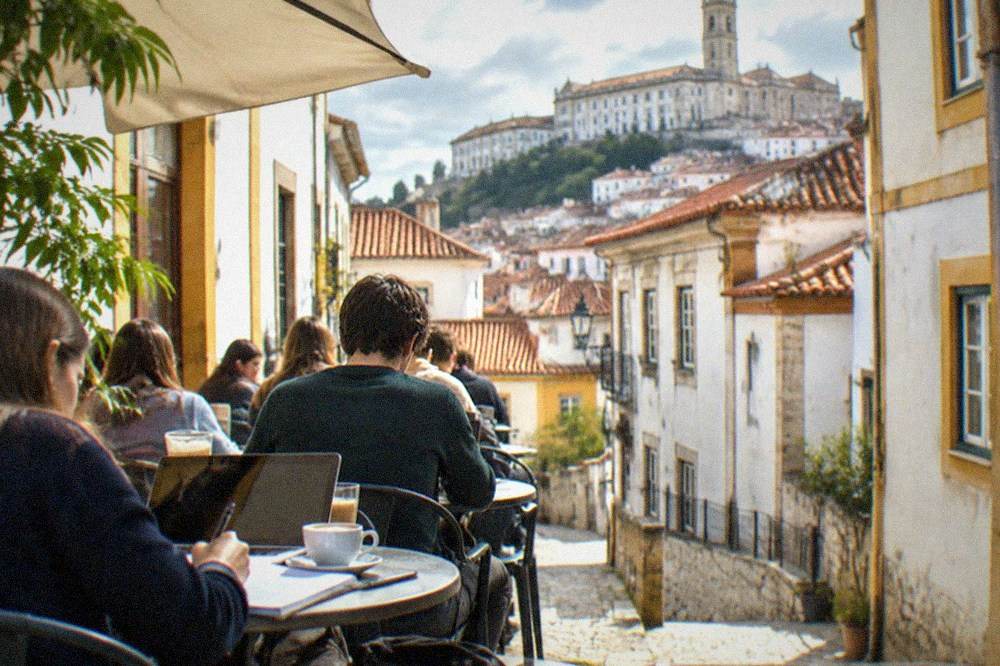
No café, bakery or pastelaria in Coimbra had its prices, opening hours or address verified for this site, so this guide deliberately does not print an opening time or a menu price for any named business. What can be said with confidence is structural: the grand cafés cluster in the monumental squares, the pastelarias hide in the lanes, and the student rooms hug the hill. Choosing between them is about what kind of sit you want, not about a verified price list.
What Should You Order in a Coimbra Café?
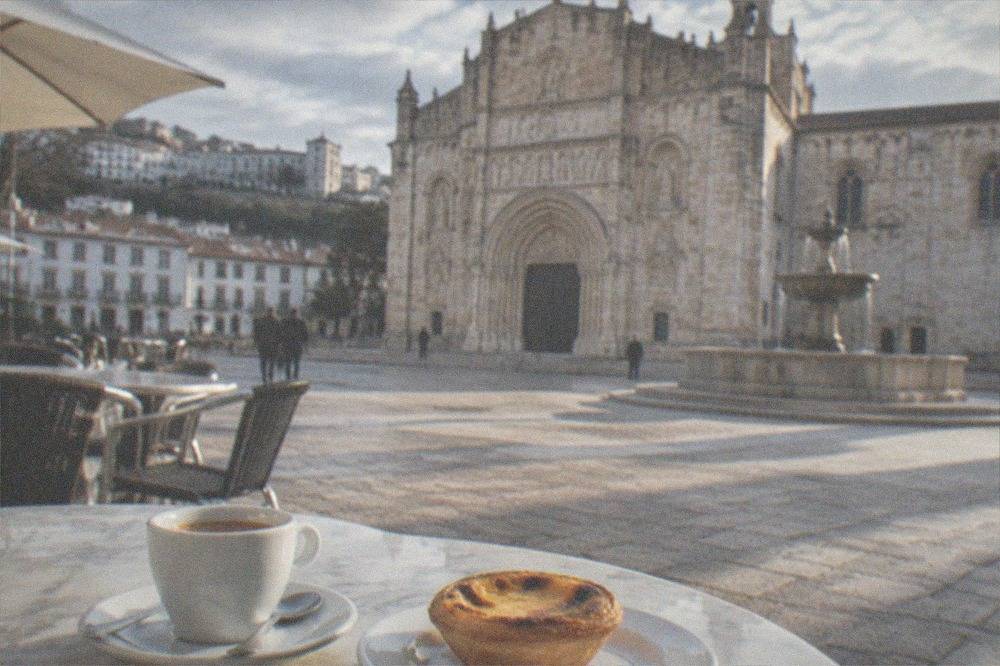
Order a um café, the short strong espresso that is the default coffee of Portugal, or a meia de leite, the half-coffee half-milk cup that is the breakfast standard, and pair either with the city's pastry traditions: arrufadas, the sweet Coimbra buns, and the egg-yolk convent sweets of the monastic kitchens. A galão, coffee topped up with a glass of milk, is the long morning option. In a historic café, the waiter expects you to sit as long as you like.
Portuguese coffee culture is short and strong. The um café arrives in a small cup, is drunk quickly or slowly depending on the day, and costs less than almost anything else a visitor will buy in the city. The meia de leite is the same coffee cut with milk, served in a taller cup, and it is what most tables hold at breakfast. The galão is the tallest and mildest of the three, a glass of mostly milk with a shot in it, and ordering it after noon marks you as a tourist, which is harmless but worth knowing.
The pastry side has its own vocabulary, and Coimbra's traditions are covered in detail in the pastries and arrufadas guide on this site. The arrufada is the local one, a round, slightly sweet bun with a soft crumb, and it is the thing Coimbra tables hold that tables elsewhere do not. The egg-yolk sweets, the ovos moles family, are the monastic inheritance: convent kitchens across Portugal built a dessert tradition out of egg yolks left over from using the whites to starch habits, and the historic cafés of a monastic city like Coimbra inherited the results.
| Order | What it is | When locals drink it | How it arrives |
|---|---|---|---|
| Um café | Single espresso, strong and short | Any time, several times a day | Small cup, saucer, sometimes a water glass |
| Meia de leite | Half coffee, half milk, mild | Breakfast, mid-morning | Tall cup, about twice espresso size |
| Galão | Mostly milk with a shot of coffee | Early morning, rarely after | Tall glass |
| Café com cheirinho | Coffee with a slug of brandy or aguardente | After a long lunch, on cold days | Espresso cup, stronger than it looks |
| Um chá | Tea, usually in a bag with a pot | Less common than coffee | Pot and cup, milk on request |
The one ordering habit that catches visitors out is the counter-versus-table split. In many pastelarias the same coffee costs different amounts depending on whether you stand at the counter or sit at a table with table service, and the difference is the service, not the coffee. In a grand historic café, sitting is the point, so take the table.
Which Squares and Streets Hold Coimbra's Café Culture?
The café geography of Coimbra, Portugal, runs in a line from the river up the hill: the Baixa's monumental squares hold the grand cafés, the shopping streets between them hold the pastelarias, and the lanes around the university hill hold the student rooms. Praça 8 de Maio around Mosteiro de Santa Cruz is the historic core, the stretch toward the river holds the busier rooms, and the Alta holds the ones with the views.
The lower town is where the stone rooms are. The Baixa, the flat downtown between the river and the hill, is the city's commercial and café heart, and its squares have held coffee houses since before the university moved to its current hilltop home. The arcaded shopping streets between the squares are where the older pastelarias sit, and the whole quarter rewards wandering without a plan.
The upper town is where the student cafés are. The Alta upper town guide covers the university hill, where the rooms are smaller, the tables more worn and the clientele more uniform, because the university publishes its figure of about 31,000 students and a large share of them live, study and caffeinate on that hill. The walk between the two tiers is short but steep, and the cafés mark the stages of the climb like contour lines.
| Quarter | Café character | Best for | The catch |
|---|---|---|---|
| Praça 8 de Maio and the Baixa squares | Grand, vaulted, historic | The classic long sit, photos, people-watching | The busiest tables in the city |
| Baixa side streets | Neighbourhood pastelarias | Fast breakfast, standing coffee, pastry | Few seats, no ceremony |
| The Alta, around the university | Student rooms, worn and lively | Cheap coffee, atmosphere, fado posters | Steep climb, tourist-light but cash-light too |
| The Mondego riverside | Kiosks and terraces | Warm evenings, families, ice cream | Seasonal, weather-dependent |
| Santa Clara, across the river | Quieter, local | A slow morning away from crowds | A walk over the bridge to get there |
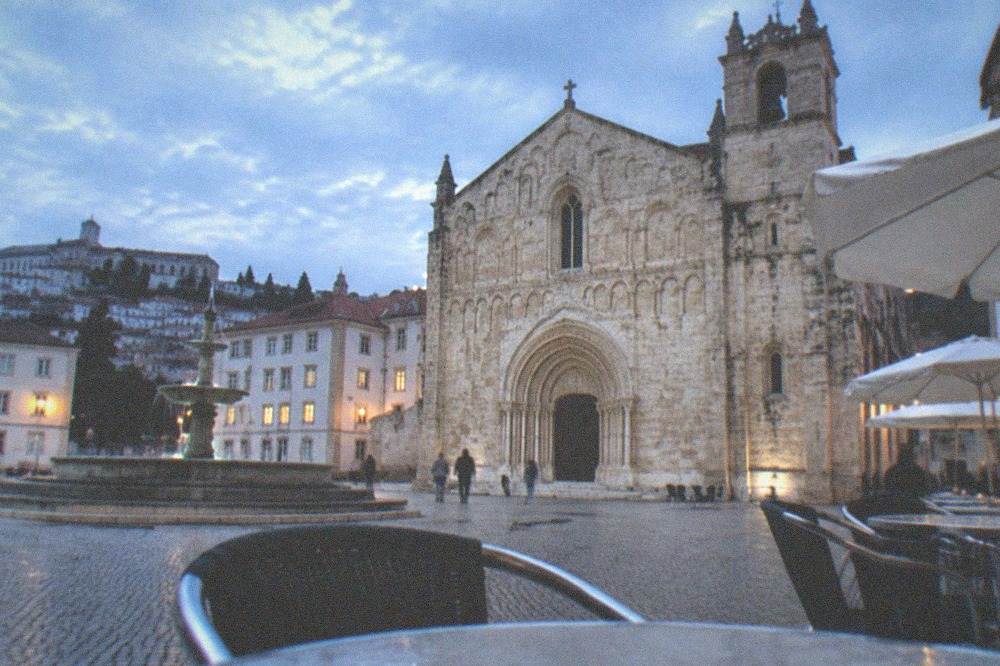
The riverside deserves its own word, because the Mondego banks have changed more than any other part of the city in recent years. The green park along the river now holds kiosks and terraces that the older café culture never had, and the Choupal forest guide covers the wooded stretch upstream that locals use for walking off a long lunch. A coffee by the river in the evening, with the university hill lit above, is the modern Coimbra café experience, and it costs the price of a coffee.
How do Student Traditions Shape Coimbra's Cafés?
Coimbra's café culture is inseparable from its academic traditions, because the students who fill the city's rooms follow rituals the rest of Portugal does not have: the capa e batina, the black capes still worn by Coimbra students, the serenades of fado sung to guitars, and the Queima das Fitas each May, when the city's cafés fill and empty with the festival's rhythm. The cafés near the university are the backstage of all of it.
The capa e batina is the visible half. The black academic cape, worn by students in Coimbra in a tradition the city keeps alive, turns the cafés into theatre: a room of capes over coffee looks like a costume drama and is simply a Tuesday. This site covers the tradition, and the student houses that feed it, in the Repúblicas student houses guide and the student traditions guide.
The invisible half is fado. Coimbra has its own fado, distinct from Lisbon's: sung by men, often by students, often to a single guitar, and historically performed in cafés and student rooms as much as in dedicated houses. The relationship between the café and the fado singer is old, and the fado de Coimbra guide covers where the tradition now lives, including a live fado show with a glass of port wine, from 18 USD per person and rated 4.7 from 1,234 reviews, which is the most accessible introduction a visitor can buy.
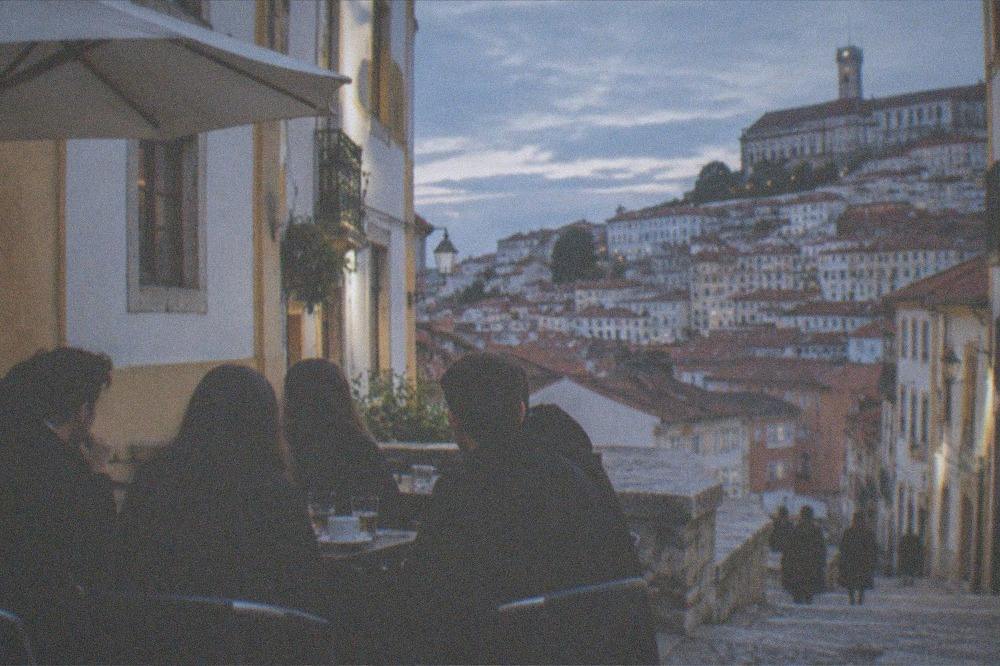
The calendar matters more than the clock. In May, the Queima das Fitas fills the city, and the University closes its visitor circuit on 24 May while Mosteiro de Santa Cruz suspends visits on the Cortejo, the moveable Sunday parade, so a café-and-monastery plan that week needs checking against both closures. The festival's own rhythms are covered in the Queima das Fitas guide, and the month-by-month picture, including why September is hotter than June in Coimbra, sits in the weather guide.
When Is the Best Time of Day for Coimbra's Historic Cafés?
Morning is the classic slot for the grand cafés, when the Baixa squares are quiet and the pastry trays are full, and late afternoon is the student slot, when the hill's rooms fill after lectures end. Midday is the awkward hour: the pastelarias are busy with quick lunches, the grand rooms are half tourist, and the light in the stone vaults is at its flattest. Evening belongs to the riverside kiosks in summer and to the fado rooms year-round.
The morning case is simple. The grand cafés are at their best before the tour groups arrive, and the monastery next door to Café Santa Cruz opens its visits at 09:30, so a café first and the church second puts you at the tombs when the doors open. The afternoon case is better than most visitors expect, because the Portuguese café is not a breakfast-only institution: the after-lunch um café is a national habit, and a long table in a vaulted room at four in the afternoon is entirely legitimate.
The seasonal case matters too. IPMA's 1991 to 2020 normals for the Coimbra / Bencanta station show July at 8.9 mm of rain, effectively dry, and August averaging 10.9 days above 30 C, which pushes café life toward the terraces and the riverside. November is the wettest month at 121.5 mm, marginally ahead of October's 114.5 mm, and those two months are when the stone rooms earn their keep, because a vaulted café in November rain is one of the city's best interiors.
| Time of day | Where the action is | What you get | What to expect |
|---|---|---|---|
| Early morning | Pastelarias, counter service | Fresh pastry, fast coffee | Locals only, standing room |
| Mid-morning | Grand cafés, Baixa squares | The classic long sit, full pastry trays | Tour groups arriving from 10:00 |
| Afternoon | The same grand rooms | After-lunch coffee, quieter tables | The most relaxed service of the day |
| Late afternoon | The Alta's student cafés | Atmosphere, capes, cheap coffee | Loud, lively, hard to find a table |
| Evening | Riverside kiosks, fado rooms | Terraces, music, warm stone | Seasonal on the river, year-round in the fado houses |
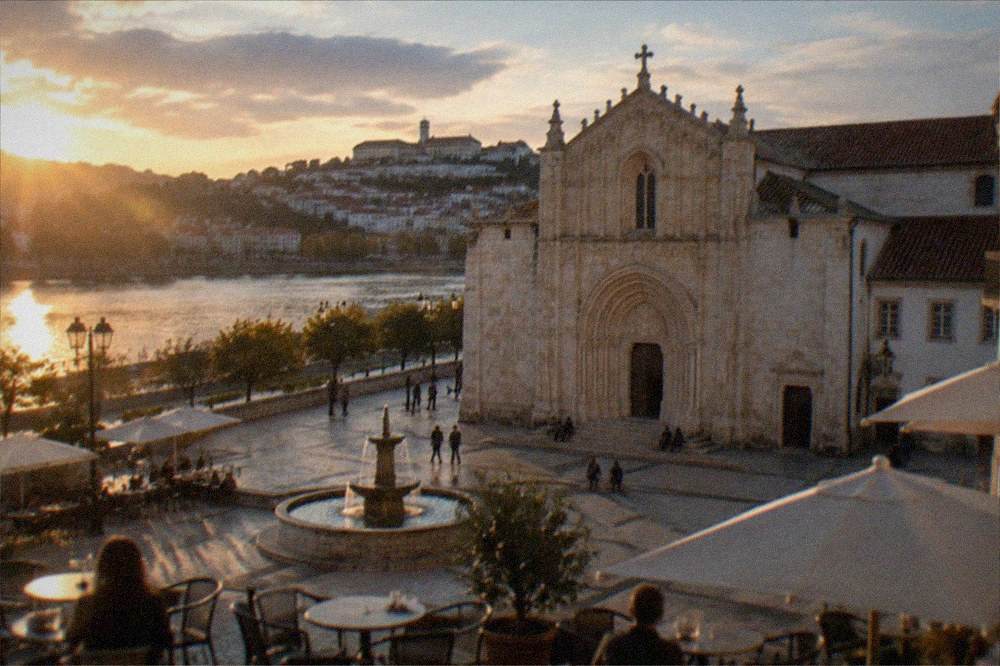
Can You Build a Coimbra Day Around Its Cafés?
Yes, and it is one of the best one-day structures the city offers: start at a grand café in Praça 8 de Maio, visit Mosteiro de Santa Cruz when it opens at 09:30, walk the Baixa's arcade streets with counter stops between, climb to the university hill for a student-café lunch break, and end with a riverside terrace in the evening. The city is compact enough that a café-anchored day still covers the university, the monastery and the river.
The monastery is the fixed point. The individual ticket is 5.00 EUR, visits run 09:30 to 16:30, and the church holds the tombs of Portugal's first two kings, which makes it the one interior in the lower town that competes with the cafés for stone. Pair it with the Sé Velha, the Old Cathedral, run by the same Unidade Pastoral Aeminium at 3.00 EUR individual, and the lower town's monumental morning is complete.
The hill is the second half. The University of Coimbra's own visit pages state a combined ticket at 16.50 EUR including the Biblioteca Joanina, with the library admitting 50 people every 20 minutes and the time printed on the ticket being the library slot specifically, so a café day that includes the Joanina needs the slot booked first and the coffee fitted around it. The Joanina library tickets guide explains the timed-entry rule in full, because it is the one piece of Coimbra planning that genuinely punishes improvisation.
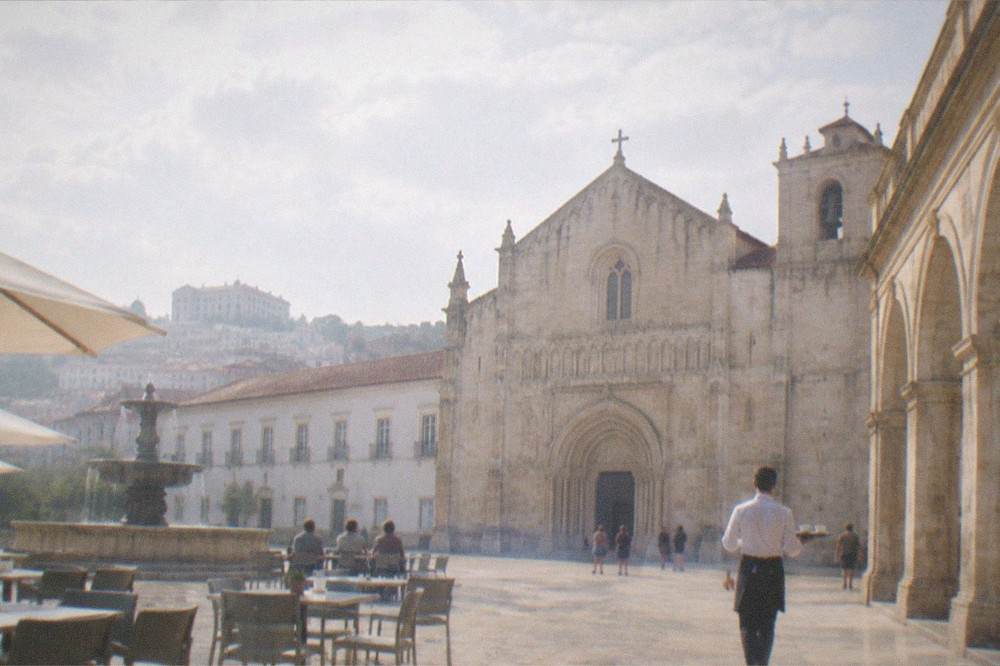
A guide turns the café day into a story. The Coimbra Top Attractions Walking Tour covers the headline sights in two and a half hours, from 5.85 USD per person, rated 5 from 151 reviews, and leaves the afternoon free for sitting. For a slower, private version with a late university visit, the Best of Coimbra Private Walking Tour with University Late Visit runs two to three hours from 81.95 USD, rated 4.8 from 72 reviews, and for a certified local guide with admission included, the Coimbra Guided visit with a certified local guide is three hours from 31 USD, rated 4.6 from 51 reviews.
Common Questions About Coimbra's Historic Cafés
What is Café Santa Cruz in Coimbra, Portugal?
Café Santa Cruz is the city's best-known historic café, occupying a former monastic space beside Mosteiro de Santa Cruz in the Praça 8 de Maio, in the lower old town of Coimbra, Portugal. It shares its square with the burial church of Portugal's first two kings and functions as the city's most iconic coffee room.
Do you need tickets for Mosteiro de Santa Cruz next to Café Santa Cruz?
Yes. The Unidade Pastoral Aeminium, which runs the monument, publishes an individual ticket at 5.00 EUR for the visitable parts, with visiting hours of 09:30 to 16:30 and a separate Sunday and religious-holiday schedule. Visits are suspended on Easter Sunday and on the Cortejo da Queima das Fitas, a moveable Sunday in May.
What coffee should you order in a Coimbra café?
The default is a um café, a short strong espresso. A meia de leite, half coffee and half milk, is the breakfast standard, and a galão, mostly milk with a shot of coffee, is the long morning drink. Pair any of them with an arrufada, the sweet Coimbra bun, or the egg-yolk convent sweets the monastic tradition produced.
Are Coimbra's historic cafés expensive?
Portuguese coffee is cheap by any European standard, and a café in a vaulted historic room costs little more than one in a side street. This site has not verified prices for any individual café in Coimbra, but the structural point holds everywhere in Portugal: the same um café is among the least expensive things you will buy all day, and sitting at a table for hours is culturally normal.
When is the best time to visit Coimbra's cafés?
Mid-morning for the grand rooms, when the pastry trays are full and before the tour groups arrive, and late afternoon for the student cafés on the university hill. IPMA's 1991 to 2020 normals for the Coimbra / Bencanta station show July effectively dry at 8.9 mm of rain and November the wettest month at 121.5 mm, so summer pushes café life to the terraces and autumn makes the stone rooms the point.
Can you combine Café Santa Cruz with the University of Coimbra in one day?
Yes. The monastery opens at 09:30 and the university hill is a steep but short walk from the square. If the Biblioteca Joanina is on the plan, book the timed slot first: the University's own pages state the library admits 50 people every 20 minutes, only inside the 16.50 EUR combined ticket, and the time printed on the ticket is the library slot specifically.
The historic cafés of Coimbra, Portugal, are not a museum piece; they are the rooms where about 31,000 students, the municipality's 698,151 overnight stays from 2025, and a long local tradition all drink the same short coffee. This Coimbra Travel Guide covers the monastery, the university hill and the river in separate pages, but the honest advice is to start in the vaulted room beside the monastery, work up the hill, and finish by the river.