Coimbra Student Traditions and the Capa e Batina
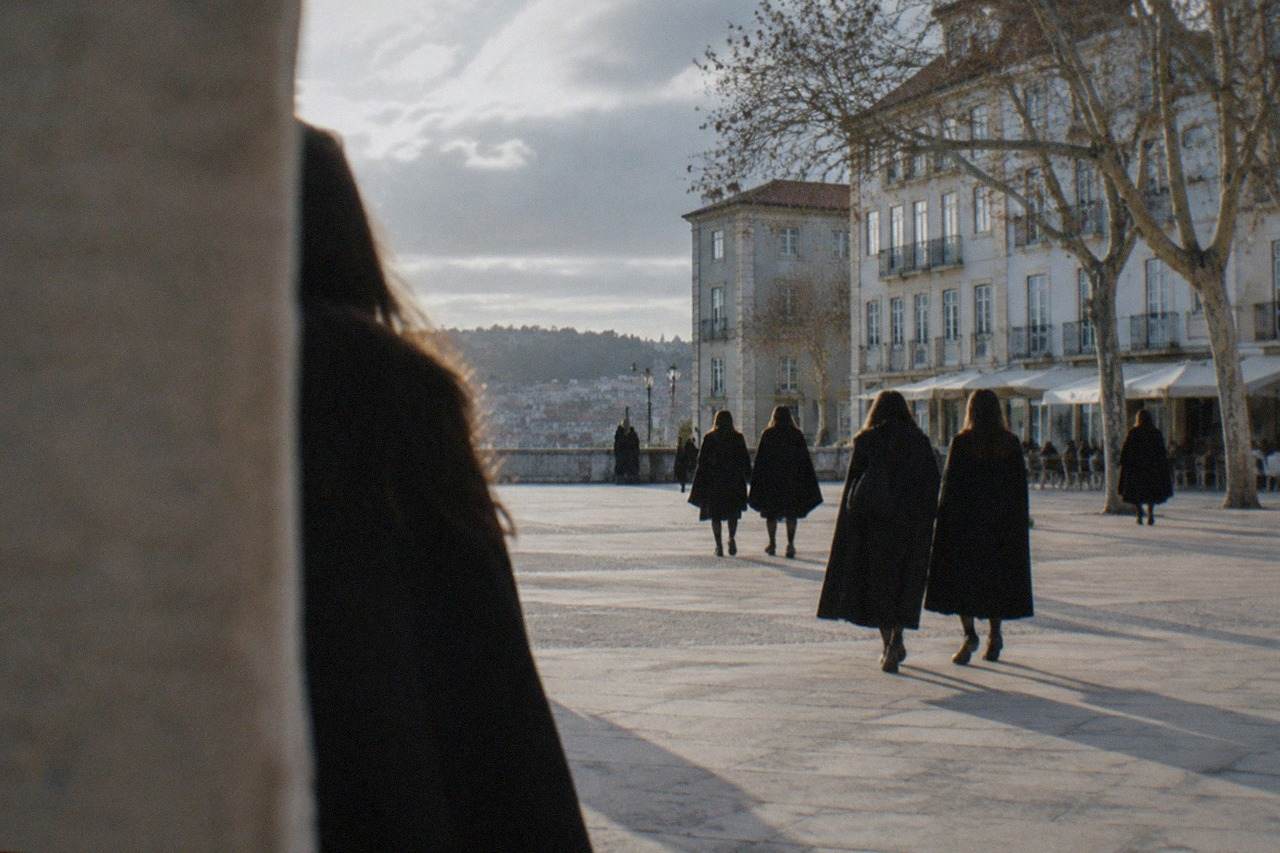
The black student cloak of Coimbra, Portugal is not a costume for tourists. It is a living uniform, worn by some of the roughly 31,000 students the University publishes on its own pages, and the traditions attached to it shape everything from museum opening days to the way fado is sung in this city.
Short answer
The capa e batina is the black uniform of Coimbra University students, and the traditions around it, Queima das Fitas, fado de Coimbra and the Repúblicas, are still active. The University closes its visitor circuit on 24 May, and Mosteiro de Santa Cruz suspends visits on the Cortejo, a moveable Sunday in May.
Coimbra, Portugal, the university city on the River Mondego, is the one place in the country where a piece of black wool cloth can stop traffic. The capa e batina, the student uniform worn here for generations, is the visible half of a set of traditions that the University's own published figures put in the hands of about 31,000 students. The invisible half is stranger and better: a library that admits 50 people every 20 minutes, a monastery that closes its doors for a student parade, and a style of fado that exists nowhere else in Portugal in quite this form. This guide, from Coimbra Travel Guide, explains the traditions, what is verified, and how each one changes a visit.
What Is the Capa e Batina in Coimbra, Portugal?
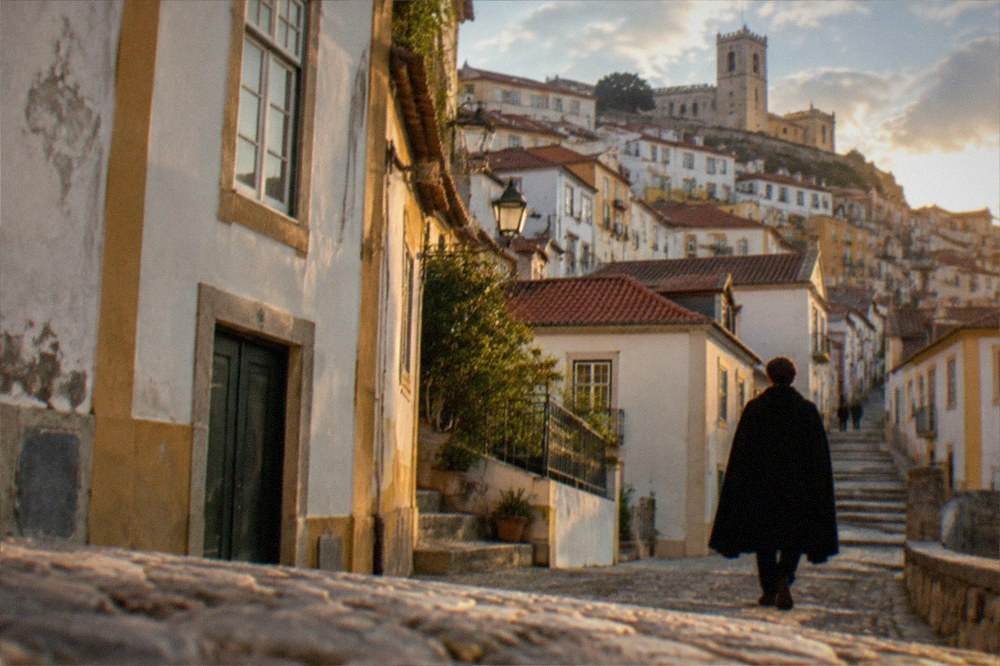
The capa e batina is the traditional black uniform of University of Coimbra students: a heavy wool cape, the capa, worn over a black batina gown, with a band of coloured faculty ribbon and, historically, a tear in the cape's left side. The uniform is not ceremonial dress kept in a museum case. Students wear it on the street, in lectures, in bars and at fado houses, and the University publishes a current student body of about 31,000 people.
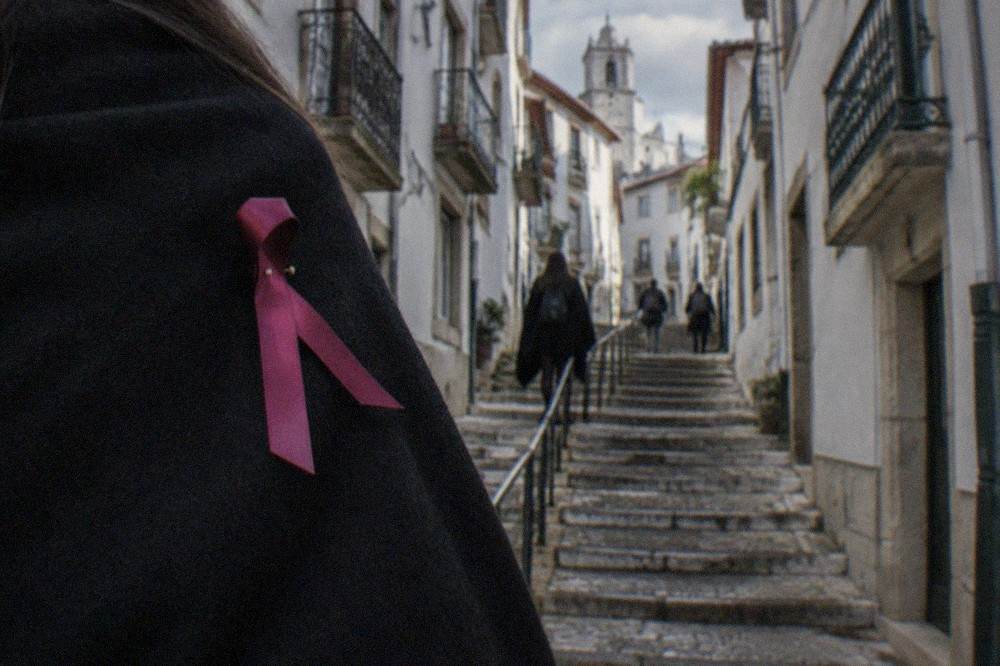
The cape itself carries rules that locals read fluently. The coloured ribbon on the chest identifies the wearer's faculty, so a law student and an engineering student can be told apart at a glance across a square. The tear on the left side, at heart height, is the most quoted detail: tradition says it is cut there when a student falls in love, and left open. Whether every tear you see on Rua da Sofia was cut for love is a question no source can settle, and no honest guide should try.
The uniform belongs to the UNESCO inscribed property in a real sense. The inscription, "University of Coimbra - Alta and Sofia", list reference 1387, dates from 2013 and covers two components: the university hill and the college street below. The capa is the human tradition moving through that built landscape. A visitor who understands the cloak sees the city differently: the students crossing the Paço das Escolas courtyard are not extras in a heritage display, they are the current generation of a practice the site was inscribed partly to represent.
Which Coimbra Student Traditions Can You Actually See as a Visitor?
A visitor can see four living traditions without special access: the capa e batina worn daily on the streets of the Alta and the Baixa; the Repúblicas, the student houses whose walls are painted with slogans; fado de Coimbra, performed in the city's fado houses; and the traces of Queima das Fitas, which falls in May and physically closes two major monuments. Only the inside of a República normally requires an invitation, and the rest is visible from public streets, ticketed venues and the University's own visitor circuit.
The traditions divide into what you stumble into and what you plan around. Stumbling into them is easy: any evening walk down from the university hill passes students in capes, and the fado houses of the Baixa advertise nightly shows. Planning around them matters more, because the biggest tradition in the calendar, Queima das Fitas, does not just add colour. It subtracts access. The University's own information page states that the visitor circuit closes on 24 May, and the Unidade Pastoral Aeminium, which runs Mosteiro de Santa Cruz, states that visits are suspended on the Cortejo da Queima das Fitas, a moveable Sunday.
| Tradition | What it is | Where a visitor encounters it | Verified effect on visits |
|---|---|---|---|
| Capa e batina | Black student uniform with faculty ribbon | Streets of the Alta, Baixa and Paço das Escolas | None, it is a daily sight |
| Fado de Coimbra | Male student fado, sung in the capa | Fado houses in the Baixa | Booked shows run year round |
| Repúblicas | Student houses with painted walls | Rua da Sofia and the old town | Exterior views always possible |
| Queima das Fitas | May festival with the burning of ribbons | Citywide, in May | University circuit closed 24 May; Santa Cruz suspends visits on the Cortejo Sunday |
| Latada | Autumn welcome for new students | Citywide, in the autumn | Exact dates come from the Associação Académica |
The fifth row carries an honest warning that applies to this whole page. The exact dates of Queima das Fitas and the Latada are not published on any official page this site could verify, because the Associação Académica de Coimbra's site refused automated access during this build's research. What is verified is the effect: the University closes its visitor circuit on 24 May, and Santa Cruz suspends visits on the Cortejo Sunday. If a guide anywhere prints a precise Queima calendar without pointing you at the Associação Académica, treat it as a guess.
What Is Queima das Fitas and How Does It Change Your Visit?
Queima das Fitas is Coimbra's student festival, held in May, in which final-year students burn their faculty ribbons in a bonfire and parade through the city in the capa e batina. For visitors it is both an attraction and a hazard: the Cortejo parade fills the centre, while the University closes its entire visitor circuit on 24 May and Mosteiro de Santa Cruz suspends visits on the Cortejo Sunday. Exact dates come from the Associação Académica, not from unofficial listings.
The festival's logic is a small, complete story. Through their degree years, students wear the ribbon of their faculty on the capa. In the final year, at Queima, that ribbon is burned, symbolising the end of student life, and the burning is the "queima" of the name. The Cortejo, the parade that follows, is the public centrepiece: students in full capa e batina process through the city in faculty groups, and the streets fill. The University's own visitor pages state that the tourist circuit closes on 24 May, which this site reads as the strongest official corroboration of when the Cortejo lands.
For a visitor, the planning question is simple: do you want the festival or the monuments? In May, on the wrong Sunday, you cannot reliably have both. The University circuit is closed on 24 May, Santa Cruz is suspended on the Cortejo, and the centre is given over to the parade. Come a week earlier or later and you get the city at its spring best with full access. The IPMA normals for the Coimbra / Bencanta station show May averaging a 23.3 C mean maximum with 64.7 mm of rain, which is comfortable walking weather for a city built on hills.
| What closes or changes for Queima | Who states it | When |
|---|---|---|
| University visitor circuit, Paço das Escolas | The University's own information page | 24 May |
| Mosteiro de Santa Cruz visits | Unidade Pastoral Aeminium, the operating parish body | The Cortejo Sunday, a moveable date in May |
| Exact festival dates | Associação Académica de Coimbra | Published by the AAC, currently not machine-readable |
A walking tour is the practical way to see the festival city, and the top attractions walking tour covers the ground the Cortejo itself uses. Check availability
Why Is Coimbra Fado Sung by Students in the Black Cape?
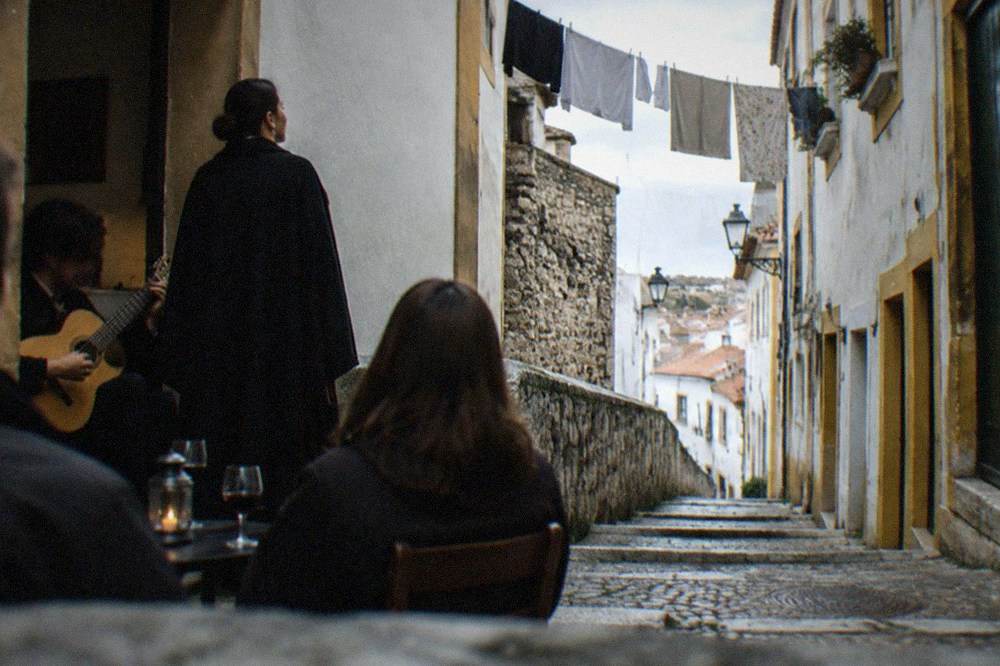
Fado de Coimbra is the city's own style of fado, sung by men, traditionally in the capa e batina, and it is tied to academic life rather than to the Lisbon tavern tradition. It is performed in Coimbra's fado houses with a glass of port wine in the audience, and the live show with port included runs about 50 minutes. The cape is not decoration here: the singer's covered silhouette and the held, formal posture are part of what makes the Coimbra style recognisable.
The differences between Coimbra fado and the better known Lisbon fado are structural, and a visitor who knows them hears the city differently. Coimbra fado grew out of the male student tradition: it is sung by men, historically students, in full capa, and its themes run to love, the city, the student condition and the Mondego. The guitar configuration differs as well, with the Coimbra guitarra tuned and shaped differently from the Lisbon instrument. None of this is secret, but it is the difference between hearing a performance and understanding one.
The practical route in is a ticketed show. The listing for the live fado show with a glass of port wine describes a 50-minute performance rated 4.7 from 1,234 reviews, from $18 per person, which is the most accessible single introduction to the student tradition anywhere in the city. For a fuller background on the genre, the site's fado de Coimbra guide and where to hear fado guide cover the venues and the etiquette in detail.
What Are the Repúblicas, Coimbra's Student Houses?
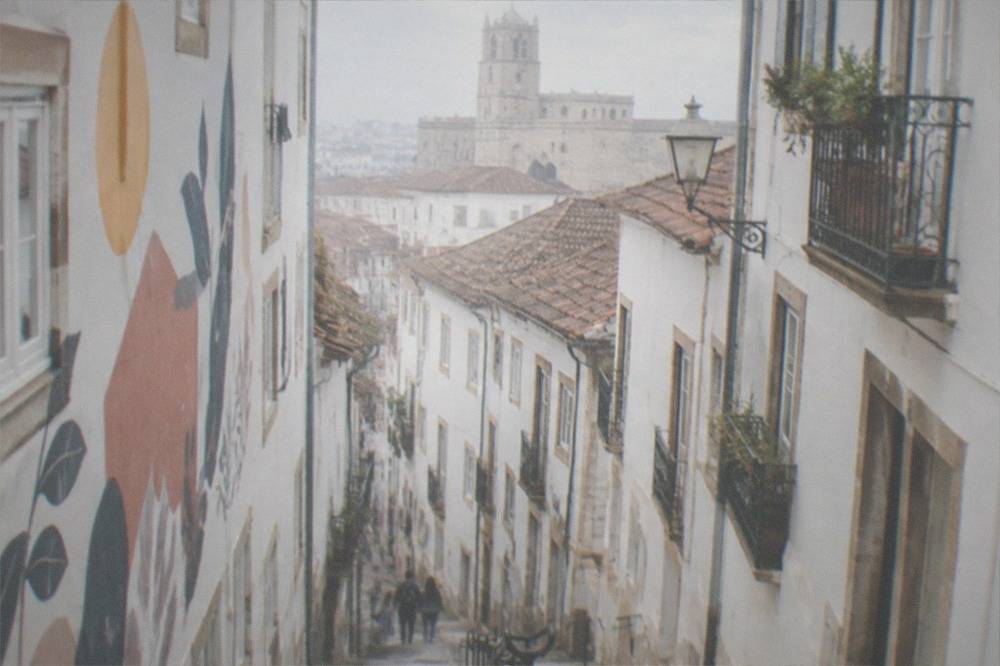
The Repúblicas are communal student houses, centuries old, that function as the social engine of Coimbra's student traditions: each is a named collective with its own wall paintings, its own initiation rites and its own place in the Queima parades. They sit on and around Rua da Sofia, inside the UNESCO inscribed "Sofia" component, and a visitor can read their painted walls from the public street at any hour without a ticket or an invitation.
The walls are the visible archive. República facades carry slogans, dates and murals, repainted and argued over by each generation of residents, and walking Rua da Sofia is a free, self-guided introduction to a tradition that no monument ticket sells. The houses are private homes in practice, so the honest advice is to look and not to knock: the exterior is public, the interior belongs to the residents, and the site's dedicated Repúblicas student houses guide covers the history and the etiquette properly.
The link between the Repúblicas and the capa is the one most guides skip. The traditions are one system: the houses produce the groups, the groups wear the capa, the capa sings the fado, and the whole structure peaks at Queima. The University's published numbers put the student body at about 31,000, with 13 residences listed in its own "University in Numbers" block, and the Repúblicas are the older, wilder, privately organised counterpart to that official stock.
How Do the Student Traditions Shape the University You Visit?
The student traditions are the reason the University of Coimbra's hill looks and runs the way it does: the Paço das Escolas is a working academic court, the visitor circuit is interrupted by academic ceremonies, and the Biblioteca Joanina admits a strict 50 people every 20 minutes because it is a functioning library inside a living campus. The University's own pages warn that religious, official and academic ceremonies overlap with and interrupt the normal tourist circuit, so the student calendar and the visitor calendar are the same calendar.
That last point is worth reading twice, because it comes from the University itself. The visit page states that ceremonies interrupt the circuit, and it lists the closure dates in the current cycle: 24 and 25 December 2026, 31 December 2026 and 1 January 2027, 24 May and 4 October. Two of those, 24 May and 4 October, are academic dates. The University also warns that the Cabinet of Curiosities and the Physics Cabinet close for two days every three months for disinfestation, which is a working-building detail no normal monument has to publish.
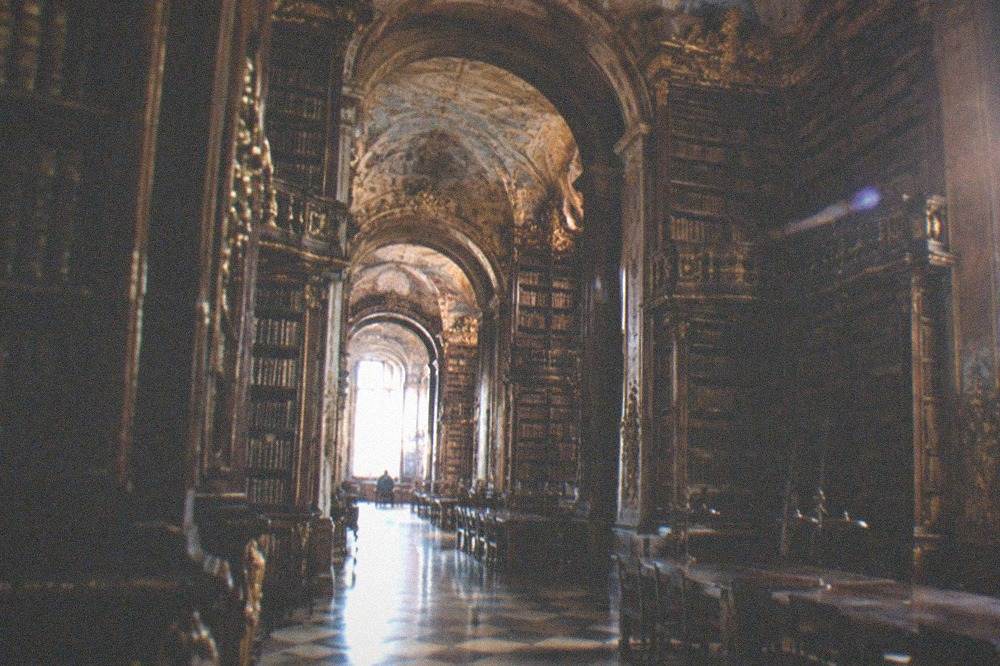
The Joanina is the sharpest example of a student institution doubling as a tourist bottleneck. The University's own programme page states the rule verbatim: entries are limited to 50 people every 20 minutes, the time printed on the ticket is the library slot specifically, entry outside the slot is refused, and the library cannot be bought on its own, only inside the 16.50 EUR combined ticket. The 20-minute ceiling exists because the building is a baroque library that still houses its book collection, and the colony of bats that shelters there is part of the conservation system, as the University's own space page confirms. The site's Joanina Library tickets guide and university tickets guide cover the booking mechanics.
| University ticket | Adult price | What it includes | Duration |
|---|---|---|---|
| Joanina Library + University + Science Museum | 16.50 EUR | Joanina, Royal Palace, Capela de São Miguel, Chemistry Laboratory, Academic Museum, Cabinet of Curiosities, Mineral Gallery | 3 hours |
| University + Science Museum | 12.50 EUR | Same list, without the Joanina Library | 2 hours 30 minutes |
| Guided tour, Palace of Schools | 25.00 EUR | Guide-led visit, Science Museum spaces not included | 1 hour 30 minutes |
The ticket is valid for two days, except the Joanina slot, which is fixed. That two-day validity is itself an academic habit: the campus is treated as a set of spaces you return to, not a single-entry attraction.
Where Does the Capa Meet the Rest of the City?
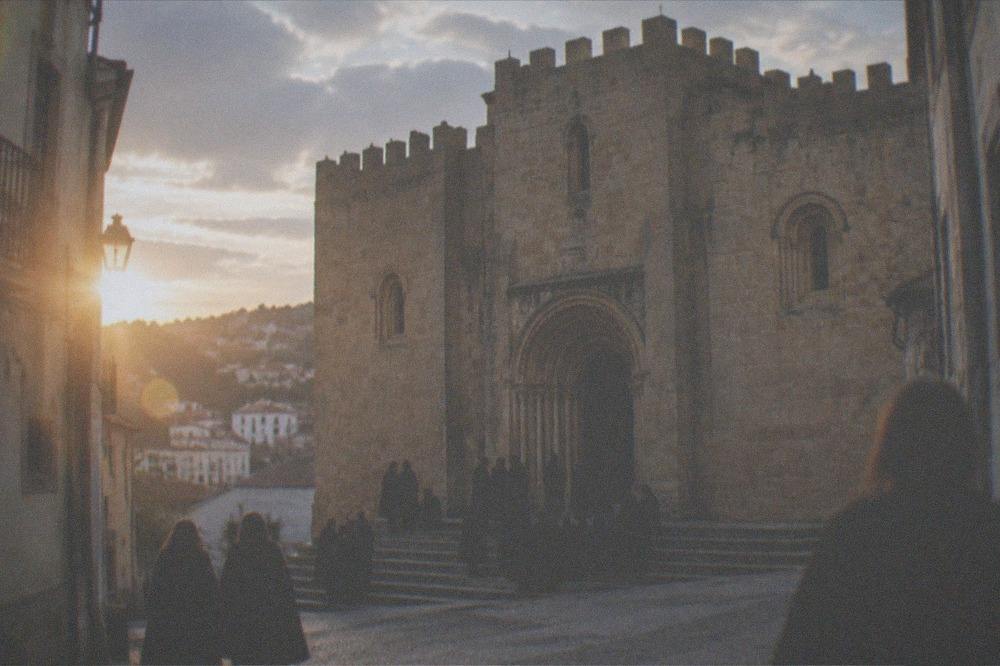
The capa e batina spills beyond the campus into the whole city: students in the black cloak sit in the historic cafés of the Baixa, fill the fado houses at night, walk the Mondego riverside and give the May Cortejo its route through the old town. The traditions also touch specific monuments, because Mosteiro de Santa Cruz, the burial church of Portugal's first two kings, suspends visits for the Cortejo da Queima das Fitas, and the Sé Velha, the Old Cathedral, hosts the festival's serenades.
Santa Cruz is the clearest case of a national monument bending to a student parade. The Unidade Pastoral Aeminium publishes the suspension plainly: visits are suspended on Easter Sunday and on the Cortejo da Queima das Fitas, a moveable Sunday. Individual admission the rest of the year is 5.00 EUR, and the church is the burial place of Portugal's first two kings, which makes it one of the few places where a student tradition interrupts royal tombs. The Sé Velha, at 3.00 EUR individual admission, is the traditional stage for the Serenata that opens the festival week, and its summer hours run 09:30 to 18:30, Sundays 11:00 to 17:30, per the parish's own pages.
The riverside completes the picture. The Mondego divides the student city from the Santa Clara bank, and the green park along the water is where the May crowds gather when the formal events empty out. The site's old town guide and Baixa downtown guide map the streets the traditions actually use, which is a different set from the standard sightseeing loop.
| Monument connected to the student traditions | Individual admission | What the tradition does there |
|---|---|---|
| Mosteiro de Santa Cruz | 5.00 EUR | Suspends visits on the Cortejo Sunday |
| Sé Velha de Coimbra | 3.00 EUR | Traditional stage for the festival serenades |
| Paço das Escolas, University of Coimbra | From 12.50 EUR without the Joanina | Closes its visitor circuit on 24 May |
| Biblioteca Joanina | Only inside the 16.50 EUR combined ticket | 50 people every 20 minutes, fixed slot |
When Is the Best Time to See Coimbra's Student Traditions?
May is the month the traditions peak, and it is also the month with the most closures, so the honest answer splits in two: come in May for Queima das Fitas and the Cortejo if you want the festival at full volume, accepting that the University circuit closes on 24 May and Santa Cruz suspends visits on the Cortejo Sunday, or come in late September or October for the Latada, the autumn welcome of new students, when the capa reappears on the streets in force but monument access is normal.
The weather case for May is strong and official. IPMA's 1991 to 2020 normals for the Coimbra / Bencanta station show May with a mean maximum of 23.3 C and 64.7 mm of rain, against 114.5 mm in October and 121.5 mm in November, the wettest month of the year. September is the sleeper option the numbers keep supporting: its mean maximum of 27.4 C is actually higher than June's 26.3 C, it carries only 49.9 mm of rain, and the autumn rain does not arrive in earnest until October. A September or early October visit catches the Latada season and the last of the dry weather together.
| Month | Mean max temperature | Rainfall | Student calendar relevance |
|---|---|---|---|
| May | 23.3 C | 64.7 mm | Queima das Fitas, Cortejo, University circuit closed 24 May |
| June | 26.3 C | 26.0 mm | Quiet, exams and early summer |
| September | 27.4 C | 49.9 mm | Return of the students, warm and dry |
| October | 23.2 C | 114.5 mm | Latada season begins, rain returns |
For the fuller climate picture, the site's weather guide and best time to visit guide break the year down month by month, and the Queima das Fitas guide covers the festival in depth.
How do You Experience the Traditions Without Getting Them Wrong?
The safe route is to see the capa as a living uniform rather than a costume, to book the fado show and the University circuit in advance, and to plan around the two verified May closures instead of around guessed festival dates. The capa is worn by real students going about real degrees, and the one hard scarcity fact in the city, the Joanina's 50 people per 20-minute slot, is the number that should drive your booking calendar more than anything else.
Etiquette is short and practical. Photograph students in the capa as you would photograph any stranger on the street, which is to say with permission. Read the República walls from the pavement, and treat the houses as homes. At a fado show, follow the house rule that governs every fado room in Portugal: silence during the singing. And when a date matters, whether the Cortejo or the Latada, take it from the Associação Académica de Coimbra rather than from a listing, because this site could not verify festival dates on any official page and will not print guesses.
Booking follows from the same discipline. The Joanina slot system means the combined ticket should be bought for the day you actually intend to stand in the library, with the two-day validity covering the other spaces around it. The one day itinerary guide and two day itinerary guide sequence the campus and the Baixa so the timed slot and the walking distances do not collide.
What Should You Take Away from Coimbra's Student Traditions?
Coimbra's student traditions are the reason this city feels different from every other Portuguese university town: the capa e batina is worn daily, fado is sung in the cloak, the Repúblicas paint their politics on the walls, and the biggest festival of the year is important enough to close a World Heritage university and a royal burial church. The University publishes about 31,000 students, and every one of those traditions belongs to them first and to visitors second.
That ordering is the honest closing note. The University of Coimbra - Alta and Sofia was inscribed by UNESCO in 2013 under criteria (ii), (iv) and (vi), and criterion (vi) is the one that covers living tradition, which is precisely what the capa represents. A visitor who arrives understanding that the campus is a working institution, with ceremonies that interrupt the circuit and a library that runs on 20-minute slots, gets the city as it actually is. A visitor who arrives expecting a heritage stage set gets a better education than they planned for, which is, in a city of students, exactly as it should be.
Common Questions About Coimbra Student Traditions
What is the capa e batina in Coimbra?
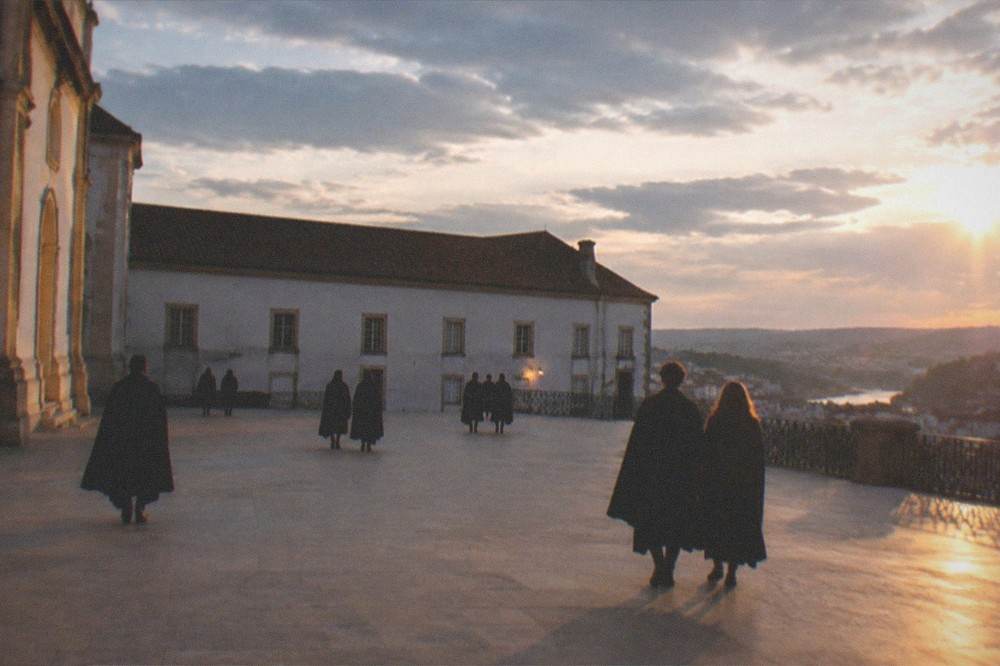
The capa e batina is the traditional black student uniform of the University of Coimbra: a heavy wool cape worn over a black gown, with a coloured faculty ribbon on the chest. It is worn daily by students, not kept for ceremonies, and the University publishes a student body of about 31,000 people.
Can visitors see Coimbra student traditions?
Yes. The capa is visible on the streets every day, the República walls on and around Rua da Sofia can be read from the pavement, fado de Coimbra is performed in ticketed fado houses, and Queima das Fitas fills the city in May. Only the interiors of the Repúblicas are off limits without an invitation.
When is Queima das Fitas in Coimbra?
Queima das Fitas falls in May. The exact dates are published by the Associação Académica de Coimbra, and this site could not verify them on an official page, so no specific dates are printed here. What is verified: the University closes its visitor circuit on 24 May, and Mosteiro de Santa Cruz suspends visits on the Cortejo Sunday.
How does Queima das Fitas affect visiting the University of Coimbra?
The University's own information page states that the visitor circuit closes on 24 May, and it warns that academic and official ceremonies interrupt the normal tourist circuit throughout the year. If your trip centres on the Joanina Library or the Paço das Escolas, plan around 24 May or check the University's published closure list before booking.
Why is Coimbra fado different from Lisbon fado?
Coimbra fado is sung by men, traditionally students in the capa e batina, and it grew out of academic life rather than the Lisbon tavern tradition. The Coimbra guitarra is tuned and built differently from the Lisbon instrument, and the repertoire centres on the city, the student condition and the Mondego. You can hear it at a ticketed show, with the live performance running about 50 minutes.
Do students in Coimbra still wear the capa every day?
Yes, the capa e batina is a living uniform, worn on the street, in lectures and at fado houses by the current student body, which the University's own pages put at about 31,000 students. It is most visible in the Alta, around the Paço das Escolas, and on Rua da Sofia, the college street inside the UNESCO inscribed property.
The capa e batina is the thread that ties the library, the fado house, the painted walls and the May parade into one tradition, and a visitor who follows it through Coimbra, Portugal leaves having seen a university still practising its own history.