The Best Hotels in Coimbra, Portugal: Where to Stay and What It Costs
Coimbra, Portugal's university city on the River Mondego, splits its hotel stock across a steep old town, a flat riverside low town and a green hill across the water. Choosing the right base matters more here than in most Portuguese cities, because the climb between them is real.
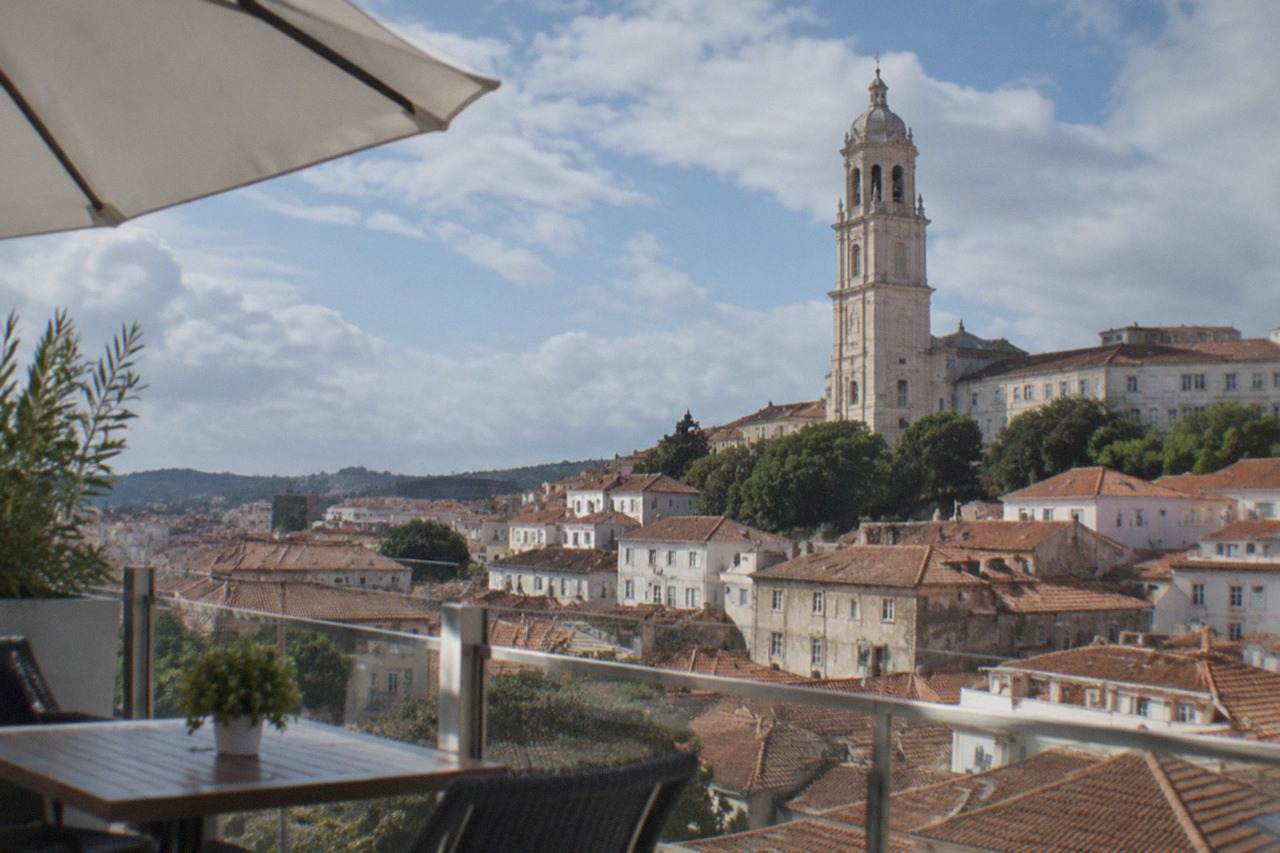
Short answer
Stay in the Baixa for flat walking and river views, on the Alta hill for university proximity, or across the Mondego at Parque Verde do Mondego for quiet and space. Budget 1.00 EUR per night per guest aged 16 and over for the municipal tourist tax, capped at three nights.
Coimbra, Portugal, is a university city on the River Mondego, and its hotel geography is shaped by one thing above all: the hill. The old town rises steeply from the river to the university plateau, and a hotel at the top of that climb gives a very different stay from one at the bottom of it. The city that most visitors picture, the one with the Joanina Library, the Sé Velha and the fado houses, occupies a compact space that can be walked end to end, but not flatly. This guide walks through where the best hotels in Coimbra actually sit, what each area does well, what the municipal tourist tax adds to a bill, and how the city's seasons move both prices and crowds. The University of Coimbra publishes a figure of about 31,000 students on its own homepage, and that student population is the engine behind everything from cheap eats to the May festival calendar, which in turn is what fills and empties the city's hotel rooms.
Which Area of Coimbra Should You Book a Hotel In?
The Baixa, the low town between the river and the hill, is the default answer for most visitors: it is flat, it holds the commercial heart of the city around Rua Ferreira Borges and Praça do Comércio, and it puts you within a short walk of both the river and the climb up to the university. The Alta, the upper town around the Paço das Escolas, suits travellers who want to wake up next to the university and accept stairs as part of the deal. Across the Mondego, Santa Clara and the Parque Verde do Mondego side offer quiet, green surroundings and the Portugal dos Pequenitos theme park, at the cost of a bridge crossing to reach the old town. The area around the railway stations suits rail arrivals who value a five-minute walk with luggage over scenery.
The Baixa is where most of the city's mid-range hotel stock sits, in converted commercial buildings along the grid of streets that run back from the river. It is also where the city's administrative and shopping life happens, so it stays lively through the week and quietens on Sunday mornings. The climb to the university from here is genuine but manageable, and the Coimbra map guide lays out the relationship between the two levels street by street.
The Alta trades convenience of access for proximity to the sights. A hotel up here means the Joanina Library, the Capela de São Miguel and the university views are on the doorstep, and everything in the Baixa is downhill, which is the direction you want the walk to be at the end of a day. The reverse climb is the price. Santa Clara, across the river, is the family option: the Fundação Bissaya Barreto's Portugal dos Pequenitos sits there, and the parkland of the Parque Verde do Mondego runs along the water.
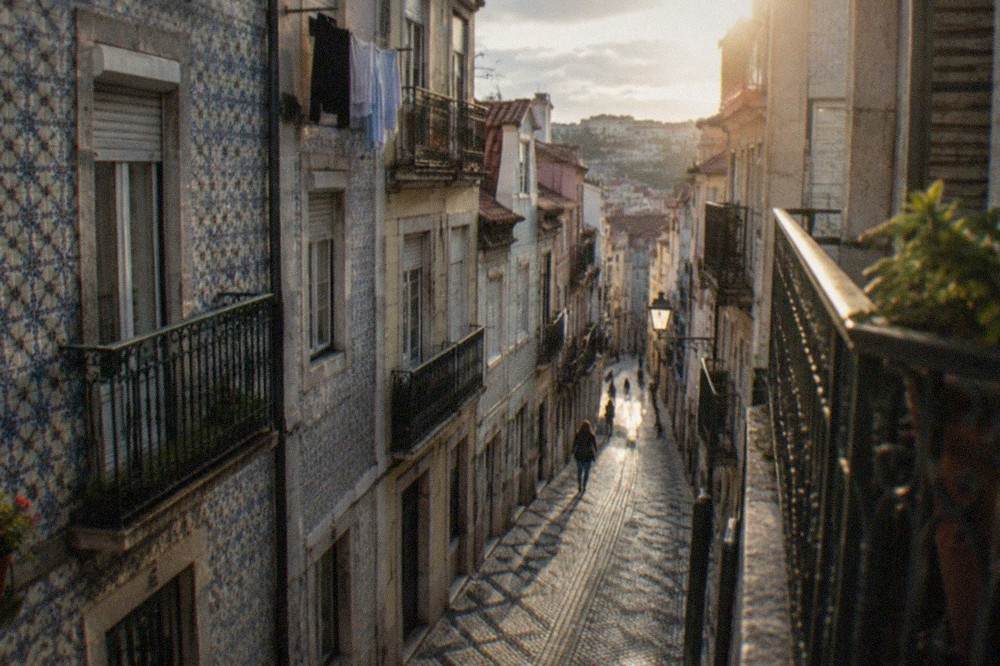
For a first visit, the Baixa is the recommendation this site makes most often, and the reasoning is in the where to stay guide. For a second visit, or a longer stay with a car, the riverside and hillside options start to make more sense.
How Much Does a Hotel in Coimbra Cost with the Tourist Tax Added?
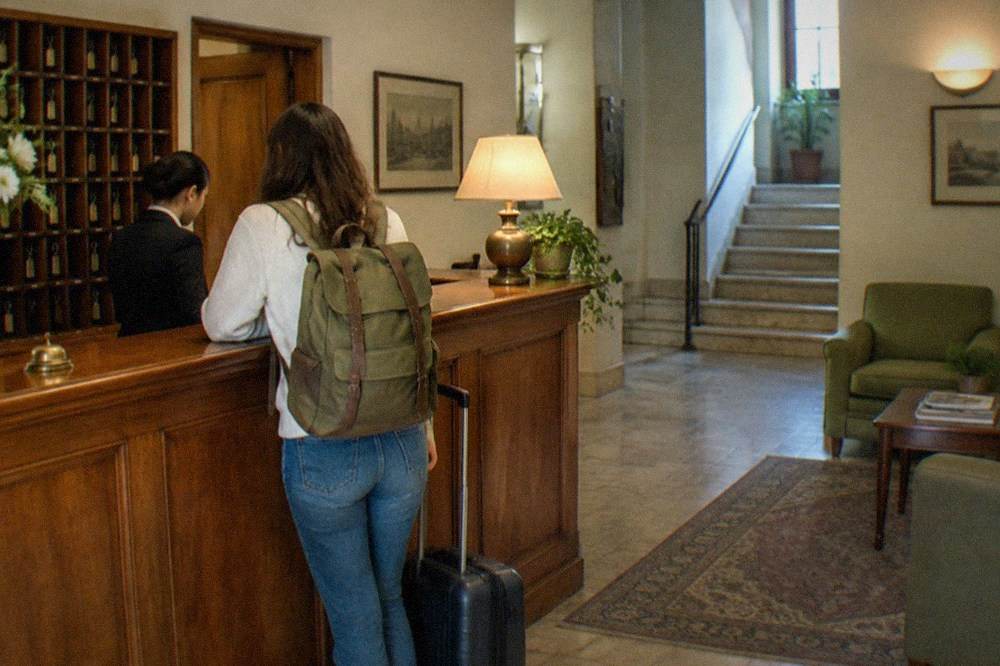
Coimbra charges a municipal tourist tax of 1.00 EUR per guest per overnight stay, capped at a maximum of three consecutive nights per person, applying from age 16 and paid directly to the accommodation at check-in or check-out, never through a booking platform. The municipality's own worked example is a couple staying seven nights who pay 3.00 EUR each, 6.00 EUR total. The tax is not subject to VAT, it is charged all year with no low-season exclusion, and it has been in force since 5 April 2023. On 21 July 2026 the municipal Executive approved a proposal to raise the rate to two euros per night, but the same municipal page describes the tax as currently fixed at one euro, so one euro is the figure to budget.
The exemptions matter and are narrower than many visitors assume. Stays motivated by medical treatment are exempt for the whole stay, one companion of a person travelling for medical reasons is exempt, and guests with a disability of 60% or more are exempt on production of a document. There is no exemption for professional travel, internships, students or research fellows, which is worth knowing in a city with 31,000 of them.
| Tourist tax rule | Figure | Source basis |
|---|---|---|
| Rate per guest per night | 1.00 EUR | Municipal service portal |
| Cap per person | 3 consecutive nights | Municipal service portal |
| Minimum age | 16 (birthday excluded, ID required) | Municipal service portal |
| Payment point | Accommodation, at check-in or check-out | Municipal service portal |
| VAT | Not subject to VAT | Municipal service portal |
| In force since | 5 April 2023 | Municipal newsroom |
| Proposed change | 2.00 EUR, approved as a proposal 21 July 2026 | Municipal newsroom |
The reason the municipality gives for the proposed rise is itself worth reading before dismissing the tax. The city recorded 698,151 overnight stays in 2025, its own municipal figure for the municipality, and its study put the annual municipal cost associated with tourism at 2.44 million EUR, which works out to 3.49 EUR per overnight stay. Even the proposed two-euro rate would sit below that cost. A one-euro line on a hotel bill in Coimbra is buying more than it appears to.
When Is the Best Time to Book a Hotel in Coimbra?
May to September is the high season, with the University's own visitor data showing the Paço das Escolas open 09:00 to 20:00 from 1 April to 30 September, and September is the quietly excellent month: its mean maximum of 27.4 C is higher than June's 26.3 C, the crowds have gone, and the autumn rain does not arrive in force until October, when the monthly total jumps to 114.5 mm. July, at 8.9 mm of rain, is effectively dry, and August is the hottest month rather than July, averaging 10.9 days above 30 C on IPMA's 1991 to 2020 normals for the Coimbra / Bencanta station. Winter hotel demand drops with the temperature, and November is the wettest month at 121.5 mm.
The month that needs specific warning is May. The Queima das Fitas, the student festival, falls in May, and while this site will not publish festival dates that the Associação Académica has not confirmed on an official page, two verified closures tell the story: the University closes its visitor circuit on 24 May, and Mosteiro de Santa Cruz suspends visits on the Cortejo da Queima das Fitas, a moveable Sunday. Hotel rooms in a small city fill around those dates, and the best time to visit guide covers the calendar in detail.
| Month | Mean max C | Rain mm | Days 1mm+ rain | Hotel-season read |
|---|---|---|---|---|
| May | 23.3 | 64.7 | 8.5 | Student festival month, book early |
| June | 26.3 | 26.0 | 3.7 | High season begins |
| July | 28.5 | 8.9 | 1.7 | Effectively dry, busiest |
| August | 29.1 | 14.8 | 2.2 | Hottest month, 10.9 days above 30 C |
| September | 27.4 | 49.9 | 5.2 | Warm, quieter, rain holds off until October |
| October | 23.2 | 114.5 | 10.3 | Rain arrives, prices soften |
| November | 18.0 | 121.5 | 11.5 | Wettest month, low season |
The counterintuitive September point deserves spelling out, because an earlier draft of this very build got it backwards. September is both hotter and wetter than June: 27.4 C against 26.3 C on the mean maximum, and 49.9 mm of rain against June's 26.0 mm. What makes September the recommendation is not dryness, it is that the autumn rain holds off until October, and that the student and tourist crowds of July and August have dispersed while the weather has not.
Should You Stay Near the University or Down by the River?
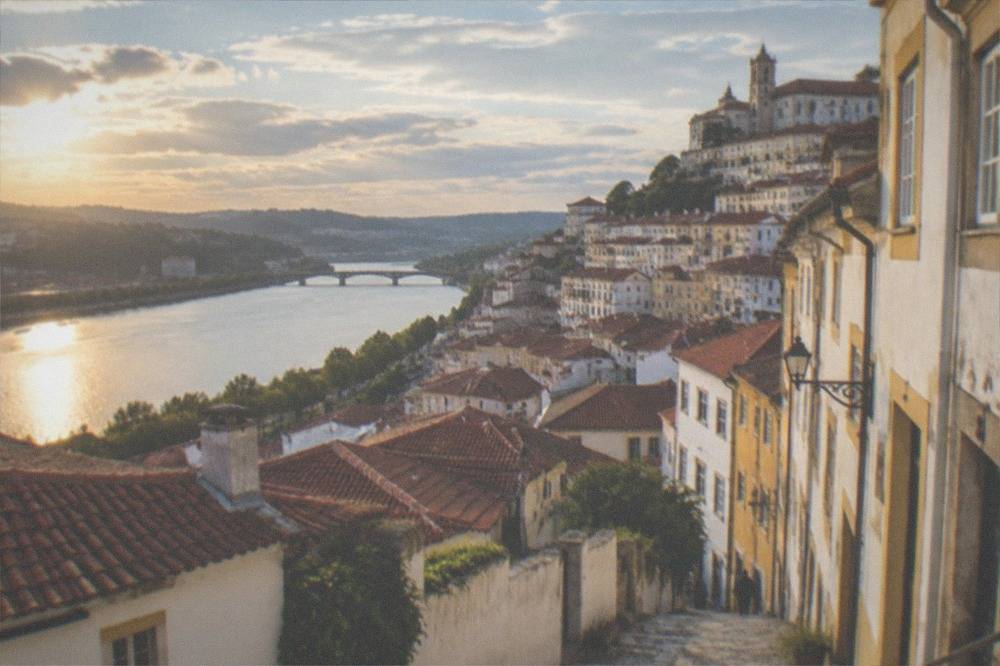
Staying on the Alta hill means the University's inscribed World Heritage spaces, the Joanina Library, the Capela de São Miguel and the Royal Palace, are on the doorstep and everything else is downhill, while staying in the Baixa or by the river means flat walking, the fado houses and the restaurant streets, and a one-time climb up to the sights. The UNESCO inscription, "University of Coimbra – Alta and Sofia", list reference 1387, inscribed in 2013, covers the university hill and the college street, not the whole city, and a hotel inside that zone puts you inside the reason most people come.
The hill decision is really a legs decision. The Alta is steep, and the trade is direct: wake up among the monuments, descend for dinner, climb home. The Baixa inverts it: flat days, one deliberate ascent to the university, done once and properly. Travellers with mobility considerations should read the site's accessibility and hills guide before booking, and the same goes for anyone booking with heavy luggage, because cobbled slopes and suitcases are an unhappy pairing.
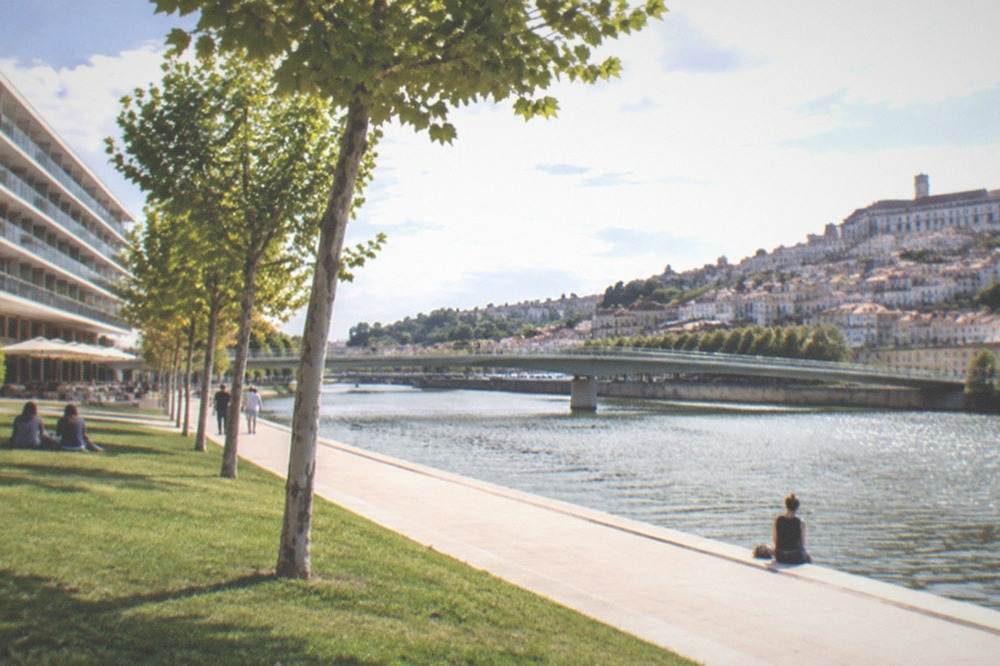
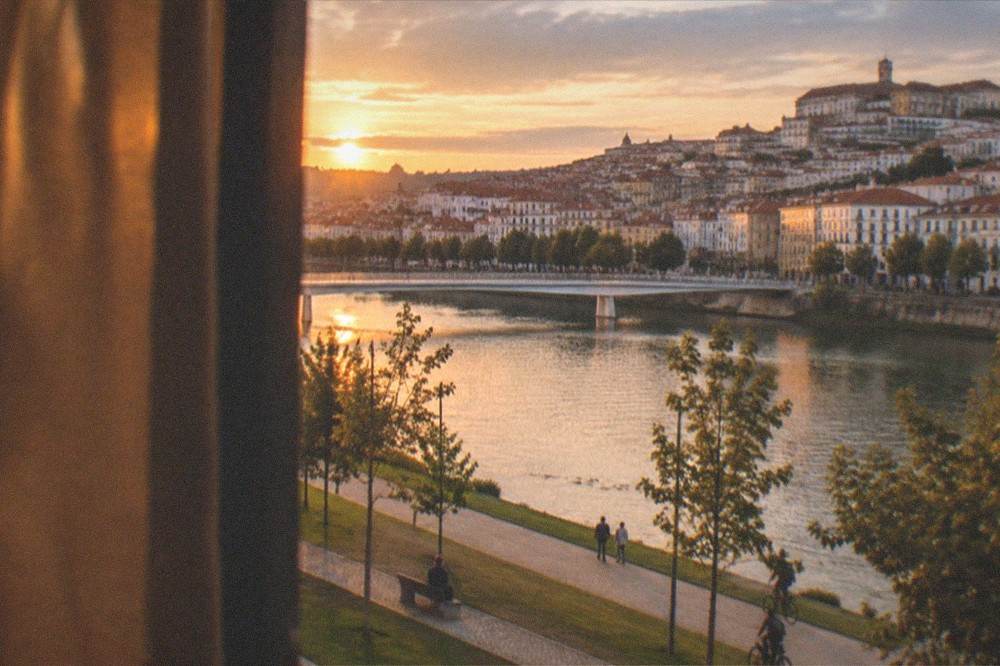
The river side of the question has its own appeal. The Parque Verde do Mondego, the green park that runs along the Mondego across from the old town, gives the Santa Clara side a resort feel that the historic core cannot offer, and the traditional Barca Serrana boat trips leave from the river. A riverside hotel room with an old-town view is the most photogenic base in the city, and the best views and photo spots guide identifies which stretches of water carry them.
For a stay built around the university's own ticketed circuit, the Alta wins on proximity. The combined ticket that includes the Joanina Library costs 16.50 EUR for an adult, is valid for two days across the other spaces, and admits a strictly limited 50 people every 20 minutes into the library, with the time printed on the ticket being the library slot itself. A hotel within ten minutes of the kiosk makes an early slot far easier to hit, and the Joanina Library tickets guide explains the booking mechanics in full.
What Hotel Types Exist in Coimbra, and Which Suits Your Trip?
Coimbra's hotel stock divides into four usable categories: historic-building hotels in and around the old town, mid-range city hotels in the Baixa, small guesthouses and converted apartments on the hill streets, and the one large heritage property in parkland, the Quinta das Lágrimas hotel on the city's eastern edge, and the right pick depends on whether the trip is a short sightseeing break, a family stay or a slow multi-day visit. The heritage quinta option, set in the parkland associated with the Pedro and Inês story, is covered in its own Quinta das Lágrimas hotel guide, and it is the closest thing the city has to a destination resort.
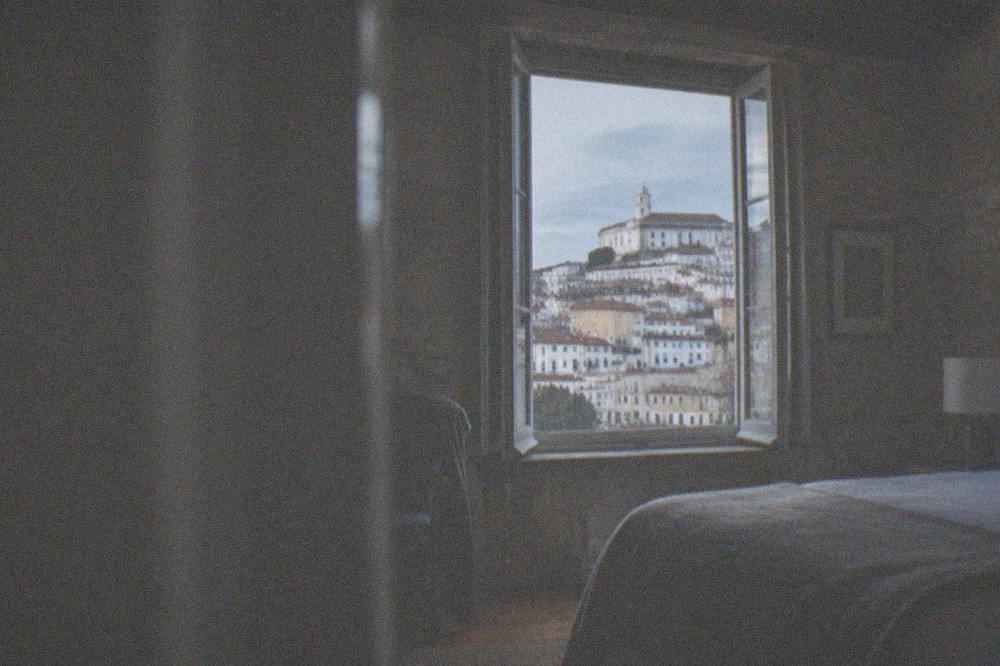
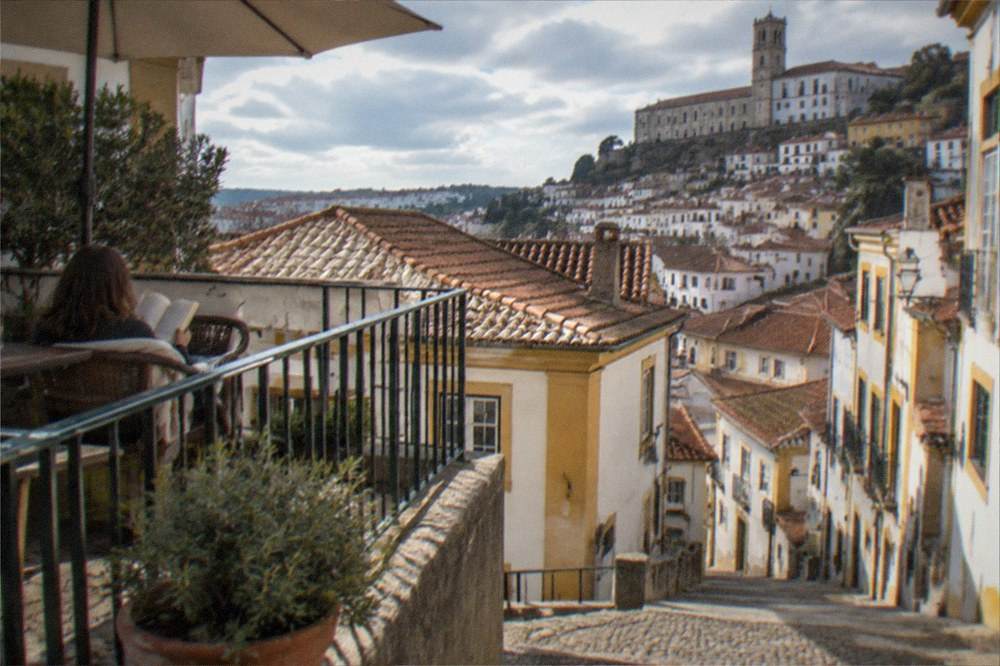
The historic-core category is where Coimbra's character lives. Buildings on the hill streets and around the Arco de Almedina date back centuries, and conversions in this stock tend to be small, with the trade-offs that implies: thicker walls, thinner corridors, and rooms that vary within the same property. Ask for a room on an upper floor facing away from the street if the building sits on a nightlife street, because the student city does not sleep early on weekends. The full index of guides sits on Coimbra Travel Guide.
The Baixa mid-range category is the practical workhorse. These are the hotels that suit a two-night sightseeing break: flat access, breakfast rooms, luggage storage, and a walk of minutes rather than a climb to the restaurant streets covered in the restaurants guide. Guesthouses and apartment conversions suit longer stays and travellers who want a kitchen, and they are also where the city's price floor sits, though this site publishes no specific hotel rates, because none were verified on official pages for this build.
| Hotel category | Where it sits | Best for | Main trade-off |
|---|---|---|---|
| Historic-building hotels | Alta and old-town edges | Atmosphere, short breaks | Variable rooms, stairs |
| Mid-range city hotels | Baixa grid | Flat walking, families | Less character |
| Guesthouses and apartments | Hill streets and Baixa | Long stays, budgets | Thin soundproofing in student areas |
| Heritage quinta hotel | Eastern edge, parkland | Slow stays, special trips | Farther from the old core |
One category note that is specific to Coimbra: the student city means weekend noise around the Repúblicas, the traditional student houses, is a real consideration on the hill streets. The Coimbra at night and fado pages cover the city's evening culture, and a room two streets back from the main nightlife strip is the difference between a charming stay and a sleepless one.
How do You Get from Your Hotel to the Sights Without a Car?
You walk, almost everywhere, because Coimbra's sightseeing core is compact and steep rather than spread out, and the two tools that flatten the city are the SMTUC bus network, whose 2026 tariff sells a pre-purchased trip at 0.90 EUR when bought in packs of three or more against 2.00 EUR bought on board, and the fact that SMTUC tickets are also valid on the new Metro Mondego network. A single journey is valid 90 minutes on the urban network with transfers included. For arrivals, the city has two railway stations with confusingly similar names, Coimbra-A and Coimbra-B, in different places, and CP, Comboios de Portugal, is where to check which trains call where.
This site deliberately does not state which trains stop at which station, the distance between them, or whether the shuttle between them is free with a long-distance ticket, because none of that could be verified on CP's own pages during this build, and CP's site serves soft-404 pages that answer with a 200 status. What is safe to say, and what matters for a hotel decision, is that the two stations sit in different parts of the city and a hotel choice should be made with the arrival station in mind. The train stations A and B guide covers the practicalities.
| SMTUC 2026 fare | Price | Notes |
|---|---|---|
| Driver ticket, bought on board | 2.00 EUR | Per trip |
| Pre-purchased, 3 or more trips | 0.90 EUR per trip | Per trip within a pack |
| Journey validity | 90 minutes urban | Transfers included |
| Viagem ConVIDA support card | 0.50 EUR | For occasional and pre-purchased tickets |
| Metro Mondego validity | Included | SMTUC titles are valid on both networks |
| Fare evasion fine | 120.00 to 350.00 EUR | Enforced |
For day trips out of the city, Conímbriga, Buçaco, the Lousã schist villages and Fátima all sit beyond walking range, and a hotel in the Baixa keeps the intercity and regional transport connections closest. The day trips guide and the Coimbra to Fátima page cover those routes. Within the city, the practical pattern is simple: walk the core, bus the hills, and treat the river crossings as part of the walk rather than a transport problem.
What Should You Check Before Booking Any Coimbra Hotel?
Check four things in order: the hill between the hotel and the university, the May and October event calendar, the air conditioning, and the small print on the tourist tax, because Coimbra's summers now average 39.9 days above 30 C per year at the city's own IPMA station and older stone buildings do not all have modern cooling, while the tourist tax is charged all year with no low-season exclusion and is paid to the accommodation, not the platform. The record extremes at the same station, 41.2 C on 7 August 2016 and -4.3 C on 20 January 2017, frame both ends of what a room needs to handle.
The event calendar matters more in Coimbra than in a city without a centuries-old student culture. Two closures are verified and worth planning around: the University shuts its visitor circuit on 24 May, and Mosteiro de Santa Cruz suspends visits on the Cortejo da Queima das Fitas Sunday. Around those dates, rooms tighten and the streets fill. The Queima das Fitas guide covers what is and is not confirmed.
The closure list also affects itinerary promises. The Torre da Universidade is closed, the University's own information page says so plainly, and no hotel view of the tower should be sold as a climb. The Museu Nacional de Machado de Castro is closed for conservation work, and Mosteiro de Santa Clara-a-Velha has been closed for requalification works since October 2025 with no confirmed reopening. A hotel in the Baixa is still the best base for everything that remains open, but the open list is shorter in 2026 than the average guide admits.
| 2026 status | Venue | What to do |
|---|---|---|
| Open, timed entry, 50 people per 20 minutes | Biblioteca Joanina | Book the 16.50 EUR combined ticket, slot printed on ticket |
| Open, 3.00 EUR individual | Sé Velha de Coimbra | Summer hours 09:30 to 18:30 |
| Open, 5.00 EUR individual | Mosteiro de Santa Cruz | Suspended on the Cortejo Sunday |
| Closed | Museu Nacional de Machado de Castro | Conservation work, phased reopening targeted late 2026 |
| Closed | Torre da Universidade | No tower climb exists |
| Closed for works | Mosteiro de Santa Clara-a-Velha | Check before planning |
How Many Nights Should Your Hotel Booking Cover?
Two nights covers the core sights comfortably and three lets the city breathe, with the first morning given to the university circuit, the second to the Baixa, the riverside and the Sé Velha, and a third night buying either a fado evening at leisure or a day trip to Conímbriga, about 16 km south in the municipality of Condeixa-a-Nova, whose museum and ruins open seven days a week, 10:00 to 18:00, making it the reliable Monday option when other monuments close. One night works only for a fast, early-start visit, because the Joanina's timed slots make a late arrival expensive.
The two-night pattern is the one most first-time visitors actually need. The University's own ticket is valid for two days across all its spaces except the fixed library slot, which means a two-night hotel booking maps exactly onto the ticket's validity window. Book the Joanina slot for the first morning, use the rest of that first day for the palace and chapel spaces, and spend the second day downhill.
The three-night and longer patterns open the day trips. Conímbriga's Roman ruins, the schist villages of the Lousã mountain, the Buçaco forest and Fátima all sit within range of a morning departure, and the itinerary guide sequences them. For a stay of a week or more, the riverside and quinta options earn their keep, because a long stay in a hill-top guesthouse means a week of climbs.
Whatever the length of the stay, the first morning is the one worth investing in. A guided walk of the top attractions, from the university hill down through the old town to the river, orients the whole visit and shows which hotel neighbourhood fits the rest of the plan, and it costs less than most hotel breakfasts.
Common Questions About Hotels in Coimbra, Portugal
What is the tourist tax for hotels in Coimbra?
1.00 EUR per guest per overnight stay, capped at three consecutive nights per person, applying from age 16, paid directly to the accommodation at check-in or check-out. A rise to 2.00 EUR was approved as a proposal by the municipal Executive on 21 July 2026, but the published rate remains 1.00 EUR.
Is it better to stay in the Alta or the Baixa in Coimbra?
The Baixa suits most visitors: flat walking, the restaurant streets and a one-time climb to the university. The Alta suits travellers who want the university on the doorstep and accept stairs, and it is the better choice for early Joanina Library slots.
When are Coimbra hotels most expensive?
July and August, which are the busiest and hottest months, August averaging 10.9 days above 30 C. May tightens around the student festival period, when the University closes its visitor circuit on 24 May and Santa Cruz suspends visits on the Cortejo Sunday.
Can you visit Coimbra without a car from a city-centre hotel?
Yes. The sightseeing core is walkable, SMTUC buses cover the hills at 0.90 EUR per pre-purchased trip, and SMTUC tickets are also valid on the Metro Mondego network under the 2026 tariff.
Do Coimbra hotels charge the tourist tax in winter?
Yes. The tax is charged all year with no low-season exclusion, and it has applied since 5 April 2023.
How many nights are needed for a Coimbra hotel stay?
Two nights for the core sights, which matches the University ticket's two-day validity, and three if a day trip to Conímbriga or the schist villages is part of the plan.
A final note on how to use this page with the rest of the site. The hotel decision and the itinerary decision are the same decision in Coimbra: pick the neighbourhood that puts the heaviest part of your plan closest, book the Joanina slot before anything else, and let the weather guide and the best time to visit guide set the month. Everything else, from the one-euro tax line at checkout to the steep street outside the door, is easier to enjoy once the base is right, and Coimbra Travel Guide covers each of those pieces in its own page.