Museu Nacional de Machado de Castro, Coimbra
The Machado de Castro Museum in Coimbra, Portugal is closed for conservation work, with no reopening date published. Here is what is actually happening, what the Roman cryptoporticus beneath it is, and what to see in the city while you wait.
Short answer
The Museu Nacional de Machado de Castro in Coimbra, Portugal is closed for conservation work, with no reopening date published. The museum sits above a Roman cryptoporticus of the mid-1st century on Largo Dr. José Rodrigues, and the rest of Coimbra's old town, including the Sé Velha, Santa Cruz and the Joanina Library, remains open.
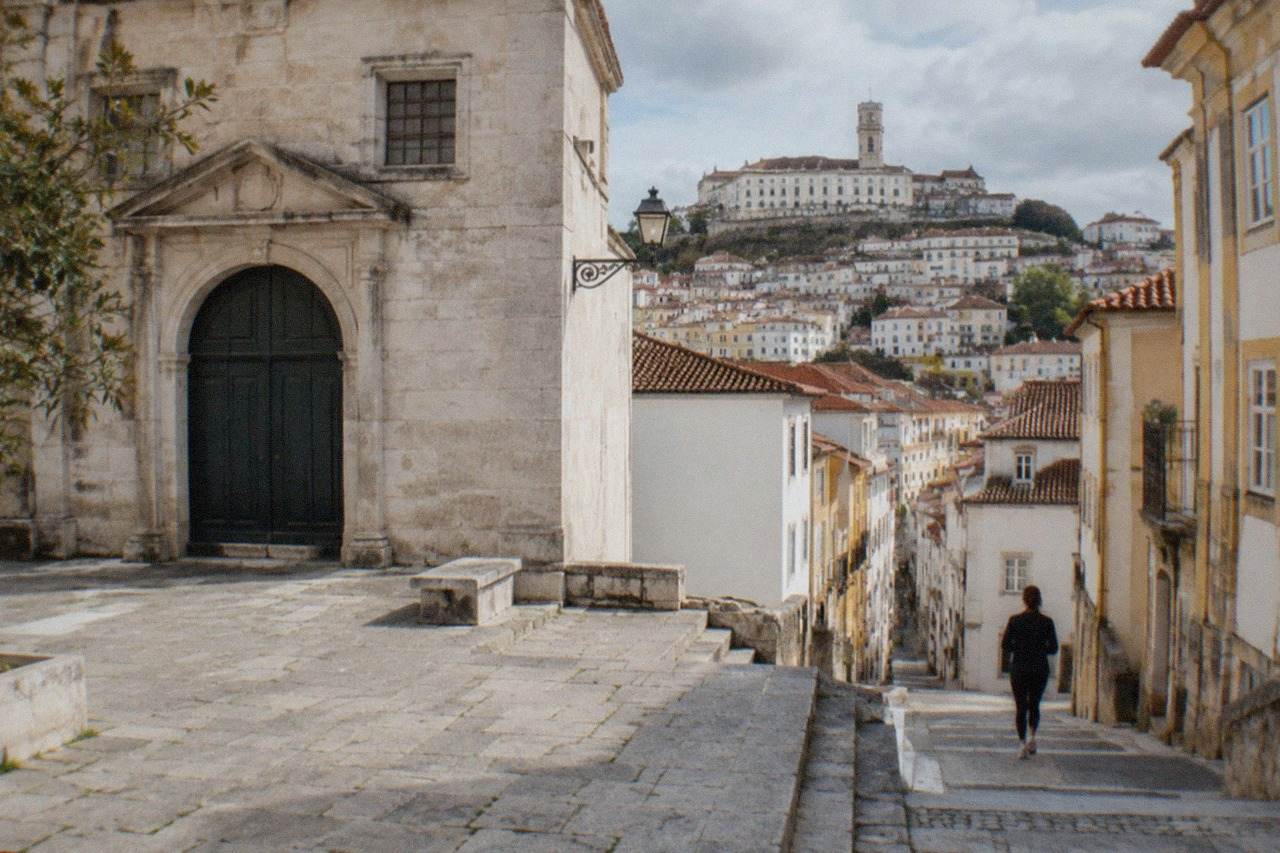
The Museu Nacional de Machado de Castro stands on Largo Dr. José Rodrigues in Coimbra, Portugal, the university city on the River Mondego, and it is currently closed for conservation work. That single sentence is the most important thing on this page, because a large share of the travel content written about this museum still lists opening hours and ticket prices that no longer apply. The museum's own page on the national Museus e Monumentos portal carries the closure line twice, and this guide takes that status as its starting point rather than as a footnote. What follows is what the closure means in practice, what sits underneath the building, and how to spend the hours you had budgeted for it.
Is the Machado de Castro Museum in Coimbra Open Right Now?
No. The Museu Nacional de Machado de Castro in Coimbra, Portugal is closed for conservation work, and the closure is stated on the museum's own page on the national Museus e Monumentos portal, which carries the closure line twice. No reopening date is published, and no current admission price exists, because the official page lists none while the building is shut. Anyone planning a visit around this museum should check the museum's own page shortly before travelling, since that is where a reopening announcement will appear first.
The closure is not a rumour and not a seasonal pause. The portal entry states "Closed for conservation work." at the top of the page and repeats it in the opening time block, which is an unusually emphatic way for a national institution to say it. The works are funded through Portugal's Recovery and Resilience Plan, and dated Portuguese press coverage describes a phased reopening being targeted for after summer 2026, but a target reported in the press is not a published date, so this guide does not print one as fact.
There is a trap on that same official page, and it is worth naming it. Directly below the closure line, the page prints a normal-looking schedule, Tuesday to Sunday, 10:00 to 18:00, with last entry at 17:30. Those hours belong to the period whenever the museum reopens. They are not current, and a reader who skims the page will come away with exactly the wrong impression. Treat any blog or listing that repeats them as a sign that the writer read the page and missed its first line.
| Detail | Verified status |
|---|---|
| Current status | Closed for conservation work, per the museum's own page on the national portal |
| Reopening date | None published on any official page |
| Current ticket price | None published, the official page lists no price while closed |
| Address | Largo Dr. José Rodrigues, 3000-236 Coimbra |
| Structure beneath the building | Roman cryptoporticus, mid-1st century |
| Operating body | Museus e Monumentos de Portugal, the national museums body |
What Is the Machado de Castro Museum, and Why Does It Matter?
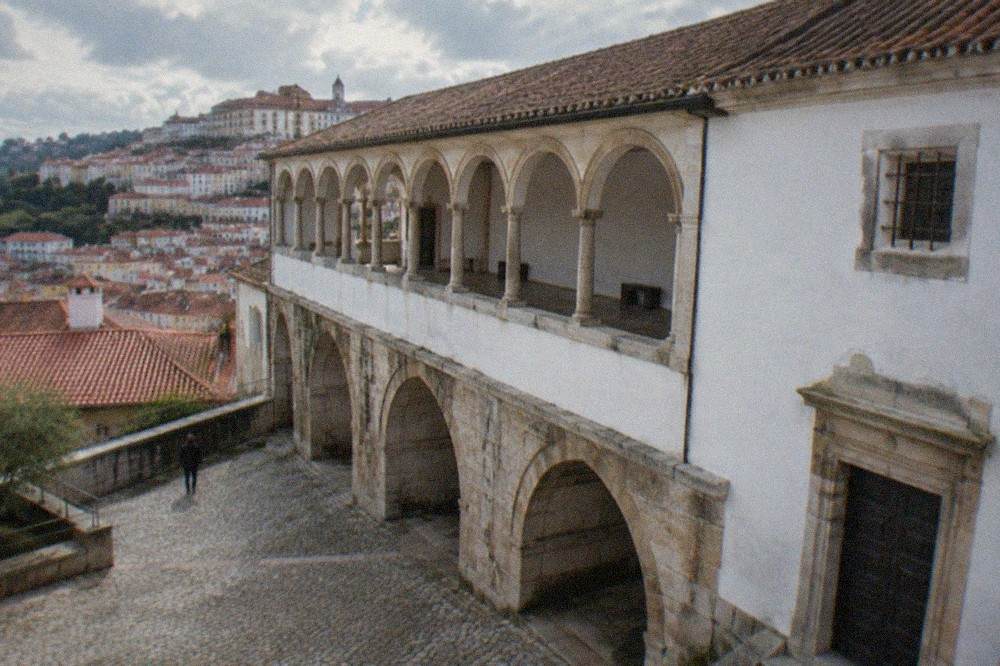
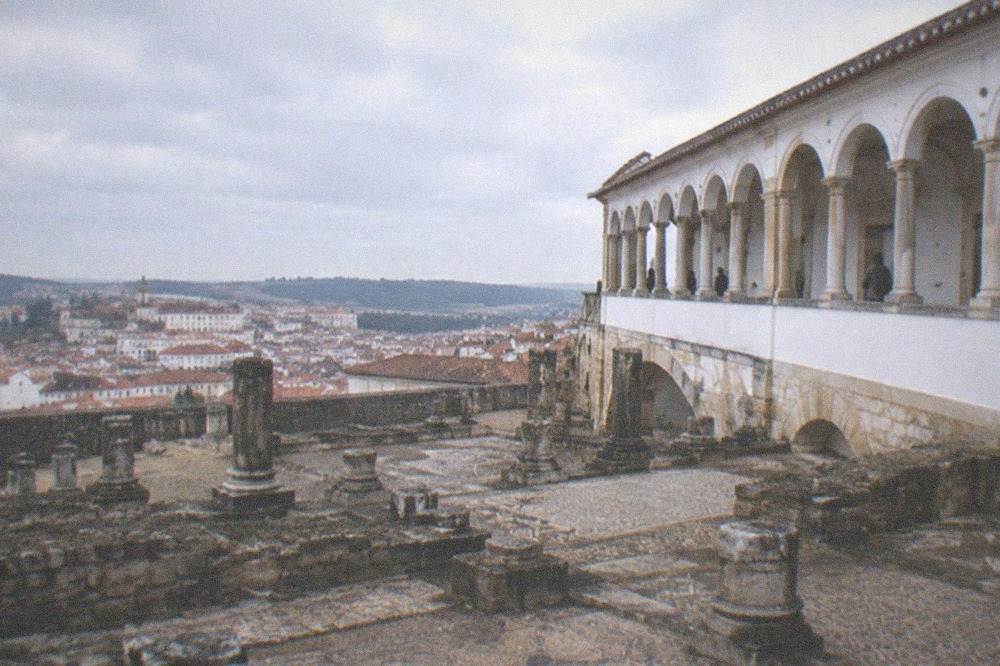
The Machado de Castro is Portugal's national museum in Coimbra, occupying the former Bishop's Palace on the crest of the Alta, the upper town, and it is built directly on top of a Roman cryptoporticus of the mid-1st century, a partially subterranean gallery structure that is part of the visit route when the museum is open. Its collection and its setting made it one of the country's most significant museums, and the cryptoporticus beneath it is one of the most substantial Roman remains visible anywhere in central Portugal.
The building's position is the whole point of it. The museum sits at the top of the city's hill, a short walk from the Sé Velha and the university's Paço das Escolas, on ground the Romans levelled and supported with the cryptoporticus nearly two thousand years ago. When the museum is open, visitors walk through that Roman structure as part of the route, descending from the medieval and baroque palace above into the engineered underworld below it. The national portal confirms the cryptoporticus and its mid-1st-century dating, and that is the fact to hold onto, because it survives the closure.
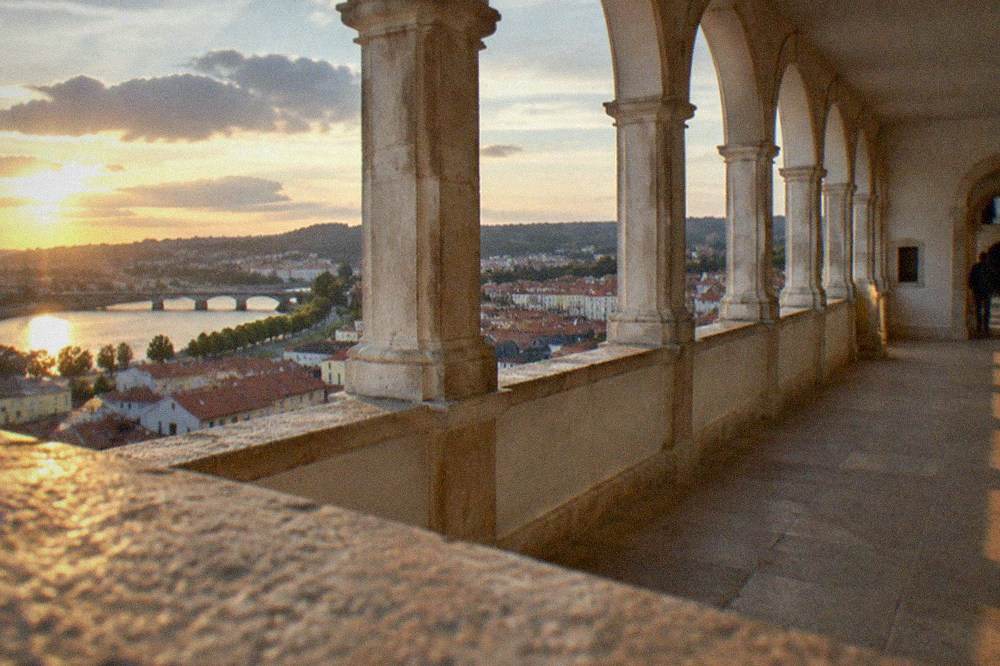
The museum is named after Joaquim Machado de Castro, the Coimbra-born sculptor who was one of Portugal's most important eighteenth-century artists. Its galleries held sculpture, painting, religious art and decorative work spanning many centuries, with particular strength in pieces from the region's monasteries and churches. The palace itself, with its loggia looking out over the city and the River Mondego below, was long considered one of the finest viewpoints in the Alta.
For now, the honest position is that the collection is inaccessible. The building is a construction site for conservation works, and the experience of walking from the Roman galleries up into the palace is paused. Nothing on this page should be read as a promise that any particular gallery or route will be available on a given date, because no official source currently says so.
What Can You See in Coimbra While the Museum Is Closed?
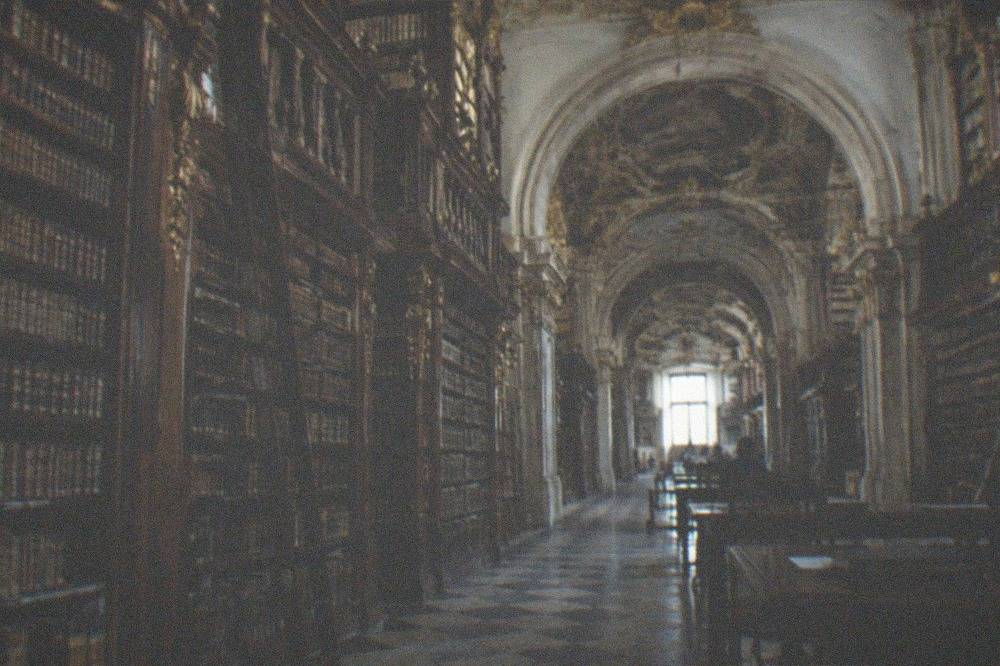
Most of Coimbra's headline sights are open and unaffected: the Sé Velha charges 3.00 EUR per person, Mosteiro de Santa Cruz charges 5.00 EUR, the University of Coimbra's combined ticket with the Joanina Library costs 16.50 EUR, and the Conímbriga Roman ruins 16 km south are open daily with a 10.00 EUR ticket covering museum and ruins. Only three named sites are shut, the Machado de Castro, the university clock tower and Santa Clara-a-Velha, so a full itinerary is still entirely buildable.
The old town around the museum's doorstep is dense with open sights, and the closure costs a visitor far less time than it first appears. The Sé Velha de Coimbra, the Romanesque old cathedral, is minutes away on the same hill, open on the parish's published hours with an individual ticket of 3.00 EUR and a group rate of 2.50 EUR for parties over ten. Mosteiro de Santa Cruz, the burial church of Portugal's first two kings, is down in the Baixa and charges 5.00 EUR for its visitable parts. The university's own circuit, including the Joanina Library, the Royal Palace and the Capela de São Miguel, runs on its published schedule with the 16.50 EUR combined ticket.
A guided walk is the most efficient way to cover this ground, and one of the best-value options in the city is the Coimbra Top Attractions Walking Tour, a two-and-a-half-hour tour from $5.85 per person, rated 5 from 151 reviews, which threads the open highlights together. Check availability if that shape of visit appeals, since the operator's live listing carries current dates and times.
The tour is not the only way to see the hill, but it is the one that costs least and covers most, and its reviews suggest guides who know which doors are open and which are not, which matters in a year when three of the city's monuments are shut. Booking it for a first morning also gives you a map of the city in your legs before you strike out on your own.
The Alta itself, the upper town where the museum stands, remains one of the great open-air sights of central Portugal. The UNESCO inscription of 2013, "University of Coimbra, Alta and Sofia", covers this hill and the college street below it, list reference 1387, and it is the university hill that is inscribed, not the whole city. You can read more about that distinction in the guide to the Alta upper town, and the university of Coimbra attraction page covers the Paço das Escolas circuit in detail.
| Coimbra site | Status in 2026 | Verified detail |
|---|---|---|
| Museu Nacional de Machado de Castro | Closed | Conservation work, no reopening date published |
| Torre da Universidade | Closed | The University's own page states the facility is closed |
| Mosteiro de Santa Clara-a-Velha | Closed for works | Requalification works from 20 October 2025, check before visiting |
| Sé Velha de Coimbra | Open | 3.00 EUR individual, 2.50 EUR for groups over 10 |
| Mosteiro de Santa Cruz | Open | 5.00 EUR individual, 3.50 EUR for groups of 12 or more |
| Biblioteca Joanina circuit | Open | 16.50 EUR combined ticket, timed entry, 50 people every 20 minutes |
| Conímbriga ruins and museum | Open daily | 10.00 EUR combined ticket, in Condeixa-a-Nova about 16 km south |
How Much do Coimbra's Other Museums and Monuments Cost?
Verified open-site prices in Coimbra run from 3.00 EUR at the Sé Velha to 16.50 EUR for the University of Coimbra's combined ticket with the Joanina Library, with Santa Cruz at 5.00 EUR, the university circuit without the Joanina at 12.50 EUR, and the Conímbriga museum and ruins at 10.00 EUR. No verified price exists for the Machado de Castro while it is closed, and the 10.00 EUR figure that circulates in press coverage is not on an official page.
These are the prices that a visitor can actually plan with, all read from the operating bodies' own pages. The university's ticketing, run through its visit site, is the most consequential, because the Joanina Library cannot be bought on its own and exists only inside the 16.50 EUR combined ticket. That ticket admits 50 people every 20 minutes, the time printed on it is the library slot specifically, and entry outside the printed slot is refused. The rest of the ticket's spaces are valid for two days.
| Site | Adult price | Notes from the operator's own page |
|---|---|---|
| Sé Velha de Coimbra | 3.00 EUR | Group rate 2.50 EUR per person for more than 10 visitors |
| Mosteiro de Santa Cruz | 5.00 EUR | Group rate 3.50 EUR per person for 12 or more |
| University + Joanina Library + Science Museum | 16.50 EUR | Timed Joanina slot, 50 people every 20 minutes, other spaces valid 2 days |
| University + Science Museum, no Joanina | 12.50 EUR | Same spaces minus the library, valid 2 days |
| Conímbriga museum and ruins | 10.00 EUR | One ticket covers both, open daily, ticket office closes 17:15 |
Two warnings about prices this site will not print. Portugal dos Pequenitos publishes hours on its own page, 10:00 to 19:00 from 1 March to 15 October and 10:00 to 17:00 in the cooler months, but its price page renders client-side and no euro figure could be verified from the served page, so the Portugal dos Pequenitos guide links the venue's own ticket page rather than quoting a number. And the reopened Machado de Castro price, whenever it comes, will be whatever the national museums body publishes on the day, not the figure in a newspaper article.
If your museum appetite is not satisfied by the open ecclesiastical sights, the university's science museum circuit is inside the same combined ticket and covers the Chemistry Laboratory, the Academic Museum, the Cabinet of Curiosities and the Mineral Gallery. The Cabinet of Curiosities closes for two days every three months for disinfestation, a detail the university publishes itself, so a small amount of circuit content can be unavailable even when everything is nominally open.
What Is the Roman Cryptoporticus Under the Museum?
The cryptoporticus beneath the Machado de Castro is a Roman gallery structure of the mid-1st century, built to support and level the hilltop platform of the Roman city of Aeminium, and it is confirmed on the national museums portal as part of the museum's visit route. It is one of the few places in Portugal where you can stand inside Roman engineering rather than look at it, and when the museum reopens it will again be the most direct Roman experience in the city of Coimbra itself.
Aeminium was the Roman town on this site, and the hill needed structural help to carry a forum-level platform on its crest. The cryptoporticus is the answer the Romans built: a half-buried network of arched stone corridors doing the work of a foundation while remaining usable as covered space. The national portal's own entry for the museum states the structure and its mid-1st-century dating plainly, which makes it one of the few claims about this building that needs no hedging. More of these guides are collected on Coimbra Travel Guide.
Until the museum reopens, the Roman experience in the region belongs to Conímbriga. Conímbriga was a Roman town in the parish of Condeixa-a-Velha, in the municipality of Condeixa-a-Nova, roughly 16 km south of Coimbra, and its ruins and national museum are open daily, 10:00 to 18:00, on a single 10.00 EUR ticket covering both. It is open seven days a week, which makes it the reliable Monday option when monuments that close on Mondays are shut. The Conímbriga Roman ruins guide covers it in full.
A guided option connects the two Roman stories neatly: Conimbriga and The Roman Tour runs four hours from $105.37 per person, rated 4.8 from 136 reviews, and pairs the ruins with Roman context in the region. The operator's live listing carries current departure days and availability for anyone weighing it against a self-driven visit.
Is the Machado de Castro Museum Worth Planning Around?
Only as a future visit, not a present one. The museum is closed with no published reopening date, so no itinerary should treat it as a walk-in sight, but the building's address on Largo Dr. José Rodrigues sits inside the Alta, one of the most walkable historic quarters in Portugal, and the hill it stands on rewards the walk regardless. The right plan is to build around the open sights and treat a reopened Machado de Castro as the reason to come back.
The practical advice is simple. Do not budget hours or euros for this museum on a 2026 trip. Do check the museum's own page in the week before you travel, because a phased reopening has been described in Portuguese press coverage as targeted after summer 2026, and an official announcement would appear on the portal first. And do not trust any listing that quotes hours for it, including the schedule printed below the closure line on the official page itself.
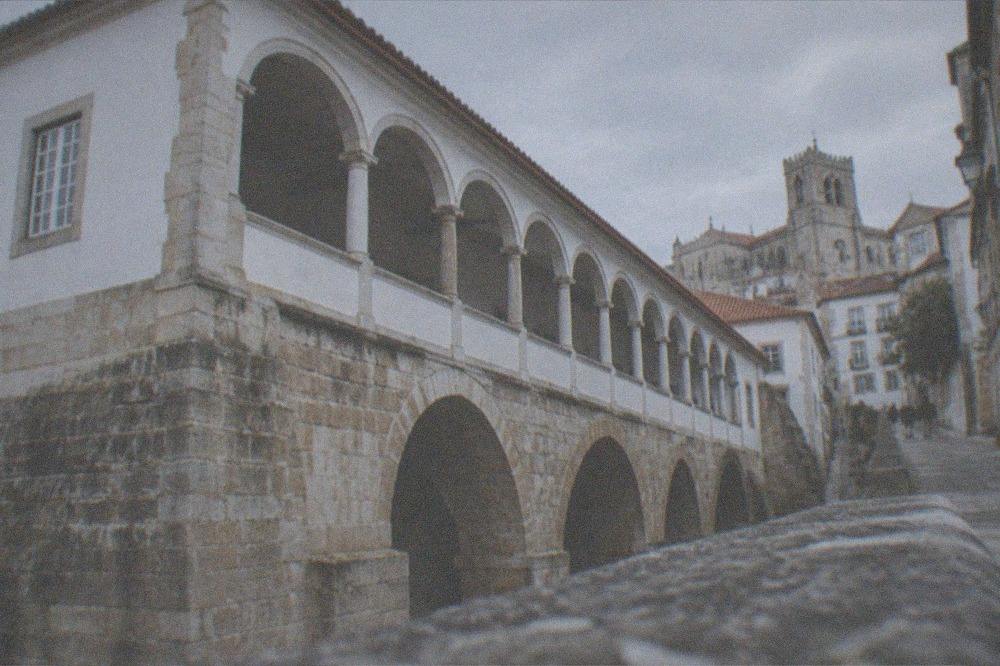
The hill itself loses nothing. The museum's square is a two-minute stroll from the Sé Velha, whose Romanesque bulk is the most photographed church in the city, and the walk down from there through the Arco de Almedina, the medieval gate into the old town, is the classic Coimbra descent. The Sé Velha guide and the Santa Cruz monastery guide cover the two open monuments nearest the museum's door.
| Nearby sight | What it is | Why it substitutes well |
|---|---|---|
| Sé Velha de Coimbra | Romanesque old cathedral, 3.00 EUR | Same hill, minutes away, open on parish hours |
| Paço das Escolas circuit | Royal Palace, Capela de São Miguel, Joanina Library | The other great hilltop complex, open daily on the university schedule |
| Mosteiro de Santa Cruz | Burial church of Portugal's first two kings, 5.00 EUR | The city's most historically loaded interior |
| Botanical Garden of the University | Planted hillside garden | Open on the university's seasonal schedule |
| Penedo da Saudade | Hillside garden quarter above the river | Free, open ground with city views |
When Is the Best Time to Visit Coimbra for Museums and Monuments?
The best months for museum-going in Coimbra are June and September, and September is the quieter of the two: IPMA's 1991 to 2020 normals for the Coimbra / Bencanta station show September with a mean maximum of 27.4 C, higher than June's 26.3 C, and only 49.9 mm of rain against October's 114.5 mm, meaning the summer weather holds after the summer crowds have gone. July is the driest month at 8.9 mm, and November is the wettest at 121.5 mm.
The table behind that answer is the city's own station, not a regional proxy: Coimbra / Bencanta, station 707, at 40.2134N 8.4552W, with the 1991 to 2020 normal published by IPMA. Two details from it are worth more than the headline. August, not July, is the hottest month, averaging 10.9 days above 30 C, so anyone sensitive to heat should not assume the school-holiday calendar tracks the temperature. And the autumn rain genuinely holds off until October, when the monthly total jumps from 49.9 mm to 114.5 mm, so late September is the sweet spot for long days of walking museums and hills.
| Month | Mean max C | Rain mm | Days with 1 mm+ rain |
|---|---|---|---|
| January | 15.0 | 113.5 | 11.3 |
| June | 26.3 | 26.0 | 3.7 |
| July | 28.5 | 8.9 | 1.7 |
| August | 29.1 | 14.8 | 2.2 |
| September | 27.4 | 49.9 | 5.2 |
| October | 23.2 | 114.5 | 10.3 |
| November | 18.0 | 121.5 | 11.5 |
The record extremes at the same station are 41.2 C on 7 August 2016 and -4.3 C on 20 January 2017, which bracket a wider range than most visitors expect from central Portugal. Winter visits are perfectly workable, with January mean maxima of 15 C, but the rain days stack up, over eleven a month in January, November and December, and that matters on a city built on hills. The best time to visit guide expands on this month by month.
One scheduling fact belongs in any museum planning: the University of Coimbra closes its visitor circuit on 24 May and on 4 October, and Mosteiro de Santa Cruz suspends visits on the Cortejo da Queima das Fitas, a moveable Sunday in the festival season. Those closures are published by the operators themselves, and they are the kind of date that turns a carefully planned museum day into a locked door.
How do You Get to the Machado de Castro Museum Site in Coimbra?
The museum's address is Largo Dr. José Rodrigues, 3000-236 Coimbra, at the top of the Alta, the upper town, reached on foot from the city centre by the same stepped and cobbled lanes that connect the Sé Velha and the university. Coimbra has two mainline stations, Coimbra-B and Coimbra-A, in different parts of the city, and CP, the national rail operator, is where to confirm which trains call where, because this site does not publish unverified stopping patterns.
The two stations are the classic trap for visitors, and the honest position is that the specifics of which services call at which station, and whether the short connecting shuttle between them is included in a long-distance ticket, are not published in a form this site can verify. What is certain is that the stations exist, that they are in different places, and that the national operator's own site is the authoritative answer. The train stations guide tradition on this site covers the practical detail elsewhere.
Within the city, SMTUC buses run on a tariff in force since 1 April 2026 that prices a driver-bought single at 2.00 EUR, with pre-purchased trips at 0.90 EUR each when bought in packs of three or more, and a single validation covering 90 minutes of transfers on the urban network. The same tariff sells titles valid on both the SMTUC and Metro Mondego networks, so a bus ticket works on the city's new BRT system as it opens in stages. The Alta is a hill, and the climb from the Baixa is steep, which is the real transport decision most visitors face.
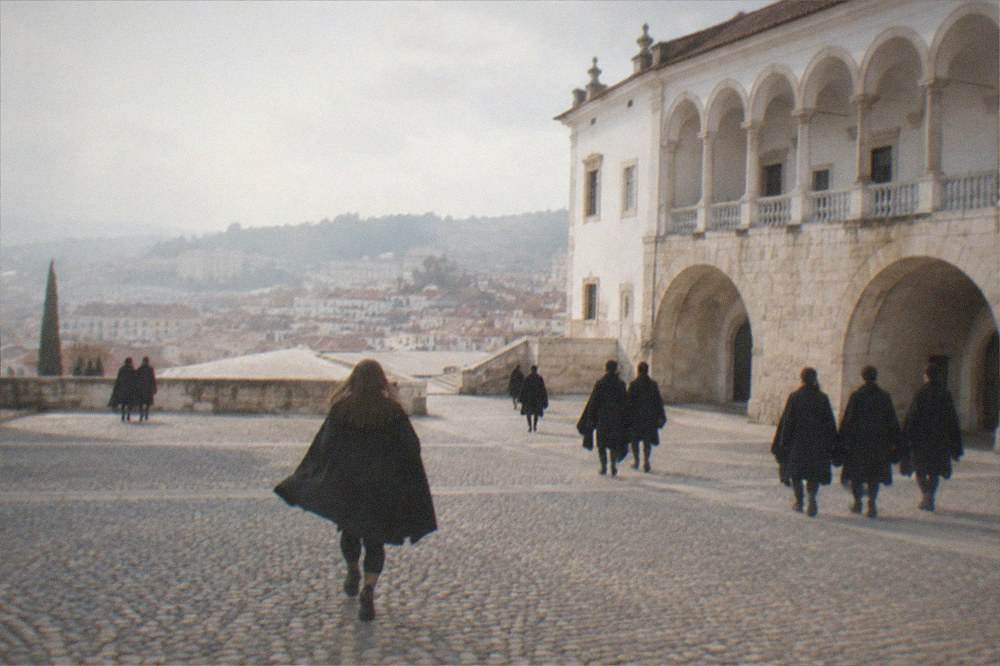
A different way to spend an evening slot, if the museum's closure has freed one up, is Coimbra's fado tradition, which is distinct from Lisbon's and sung in the dark academic cape. The live fado show with a glass of port wine runs about 50 minutes from $18 per person, rated 4.7 from 1,234 reviews, and the fado guide explains the local style before you book anything.
Common Questions About the Machado de Castro Museum
Is the Machado de Castro Museum in Coimbra open?
No. The museum is closed for conservation work, as stated on its own page on the national Museus e Monumentos portal, which carries the closure line twice. No reopening date is published, so check the museum's own page shortly before any visit.
What can I see under the Machado de Castro Museum?
A Roman cryptoporticus of the mid-1st century, a gallery structure built to support the hilltop of the Roman city of Aeminium. It is part of the museum's visit route when the building is open, confirmed on the national museums portal.
How much does the Machado de Castro Museum cost?
There is no current published price, because the museum is closed and its official page lists none. A 10.00 EUR figure circulates in dated Portuguese press coverage of a January 2025 increase, but it is not on an official page and should not be relied on for planning.
What is near the Machado de Castro Museum that is open?
The Sé Velha at 3.00 EUR, the university's Paço das Escolas circuit with the Joanina Library at 16.50 EUR combined, Mosteiro de Santa Cruz at 5.00 EUR, and the Botanical Garden, all within the same upper-town and downtown area. Conímbriga, the Roman ruins about 16 km south in Condeixa-a-Nova, is open daily at 10.00 EUR.
Will the museum reopen in 2026?
No official reopening date is published. Dated Portuguese press describes a phased reopening targeted after summer 2026, but a press target is not a date, and the museum's own page is the only place an announcement should be trusted.
Is Coimbra a UNESCO World Heritage city?
No, and this is the most common error in guides to the city. The 2013 UNESCO inscription, list reference 1387, covers "University of Coimbra, Alta and Sofia", two components in the old town: the university hill and the college street. The city as a whole is not inscribed.
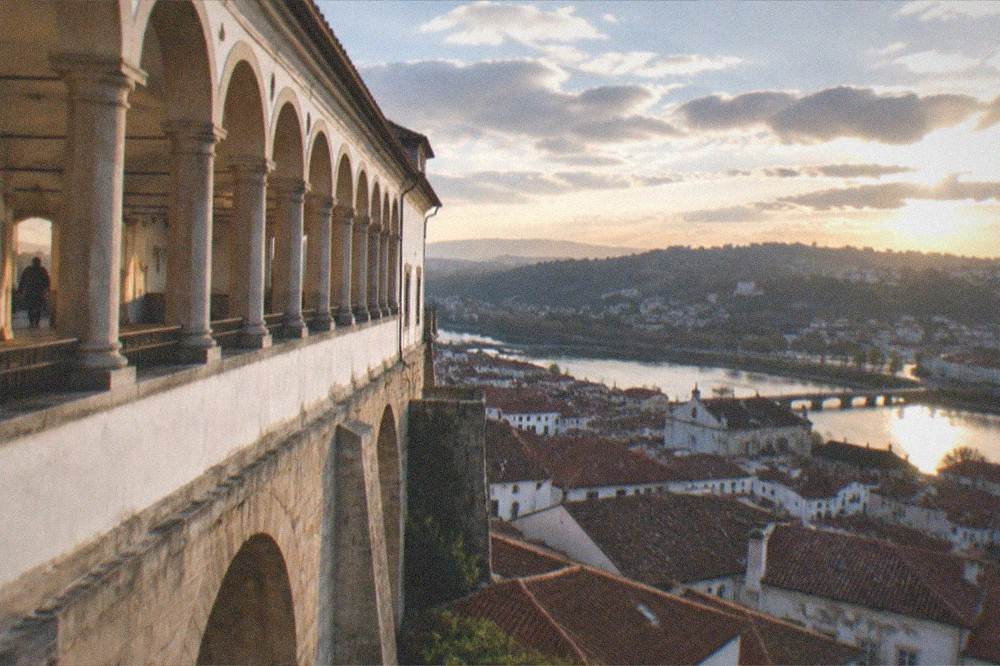
The short version of this whole page: the Machado de Castro is closed, the closure is official and open-ended, and Coimbra's hill above it is still one of the richest few square kilometres in Portugal. Plan around the open sights, keep an eye on the museum's own page for a reopening announcement, and treat the cryptoporticus as the appointment you have already made for your next trip.