Wine Tasting in and Around Coimbra, Portugal
Coimbra, Portugal, the university city on the River Mondego, sits on the edge of the Bairrada wine region, which means a tasting is never far away.
Short answer
The closest wine country to Coimbra is the Bairrada region, known for the Baga red grape and sparkling wines, and the city itself offers tastings, fado shows with port wine, and guided tours that pair the old town with the vineyards.
Coimbra, the university city on the River Mondego in central Portugal, keeps a fact that most visitors miss: it sits a short drive from one of the country's most distinctive wine regions. Bairrada, the land of the Baga grape, roast suckling pig and a long sparkling-wine tradition, wraps around the area south and west of the city, and the region's bottles appear on nearly every serious list in town. This guide covers what wine tasting around Coimbra actually involves: where the wine comes from, what you can do inside the city without a car, which guided tours make sense, and what a wine-focused day should cost. The Coimbra Travel Guide team writes from verified sources, not visits, and where a price or an opening time has not been confirmed, this page says so instead of guessing.
What Wine Region Is Closest to Coimbra?
The wine region on Coimbra's doorstep is Bairrada, a denomination known for reds made from the Baga grape and for one of Portugal's longest sparkling-wine traditions, and its name is the one to look for on labels and restaurant lists in the city. The region is closely tied to the roast suckling pig of the same area, leitão da Bairrada, which is the classic pairing for its reds. Coimbra sits at the northern edge of this wine country, which is why the city's restaurants and wine bars carry a deeper Bairrada selection than almost anywhere else in Portugal. The wider Centro region around the city also produces wine, but Bairrada is the name with the strongest local identity, and it is the practical answer for a visitor planning a tasting day.
The connection runs deeper than geography. The Bairrada route is one of the city's established day-trip themes, and the pairing of Baga with leitão is a regional institution rather than a tourist invention. This site keeps a full guide to the Bairrada wine route from Coimbra and a companion piece on leitão da Bairrada and where to eat it, and both go deeper than this page can.
What distinguishes Bairrada from the better-known Portuguese regions is the grape. Baga is a thick-skinned, late-ripening red variety that produces wines with deep colour, firm tannins and strong ageing potential in the traditional style. Modern producers tend toward riper, softer interpretations, so two Bairrada reds on the same list can taste quite different, which is exactly what makes a comparative tasting worthwhile. The region's sparkling wines, made by the traditional method, are the other signature, and they are often the most food-friendly thing on the card.
Can You Do a Wine Tasting in Coimbra Without a Car?
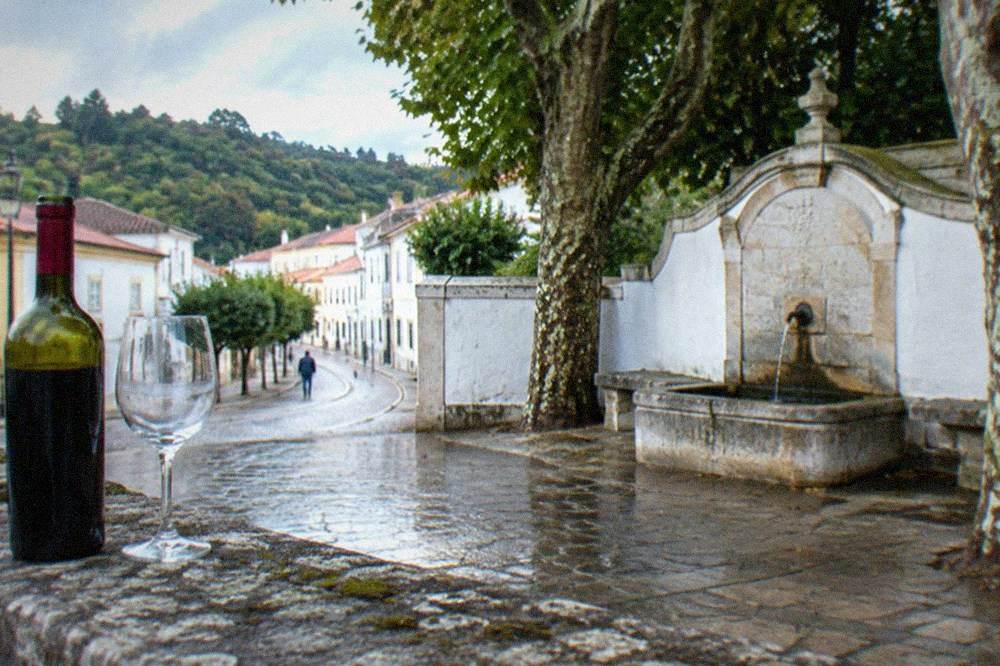
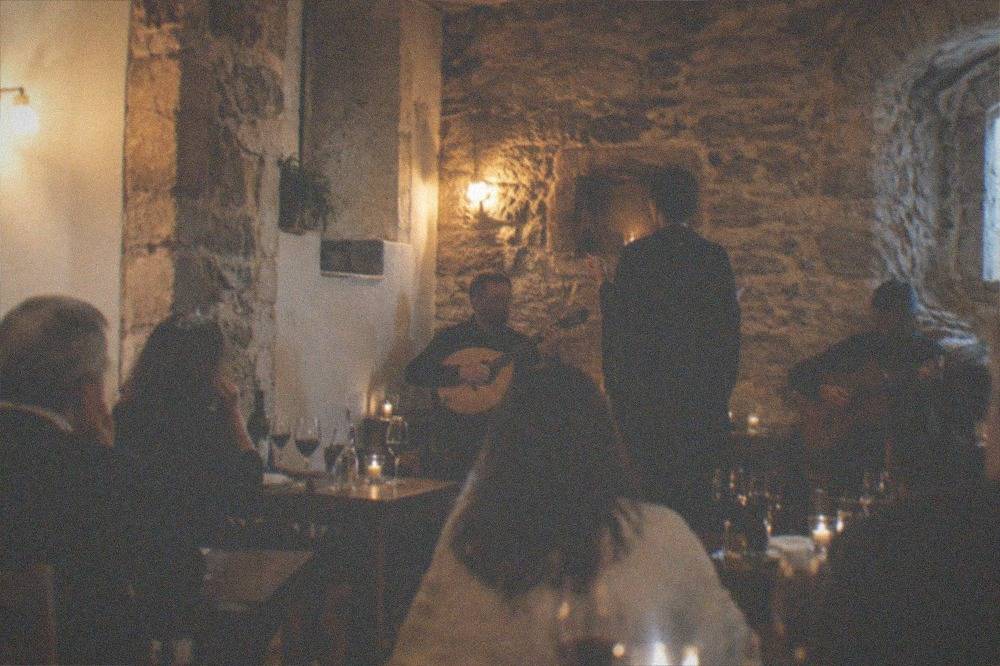
Yes, and the easiest option inside the city is the Coimbra live fado show with a glass of port wine, a 50-minute experience rated 4.7 from 1,234 reviews and priced from $18 per person, which pairs a tasting pour with the city's own musical tradition. Beyond that, the old town's wine bars and tavernas pour Bairrada by the glass as a matter of course, and no verified opening hours or price lists exist for any individual venue on this build, so this page describes the kinds of places rather than naming names with invented details. What is verifiable is the shape of the offer: a sit-down tasting with fado, informal glasses in the Baixa, and guided experiences that leave on foot from the centre.
The fado-and-port combination deserves the emphasis it gets. Coimbra fado is a distinct tradition from Lisbon fado, historically tied to the university's male students and their caped academic dress, and the show with a glass of port is the most structured way to taste something while it happens. This site's Coimbra fado guide and its companion on where to hear fado cover the music in full.
For travellers who want a walk rather than a seated show, the city's guided walks fold food and wine stops into broader sightseeing. Two stand out on price and rating:
| Experience | Kind | From (per person) | Rating | Duration |
|---|---|---|---|---|
| Live fado show with glass of port wine | Fado and tasting | $18 | 4.7 (1,234 reviews) | 50 minutes |
| Coimbra Top Attractions Walking Tour | Walking tour | $5.85 | 5 (151 reviews) | 2 hours 30 minutes |
| Adventure, Discovery & Learning with a Local | Guided walk | $40 | 4.9 (55 reviews) | 3 hours |
| Discovering the charms and places of Coimbra | City walk | $52.68 | 5 (79 reviews) | 3 to 4 hours |
The walking tours are not wine tours, but a local guide is the most reliable route to the tavernas the guidebooks miss, and the free GuruWalk options work the same way. GuruWalk walks are free or pay-what-you-want, and they are not this site's product: the Essential Free Tour of Coimbra History and Conflicts runs 2 hours 30 minutes and is rated 4.89 from 374 reviews, and the Coimbra tour of downtown, historic center, university and botanic garden is rated 4.91 from 662 reviews over 3 hours. Tip your guru; never expect a printed price.
Which Guided Tours Combine Wine with Coimbra Sightseeing?
The best-value structured option is Coimbra: Adventure, Discovery & Learning with a Local, a 3-hour guided experience rated 4.9 from 55 reviews and priced from $40 per person, which covers the city with a local guide and leaves the afternoon free for a tasting, while the full-day Schist Villages and Medieval Castles tour at from $128.78 adds lunch and a wider region. Neither is sold as a wine tour, and honesty requires saying so: the reliable wine-and-territory experiences from Coimbra are the day trips that pass through wine country with a meal included, and the tastings themselves happen in the city's bars, tavernas and fado houses. The combination that works is a guided morning in the old town followed by an evening pour with fado, or a full-day excursion with lunch built in.
The 3-hour local walk is the flexible piece. It covers the university hill, the Baixa and the riverside in one loop, and because it starts and ends in the centre, it slots in front of a dinner reservation or a fado show without transport friction. The full-day castles tour goes the other way: it spends around 4 hours 30 minutes in the schist-village country of the Serra da Lousã, includes lunch, and is rated 5 from 40 reviews, which makes it the strongest food-included day trip on the roster.
The reason this specific walk earns the recommendation is the guide-to-story ratio. A certified local who grew up with the city's academic traditions explains the taverna culture, the student songs and the wine list as one connected thing, which is a better use of three hours than splitting the day across a guidebook and a map. It also ends centrally, which matters when the evening plan is a fado house and a pour of Bairrada rather than a bus back to a hotel.
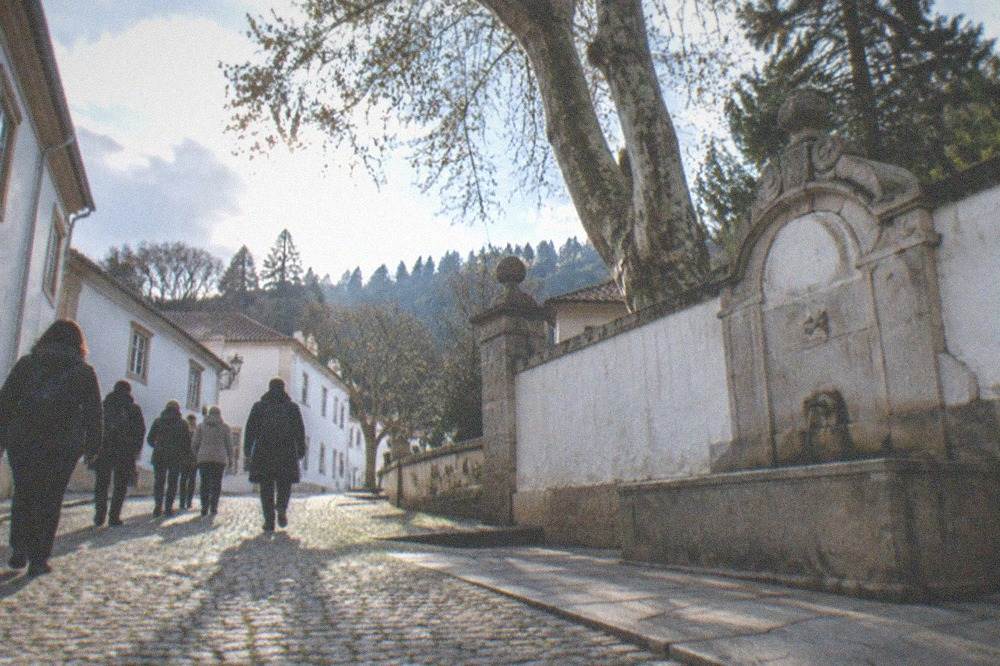
For visitors basing themselves in Porto or Lisbon rather than in Coimbra, the arithmetic changes. The full-day trip from Porto that combines Coimbra and Aveiro with a boat ride runs a full day from $114 per person and is rated 4.7 from 106 reviews, and the Fátima and Coimbra full-day tour from Porto runs 10 hours from $74. Both deliver Coimbra as a stop rather than a base, which limits the time for anything as unhurried as a tasting, but they do put a glass of something local within reach of a lunch stop. The site's Porto to Coimbra guide and Lisbon to Coimbra guide cover the routes in detail.
What Does Bairrada Wine Taste Like, and What Should You Eat with It?
Traditional Bairrada Baga is deep-coloured, tannic and built for food, with dark-fruit and earthy notes and a structure that softens with age, while the region's sparkling wines are dry, crisp and traditionally served alongside the area's roast suckling pig, leitão da Bairrada, the pairing the region is built on. The modern style is riper and rounder, so a tasting flight that spans both is the fastest way to understand the region's two personalities. The white and sparkling end of the spectrum is where Bairrada is most approachable to newcomers, and the sparkling bottlings are made by the same method as Champagne, with a second fermentation in the bottle.
The food side is not optional in this region. Leitão da Bairrada, the roast suckling pig with crisp skin carved into small pieces, is the dish Baga was historically poured against, and the fat and crackling soften the grape's tannins in a way that few other pairings manage. The region's other traditional dishes, including bacalhau preparations and the grilled fish of the nearby Atlantic edge of the district, lean toward the whites and sparklers. None of the restaurants in Coimbra or Bairrada had prices or hours verified on this build, so this page names no venue and prints no menu cost: choose a house that carves leitão to order and pours Bairrada by the glass, and check the room before you commit.
| Style | What it is | Typical character | Classic local pairing |
|---|---|---|---|
| Bairrada Baga (traditional) | Red from thick-skinned Baga, long ageing | Deep colour, firm tannins, dark fruit, earth | Leitão da Bairrada |
| Bairrada Baga (modern) | Riper, earlier-drinking red | Softer tannins, rounder fruit | Grilled meats, aged cheese |
| Bairrada sparkling (bruto) | Traditional-method sparkling | Dry, crisp, fine bubbles | Shellfish, bacalhau, appetisers |
| Regional whites | Still whites from the region | Fresh, light, citrus | Grilled fish, lighter dishes |
| Port and fortified | The classic tasting pour in the city | Sweet, rich, nutty | On its own, or with fado |
The port-and-fado pairing in the city is its own small tradition, and it belongs to Coimbra rather than Bairrada. A glass of port at a fado show is the standard evening format, and the best restaurants guide and the main restaurants guide cover where the city's food culture concentrates.
When Is the Best Month for a Wine Trip to Coimbra?
The best months for a wine-focused visit are May, June and September: IPMA's 1991 to 2020 normals for the Coimbra / Bencanta station show September with a mean maximum of 27.4 C, higher than June's 26.3 C, and only 49.9 mm of rain against October's 114.5 mm, so early autumn combines harvest-adjacent countryside with summer-grade weather and thinner crowds. July and August are hotter, with August averaging 10.9 days above 30 C at the same station, and while the city copes, a day rolling through wine country is more comfortable outside those peaks. The rain holds off until October, when the monthly total jumps from 49.9 mm to 114.5 mm, and November is the wettest month of the year at 121.5 mm.
| Month | Mean max (C) | Rain (mm) | Days with 1 mm+ rain | Verdict for a wine day |
|---|---|---|---|---|
| April | 20.5 | 84.6 | 10.6 | Mild, green, showery |
| May | 23.3 | 64.7 | 8.5 | Strong choice |
| June | 26.3 | 26.0 | 3.7 | Strong choice |
| July | 28.5 | 8.9 | 1.7 | Hot but dry |
| August | 29.1 | 14.8 | 2.2 | Hottest month |
| September | 27.4 | 49.9 | 5.2 | Best overall |
| October | 23.2 | 114.5 | 10.3 | Harvest colour, real rain |
The autumn detail most guides get wrong is September. It is both hotter and wetter than June, not drier, and the correct framing is that the serious rain arrives in October. The site's best time to visit guide and the weather guide carry the full monthly tables.
One scheduling note that is verified: the University closes its visitor circuit on 24 May, and Mosteiro de Santa Cruz suspends visits on the Cortejo da Queima das Fitas, a moveable Sunday, so a May visit that plans to combine the university's interior with wine country should check the Queima das Fitas guide first.
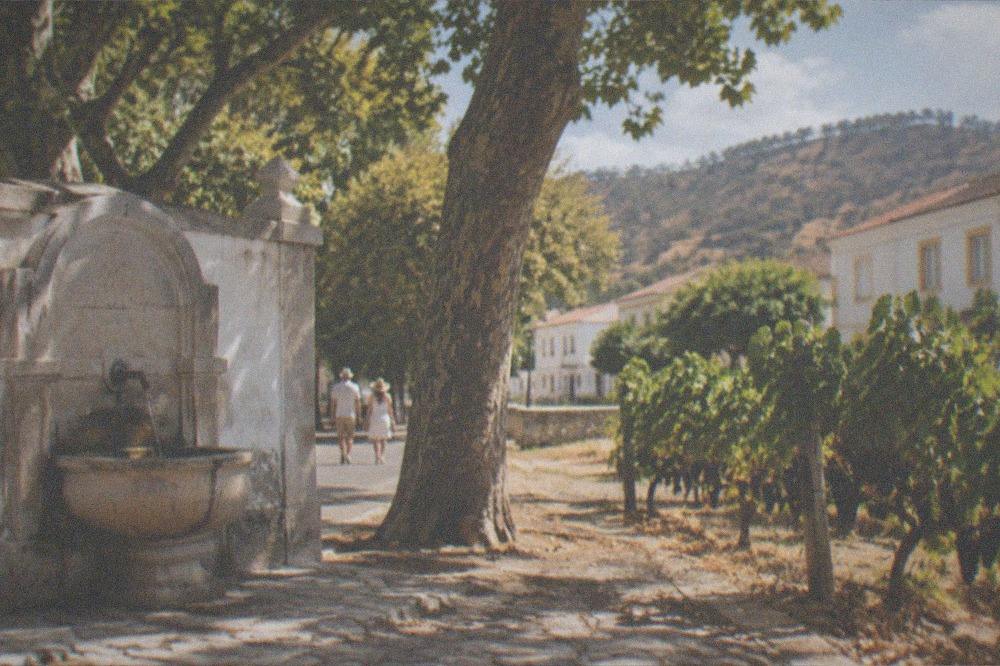
What Should You Expect to Pay for a Wine Day in Coimbra?
Plan around three cost layers: the city's guided experiences run from $5.85 for a walking tour to $40 for a local-guided 3-hour walk, the fado show with a glass of port is from $18 per person, and the full-day excursions with lunch included start at $128.78 per person, while Coimbra's tourist tax adds 1.00 EUR per guest per night, capped at three consecutive nights, from age 16, paid to the accommodation. The tax detail is verified from the municipality's own service page: a couple staying seven nights pays 3.00 EUR each, 6.00 EUR total, and the tax is charged all year with no low-season exclusion. A two-euro rate has been proposed by the municipal executive but is not the published rate, so budget one euro per night per adult.
No winery, wine bar or restaurant in Coimbra or Bairrada had its tasting fees, glass prices or opening hours verified on this build. The honest planning range for tastings in Portugal's regions is that a flight of two to four pours in a casual setting typically costs a few euros to around twenty, and a seated tasting at a producer with a tour of the cellar sits above that, but those are planning ranges, not promises: check the room, and check the producer's own listing before travelling.
| Cost item | Planning figure | Source status |
|---|---|---|
| Tourist tax | 1.00 EUR per guest per night, max 3 nights, age 16+ | Verified, municipal service page |
| City bus, ticket from driver | 2.00 EUR | Verified, 2026 SMTUC tariff |
| City bus, pre-purchased (3+ trips) | 0.90 EUR per trip | Verified, 2026 SMTUC tariff |
| Fado show with glass of port | From $18 per person | Tour listing |
| Local-guided 3-hour walk | From $40 per person | Tour listing |
| Full-day excursion with lunch | From $128.78 per person | Tour listing |
| Winery tasting fees | A few euros to around twenty for a casual flight | Planning range, check the room |
How do You Plan a Wine Day from Coimbra?
A reliable plan is a guided morning in the old town, a leitão-and-Baga lunch in the city or Bairrada country, and a fado show with a glass of port in the evening, with the full-day Schist Villages and Medieval Castles tour, from $128.78 per person, rated 5 from 40 reviews, as the one-booking version of the whole idea. The logic is transport: Coimbra's old town is walkable and steep, the city buses take SMTUC tickets at 2.00 EUR from the driver or 0.90 EUR pre-purchased, and the day trips into the surrounding hills leave the driving to an operator. Anyone considering self-driving should read the site's car rental guide first, and anyone arriving by rail should note that the city has two stations with confusingly similar names, covered in the train stations guide.
The full-day option earns its place honestly. It runs about 4 hours 30 minutes into the schist-village country of the Serra da Lousã, includes lunch, and passes through the kind of territory where regional wine appears on the table without being the advertised point of the trip. For a visitor with one full day and no car, it converts the wine day from a city-only experience into a country one.
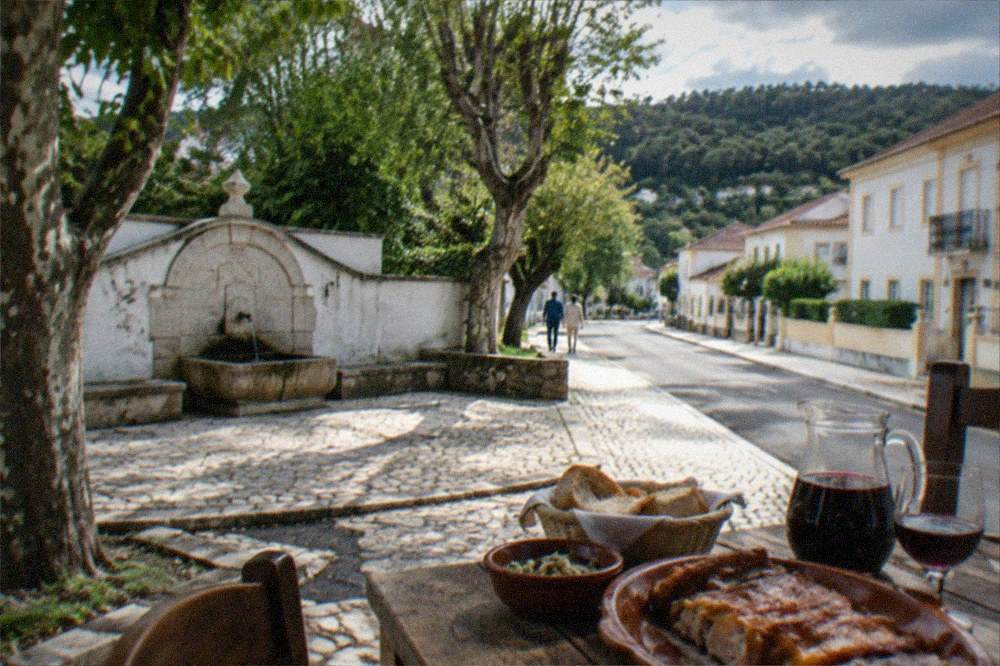
For two or three days, the sequence that works is: day one for the university hill and the old town with a local guide, day two for the Bairrada and leitão country or the schist villages, and an evening fado show slotted onto whichever night has the most energy left. The site's one-day itinerary page does the hour-by-hour planning, and the things to do in Coimbra page keeps the full menu of options in one place.
Common Questions About Wine Tasting in Coimbra
Can you do wine tasting in Coimbra itself?
Yes. The city's wine bars and tavernas pour Bairrada by the glass, and the most structured in-city option is the live fado show with a glass of port wine, a 50-minute experience from $18 per person rated 4.7 from 1,234 reviews. No individual venue's hours or prices were verified on this build, so check the room before you commit.
What wine region is nearest to Coimbra?
Bairrada, the denomination built on the Baga red grape and a long sparkling-wine tradition, with leitão da Bairrada, roast suckling pig, as its classic pairing. The region lies around the area south and west of the city, and its bottles dominate serious lists in town.
Do you need a car for a wine day from Coimbra?
No. The city's tastings, fado houses and tavernas are walkable, the SMTUC buses take a 2.00 EUR on-board ticket, and the full-day excursions with lunch included, from $128.78 per person, handle the driving into the surrounding hills.
What does Baga taste like?
In the traditional style it is deep-coloured and firmly tannic with dark fruit and earthy notes, built for food and long ageing. Modern versions are riper and softer, so a flight spanning both styles is the fastest way to understand the region.
When is the best month for a wine trip to Coimbra?
September. IPMA's 1991 to 2020 normals for the Coimbra / Bencanta station give it a mean maximum of 27.4 C, higher than June, with 49.9 mm of rain before the autumn totals jump to 114.5 mm in October. May and June are the other strong choices.
Where is the best wine tasting in Portugal?
That depends on the region you want: Bairrada for Baga and sparkling wine, the Douro for port and table reds, and the Alentejo for ripe, generous bottles. This site's answer page on where the best wine tasting in Portugal is compares the options, and Coimbra's case is that Bairrada sits on its doorstep.
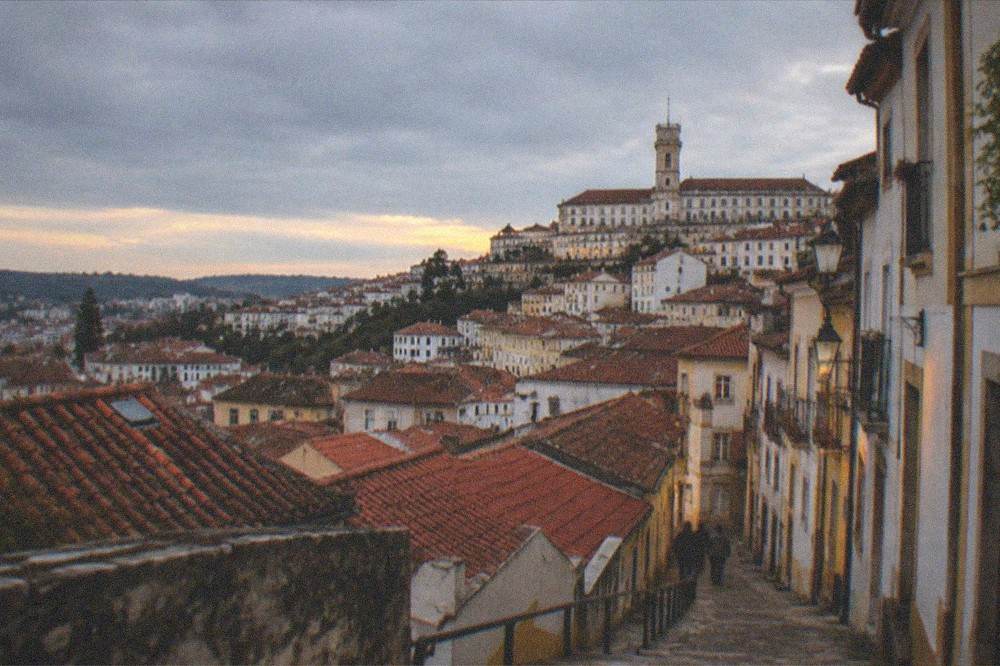
The short version of all of this: base yourself in Coimbra, taste Bairrada in the city, let a local guide open the old town, and spend one day out in the hills where the wine and the leitão come from. A glass at a fado show in the evening is the city's own tasting format, and it needs nothing but a reservation and an evening you are willing to give up to the music.