Getting Around Coimbra
Coimbra, Portugal, the university city on the River Mondego, is compact, hilly and mostly walkable, but its bus network, its two confusingly named train stations and a new Metro Mondego network all reward a little planning.

Short answer
Most of Coimbra, Portugal is best explored on foot, with SMTUC buses at 2.00 EUR from the driver or 0.90 EUR per pre-purchased trip covering the hills, and your SMTUC ticket also valid on the new Metro Mondego network.
Coimbra, Portugal, the university city on the River Mondego, packs most of what visitors come to see into a hill, a riverside and a compact downtown, which makes it one of the easier Portuguese cities to move around without a car. The catch is the terrain: the Alta upper town climbs steeply from the Baixa, and the city's two train stations, Coimbra-B and Coimbra-A, sit in different places with confusingly similar names. This guide sets out what is verified: the SMTUC bus fares from the operator's current tariff, the fact that the same tickets work on the new Metro Mondego network, and where walking beats every other option.
What Are the Best Ways of Getting Around Coimbra, Portugal?
On foot for the old town, SMTUC buses for everything else, and the train for arriving and leaving: that is the honest hierarchy for getting around Coimbra, Portugal. The historic core, from the Paço das Escolas down through the Arco de Almedina to the Baixa, is a walking district where buses cannot usefully go, while the wider city relies on the SMTUC urban network, whose tickets also work on the new Metro Mondego network. A car helps mainly for day trips, not for the city itself.
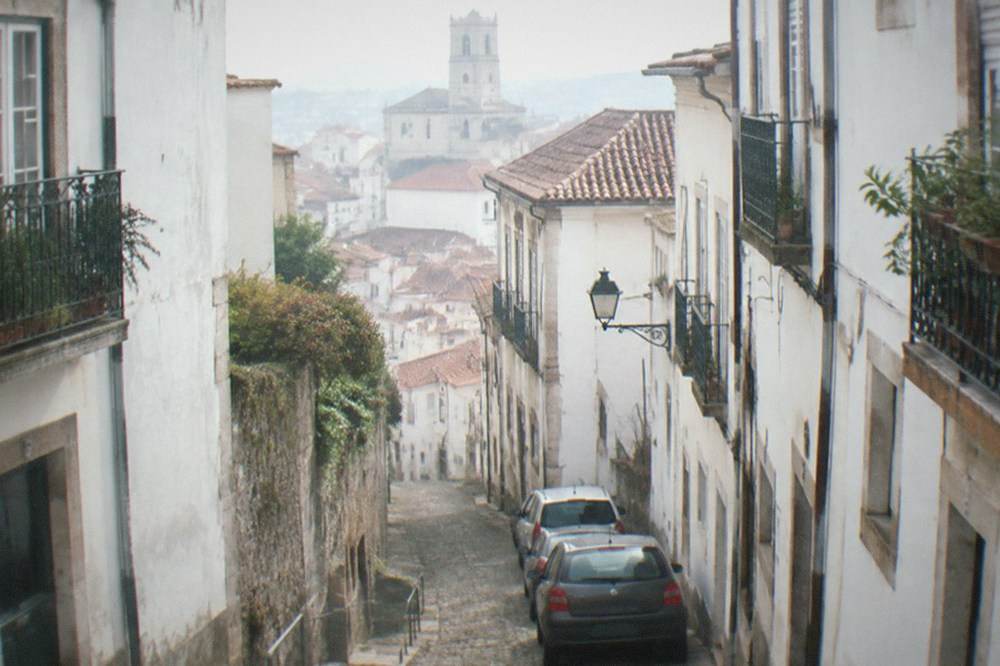
The city's shape dictates the answer. Coimbra is built on a slope that runs from the university hill down to the river, then up again on the south bank toward Santa Clara. The streets of the old town are narrow, stepped in places and largely pre-automotive, so the practical walking route from the river to the Paço das Escolas is a real climb, and the descent back down is the easy direction.
For planning the overall shape of a visit, the Coimbra map and neighbourhoods guide pairs well with this page, and the question of where to stay in Coimbra matters more for transport here than in a flat city, because a hotel at the bottom of the hill puts a different daily route in front of you than one at the top.

Do You Even Need a Car in Coimbra?
No, a car is a liability for the city itself and only earns its keep for day trips: Coimbra's old town is closed to convenient driving, parking is a separate problem from traffic, and the SMTUC network plus the two train stations cover nearly every need within the municipality. The one honest case for a car is a self-drive circuit of the schist villages, Buçaco or the Bairrada wine route, none of which this site's verified sources price as bus journeys.
That is not a reflexive anti-car position, it is a description of the streets. The upper town's lanes were laid out centuries before the automobile and the municipality treats them accordingly. Anyone weighing the option should read the car rental in Coimbra guide, which covers the practicalities, and anyone arriving by rail should start from how to get from Porto to Coimbra or Lisbon to Coimbra before deciding whether to drive at all.
The alternative to driving yourself is letting someone else do it. A guided walk removes the one genuine difficulty of Coimbra transport, which is not distance but orientation on a hillside of lanes.
A three-to-four-hour guided walk such as the Discovering the charms and places of Coimbra tour, from $52.68 per person and rated 5 from 79 reviews on the operator's live listing, covers the city end to end with a guide who knows which lanes actually connect, which is knowledge that takes visitors several days to assemble on their own. Check availability
How do SMTUC City Buses and Fares Work in Coimbra?
SMTUC is Coimbra's municipal bus operator, and its current tariff, in force since 1 April 2026, charges 2.00 EUR for a single ticket bought from the driver on board, or 0.90 EUR per trip when tickets are pre-purchased in books of three or more. One trip is valid 90 minutes on the urban network, with all transfers included within that window, and the same titles are also valid on the Metro Mondego network.
Those figures come from the operator's own tariff document, and the difference between them is the single most useful thing to know: buying on board costs more than double the pre-purchased rate, so a visitor making several journeys is paying a premium for spontaneity.
| SMTUC ticket type | Price | Notes |
|---|---|---|
| Single, bought from the driver on board | 2.00 EUR | The convenience option |
| Pre-purchased, books of 3 or more trips | 0.90 EUR per trip | Cheapest per-ride option |
| Validity of one trip | 90 minutes urban (90/120/150 by ring) | Transfers included |
| MOVE-C support card | 3.00 EUR youth, 6.00 EUR others | Reusable card cost |
| Viagem ConVIDA support card | 0.50 EUR | For occasional and pre-purchased tickets |
| Large-family 1-day ticket | 1.00 EUR | Covers 7 trips |
| Fare evasion fine | 120.00 to 350.00 EUR | Enforced |
Day passes exist in one-day, three-day and seven-day forms, but the tariff PDF presents them in a three-column grid whose row-to-price mapping was inferred from column order rather than read, so this site publishes no number for them. The operator's own site is where the current figures live. The same caution applies to the Elevador do Mercado, the funicular that links the Baixa with the upper town: it is real, it appears in the tariff under a combined-pass line, but its standalone single-ride price is not published, so check at the machine.
The 90-minute transfer window deserves emphasis. One validation covers a journey that changes buses, which in a city of Coimbra's shape means a riverside-to-hilltop trip can often be done on a single ticket.

What Is Metro Mondego and Does Your Bus Ticket Work on It?
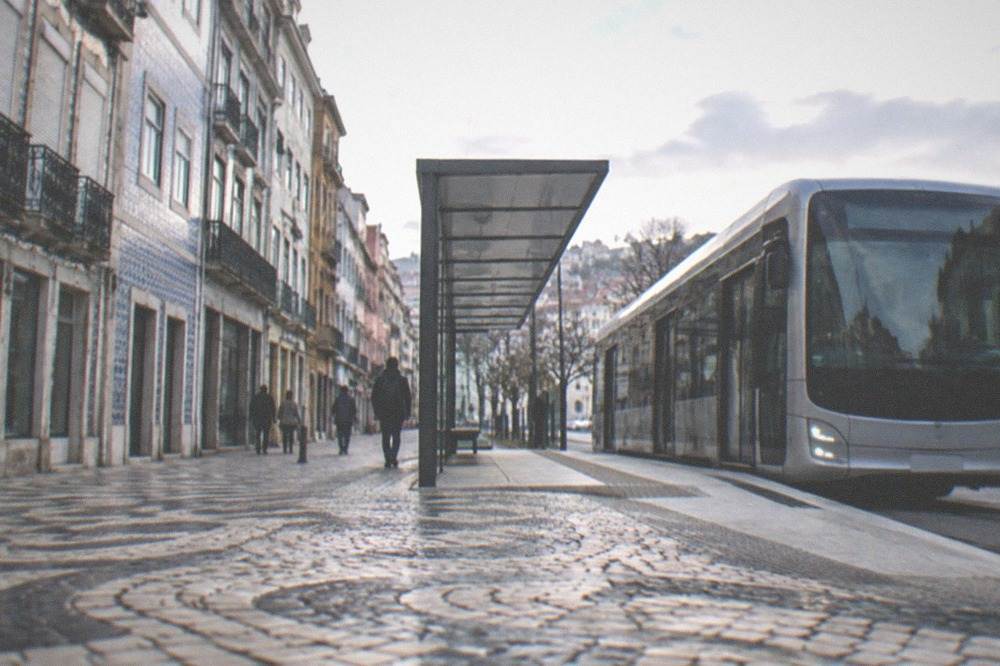
Metro Mondego is a new bus rapid transit network opening in stages around Coimbra, and yes, your SMTUC ticket works on it: the current tariff is explicitly headed "Títulos de Transporte Intermodais - Utilização SMTUC e Metro Mondego" and marks its titles valid on both networks, so a pre-purchased SMTUC trip is also a Metro Mondego trip. What is not yet publishable is the route map, station list or opening dates, because the operator's own site refused this site's verification pass.
That intermodal heading is the verified core of the story, and it is genuinely useful: a visitor holding a valid SMTUC title does not need to work out which of the two networks a given stop belongs to, because the ticket covers both. Dated Portuguese press describes a staged opening, with an initial urban segment running from August 2025 and extensions reaching Coimbra-B station and Praça da República in late summer 2026, but those reports are press, not the operator, so this page reports the ticket validity and leaves the line-by-line detail to the operator's own channels.
For visitors the practical effect is simple. The network's newest stops include the areas around the main train station and the central square, which are exactly the two places a visitor with luggage is heading, and the fare you already hold covers them.
Coimbra-B or Coimbra-A: Which Train Station Should You Use?
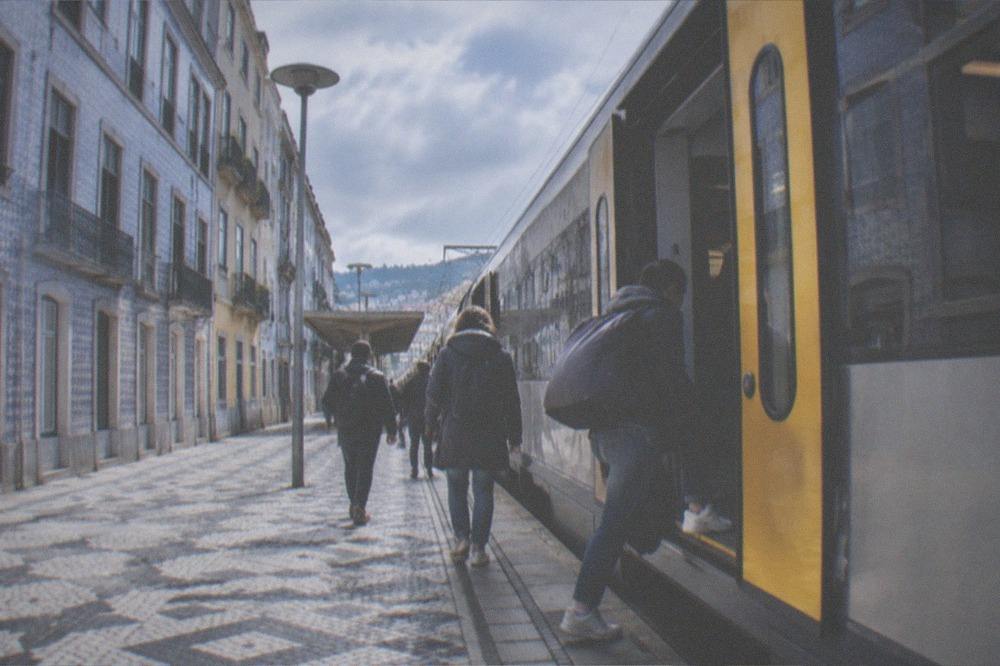
Coimbra has two stations, Coimbra-B and Coimbra-A, they are in different parts of the city, and CP, the national operator, is where to check which trains call at which. This site's verification pass could not confirm the stopping patterns on cp.pt, so it publishes no list of which services call where and no claim about free transfers between them. What is certain is that the names differ by one letter and the locations differ considerably.
The single letter is the whole problem. A traveller booking a ticket to "Coimbra" can reasonably end up at either station and assume the other is next door. It is not. The full breakdown, including how the two stations relate to the old town and to each other, is in the dedicated Coimbra train stations A and B guide, which is the page to read before booking anything.
What can be said here without a source risk: CP's passenger site is the authority on stopping patterns, and it is the one place to confirm whether a given Alfa Pendular or Intercidades service calls at the city-centre station or the outer one. The Metro Mondego extensions described above now reach Coimbra-B, and SMTUC buses serve the station area, so arriving at either leaves you with options, but the options differ and CP is where the difference is settled. The rest of the planning pages sit on Coimbra Travel Guide.
How Walkable Is Coimbra's Old Town, Really?
Walkable, yes, but with a caveat that matters: Coimbra's old town is walkable in the way a hillside is walkable, meaning the route from the River Mondego up to the Paço das Escolas is a sustained climb on cobbled and partly stepped streets, while the descent back is quick and easy. The horizontal distances are short, a few minutes covers most pairs of major monuments, but the vertical dimension is what decides whether a day feels long.
The honest planning move is to walk uphill once and downhill once, and to let the bus carry anything else. The Sé Velha, the Arco de Almedina and the university gate sit along one continuous ascent, so a single upward walk strings the main monuments together in order, and the return to the Baixa is a gentle stroll back down the same axis. Attempting the circuit in the other direction, down first and up last, puts the climb at the end of the day when it is least welcome.
For visitors who would rather not solve the hill at all, a walking tour is the efficient answer. The Coimbra Top Attractions Walking Tour, from $5.85 per person and rated 5 from 151 reviews on the operator's live listing, spends two and a half hours on exactly this terrain with the pacing already solved.
One further note on timing: the University closes its visitor circuit on 24 May each year for the Queima das Fitas period, and Mosteiro de Santa Cruz suspends visits on the Cortejo day, a moveable Sunday, so a walking plan that assumes every monument is open should be checked against the Queima das Fitas guide if the visit falls in May.
| Getting around Coimbra by mode | Best for | Verified cost | Watch out for |
|---|---|---|---|
| On foot | The old town, riverside, Baixa | Free | Sustained climbs between river and hill |
| SMTUC bus | Cross-city trips, station links | 2.00 EUR on board, 0.90 EUR pre-purchased | On-board premium is more than double |
| Metro Mondego | New BRT stops, station and centre | Covered by your SMTUC title | Route map not yet publishable here |
| Elevador do Mercado | The Baixa-to-upper-town shortcut | Standalone price unpublished | Check at the machine |
| Guided walking tour | First-day orientation | From $5.85 on the listing | Book ahead in peak season |

What About Crossing the River and the Santa Clara Side?
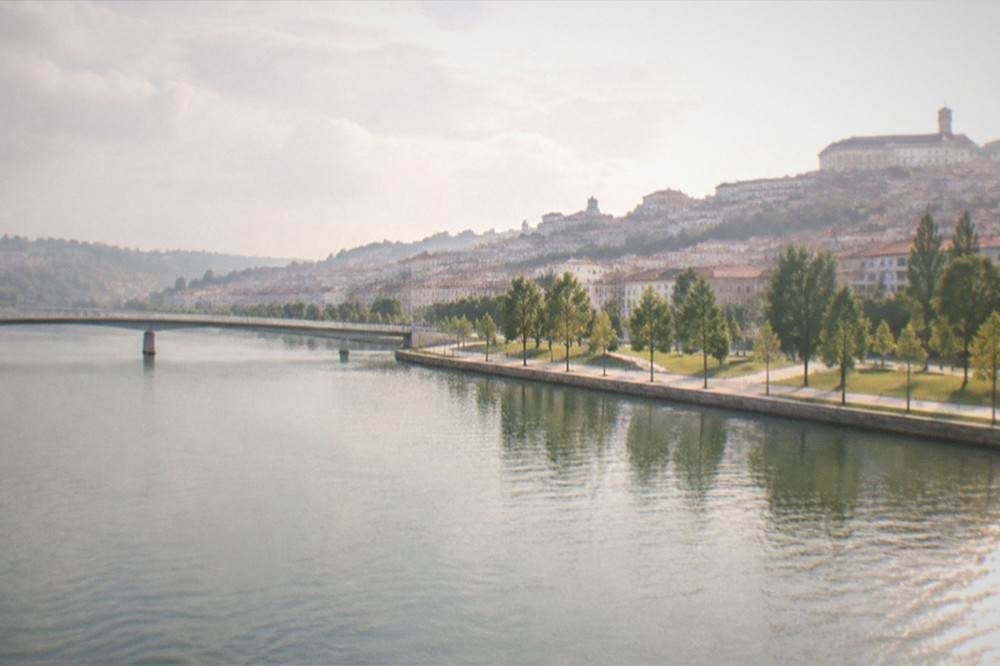
The River Mondego is Coimbra's other transport boundary, and the south bank, the Santa Clara district, is reached by bridge on foot or by bus, with the Parque Verde do Mondego running along the water once you are across. Mosteiro de Santa Clara-a-Velha on that side has been closed for requalification works since October 2025, so check its status before planning a visit around it.
The river is flat where it passes the city, which makes the south bank the one part of central Coimbra without hills, and the park along it the natural easy-walk option on a hot afternoon. IPMA's 1991 to 2020 normals for the Coimbra / Bencanta station show August as the hottest month, averaging 10.9 days above 30 C, so a riverside walk in shade beats a hillside climb in that part of the year. September, at a mean maximum of 27.4 C and only 49.9 mm of rain, is the quieter and nearly as warm alternative, and the best time to visit Coimbra guide works through the whole table.
The closure note matters for planning. Santa Clara-a-Velha's temporary closure has no confirmed reopening, and this site publishes no price or hours for it while that stands. The park itself, the modern bridge crossings and the riverside paths are all unaffected.
How do You Get from Coimbra to the Day-Trip Region?
By guided tour, by train or by car, in that order of convenience: Coimbra sits at the centre of a day-trip region that includes Conímbriga's Roman ruins about 16 km south in Condeixa-a-Velha, the schist villages of the Lousã mountain, the Buçaco forest and Tomar. A car reaches all of them, but the guided options handle the driving, the timing and the parking in one price.
The Conímbriga museum and ruins charge a combined adult ticket of 10.00 EUR and open daily 10:00 to 18:00.
The day-trip layer is where Coimbra transport stops being a walking problem and becomes a logistics one, and the wider Coimbra travel guide covers the full menu of destinations. For visitors basing themselves in Porto rather than Coimbra, the full-day trip to Coimbra and Aveiro with boat ride, from $114 per person and rated 4.7 from 106 reviews on the operator's live listing, folds the city into a coastal itinerary without any of the transport decisions.
| Day trip from Coimbra | Kind of trip | From (per person) | Rating on the listing |
|---|---|---|---|
| Conimbriga and The Roman Tour | Roman ruins, 4 hours | $105.37 | 4.8 from 136 reviews |
| Schist Villages at Lousa Mountain | Mountain villages, 4 hours | $105.37 | 4.9 from 133 reviews |
| An adventure through the Forest and Palace of Bussaco | Forest and palace, 4 hours | $87.81 | 5 from 50 reviews |
| Time travel at the Convent of Christ Tomar | Templar convent, 1 to 3 hours | $46.83 | 5 from 80 reviews |
| Fátima Private Tour: Shrine, Sacred Way & Shepherds' Hometown | Shrine and shepherds, 3 hours | $129.95 | 4.9 from 55 reviews |
The one detail worth repeating from the tariff, because it applies to every option above: the SMTUC title you buy for the city also carries you on the Metro Mondego network, so the arrival journey from the station and the day's movements inside the city can run on the same ticket. Pre-purchase it, at 0.90 EUR a trip against 2.00 EUR on board, and the hills of Coimbra, Portugal become the only part of getting around that costs any effort at all.
Common Questions About Getting Around Coimbra
How much is a bus ticket in Coimbra?
A single SMTUC ticket bought from the driver on board costs 2.00 EUR under the current tariff. Pre-purchased tickets, in books of three or more, cost 0.90 EUR per trip. One trip is valid 90 minutes on the urban network with transfers included.
Does the Coimbra bus ticket work on Metro Mondego?
Yes. The SMTUC tariff is explicitly headed as intermodal titles for use on both the SMTUC and Metro Mondego networks, and marks its tickets valid on both.
What is the difference between Coimbra-A and Coimbra-B train stations?
They are two separate stations in different parts of the city with similar names. Which trains call at which is a question for CP, the national operator, and this site publishes no stopping pattern because it could not verify one on cp.pt.
Is Coimbra walkable?
Yes, the old town is compact and best seen on foot, but it is built on a hillside, so the route from the river up to the university is a sustained climb. Walk up once, come down once, and use the bus or the Elevador do Mercado for anything in between.
Do I need a car in Coimbra?
Not for the city itself. A car is useful for day trips to Conímbriga, the schist villages or the Bairrada wine route, but inside Coimbra the walking streets and the SMTUC network cover nearly everything.
How much is the Elevador do Mercado?
Its standalone single-ride price is not published in the tariff, where it appears only inside a combined-pass line, so check at the machine rather than trusting a figure quoted elsewhere.