Is the University of Coimbra a Good University?
An honest assessment of the University of Coimbra in Portugal: its published scale, its UNESCO-listed hill, and what it is actually like to study at or visit.
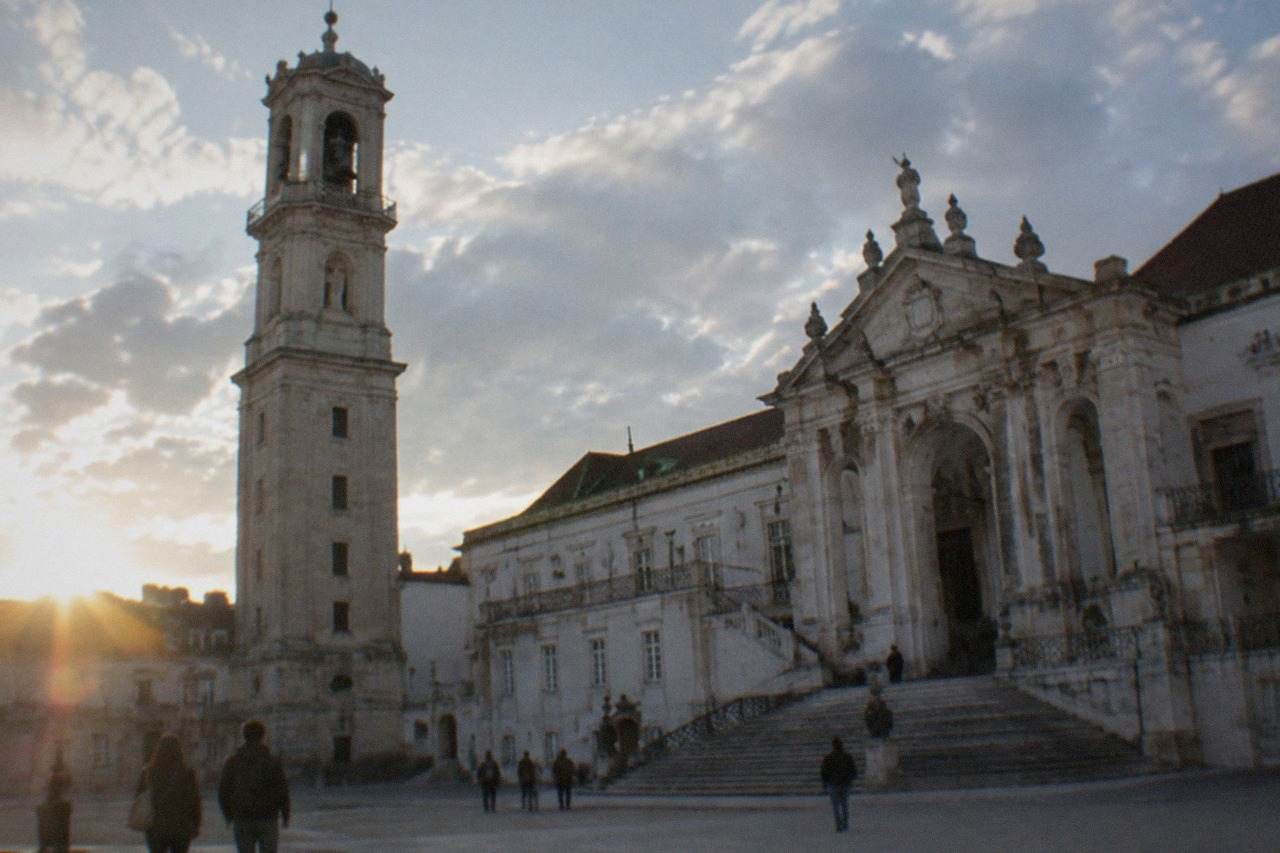
Coimbra, Portugal, the university city on the River Mondego, is defined by one institution to a degree few European cities are. The University of Coimbra sits on the Alta, the high ground above the old town, and its buildings, its students in black capes and its fado tradition shape almost everything a visitor experiences here. The question of whether it is a good university has two honest answers, and they are different: judged as a place to study, and judged as a place to visit. This page, from the Coimbra Travel Guide editorial desk, works through both using what the University and the official record actually publish, rather than reputation or folklore.
Is the University of Coimbra a Good University?
Yes, by the measures that can actually be checked: the University of Coimbra is a large, long-established Portuguese university with about 31,000 students, 434 courses, 1,935 professors and 378 researchers, and its historic core is inscribed on the UNESCO World Heritage list as "University of Coimbra, Alta and Sofia". It is one of the most significant universities in the Portuguese-speaking world and the institution around which the entire city is built.
Those numbers come from the University's own homepage, published under "The University in Numbers". The page does not state which academic year they cover, so they should be read as the University's current published figures rather than a pinned annual count. The same block lists 4 campuses, 22 libraries, 2 museums, 1 botanic garden and 13 residences, which gives a sense of the institution's physical footprint in and around the city.
What the published record does not do is rank the University against others. No verified league-table position for Coimbra appears in this site's research, and no figure for any other Portuguese university does either. So the honest framing is this: the University is demonstrably large, demonstrably historic and demonstrably central to the identity of its city, and questions like is Coimbra a prestigious university deserve their own careful answers rather than a confident number invented here.
How Strong Is the University of Coimbra Academically?
Academic strength is best measured here by scale and structure rather than by unverifiable rankings: the University's own published figures list about 31,000 students across 434 courses, taught by 1,935 professors with 378 researchers and 1,537 technical staff, spread over 4 campuses with 22 libraries. That is a full-spectrum university by any national standard, and the city's whole economy and culture orbit it.
A university of that size in a city of Coimbra's scale means students are not a minority presence. They are the dominant fact of the place. The municipality's own figures, published on coimbra.pt on 21 July 2026 in the economic justification for its tourist-tax proposal, record 698,151 overnight stays in Coimbra in 2025 and estimate the annual municipal cost of tourism at 2.44 million EUR, or 3.49 EUR per overnight stay. Tourism matters here, but the University is the reason the city looks and sounds the way it does.
| Published figure | Value | Source |
|---|---|---|
| Students | 31,256 (about 31,000) | University homepage |
| Courses | 434 | University homepage |
| Professors | 1,935 | University homepage |
| Researchers | 378 | University homepage |
| Technical staff | 1,537 | University homepage |
| Campuses | 4 | University homepage |
| Libraries | 22 | University homepage |
| Museums | 2 | University homepage |
| Botanic garden | 1 | University homepage |
| Residences | 13 | University homepage |
One caveat worth stating plainly: the University's published international student count is not verified in this site's research, and a figure of 5,744 foreign-nationality students circulates without an official page behind it. Do not treat that number as settled. What is settled is that a student body of roughly 31,000 in a city this size produces the visible student culture, the Repúblicas, the capes, the fado sung by students, that visitors come to see. For the age question, see is Coimbra the oldest university in the world.
Why Is the University of Coimbra UNESCO-Listed?
UNESCO inscribed "University of Coimbra, Alta and Sofia" on the World Heritage list in 2013 under criteria (ii), (iv) and (vi), list reference 1387. The property is two components inside the old town: the Alta, the university hill with the Royal Palace of Alcáçova, St Michael's Chapel and the Joanine Library, and Sofia, the college street below. The city as a whole is not inscribed.
That last sentence matters more than it sounds. Calling Coimbra a UNESCO World Heritage city is the single most common factual error in guides to this destination, and it is false. The inscription covers the university hill and the Rua da Sofia colleges, including the 18th-century laboratories, the Botanical Garden, the University Press and the 1940s University City, and the site is managed by the association RUAS, founded by the University, the City Hall, the Regional Delegation of the Ministry of Culture and Coimbra Viva.
For a university's quality question, the inscription is still relevant evidence. UNESCO does not list a campus for teaching outcomes, but the 2013 decision does certify the institution as an extraordinary physical and cultural survival, a university that shaped its city, its architecture and its traditions over centuries.
Is the University of Coimbra Good to Visit as a Tourist?
Yes, and the University's own ticketing makes it unusually accessible: the combined ticket at 16.50 EUR covers the Joanina Library, the Royal Palace, St Michael's Chapel, the Chemistry Laboratory, the Academic Museum, the Cabinet of Curiosities and the Mineral Gallery, and is valid for two days, with the Joanina Library entry fixed to a timed slot of 50 people every 20 minutes.
The Joanina is the part most visitors come for, and it is the part with the strictest rules. The library cannot be bought on its own; it exists only inside that 16.50 EUR combined ticket. The date and time printed on the ticket are the Joanina slot specifically, entry outside the printed slot is refused outright, and online purchase closes 20 minutes before the visit time. The 50-per-20-minutes ceiling is the single most useful practical fact about visiting the University: it is why a visitor who turns up in summer without a pre-booked slot can be turned away. The building also houses a colony of bats that patrol the book stacks for insects, which the University's own pages confirm, and which is one of the more memorable true facts about the place.
| Ticket option | Adult price | Duration | Includes |
|---|---|---|---|
| Joanina Library + University + Science Museum | 16.50 EUR | 3h | Joanina Library, Royal Palace, St Michael's Chapel, Chemistry Laboratory, Academic Museum, Cabinet of Curiosities, Mineral Gallery |
| University + Science Museum | 12.50 EUR | 2h30 | Same list without the Joanina Library |
| Guided tour, Palace of Schools | 25.00 EUR | 1h30 | Guide-led visit, meeting at the ticket kiosk in front of the Faculty of Medicine |
| Science Museum + UC Exploratório | 16.00 EUR | 3h | Chemistry Laboratory, Academic Museum, Cabinet of Curiosities, Mineral Gallery, UC Exploratório; does not include Joanina, chapel or palace |
| Botanical Garden guided tour | 10.00 EUR | 1h30 | Guided walk from the side entrance of the Botanical Garden |
Prices are stamped on the University's ticketing pages as valid from 1 January to 31 December 2026. Visitor hours run 09:00 to 20:00 from 1 April to 30 September and 09:00 to 17:30 from 1 October to 31 March. Published closing dates in the current cycle are 24 and 25 December 2026, 31 December 2026, 1 January 2027, 24 May and 4 October, and the University warns that religious, official and academic ceremonies can interrupt the normal tourist circuit. One thing you cannot do: the Torre da Universidade, the clock tower, is closed. The University's own information page states "We regret to inform you that this facility is closed", and no price or climb should be sold around it. Details are in the university tickets guide and how do I visit the Coimbra University Library.
A guided visit is the way most people get the most out of the hill, and the one this site's own roster rates most highly for combining the University with the city below is the Guided tour of the University and city of Coimbra, from $84.29 per person, rated 4.9 from 399 reviews over two to three hours. Check availability if that format suits you.
What Is Student Life at the University of Coimbra Actually Like?
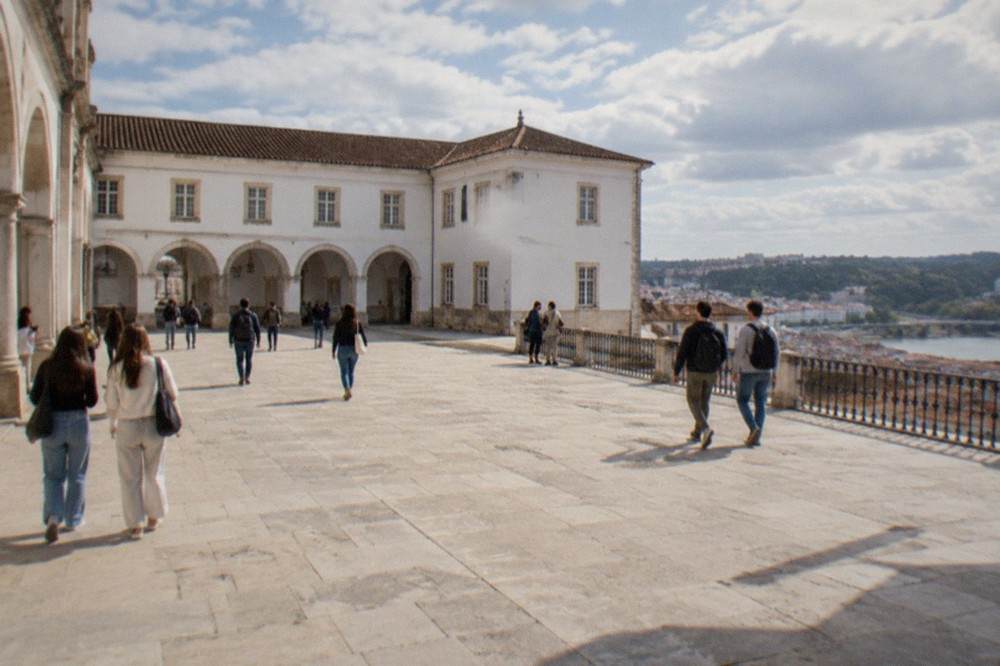
Student life is the city's defining feature: with about 31,000 students published by the University, Coimbra's traditions, from the black capes to the Repúblicas, the shared student houses, to fado sung by students in the old town, are institutional rather than incidental. The academic calendar visibly interrupts the University's own tourist circuit, including a published closure of the visitor route on 24 May.
That 24 May closure is the University's own published fact, and it corresponds to the Cortejo da Queima das Fitas, the parade that closes the student festival each May. The festival's exact dates are not confirmed on an official page in this site's research, but the two closures are: the University shuts its visitor circuit on 24 May, and Mosteiro de Santa Cruz suspends visits on the Cortejo, a moveable Sunday. If you are visiting in May, plan around those.
The Repúblicas deserve their own mention because they are unusual in Europe. These are student houses with centuries of their own internal traditions, and the University's published figure of 13 residences sits alongside them. The capes, the fado and the festivals are covered in the student traditions guide, and whether all of this adds up to a city worth your time is the question answered in is Coimbra worth visiting for tourists.
So Should You Study There, Visit, or Both?
The honest verdict is that both audiences are served well: a student gets a large, broad-based university whose city is built around student life, and a visitor gets a UNESCO-inscribed hill with a baroque library, timed-entry scarcity that rewards planning, and a set of official ticket options from 10.00 EUR to 25.00 EUR. The University is good at both jobs, and the published record supports that in both directions.
For prospective students, the decision deserves better data than a travel guide can supply. This page's figures are the University's own published scale, not an admissions or employability assessment, and questions like how hard is it to get into Coimbra University need their own answers. For visitors, the practical takeaway is simple: book the Joanina slot before you travel, because the 50-people-every-20-minutes ceiling is the one genuine scarcity fact on this site, and it is real.
Common Questions About the University of Coimbra
Is the University of Coimbra a good university?
By what can be verified, yes: about 31,000 students, 434 courses, 1,935 professors and a UNESCO-inscribed historic core make it a major institution and the defining presence of its city.
Is the University of Coimbra UNESCO-listed?
Partly. UNESCO inscribed "University of Coimbra, Alta and Sofia" in 2013, list reference 1387, covering the university hill and the Rua da Sofia colleges. The city as a whole is not inscribed.
Can you visit the Biblioteca Joanina?
Yes, but only inside the 16.50 EUR combined ticket, on a timed slot of 50 people every 20 minutes. The time printed on your ticket is the library slot, and late entry is refused.
Can you climb the University clock tower?
No. The University's own information page states the tower facility is closed, and this site publishes no price or opening time for it.
How many students does the University of Coimbra have?
The University's homepage publishes 31,256 students, alongside 434 courses, 4 campuses, 22 libraries, 2 museums, 1 botanic garden and 13 residences. The page does not state the academic year.
Is Coimbra a UNESCO World Heritage city?
No, and this is the most common error in guides to the city. Only the University's Alta and Sofia components are inscribed, not the city, the Baixa or the riverside.
The short version: the University of Coimbra is a good university by every measure that can be checked, and an excellent one to visit, provided the Joanina slot is booked before you arrive.