Is Coimbra a Prestigious University?
Is Coimbra a prestigious university? An evidence-based answer about the University of Coimbra in Portugal, its UNESCO-listed hill, its published numbers and what prestige means for visitors.
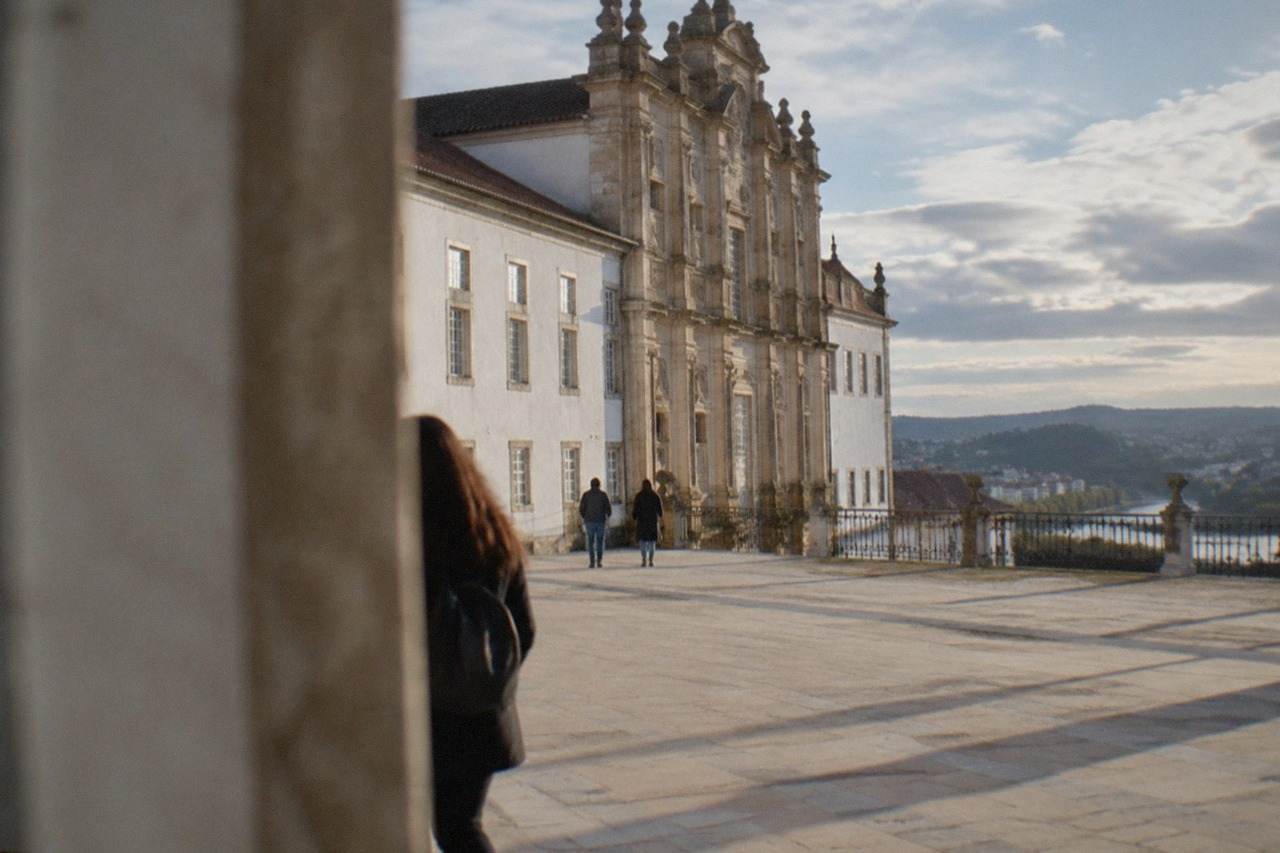
Coimbra, Portugal, the university city on the River Mondego, is the home of one of the oldest continuously operating institutions of higher learning in the Portuguese-speaking world, and its name still carries weight in conversations about European academia. The question "is coimbra a prestigious university?" gets asked constantly by travellers weighing a stop here against Porto or Lisbon, and by students comparing Portuguese degrees. The honest answer is yes, but the reasons are more specific, and more checkable, than most guides bother to give. The University's own homepage, the UNESCO World Heritage list and the municipality's published tourism data all say something concrete about what this institution is.
Is Coimbra a Prestigious University?
Yes, by every measure a visitor or applicant can check: the University of Coimbra is Portugal's most storied university, it publishes a current figure of about 31,000 students, and its historic core, the Alta and Rua da Sofia, was inscribed on the UNESCO World Heritage List in 2013 under criteria (ii), (iv) and (vi), a status almost no working university campus anywhere holds. Prestige here is not marketing; it is documented in the institution's own numbers and in an international inscription.
That UNESCO point deserves precision, because it is the most misquoted fact in the city. The inscription is named "University of Coimbra - Alta and Sofia", list reference 1387, and it covers two components inside the old town: the Alta, the university hill, and Rua da Sofia, the college street below. Coimbra is not a "UNESCO World Heritage city". The inscribed property includes the Royal Palace of Alcáçova, the Capela de São Miguel, the Joanina Library, the Rua da Sofia colleges, the 18th-century laboratories, the Botanical Garden, the University Press and the 1940s University City, and the site is managed by the association RUAS, founded by the University, the City Hall, the Regional Delegation of the Ministry of Culture and Coimbra Viva.
A university whose campus is itself a World Heritage property is unusual. The University's own visitor pages state the practical consequence plainly: the Paço das Escolas runs a paid visitor circuit, the Biblioteca Joanina admits 50 people every 20 minutes, and the whole hill closes to tourists on ceremony days such as 24 May. Prestige, in Coimbra, is something you can buy a timed ticket for.
How Big Is the University of Coimbra Today?
The University's own "University in Numbers" block on its homepage publishes 31,256 students, 434 courses, 1,935 professors, 378 researchers, 1,537 technical staff, 4 campuses, 22 libraries, 2 museums, 1 botanic garden and 13 residences. The page does not state an academic year, so the figure should be read as the University's current published total of about 31,000 students rather than a number pinned to a specific term.
Those are not small numbers for a city of Coimbra's scale, and they explain a great deal of what the city feels like. The student body is the reason the old town has its Repúblicas, its traditional student houses, and it is the reason the academic calendar visibly interrupts the tourist circuit: the University's own information page lists 24 May and 4 October among the dates the visitor circuit closes, alongside 24 and 25 December and the New Year period.
| What the University publishes | Figure |
|---|---|
| Students (current published total) | 31,256 |
| Courses | 434 |
| Professors | 1,935 |
| Researchers | 378 |
| Technical staff | 1,537 |
| Campuses | 4 |
| Libraries | 22 |
| Museums | 2 |
| Botanic garden | 1 |
| Student residences | 13 |
Anyone comparing Portuguese institutions will naturally move from size to standing. Two sibling questions on this site cover exactly that ground: whether the University of Coimbra is the oldest university in the world, and whether it counts as a good university by ordinary academic measures. Both answers are built on the same rule this page follows: only what a primary source says.
What Can Visitors Actually See on the Coimbra University Hill?
The University sells a combined ticket at 16.50 EUR covering the Biblioteca Joanina, the Royal Palace, the Capela de São Miguel, the Chemistry Laboratory, the Academic Museum, the Cabinet of Curiosities and the Mineral Gallery, valid for two days except the Joanina slot, which is fixed and admits only 50 people every 20 minutes. A 12.50 EUR version covers everything except the Joanina, and guided visits run at 25.00 EUR.
The Joanina rule is the single most important practical fact on the hill. The University's own program page states that entries are limited to 50 people every 20 minutes, that the time printed on the ticket is the library slot specifically, and that visits outside the stipulated time are refused. Online purchase closes 20 minutes before the visit. The library cannot be bought on its own; it exists only inside the combined ticket. The building itself is part of the prestige story, and famously houses a colony of bats that protects the books by eating the insects that would damage them, a fact the University's own space page confirms.
One thing visitors cannot do is climb the tower. The Torre da Universidade is closed: the University's own information page states "We regret to inform you that this facility is closed", and notes the 184 steps and narrow passage as features of the building. No price, no hours and no climb should be planned around it.
| University of Coimbra ticket | Adult price | What it includes |
|---|---|---|
| Joanina Library + University + Science Museum | 16.50 EUR | Joanina Library, Royal Palace, Capela de São Miguel, Chemistry Laboratory, Academic Museum, Cabinet of Curiosities, Mineral Gallery |
| University + Science Museum | 12.50 EUR | Same list without the Joanina Library |
| Guided tour, Palace of Schools | 25.00 EUR | Guide-led visit, 1h30, Science Museum spaces not included |
| Guided tour, Botanical Garden | 10.00 EUR | Guide-led garden visit, 1h30 |
The ticketing detail matters to the prestige question more than it might seem. A university that has to ration its baroque library to 50 readers-turned-visitors every 20 minutes is an institution whose physical heritage outgrew its carrying capacity. That is prestige of a very concrete kind. For the full practical breakdown, the site's university tickets guide covers the tiers, the two-day validity and the closure calendar in detail.
Does the Prestige Make the University Worth Visiting?
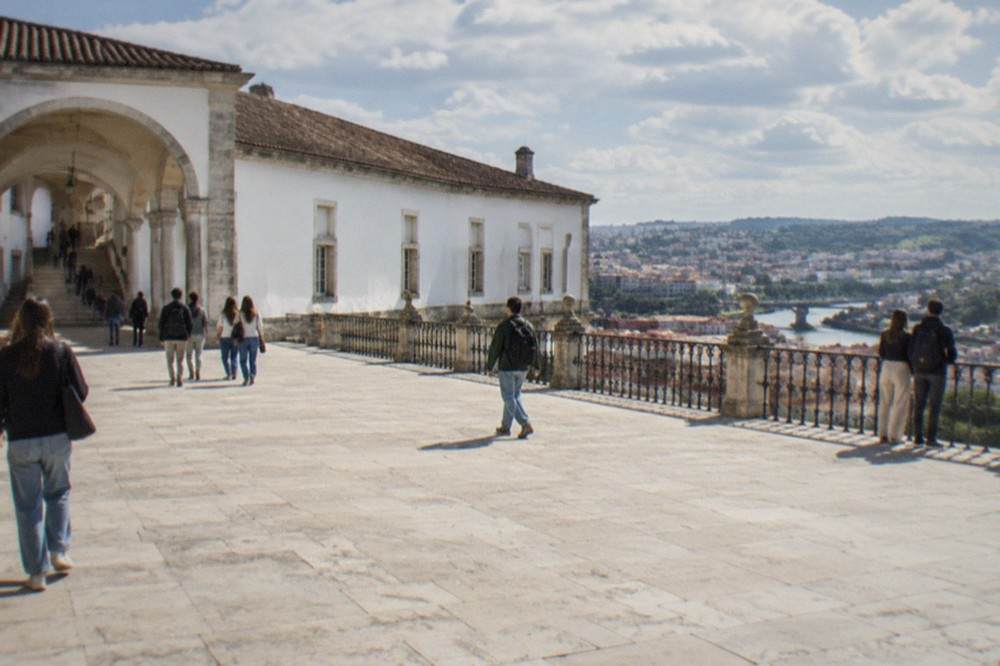
Yes, and the visit stands on its own even for travellers with no academic interest: the Paço das Escolas, the Joanina Library and the Capela de São Miguel sit on a hill with the city and the River Mondego below, the whole circuit is covered by the 16.50 EUR combined ticket, and the University runs summer hours of 09:00 to 20:00 from 1 April to 30 September and winter hours of 09:00 to 17:30 the rest of the year.
The visitor experience is also unusually well documented. The University publishes its own closure dates for the current cycle, warns that religious, official and academic ceremonies overlap with the tourist circuit, and notes that the Cabinet of Curiosities and the Physics Cabinet close for two days every three months for disinfestation. A traveller who reads the University's visit pages before arriving will know more than most guides will tell them.
For anyone who wants the hill explained rather than just walked, a private guided option exists that pairs the city below with a late university visit. The Best of Coimbra Private Walking Tour with University Late Visit runs 2 to 3 hours, is rated 4.8 from 72 reviews, and starts from $81.95 per person. Check availability on the operator's live listing if a late slot suits an arrival day.
How Does Prestige Shape the City Around the University?
The University's standing is the reason Coimbra exists as a visitor destination at all: the municipality's own economic study, published on coimbra.pt on 21 July 2026, reports 698,151 overnight stays in Coimbra in 2025, municipal tourism spending of 1.94 million EUR and an estimated annual municipal cost of tourism of 2.44 million EUR, which works out at 3.49 EUR per overnight stay against the current tourist tax of 1.00 EUR per guest per night, capped at three nights.
That tax, in force since 5 April 2023, is charged by the accommodation, applies from age 16, and has no low-season exclusion. The municipality has approved a proposal to raise it to two euros, but until its own tax pages say so, the published rate remains one euro. The gap between the 3.49 EUR cost per overnight stay and the one-euro tax is the municipality's own justification for the rise, and it is a figure almost no competing guide carries.
The student traditions are the other visible consequence. The Queima das Fitas festival falls in May, and while exact dates are not published on an official page this site could verify, two closures are documented: the University shuts its visitor circuit on 24 May, and the Mosteiro de Santa Cruz, the burial church of Portugal's first two kings, suspends visits on the Cortejo, a moveable Sunday. Anyone planning a May visit around the prestige calendar should plan around those two verified closures rather than around press dates.
Common Questions About Coimbra University Prestige
Is Coimbra a prestigious university?
Yes. The University of Coimbra publishes about 31,000 students, and its historic core, the Alta and Rua da Sofia, is inscribed on the UNESCO World Heritage List as "University of Coimbra - Alta and Sofia", reference 1387, since 2013. Few working universities anywhere hold that status.
Is the whole city of Coimbra UNESCO listed?
No. The inscription covers two components inside the old town, the university hill and the college street of Rua da Sofia. The Baixa, the riverside and the rest of the city are outside the property, and calling Coimbra a UNESCO World Heritage city is the most common factual error in guides to this city.
Can you climb the University of Coimbra tower?
No. The Torre da Universidade is closed. The University's own information page states that the facility is closed, and mentions the 184 steps and narrow passage as features of the building, not as something a visitor can do today.
How many students does the University of Coimbra have?
The University's homepage publishes 31,256 students as its current figure, alongside 434 courses, 1,935 professors, 4 campuses and 22 libraries. The page does not state an academic year, so the safe phrasing is about 31,000 students.
Do you need tickets for the University of Coimbra?
Yes. The Paço das Escolas runs a paid circuit: 16.50 EUR for the combined ticket including the Biblioteca Joanina, 12.50 EUR without it, and 25.00 EUR for a guided Palace of Schools visit. The Joanina admits 50 people every 20 minutes and the printed time is the fixed library slot.
Is the Biblioteca Joanina worth the timed ticket?
It is the most tightly rationed sight in the city, and the reason is physical: the University limits entry to 50 people every 20 minutes, refuses admission outside the printed slot, and sells the library only inside the 16.50 EUR combined ticket. The building's bat colony, which protects the books from insects, is confirmed on the University's own pages.
Prestige is a word travellers use loosely, but in Coimbra it has a paper trail: a published student body, a UNESCO inscription with a reference number, a timed-entry library with a hard capacity ceiling, and a municipality that counts the cost of the resulting tourism to the cent. This Coimbra Travel Guide article sticks to that paper trail throughout, and the related pages on whether it is a good university and how hard it is to get in carry the same standard. The short answer to the question this page is named for is yes, and the evidence is on the record.