Is Fado Portuguese or Spanish?
Fado is Portuguese, not Spanish, and Coimbra, Portugal has its own distinct student tradition of the song. Here is how the two countries' music differ and how to hear fado in Coimbra.
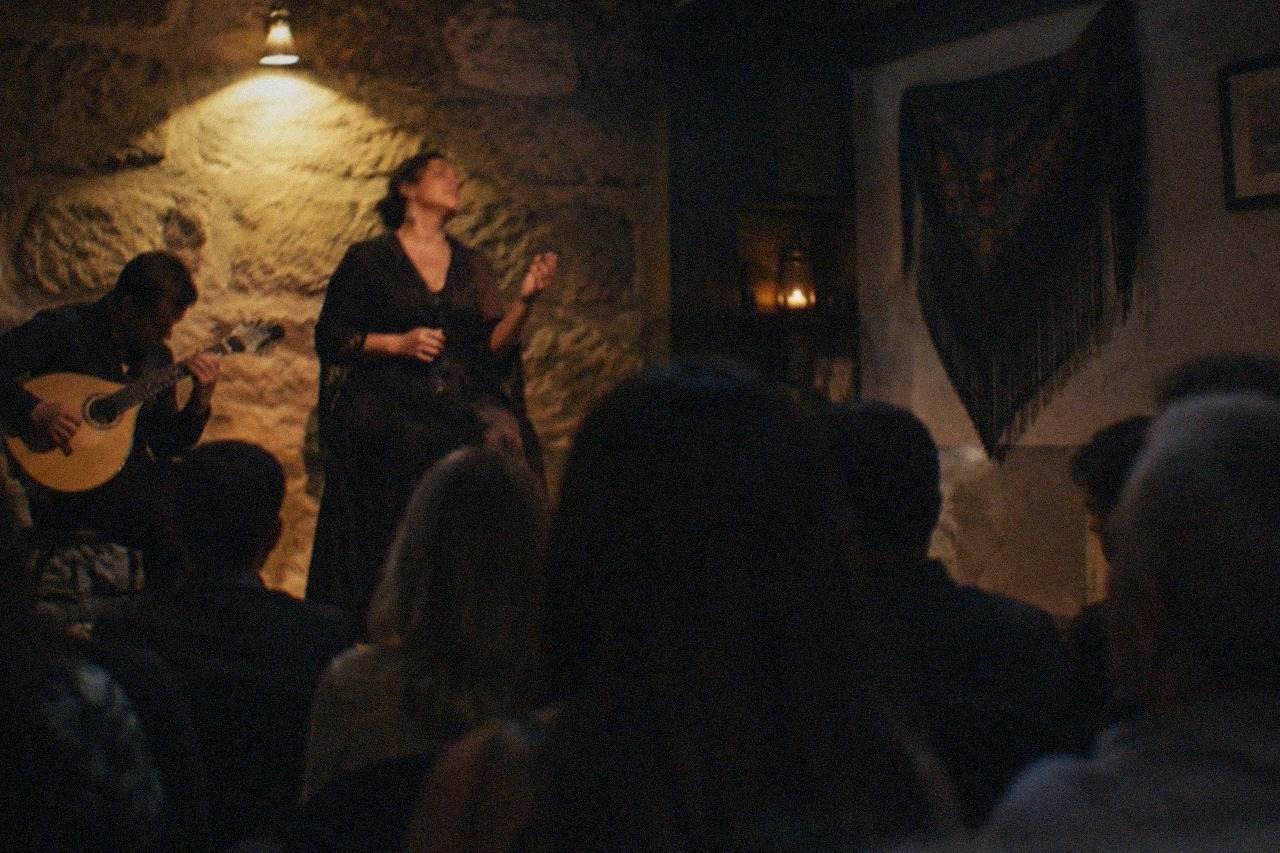
Fado is Portuguese, and Coimbra, Portugal, the university city on the River Mondego, is one of the two places where the tradition lives most strongly. The confusion with Spanish music is common, and it is worth settling plainly: fado is not flamenco, it is not a Spanish folk form, and it is not a shared Iberian genre. It is a Portuguese song tradition with its own instruments, its own subject matter and two recognised schools, one in Lisbon and one here in Coimbra, where the song is tied to the black academic cape and the student serenade.
Is Fado Portuguese or Spanish?
Fado is Portuguese. It is a song tradition that belongs to Portugal, with two recognised styles, the Lisbon style and the Coimbra style, and it has no Spanish counterpart. The Spanish genre people most often confuse it with is flamenco, but the two are unrelated in form, in instrumentation and in subject: fado is built around the Portuguese guitarra, it is sung rather than danced, and its themes are saudade, longing, the sea and the city, not the flamenco repertoire at all.
The word itself is Portuguese, from the Latin for fate, and the tradition is treated in Portugal as a national art form. That is not a marketing claim: Portugal's own cultural institutions present fado as part of the country's heritage, and the songs are sung in Portuguese, by Portuguese performers, in Portuguese cities, of which Coimbra is the second great home after Lisbon.
The flamenco comparison is the root of most of the confusion. Both traditions feature a singer at the centre of the room, an attentive audience and a guitar, and both carry an air of melancholy. But flamenco comes from Andalusia in southern Spain, with its own compás rhythms, its palmas handclaps and its dance tradition. Fado has none of that structure. A fado performance is typically a voice, a Portuguese guitar and a classical or viola guitar, in a small room, with the audience silent until the song ends.
If the question behind the question is whether fado is somehow "Iberian" and therefore partly Spanish, the answer is no more than jazz being partly British because both countries speak English. The traditions grew separately, in separate languages, for separate audiences. For a fuller picture of what the word covers, see what is a Portuguese fado, and for the vocabulary that anchors the whole form, what does fado mean in Portugal.
How Does Coimbra Fado Differ from Lisbon Fado?
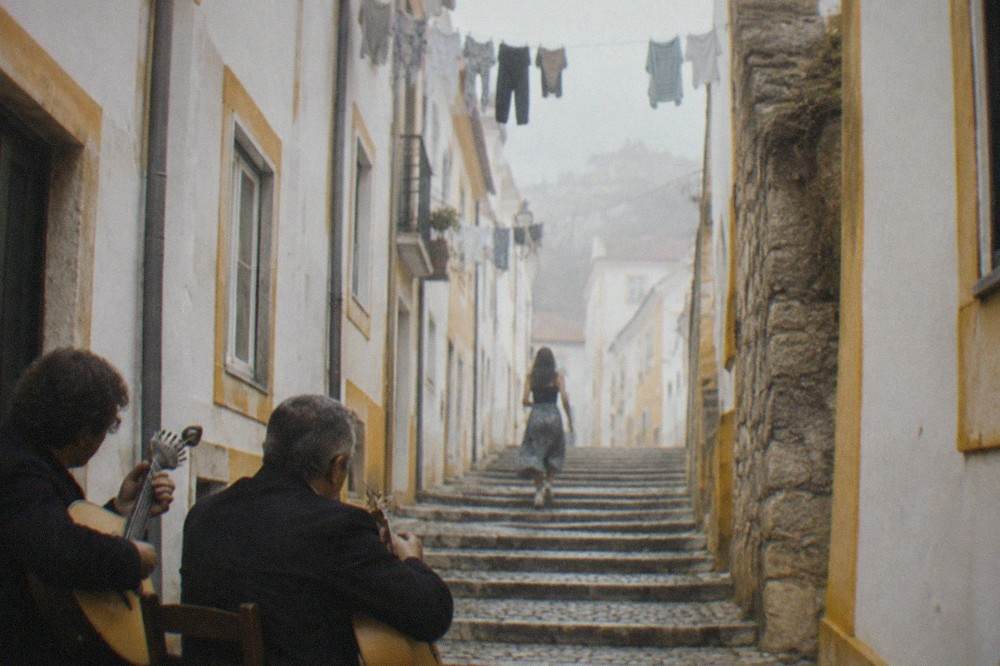
Coimbra fado is sung almost exclusively by men, grew out of the university's student tradition rather than the Lisbon waterfront, and is associated with the black academic cape, the capa e batina, worn by the city's students. Lisbon fado is sung by both men and women, is older as a professional tradition, and lives in dedicated fado houses, while Coimbra's version is performed in venues and as street serenades, sung under windows in the old town at night.
The two styles are recognisably the same art and recognisably different practices. Lisbon fado grew up around the port districts, the sailors and the taverns, and its great voices have historically been women as often as men. Coimbra fado belongs to the university. The University of Coimbra publishes an enrolment figure of about 31,000 students, and the song tradition here grew out of that population: students serenading the city, singing to mark the academic year and, in the past, singing beneath the windows of the streets below the university hill.
The instrumentation differs too. Coimbra's guitar is tuned differently from the Lisbon Portuguese guitar, giving it a brighter, more ringing sound, and the Coimbra repertoire leans on the city's own songs, the student hymns and serenades that have nothing to do with Lisbon's material. Even the posture is different: the Coimbra singer traditionally keeps both feet planted and holds his cape closed, while Lisbon singers move more freely.
Here is the practical shape of the difference:
| Lisbon fado | Coimbra fado | |
|---|---|---|
| Who sings it | Men and women | Traditionally men, from the student tradition |
| Where it grew | The port districts and taverns of Lisbon | The University of Coimbra and its student life |
| Signature dress | The black shawl | The black academic cape, capa e batina |
| Typical setting | Dedicated fado houses | Venues and street serenades in the old town |
| Guitar sound | Lisbon tuning, lower and warmer | Coimbra tuning, brighter and more ringing |
| Signature themes | Saudade, the sea, the neighbourhood | The city, the student life, love and farewell |
The distinction matters in Coimbra because the city treats its fado as a badge of identity, not a subset of Lisbon's. A reader planning to hear the music here should expect a different evening from the one in Lisbon, and the Coimbra fado guide covers the local tradition in depth.
Can You Hear Fado in Coimbra Today?
Yes, fado is performed live in Coimbra today, both in dedicated venues and as the street serenade tradition that has survived around the university. Nothing about specific show times, ticket prices or venue schedules could be verified for this site, so those details belong to each venue's own listing, but the tradition itself is active, and a ticketed live show with a glass of port wine included runs from $18 per person, rated 4.7 from 1,234 reviews on the operator's live listing.
That show, a 50-minute performance, is the most straightforward way for a visitor to hear the Coimbra style without planning around a serenade night, and the listing carries the current times and availability:
The street serenade is the other half of the tradition and the one you cannot book. It is sung in the open air, in the old town, by performers in the black cape, and it is the form most closely tied to the student calendar. Whether you encounter one depends on the night and the season, which is part of why the ticketed shows exist: they guarantee the music. The full index of guides sits on Coimbra Travel Guide.
A practical note on timing: the University closes its visitor circuit on 24 May, and the academic festival that fills the city in late spring, the Queima das Fitas, falls in May, so the atmosphere around the student traditions is at its loudest then. For the broader question of what else the city offers around the music, what not to miss in Coimbra is the companion read.
What Should You Know Before a Fado Show?
Fado audiences are quiet audiences: the room hushes when the singer begins, applause comes when the song ends, and talking during a performance is the one behaviour the tradition treats as rude. There is no dress code beyond ordinary evening wear, the shows are short by concert standards, a ticketed Coimbra performance runs about 50 minutes, and tipping is a genuine question rather than an obligation, since practices vary by venue and by whether the performers are professionals or students.
The etiquette is simpler than many visitors fear. Arrive on time, because the lights dim and the room goes still when the first note is struck. Do not photograph with flash or film at length, and do not sing along. The silence is not coldness; it is how the form is heard. The Portuguese call the moment the room falls quiet part of the performance itself.
Two questions come up again and again, and both have their own pages. What to wear is covered in what to wear to a fado show, and the money question, whether a tip is expected, is answered in do you tip at a fado show. The short version of both: dress as you would for a pleasant evening out, and treat tipping as optional appreciation rather than a fixed percentage.
Is Fado Related to Brazilian or Other Countries' Music?
Fado is Portuguese, but the question of Brazil is a fair one, because Portuguese emigrants carried the song across the Atlantic and a Brazilian tradition of fado exists as a result. It is a descendant of the Portuguese form, not an ancestor or a sibling of equal standing: the instruments, the language and the repertoire all trace back to Portugal, and the two recognised schools of the tradition remain Lisbon and Coimbra. Spanish music, by contrast, contributed nothing to fado's lineage.
The Brazil question deserves its own treatment, and this site gives it one: is fado Portuguese or Brazilian works through the emigration story and where the boundary sits. The Spanish question is simpler, because there is no comparable story to untangle. No Spanish region claims fado, no Spanish city has a fado school, and the genre is not performed in Spanish.
That leaves the practical planning question. Visitors weighing Coimbra against other Portuguese cities for the music should consider where the best place to see fado in Portugal really is, since the answer depends on whether you want the fado-house evening of Lisbon or the student serenade of Coimbra. The most famous fado song question is another one worth settling before the trip, because knowing one or two standards changes how a first live performance lands.
If the plan is a Coimbra evening built around the music, the walking tour in the trio above pairs well with an afternoon arrival, and the Buçaco forest tour suits the following day once the night is over.
Common Questions About Fado in Coimbra
Is fado Portuguese or Spanish?
Fado is Portuguese. It is a Portuguese song tradition with two recognised styles, Lisbon and Coimbra, and it has no Spanish origin. The Spanish genre it is most often confused with, flamenco, is a separate Andalusian tradition with different instruments, different rhythms and different subject matter.
Is Coimbra fado different from Lisbon fado?
Yes. Coimbra fado is traditionally sung by men, grew out of the university's student tradition, is associated with the black academic cape, and uses a differently tuned Portuguese guitar. Lisbon fado is sung by both men and women and grew up around the port districts and taverns.
Can you hear fado in Coimbra?
Yes. The tradition is performed live in venues and as street serenades, and a ticketed live show with a glass of port wine included runs from $18 per person for about 50 minutes. Specific show times and venue schedules belong to each venue's own listing.
Do you have to be quiet at a fado performance?
Yes. The room falls silent when the singer begins, and talking during a song is treated as rude. Applause comes when the song ends. The hush is part of how the form is heard, not a formality.
What should you wear to a fado show in Coimbra?
Ordinary evening wear is fine; there is no dress code. The shows are short, about 50 minutes for a ticketed Coimbra performance, so dress for a walk through the old town's hills on the way there and back.
Fado belongs to Portugal, and the version sung in this city belongs to Coimbra's students. Hear it once and the geography of the question answers itself.