What Is a Portuguese Fado?
What fado is, how the Coimbra tradition differs from Lisbon fado, where to hear it in Coimbra, Portugal, and what to expect at a live show.
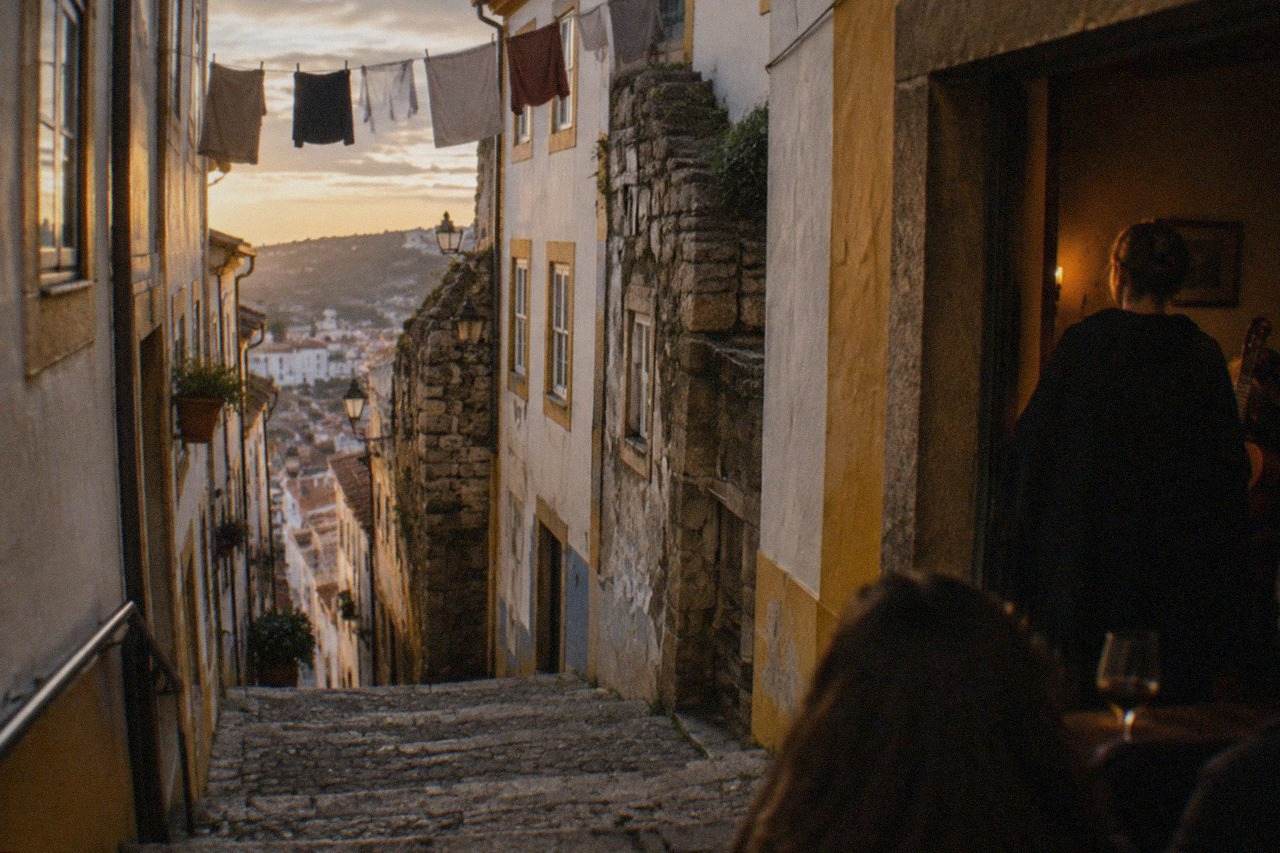
Fado is the song form Portugal gave the world, and Coimbra, the university city on the River Mondego in central Portugal, gave fado its second voice. Ask "what is a portuguese fado?" and the short answer is a song of longing, saudade, sung to the Portuguese guitar. The longer answer is that there are two fados, and the one sung in Coimbra grew out of the student tradition of one of Europe's oldest universities rather than out of the Lisbon streets. This page explains what the form is, how the Coimbra style differs from the Lisbon style, where to hear it, and what to know before you book a seat.
What Is a Portuguese Fado?
Fado is a Portuguese art song built around saudade, an untranslatable longing for what is absent, sung by a solo voice to the accompaniment of Portuguese guitars and classical guitars. It emerged in the early 19th century in Lisbon's working-class neighbourhoods and has become the sound Portugal is known for. UNESCO inscribed it on the Representative List of the Intangible Cultural Heritage of Humanity. A performance is traditionally quiet, dimly lit, and listened to in silence, with the singer often closing their eyes for a song.
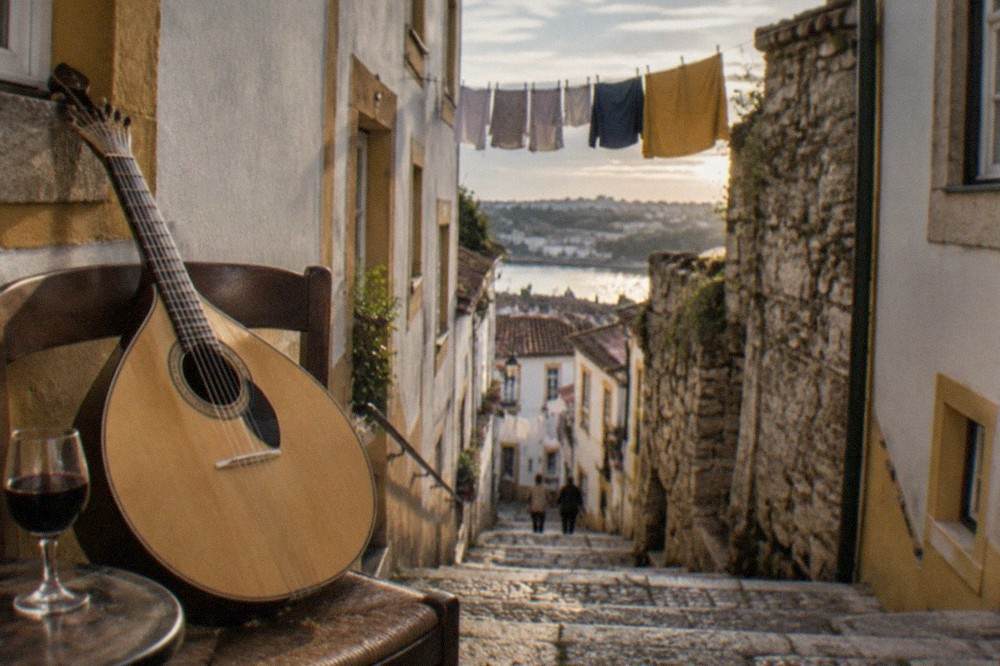
The word itself is the Portuguese for "fate", from the Latin fatum, and the songs live up to it. A fado lyric is usually about loss: a port someone sailed from, a street someone grew up on, a love that did not last. The music is built on a small ensemble. The Portuguese guitarra, a pear-shaped twelve-string instrument with a bright, bell-like ring, carries the melodic introductions and the flourishes between vocal lines, while the classical guitar, called the viola in fado circles, underpins the harmony.
Two things surprise first-time listeners. First, fado is quiet music: it is sung at conversational volume, and audiences traditionally go silent while a song is in progress. Second, it is not sad in a passive way. The songs are about loss, but the performance is a kind of defiance of it, which is why the form has survived two centuries and travelled far beyond the taverns where it started. For more on the word and its meanings, see the companion page on what fado means in Portugal.
How Does Coimbra Fado Differ from Lisbon Fado?
Coimbra fado is the university's own tradition: it is sung almost exclusively by men, it grew out of the student culture of the University of Coimbra, and it is tied to the black academic cape worn by students, whereas Lisbon fado is sung by both men and women and grew out of the streets and taverns of the capital. Coimbra fado is also more openly serenade-like, performed in venues but also as street performances beneath windows, a custom tied to student courtship.
The differences are concrete enough to list. The tuning of the Coimbra guitarra is different from the Lisbon instrument, giving the two styles a recognisably different sound even before a word is sung. The repertoire is different: Coimbra fado took its themes from student life, the city, the Mondego, and parting, and the moment of separation when a student finishes their studies became one of its great subjects. The dress is different, because the black cape of the University's students is part of the performance itself. And the setting is different, because in Coimbra the form has always lived a double life, inside venues and outside them, sung in the street as a serenade.
| Feature | Lisbon fado | Coimbra fado |
|---|---|---|
| Origin | 19th-century Lisbon streets and taverns | University of Coimbra student tradition |
| Typical singers | Women and men | Traditionally men, students and former students |
| Instrument tuning | Lisbon tuning of the guitarra | Distinct Coimbra tuning of the guitarra |
| Dress | Black shawl and suit | Black academic cape of the university |
| Typical setting | Dedicated fado houses | Venues and street serenades |
| Recurring themes | The sea, fate, the Lisbon neighbourhoods | Student life, the city, parting, the Mondego |
The Coimbra style also carries its own rituals. The audience does not clap the way a pop crowd claps; the traditional response is a cough-like clearing of the throat, a habit that dates from times when applause in the street would have drawn attention to a serenade. Some of the most famous Coimbra fados are farewell songs, sung to the city and to student life, and the tradition is kept alive by student groups connected to the Associação Académica. The University publishes an enrolment of about 31,000 students, and the student body is the reason the tradition still renews itself each autumn.
If the distinction between the Portuguese and Spanish traditions is what brought you here, the companion page on whether fado is Portuguese or Spanish covers that question directly.
Hearing the two styles back to back is the fastest way to understand them, and a live show in Coimbra is the easiest way to hear the university style in its home city.
Where Can You Hear Fado in Coimbra?
Fado in Coimbra is heard in dedicated venues around the old town and, in the student tradition, as street serenades, particularly around the Sé Velha and the university hill, where student groups have sung for generations. Nothing about a specific venue's schedule, price or capacity can be stated here, because none of that was verified for this site: every operational detail has to come from the venue itself. The most reliable way to guarantee hearing a performance is to book a ticketed show.
The city's fado life is concentrated in the historic centre, the steep lanes between the Baixa and the Paço das Escolas, and the tradition is at its most visible during student festivals. May is the month when the city's academic life is at its loudest, and the University closes its visitor circuit on 24 May while Mosteiro de Santa Cruz suspends visits on the Cortejo da Queima das Fitas, a moveable Sunday, which tells you how completely the student calendar takes over the town in that week. Fado and the cape-and-tunic student traditions run through all of it.
For planning, the site's own guides go deeper: the Coimbra fado guide covers the tradition's history and repertoire, and where to hear fado lists the practical options around the city.
A booked seat also removes the guesswork from an evening in a city where the best performances are often the shortest ones.
What Should You Know Before Attending a Fado Show?
A fado show in Coimbra is a short, seated, quiet evening event: the most-booked ticketed show in the city runs about 50 minutes and includes a glass of port wine, and the audience convention is near-total silence while a song is in progress. There is no dress code beyond neat casual, no dining expectation, and tipping is neither obligatory nor expected, though it is appreciated for good performance. Arriving a few minutes before the start matters, because late entry interrupts the silence the form depends on.
The silence rule is the one that catches visitors out. When the singer begins, the room goes still, and conversation, phone screens and camera shutters are all considered interruptions. Between songs the traditional Coimbra response is the throat-clearing described above, though applause is now normal in ticketed venues. Photography rules vary by venue and are announced at the door; if nothing is said, ask.
What to wear barely matters, but the question comes up often enough that the site has a dedicated page on what to wear to a fado show, and the etiquette of the tip has its own page on whether to tip at a fado show. The one genuine piece of advice: do not treat the show as background music for dinner conversation. The form is short, and it deserves the whole of the attention for the whole of the 50 minutes.
Which Fado Songs Should You Recognise Before You Go?
The most famous fado of all is "Uma Casa Portuguesa", and the most famous Coimbra fado is "Coimbra tem mais encanto", known abroad as "April in Portugal", a student serenade about the city itself that became an international hit. Beyond those two, the Coimbra repertoire turns on farewell songs sung to the city and to student life, and the Lisbon repertoire on the songs of Amália Rodrigues, the genre's defining voice. Recognising even one of these before a show changes how the evening lands.
The Coimbra song is the one that matters on this page, because it is the city in miniature: a serenade about how Coimbra holds more charm when it is time to leave, sung by men in black capes, and it is still the song every visitor is most likely to hear. The site keeps a full page on the most famous fado song for the wider repertoire.
Common Questions About Fado in Coimbra
What is a portuguese fado?
Fado is a Portuguese art song of longing, saudade, sung by a solo voice to Portuguese guitars, recognised by UNESCO as Intangible Cultural Heritage of Humanity. In Coimbra it takes a distinct student form, sung traditionally by men in black academic capes, that grew out of the University of Coimbra's serenade tradition rather than the Lisbon streets.
Is fado only sung in Lisbon?
No. Lisbon is the form's origin and its most famous home, but Coimbra has its own centuries-old style tied to the university, with different guitar tuning, different dress and different themes, and the two cities are the twin capitals of the tradition.
Can you hear fado in the street in Coimbra?
Yes. The Coimbra tradition includes street serenades sung beneath windows, a custom tied to student courtship, alongside ticketed indoor shows. Street performances are spontaneous and cannot be scheduled, so a booked show is the reliable way to guarantee hearing the music.
Do you need to book a fado show in Coimbra in advance?
It is the safest way to guarantee a seat, and the most-booked show in the city is a 50-minute performance with a glass of port wine included, listed from $18 per person. Show times and venue details come from the operator's live listing, so check availability before planning the evening around it.
Is fado sung in Portuguese only?
Yes, the repertoire is overwhelmingly in Portuguese, and no translation is needed to follow the emotional arc of a performance. The quiet of the room, the singer's closed eyes and the ring of the guitarra carry most of the meaning.
Fado rewards a small amount of preparation and almost no expertise. Book a seat, arrive on time, hold the silence while the song runs, and the rest of the evening, the cape, the guitarra and the glass of port wine, explains what this page has been describing better than any description can. The Coimbra Travel Guide covers the rest of the city, from the old town lanes to the university hill where the tradition began.