Do You Tip at a Fado Show?
Tipping etiquette at fado shows in Coimbra, Portugal: when to tip, how much is customary, and how the city's student fado tradition changes the answer.
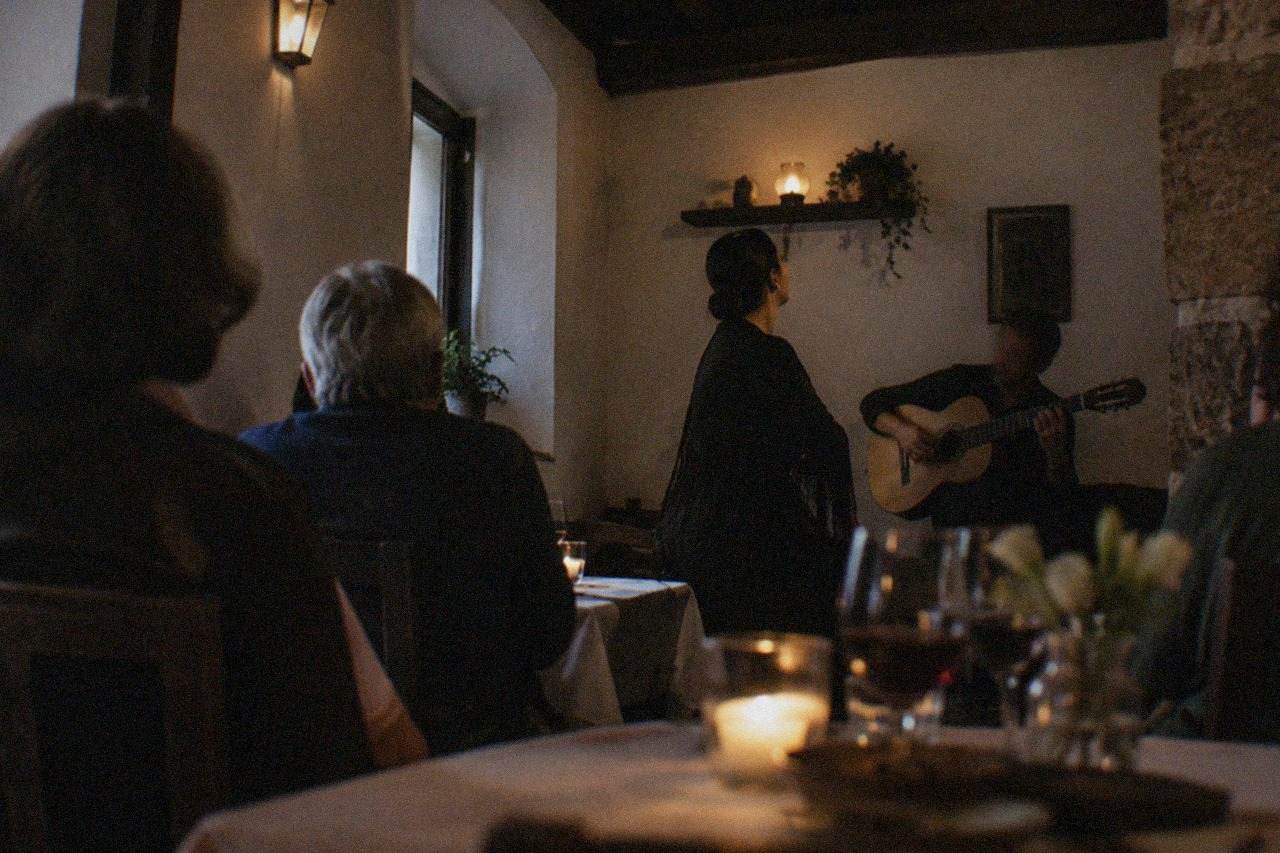
Fado in Coimbra, the university city on the River Mondego in central Portugal, is not Lisbon fado with a different postcode. It is sung largely by men, it grew out of the university's student tradition, and it is bound to the black academic cape in a way the southern style is not. That difference reaches all the way down to the tipping question. A fado performance here is closer to a ceremony than to dinner theatre, and the money etiquette around it reflects that: understated, optional, and governed more by silence during the song than by any percentage on the bill.
Do You Tip at a Fado Show?
No, tipping at a fado show in Coimbra is not expected, but it is welcome. Portugal is not a tipping culture in the American sense, and nobody will chase you for leaving nothing. If a singer has moved you, a few euros left quietly or a direct thank you at the end is entirely in keeping with the tradition. The one rule that matters more than money is silence while the fado is being sung.
That silence rule deserves explaining, because it is the real etiquette of a Coimbra fado room. When the singer begins, conversation stops, and in the older houses the lights drop. Shouting requests, talking over the guitar, or clinking glasses mid-song is the actual faux pas here, far worse than a small tip or none at all. The tradition treats the moment of the song as something close to sacred, a residue of the serenade culture that grew up around the university's male students, who sang beneath windows in the Alta in the black capa e batina.
So the practical sequence for a visitor is simple. Applaud warmly, stay quiet during the songs, and if you want to give something, do it without ceremony. In a ticketed show the performers are paid from the ticket, so a tip is a thank you rather than a wage. In a bar where the fado is informal and passes a hat or a plate, contributing is the convention, because that is how those musicians are paid at all. The distinction between those two settings, ticketed and informal, is where most of the confusion comes from, and it is worth being clear about which one you are walking into.
How Is Tipping at a Coimbra Fado Show Different from Tipping in a Restaurant?
At a restaurant in Coimbra the norm is to round up or leave roughly five to ten percent for good service. At a fado show there is no normative percentage at all, because the performance is either covered by your ticket or offered informally. If the show is ticketed, nothing further is expected. If the fado is a street serenade or a passing performance, a small contribution in a hat or plate is the custom.
The restaurant side of the comparison is covered properly in the site's page on tipping in Coimbra restaurants, but the short version is that Portugal pays service staff a real wage, so a tip is a gesture rather than an obligation. Rounding a 28 euro bill up to 30 is normal, and leaving nothing after indifferent service raises no eyebrows. That baseline matters here because it explains why the fado answer is so relaxed: visitors arrive expecting an American tipping structure, find there is not one, and then worry they have insulted someone. They have not.
The fado-specific difference is that the performance and the hospitality are usually separate transactions. If you buy a ticket to a scheduled show, the ticket pays the performers, and the bar bill pays the bar. Tipping on top of the bar bill follows restaurant logic, small and optional. Tipping the performers directly, where the format allows it, is a personal thank you. Some visitors also ask what to wear, and the honest answer is that Coimbra fado rooms are informal but respectful; the site's page on what to wear to a fado show covers that in detail.
A note on the free end of the spectrum, because Coimbra has one and it is honest to name it. The tip-based walking tours on GuruWalk, including the city's history and traditions walks, are genuinely free to join and paid by tip at the end. That is a different product from a fado show, but it shares the same logic: where a price is not charged, the contribution is the price. Never confuse the two settings, and never assume a ticketed fado show operates on tips, because it does not.
What Does a Ticket to a Coimbra Fado Show Actually Cover?
The best-documented ticketed option in the city is a 50-minute live fado performance with a glass of port wine included, listed from 18 US dollars per person and rated 4.7 from 1,234 reviews on the operator's live listing. That price covers the performance and the drink. It does not cover dinner, and it does not create any tipping obligation beyond the optional gesture described above. Everything else about individual fado houses, their schedules, their door prices and their addresses, has to come from each venue itself.
This site verified nothing operational about Coimbra's individual fado houses: no show times, no venue capacities, no door prices, no addresses. That is a deliberate boundary, not an omission. Fado venues in this city change schedules with the academic calendar, and a guide that prints a nightly schedule for a fado house is usually printing something a student told a blogger a year ago. The listing-based facts above are the only ones this page will stand behind.
| What the listing shows | Figure on the operator's live listing |
|---|---|
| Starting price | From $18 per person |
| Rating | 4.7 out of 5 |
| Review count | 1,234 reviews |
| Show length | 50 minutes |
| What is included | Live fado performance and one glass of port wine |
If a ticketed show appeals, the practical route is to check availability before travelling, since the small rooms that suit fado fill quickly in the university seasons. The same logic applies to combining a show with a day's sightseeing: a Coimbra walking tour with a late university visit or a full evening plan around the Alta both work better booked ahead than improvised on arrival.
How Does Coimbra Fado Differ from Lisbon Fado?
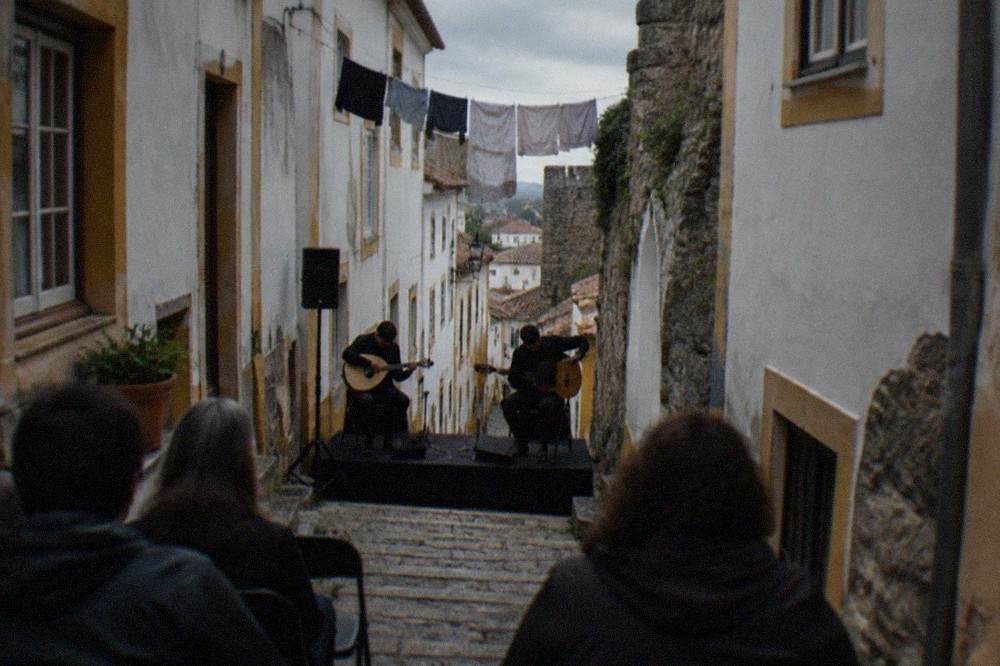
Coimbra fado is sung predominantly by men, grew out of the university's student tradition, and is associated with the black academic cape, whereas Lisbon fado is a broader, older, more feminine urban tradition with different guitars and a different posture. The Coimbra style is performed both in venues and as street serenades, and its etiquette, including the silence rule and the understated tipping, comes from the serenade culture rather than from the café. Knowing which style you are hearing tells you what the money means.
The student root matters. Coimbra's fado belongs to the academic calendar of a university that publishes an enrolment of about 31,000 students, and the tradition's landmarks are student landmarks: the serenades, the cape, the farewell songs sung by graduating students in May. The instrumentation differs too, with the Coimbra guitar built and tuned differently from the Lisbon guitarra, and the repertoire drawing on the city's own poets. The site's guide to fado de Coimbra unpacks the musical differences properly, and the page on where to hear fado in Coimbra covers the settings.
The tipping consequence of all this is real. In Lisbon's fado houses the performance is often woven into a dinner service, and the bill arrives with a cover charge for the music, so the tipping question collapses into the restaurant question. In Coimbra the venue show and the serenade are more often separated, so the two answers stay distinct: ticketed shows need nothing extra, and informal or street performances run on the hat. Visitors who assume the Lisbon dinner model sometimes over-tip here out of confusion, which is a harmless error, or under-contribute at a serenade, which is the one that stings.
Where Can You Hear Fado in Coimbra Without a Ticket?
The honest answer is the street and the stairways, because Coimbra fado exists as serenade as well as staged show, and the serenade costs nothing to hear. Walking the Alta in the evening you may pass an informal performance, and the convention there is a quiet contribution if a hat or plate is passed. Beyond that, this site publishes no venue schedules or addresses, because none were verified.
What can be said with confidence is the shape of the offer. The city has ticketed shows, of which the port wine performance above is the best documented; it has student serenades tied to the academic calendar, concentrated around the university's traditions; and it has the wider context of a UNESCO-inscribed university hill, the Alta, where the tradition physically lives. The walking is free, the riverside is free, and the Parque Verde do Mondego is free, so an evening built around hoping to hear fado costs nothing but time. The site's overview of what Coimbra is famous for places the tradition in that wider picture.
For visitors who want the tradition guaranteed rather than hoped for, the ticketed route is the reliable one, and this site's own Coimbra Travel Guide pages on the city's guided tours compare the options honestly. What matters, whichever route you take, is that the money question stays proportional: a ticket buys the performance, a restaurant bill pays the kitchen, and a tip, anywhere in Coimbra, is a small gesture of respect rather than a duty.
Common Questions About Tipping at Fado Shows in Coimbra
Do you tip at a fado show?
No, it is not expected, but a small tip or a warm, sustained applause is welcome. In a ticketed show the performers are paid from the ticket. At an informal or street performance where a hat is passed, contributing is the convention.
How much should you tip at a fado show in Coimbra?
There is no fixed amount. A few euros left quietly, or a direct thank you to the performers at the end, matches the understated local norm. Nothing at all is also acceptable in a ticketed venue.
Do you tip at a fado show in a restaurant?
Follow restaurant logic for the food: round up or leave roughly five to ten percent on the bill if service was good. The performance itself, if covered by a ticket or cover charge, needs nothing extra.
Is it rude to leave during a fado song?
Yes, moving or talking during a song is the genuine faux pas in a Coimbra fado room. Wait for the applause, then move. The silence rule outranks every tipping question.
Are fado performers paid by the venue?
In ticketed shows, yes, the ticket covers the performers. In informal serenade settings, the contribution passed in a hat or plate often is the payment, which is why the two settings follow different etiquette.
Is Coimbra fado different from Lisbon fado?
Yes. Coimbra fado is sung largely by men, grew from the university's student tradition, and is tied to the black academic cape, with a differently built and tuned guitar. The site's guide to fado de Coimbra covers the differences in full.
The short version of everything above: buy the ticket, stay silent for the songs, applaud long, and let any tip be a quiet bonus rather than an anxiety. That is the whole of fado etiquette in Coimbra, and it fits the city, which has always preferred its ceremonies understated.