Coimbra Markets
Coimbra, Portugal, the university city on the River Mondego, shops the way central Portugal has always shopped: at market stalls piled with Bairrada produce, fresh fish, flowers and regional breads. This guide covers what the city's markets sell, how the seasons change them, and what a market-centred day in Coimbra realistically costs.
Short answer
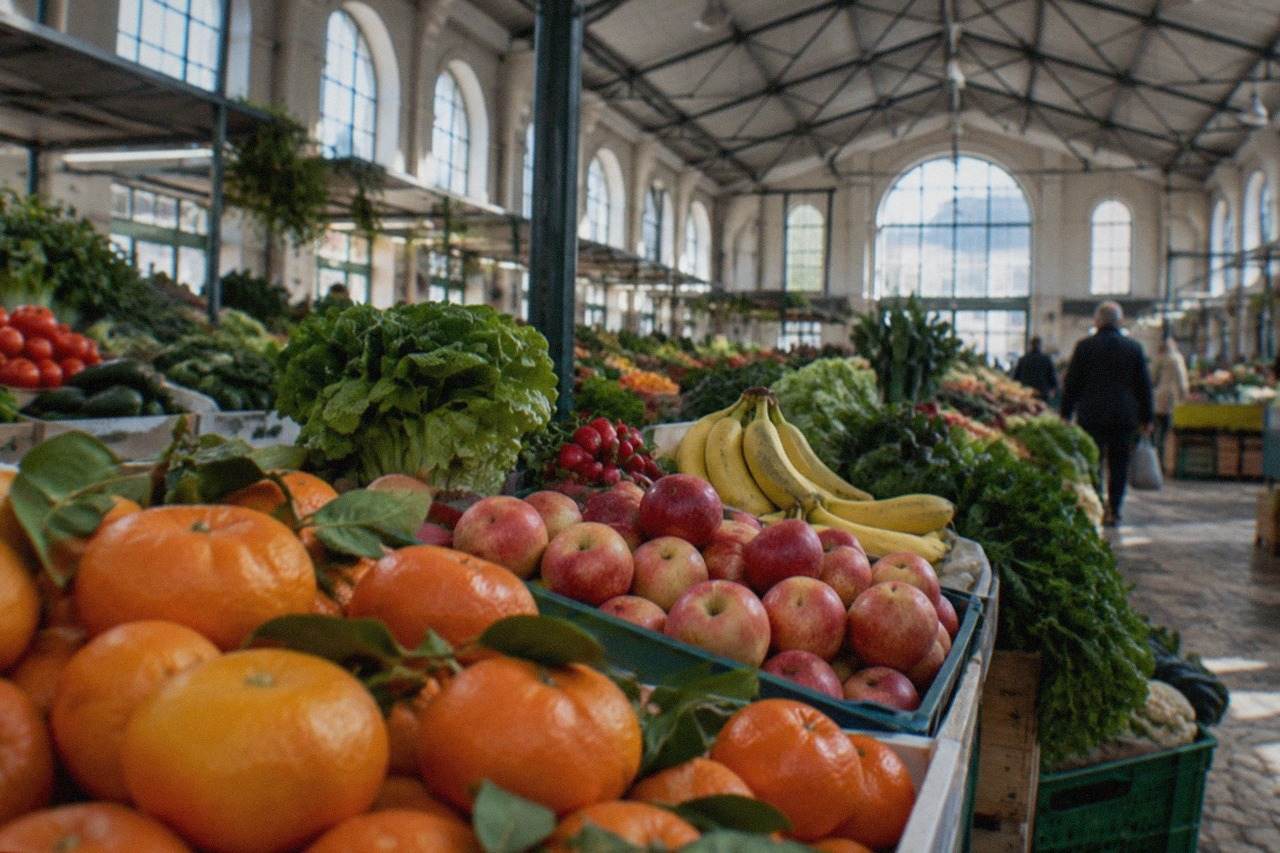
Coimbra's markets centre on the city's covered municipal market in the Baixa, backed by seasonal and festive markets through the year. No market in Coimbra charges entry, the 1.00 EUR municipal tourist tax applies per night to your accommodation rather than to any stall, and the best months for produce follow the IPMA climate normals: dry June and July for summer fruit, October's rains for chestnuts and the winter season.
Coimbra, Portugal, the university city on the River Mondego, has always fed itself from market stalls. The city sits between the Bairrada plains to the west, whose pigs and vines supply the leitão that made the region famous, and the schist hills of the Lousã to the east, whose villages once brought charcoal, chestnuts and wool down to the river. The Baixa, the low town between the university hill and the Mondego, is where that produce has been traded for centuries, and its covered market hall remains the working heart of the city's food culture. This guide explains what Coimbra's markets actually sell, how the seasons reshape the stalls, and what a market-centred day in the city costs, using only figures verified from official Portuguese sources.
One warning before anything else, because it is the single most common error in guides to this city. Coimbra is also the name of a Portuguese district that reaches the Atlantic, and of towns in Brazil and Angola. Everything on this page refers to the city itself, the municipality on the Mondego, and nothing here is a district or coastal figure. The nearest beach is not in this city, and the fish at the stalls travelled to get here.
What Is the Main Market in Coimbra, Portugal?
The centre of market life in Coimbra, Portugal is the covered municipal market in the Baixa, the low quarter between the university hill and the River Mondego, a district of lanes that has been the city's trading floor for centuries around the Mercado do Mercado and its surrounding streets. It is a working food market rather than a tourist attraction, and it anchors a network of smaller seasonal and festive markets that appear across the city through the year. No entry fee exists at any of them, because these are shops, not monuments.
The covered hall is where the city still does its daily shopping. Stallholders sell fruit and vegetables from the surrounding farmland, fresh and salted fish, cheeses, olives, dried cod, flowers, breads and the regional cured meats of the Bairrada. The building sits at the bottom of the hill, close to where the Elevador do Mercado lifts passengers up toward the upper town, so a market visit pairs naturally with the climb to the university. The Coimbra Travel Guide map page lays out how the Baixa, the Alta and the riverside fit together.
Around the main hall, the city's market calendar fills in with seasonal events. Christmas brings the seasonal markets and festive stalls covered in detail on the Christmas and winter events page. Through spring and summer, stalls appear around student festivals, and the academic calendar, with its roughly 31,000 students published by the University on its own "University in Numbers" block, guarantees a crowd wherever food is sold cheaply.
A guided walk is one way to anchor the geography before shopping. The Discovering the charms and places of Coimbra tour, from $52.68 per person and rated 5 from 79 reviews on the operator's live listing, runs three to four hours through the old town, which is long enough to pass the market quarter and the riverside in one loop.
What Can You Buy at Coimbra's Markets?
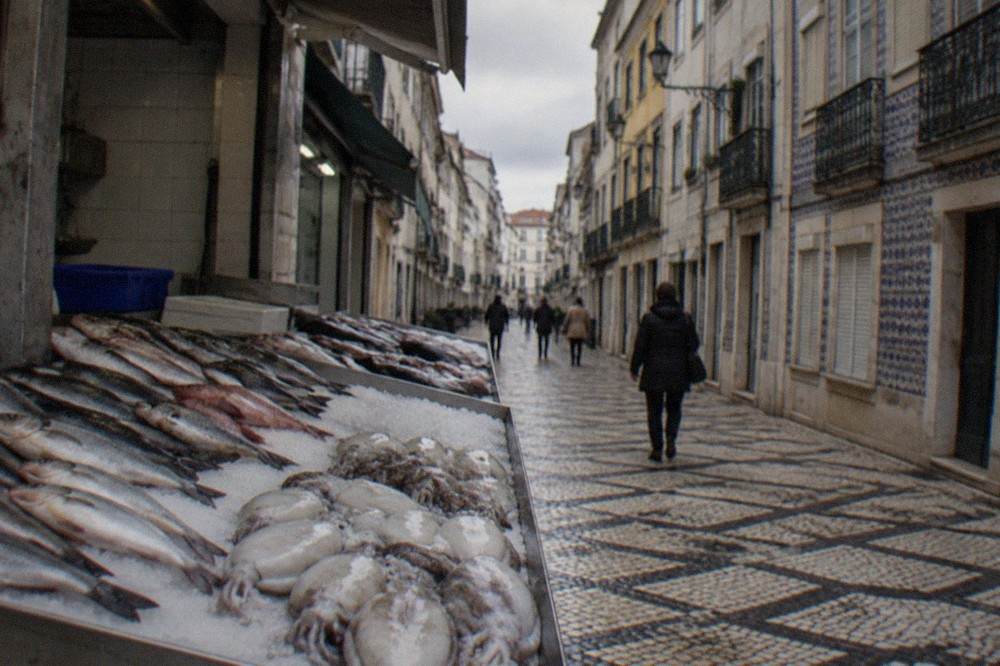
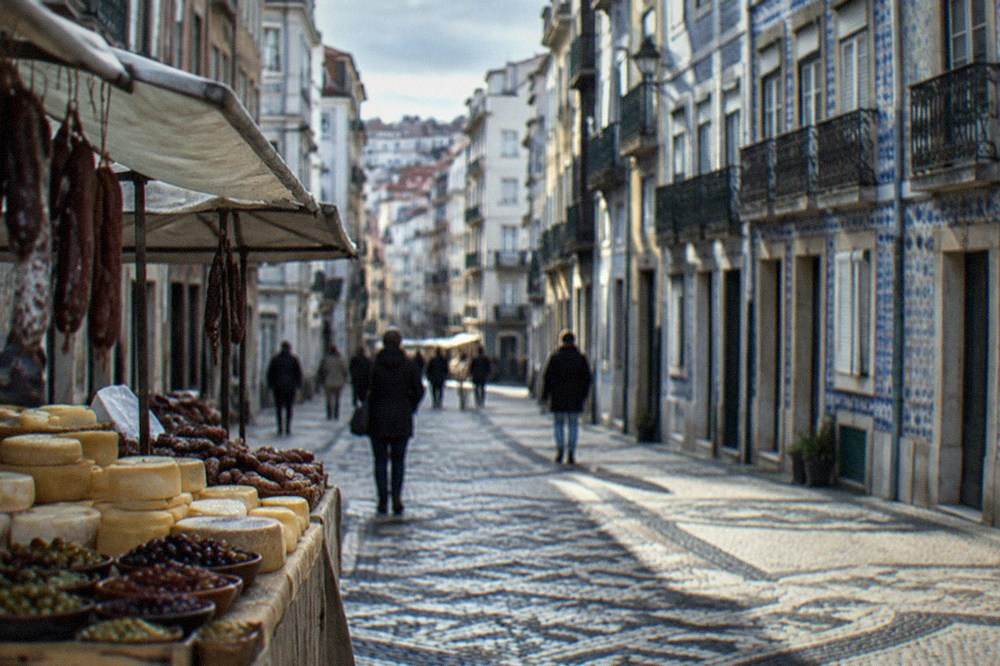
A Coimbra market stall sells the produce of central Portugal: Bairrada pork and its famous suckling pig, fresh Atlantic and river fish, sheep and goat cheeses, olives and olive oil, seasonal fruit, chestnuts, regional breads, dried and salted cod, flowers, and, on the festive stalls, ceramics, embroidery and student-themed crafts. The fish counter and the pork butcher are the two stalls that most surprise visitors, because both carry products with protected regional reputations.
The fish is the easy one to explain. Portugal eats more fish per head than almost any European country, and a city market's fish counter works fast: whole fish, cuttlefish, octopus and salted cod, sold to people who will cook it the same day. The salt cod, bacalhau, is the historic staple, dried and salted for preservation and soaked before cooking, and it anchors hundreds of Portuguese dishes.
The pork is the regional signature. Leitão, suckling pig from the Bairrada, is the dish the region is famous for, roasted whole and served with sparkling Bairrada wine, and the market butchers of Coimbra sell the same meat that the roast houses along the Bairrada wine route serve. The leitão and Bairrada and Bairrada wine route pages cover the full story, including how the dish travels from the plains west of the city to the plate.
| Stall type | What it sells | What distinguishes a good stall |
|---|---|---|
| Fish and seafood | Whole fish, cuttlefish, octopus, salted and dried cod | Clear eyes on fresh fish, fast turnover, ice kept topped up |
| Butcher and charcuterie | Bairrada pork, suckling pig, cured sausages, black pudding | Regional labels, meat cut to order, willingness to explain cuts |
| Fruit and vegetables | Seasonal produce from the surrounding farmland | Prices by the kilo, local and seasonal stock, ripe-but-firm fruit |
| Cheese and olives | Sheep and goat cheeses, cured olives, olive oil | Tasting offered, cheese cut from the wheel, oil sold in regional bottles |
| Bakery and sweets | Regional breads, arrufadas, seasonal pastries | Baked the same morning, local specialities rather than generic pastry |
| Flowers and plants | Cut flowers, potted herbs, seasonal plants | Local growing, stems sold by the bunch, seasonal stock |
No market business in Coimbra had its prices, hours or address verified for this site, so this guide deliberately does not print a price for any stall, a closing time for any hall, or a "book ahead" instruction for any named vendor. What distinguishes a good stall is the kind of thing a shopper can judge on the spot: turnover, cutting to order, produce that matches the season.
When Is the Best Time of Day and Year for Market Shopping in Coimbra?
The best market months in Coimbra are June and July, when the IPMA 1991 to 2020 climate normals for the Coimbra / Bencanta station show 26.0 mm and 8.9 mm of rain respectively and mean maxima of 26.3 C and 28.5 C, and September, which at 27.4 C is actually hotter than June yet still only records 49.9 mm of rain with the student crowds gone. The worst months for a stall-side visit are November, the wettest at 121.5 mm, and October, when the total jumps to 114.5 mm.
The seasonal logic matters more here than in most cities, because Coimbra's rain is autumn and winter rain. July, at 8.9 mm across the whole month and only 1.7 days with a millimetre or more, is effectively dry. The produce calendar follows: early summer brings cherries and stone fruit, late summer brings melons, grapes and peppers, and the first autumn rains bring chestnuts and the mushrooms of the surrounding hills.
| Month | Mean max (C) | Rain (mm) | Rain days 1mm+ | What the stalls carry |
|---|---|---|---|---|
| March | 19.1 | 75.4 | 9.4 | Early spring greens, the last citrus |
| June | 26.3 | 26.0 | 3.7 | Cherries, stone fruit, first summer vegetables |
| July | 28.5 | 8.9 | 1.7 | Melons, peppers, tomatoes at their peak |
| September | 27.4 | 49.9 | 5.2 | Grapes, late summer fruit, the first figs |
| October | 23.2 | 114.5 | 10.3 | Chestnuts begin, grapes for the new wine |
| November | 18.0 | 121.5 | 11.5 | Chestnuts, mushrooms, winter greens, dried goods |
IPMA's 1991 to 2020 normals for the Coimbra / Bencanta station, station number 707, are the city's own readings taken 3 km from the centre, not a coastal proxy from the district. The full monthly breakdown is on the weather page, and the broader planning picture, including the argument for September as the city's quiet best month, is on the best time to visit page.
What Local Foods Should You Look for at a Coimbra Market?
The foods to look for are leitão da Bairrada and its cured cousins, salt cod, sheep and goat cheeses, arrufadas and other regional breads and pastries, chestnuts in autumn, and the sparkling wine of the Bairrada, all of which are central Portuguese traditions rather than Coimbra inventions, and all of which appear at the city's stalls in their proper season. The pastries and arrufadas have their own dedicated page, and the restaurant scene built on the same ingredients has another.
Arrufadas deserve a word because they are the city's own contribution to the bakery counter: a sweet, brioche-like roll in the Coimbra tradition, sold at bakeries and stalls and eaten at breakfast. Beyond them, the market food of Coimbra is the food of its region. The Bairrada to the west supplies pig and wine. The hills to the east supply game, chestnuts and honey. The Atlantic, reached through the district but not by this city, supplies the fish that arrives by road each morning.
For visitors who want the market's raw ingredients turned into a meal without cooking them, the city's restaurant tradition does exactly that, and the restaurants and best restaurants pages separate the traditional houses from the newer kitchens. What to eat, dish by dish, is covered on the what to eat page.
The budget option for tying the market quarter to the rest of the old town is the Coimbra Top Attractions Walking Tour, from $5.85 per person and rated 5 from 151 reviews on the operator's live listing, which covers the main sights in two and a half hours of walking.
Are There Craft and Pottery Markets in Coimbra?
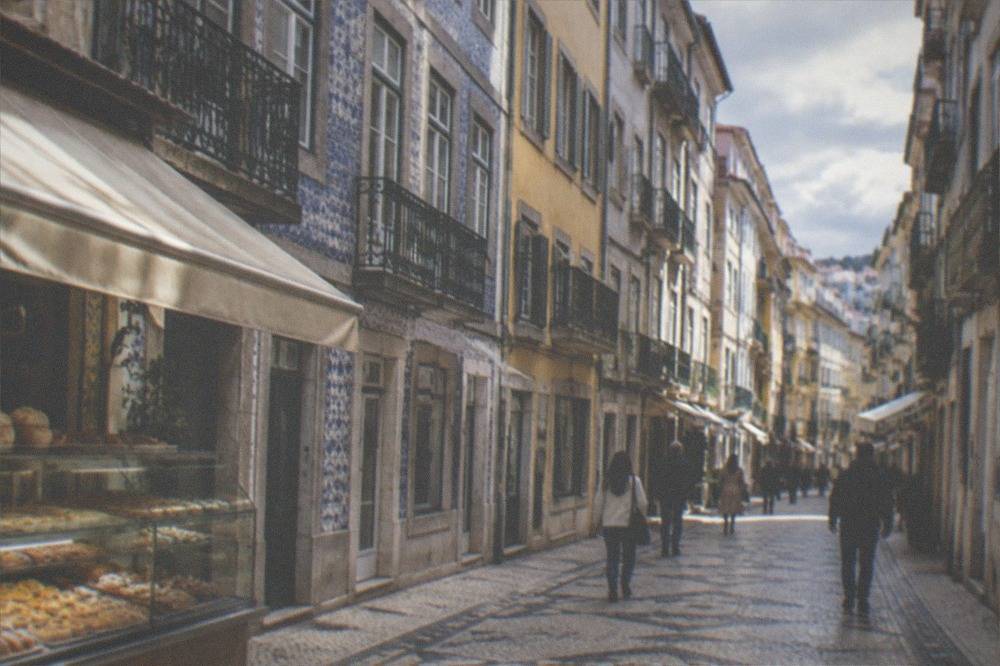
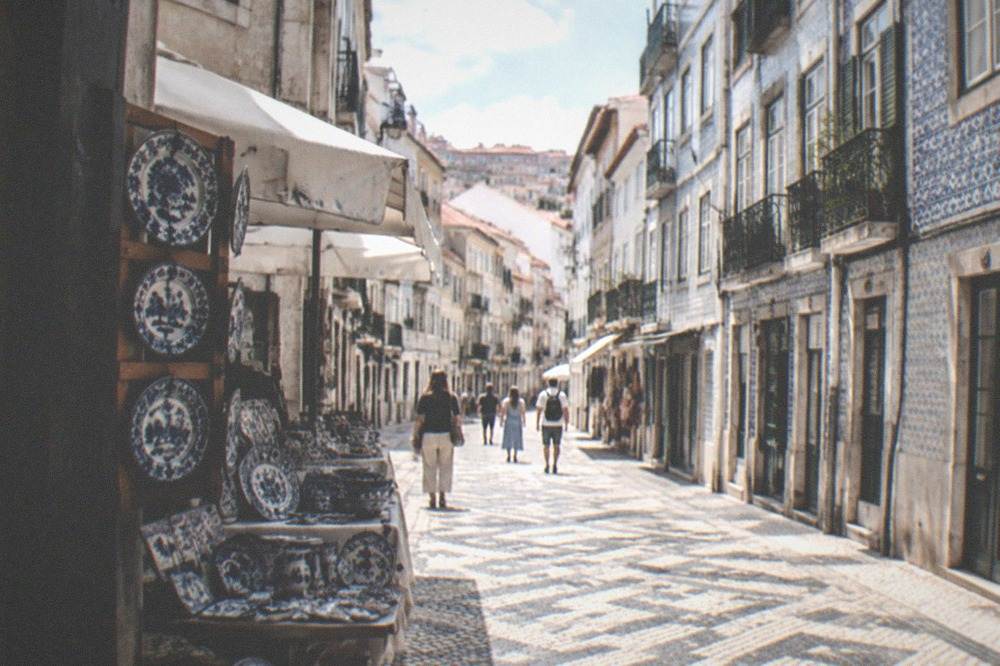
Yes, Coimbra has a craft and ceramics tradition sold both at permanent shops and at seasonal and festive markets, and the city's own pottery style, decorated in the blue-and-white manner associated with the city, is the thing to look for, alongside embroidery, cork work and student-themed crafts that appear around the academic festivals in May and the Christmas season. The pottery tradition is the one with a genuine local identity.
Coimbra's ceramics are a distinct tradition, painted in blue, yellow and green on tin-glazed ware, and the workshops that keep it are covered on the Coimbra pottery and ceramics page. A market stall selling genuine local ware will say where it was made, and the painted pieces are noticeably different from the mass-produced souvenir ceramics that travel through every Portuguese gift shop. The distinction matters: Coimbra pottery is a named tradition with a recognisable style, and it costs more than imported souvenir stock.
The festive calendar does the rest. Christmas markets fill the seasonal stalls with crafts, sweets and decorations, and the student festivals bring a different, younger market of printed posters, capes, ribbons and second-hand goods into the streets. The festivals and events pages track when the academic year puts the city in party mode, and the Christmas and winter events page does the same for December.
What Does a Market Day in Coimbra Cost?
A market day in Coimbra costs nothing to enter, but budget for three verified municipal charges: the 1.00 EUR tourist tax per guest per night, capped at three consecutive nights and payable to your accommodation from age 16, plus whatever you spend at the stalls, where planning ranges of roughly 10 to 25 EUR per person cover a light market lunch and a few purchases, and 20 to 40 EUR cover a serious shop with wine and ceramics. The stall figures are planning ranges, not operator promises: prices move with the season and the stall.
The tourist tax is the one fixed, verified number, and it is widely misquoted. The municipality's own service pages confirm the current rate is 1.00 EUR per guest per overnight stay, in force since 5 April 2023, capped at three consecutive nights per person, charged all year with no low-season exclusion, and payable directly to the accommodation at check-in or check-out, not through a booking platform. The municipality's worked example is a couple staying seven nights who pay 3.00 EUR each, 6.00 EUR total. A rise to 2.00 EUR was approved as a proposal by the municipal executive on 21 July 2026, but the municipality's own tax pages still fix the rate at one euro, so one euro is what a visitor should expect to be charged today.
| Charge | Amount | Rule | Source class |
|---|---|---|---|
| Municipal tourist tax | 1.00 EUR per guest per night | Max 3 consecutive nights, from age 16, paid to the accommodation, all year | Municipality's own service page |
| Market entry | Free | Markets are shops, no gate or ticket | General, no fee exists |
| Suggested market lunch budget | about 10 to 25 EUR per person | Planning range, check the stall | Planning range, not a promise |
| Shopping budget with wine and ceramics | about 20 to 40 EUR per person | Planning range, check the stall | Planning range, not a promise |
The municipality's own 2025 figures explain why the tax exists at all. Coimbra recorded 698,151 overnight stays in 2025, a municipality-level figure published by the Câmara Municipal itself, and its study put the municipal cost associated with tourism at 3.49 EUR per overnight stay, against which the one-euro tax sits below cost. That is a genuinely official number almost no competing guide carries.
How Do the Markets Fit Into a Day of Sightseeing in Coimbra?
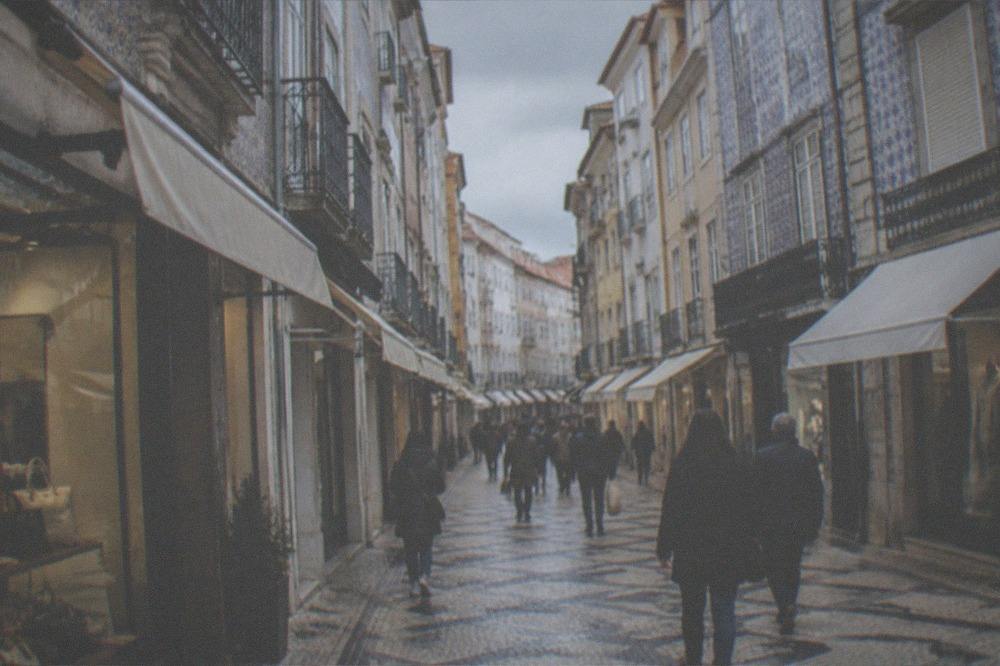
The market quarter sits at the bottom of the city's main sightseeing axis: the Baixa's stalls and the covered hall are a short walk from the riverside, the funicular and the lanes up to the university hill, so the natural day runs market first, old town second, and the university's timed-ticket spaces last, with the Joanina Library's 50 people per 20 minutes rule the one constraint that dictates the order. Book the Joanina slot first, then build the market around it.
The university's own ticketing is the fixed structure of any Coimbra day. The combined ticket including the Biblioteca Joanina costs 16.50 EUR for an adult, valid for two days except the Joanina slot, which is fixed and printed on the ticket; the version without the library is 12.50 EUR. The Joanina admits 50 people every 20 minutes, entry outside the printed slot is refused, and online purchase closes 20 minutes before the visit time. That ceiling is the only genuine scarcity fact in the city, and it is why the library slot, not the market, should be booked first. Full detail is on the Joanina Library tickets and university tickets pages.
| Verified Coimbra ticket | Adult price | What it covers |
|---|---|---|
| University combined ticket with Joanina Library | 16.50 EUR | Joanina timed slot, Royal Palace, St Michael's Chapel, Chemistry Laboratory, Academic Museum, valid 2 days |
| University ticket without Joanina | 12.50 EUR | The same spaces, without the library |
| Sé Velha de Coimbra | 3.00 EUR | The Old Cathedral, individual ticket |
| Mosteiro de Santa Cruz | 5.00 EUR | The visitable monastery including the royal tombs |
| Conímbriga, museum and ruins | 10.00 EUR | One combined ticket, about 16 km south in Condeixa-a-Nova |
Two monuments deserve a market-day mention. Santa Cruz, the burial church of Portugal's first two kings, is in the Baixa itself, close to the market quarter, and its visits are suspended on the Cortejo da Queima das Fitas, a moveable Sunday in the festival season. And the Museu Nacional de Machado de Castro, which sits above a mid-1st-century Roman cryptoporticus, is closed for conservation work, so it cannot be planned into a current itinerary at all; the Machado de Castro museum page explains what that means for a visit.
Can You Combine a Coimbra Market with a Day Trip?
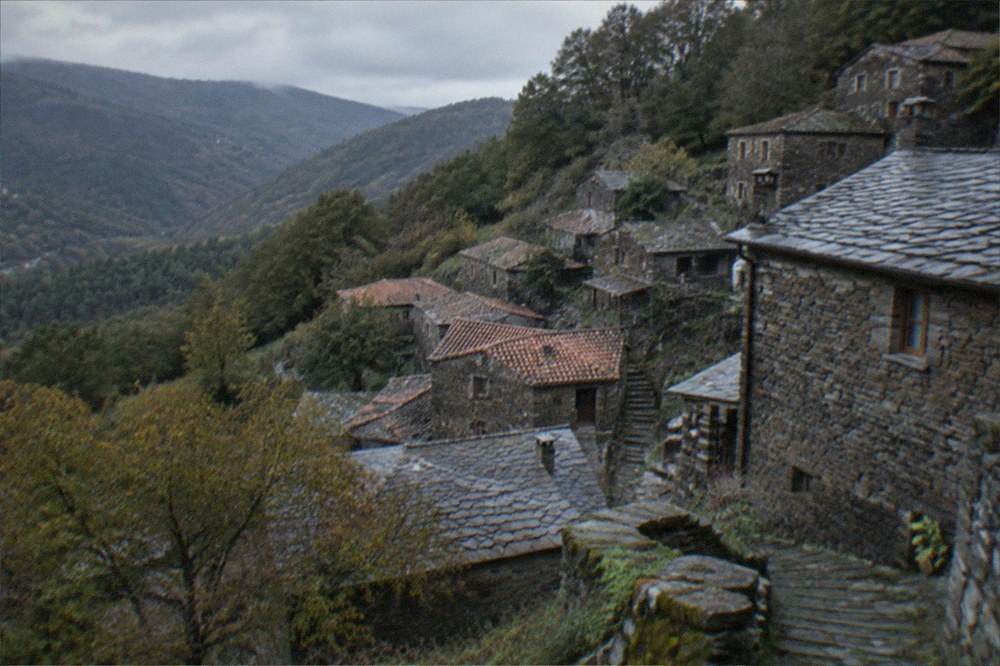
Yes, and the natural pairing is a market morning in the city followed by an afternoon in the schist villages of the Lousã or the Roman ruins of Conímbriga, both of which are half-day tours from the city, with Conímbriga about 16 km south in the parish of Condeixa-a-Velha in the municipality of Condeixa-a-Nova, and its museum and ruins covered by a single 10.00 EUR adult ticket open daily 10:00 to 18:00. Conímbriga is open seven days a week, which makes it the reliable Monday option when other monuments shut.
The schist villages run the other direction, into the hills east of the city. The Lousã day trip and day trips pages cover the options, and several guided tours from the roster do the drive with a local: the Schist Villages at Lousa Mountain tour, from $105.37 per person and rated 4.9 from 133 reviews, and the soft canyoning trip on the river Ceira, from $58.54 per person and rated 4.9 from 79 reviews, both four-hour-plus outings booked through the operator's live listing.
For visitors arriving from the north or south rather than already in the city, the practical pages are Porto to Coimbra and Lisbon to Coimbra, and the two confusingly similar train stations, Coimbra-A and Coimbra-B, have their own explanation on the train stations A and B page. What matters for a market day is simple: the stations exist, they are in different places, and CP's own site is where the stopping patterns and connections must be checked, because this site does not publish unverified timetable detail.
What Should You Know About Market Etiquette in Coimbra?
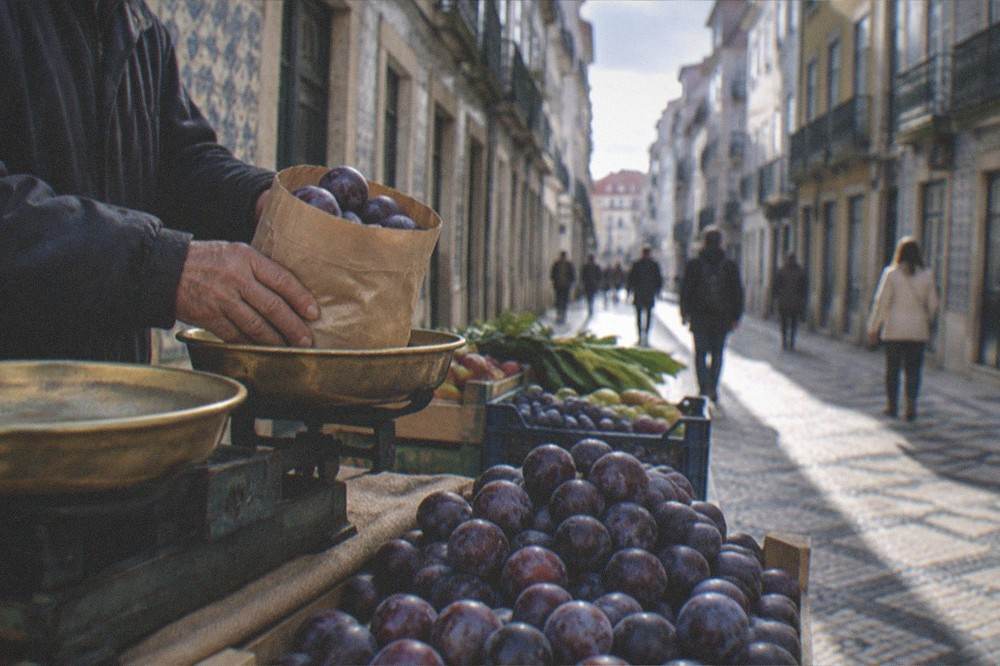
The rules that matter are Portuguese ones: greet the stallholder before asking a price, expect produce to be sold by the kilo rather than by the piece, let the vendor choose and bag the fruit if that is what they are doing, carry some cash because not every small stall takes cards, and do not photograph stallholders' faces without asking. None of this is Coimbra-specific, but all of it is the difference between a smooth purchase and a cold one.
The language gap is smaller than visitors fear. A greeting, a pointed finger and a number work at any stall, and prices are usually marked. Weighing is done by the vendor, and in many Portuguese markets the stallholder picks the individual fruit themselves, which strikes some visitors as pushy and is in fact the opposite: it is the vendor guaranteeing the quality of what leaves the stall.
Tipping is not part of market culture, unlike in restaurants where rounding up is appreciated, and bargaining is largely absent from food stalls, though it is normal at some craft and festive stalls. The restaurants page covers the restaurant side of the question, including the local custom on tipping at the table.
Common Questions About Coimbra Markets
What is the main market in Coimbra, Portugal?
The main market is the covered municipal market hall in the Baixa, the low quarter between the university hill and the River Mondego, surrounded by the shopping lanes that have been the city's trading district for centuries. It is a working food market with no entry charge.
Do you have to pay to enter a Coimbra market?
No. Coimbra's markets are shops, not monuments, and no entry fee exists. The only fixed municipal charge a visitor faces is the tourist tax, 1.00 EUR per guest per night, capped at three consecutive nights and paid to the accommodation, not to any market or venue.
What food is Coimbra famous for at its markets?
Leitão da Bairrada, salt cod, sheep and goat cheeses, olives and olive oil, regional breads and the city's arrufadas, chestnuts in autumn, and Bairrada sparkling wine. The traditional dishes page covers each in full.
When is the best month for market shopping in Coimbra?
June, July and September, according to the IPMA 1991 to 2020 normals for the Coimbra / Bencanta station: July is effectively dry at 8.9 mm of rain, and September is hotter than June at 27.4 C mean maximum with only 49.9 mm of rain and thinner crowds. October and November, at 114.5 mm and 121.5 mm, are the wet months.
Can you buy Coimbra pottery at the markets?
Yes, at craft stalls and seasonal markets, and the city's own painted ceramics tradition is the genuine article to look for. The Coimbra pottery and ceramics page explains how to tell local ware from imported souvenir stock.
Is a market visit a good activity with children?
Yes, and the city's family favourite, Portugal dos Pequenitos, the miniature village designed by Cassiano Branco and opened in 1940, sits across the river and pairs naturally with a market morning. Its hours are published on the venue's own horário page, 10:00 to 17:00 in the winter period and 10:00 to 19:00 from 1 March to 15 October, though its ticket prices should be checked on the venue's own ticket page.
A market morning in Coimbra is the cheapest way to understand what the city eats, and the stalls tell the region's story, pig and wine from the Bairrada, fish from the Atlantic, chestnuts from the hills, faster than any museum can. Shop the way the city does, greet the vendor first, carry a little cash, and let the season decide what goes in the bag.