Is Coimbra Worth Visiting? An Honest Answer for Portugal's University City
Coimbra, the university city on the River Mondego in central Portugal, is worth visiting for most travellers, and this page lays out the verified prices, timings and closures that decide it either way.

Short answer
Yes, for most travellers. Coimbra, Portugal rewards a one to two day visit built around the University hill, the 16.50 EUR combined ticket that includes the Biblioteca Joanina, and the old town below it, at costs far below the bigger coastal cities.
Coimbra, Portugal, the university city on the River Mondego, roughly midway between Porto and Lisbon, gets called a lot of things: the country's Oxford, a stop on the train line, a student town with a baroque library. The honest question a planner asks is narrower. Is it worth your limited days in Portugal, and what does it actually cost and feel like once you are there? This page answers that with verified figures rather than impressions, because the numbers here are unusually decisive. The University's own visit site prices its combined ticket at 16.50 EUR, the municipality recorded 698,151 overnight stays in 2025, and the state weather service's 1991 to 2020 normals for the city's own station tell you exactly which months to pick. Nobody writing this has been to Coimbra, and that is the point: every figure below comes from a primary source, and the few things nobody could verify are flagged as such rather than glossed over.
Is Coimbra, Portugal Worth Visiting at All?
For most travellers planning a route through central Portugal, yes, Coimbra is worth visiting, and one to two days is enough to justify the stop. The city's core offer is concentrated: a university hill with a baroque library, an old cathedral, a royal monastery and a riverside old town, all walkable, with a combined university ticket at 16.50 EUR and monument tickets at 3.00 and 5.00 EUR.
The alternative uses of those days, more time in the coastal cities, cost more and deliver a different, not obviously better, experience.
The case for Coimbra rests on density rather than quantity. The University of Coimbra publishes a figure of about 31,000 students, and the city's whole character flows from that: the black-caped student dress, the fado sung only by men in the local tradition, the Repúblicas, the student houses of the old town. UNESCO inscribed "University of Coimbra, Alta and Sofia" on the World Heritage list in 2013, reference 1387, and the phrasing matters. It is the university hill and the college street that carry the inscription, not the city as a whole. A guide that calls Coimbra "a UNESCO World Heritage city" is telling you something false, and it is the single most common error in coverage of this city.
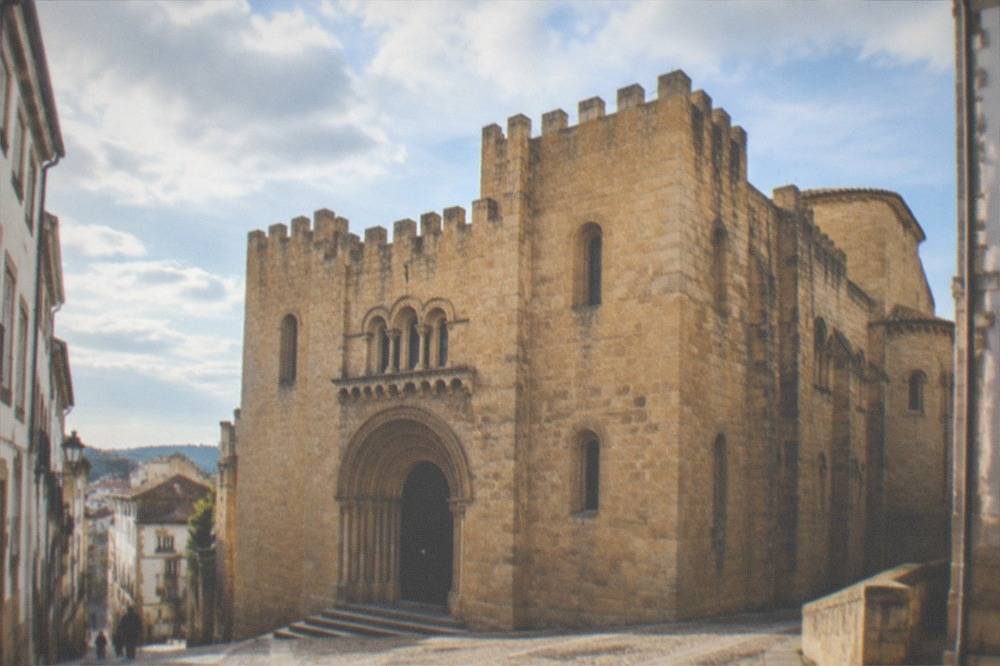
What the inscription does confirm is that the university precinct is genuinely exceptional. The Paço das Escolas, the Royal Palace core the University still occupies, the Capela de São Miguel, the Biblioteca Joanina and the Rua da Sofia colleges form a coherent ensemble few mid-sized European cities can match. Add Mosteiro de Santa Cruz, the burial church of Portugal's first two kings, and the Sé Velha, and the monument stock justifies the journey on its own.
The municipality's own numbers back the judgement. Its 2025 accounting, published in the report justifying the tourist tax, records 698,151 overnight stays in the municipality in 2025, and estimates its own cost per overnight stay at 3.49 EUR against a one-euro tax. This is a city that receives real visitor volume without being saturated, which is a combination worth paying attention to.
For a fuller run-down of the sights themselves, see the site's Coimbra attractions guide, and for the short version of this same question, is Coimbra worth visiting for tourists? covers the verdict in brief. This page is part of Coimbra Travel Guide, where every price is traced to the venue that charges it.

Is the University of Coimbra Worth the Ticket Price?
Yes. The 16.50 EUR combined adult ticket covers the Biblioteca Joanina, the Royal Palace, the Capela de São Miguel, the Chemistry Laboratory, the Academic Museum, the Cabinet of Curiosities and the Mineral Gallery, and it is valid for two days apart from the fixed library slot. The library admits only 50 people every 20 minutes, the time printed on your ticket is that library slot, and entry outside it is refused, so the ticket buys access to something genuinely rationed.
The University's own visit page states the prices and, more importantly, the mechanics. The Joanina cannot be bought on its own; it exists only inside the combined ticket. Online purchase closes 20 minutes before the visit time, and counter purchase is possible only if a slot remains. That 50-per-20-minutes ceiling is the one real scarcity fact in Coimbra, and it is the reason a summer visitor who turns up without a pre-booked slot can be turned away from the single most famous interior in central Portugal.
| University of Coimbra ticket | Adult price | What it includes | Validity |
|---|---|---|---|
| Joanina Library + University + Science Museum | 16.50 EUR | Joanina, Royal Palace, St Michael's Chapel, Chemistry Laboratory, Academic Museum, Cabinet of Curiosities, Mineral Gallery | 2 days, fixed Joanina slot |
| University + Science Museum | 12.50 EUR | Same spaces without the Joanina | 2 days |
| Guided tour, Palace of Schools | 25.00 EUR | Guide-led visit, Science Museum spaces not included | 1h30 |
| Science Museum + UC Exploratório | 16.00 EUR | Chemistry Laboratory, Academic Museum, Cabinet of Curiosities, Mineral Gallery, UC Exploratório | Does not include Palace spaces |
| Guided tour, Botanical Garden | 10.00 EUR | Guide-led garden visit | 1h30 |
Two closures shape any honest answer. The Torre da Universidade, the clock tower, is closed: the University's own information page states "We regret to inform you that this facility is closed", so no ticket, price or climb exists. And the Museu Nacional de Machado de Castro, the national museum built above a mid-1st-century Roman cryptoporticus, is closed for conservation work according to its own page on the national museums portal. A guide offering you a tower climb or a museum ticket is selling you something that does not currently exist.
The library itself is the argument for the full 16.50 EUR ticket, and the reason is not just the gilded shelving. The University's own pages confirm the Joanina houses a colony of bats that patrol the book stacks at night, eating the insects that would otherwise damage the volumes, one of the more improbable working conservation systems in Europe. Twenty minutes inside is what the slot allows, and the visit is timed for exactly that.
For the full mechanics of the library visit, the site's dedicated Joanina Library tickets guide walks through slot strategy.
A guided visit removes the slot risk entirely, because the operator holds the booking. The listing for the University of Coimbra guided tours without queue covers tickets and a group of eight, from $70.24 per person, rated 4.9 from 576 reviews, and you can Check availability at the operator's live listing.

What Does a Trip to Coimbra Actually Cost?
A one-day visit to Coimbra costs roughly 30 to 50 EUR per person in sightseeing and local transport before food and bed: the 16.50 EUR university ticket, a 3.00 EUR cathedral ticket, a 5.00 EUR monastery ticket, and a 2.00 EUR bus fare if you use one, plus a 1.00 EUR per night tourist tax paid at your accommodation, capped at three nights. Food and lodging sit below the coastal cities, though no verified price exists for any individual restaurant.
The tourist tax is the figure most guides get wrong, so it is worth stating precisely. The municipality's own service page sets the taxa municipal turística at 1.00 EUR per guest per overnight stay, from age 16, charged all year, paid directly to the accommodation at check-in or check-out, and capped at three consecutive overnight stays per person. The municipality's worked example: a couple staying seven nights pays 3.00 EUR each. A two-euro rate was approved as a proposal by the municipal executive in July 2026, but the published rate on the municipality's own tax pages remains one euro, so that is the number to budget.
| Cost item | Verified figure | Source basis |
|---|---|---|
| Tourist tax | 1.00 EUR per guest per night, max 3 nights, age 16+ | Municipal tax page |
| University combined ticket | 16.50 EUR adult | visit.uc.pt |
| Sé Velha individual ticket | 3.00 EUR | Unidade Pastoral Aeminium |
| Mosteiro de Santa Cruz individual ticket | 5.00 EUR | Unidade Pastoral Aeminium |
| Conímbriga museum and ruins | 10.00 EUR adult | National museums portal |
| SMTUC bus, ticket from driver | 2.00 EUR | 2026 SMTUC tariff |
| SMTUC bus, pre-purchased, 3+ trips | 0.90 EUR per trip | 2026 SMTUC tariff |
The bus tariff deserves a line of explanation. The 2026 SMTUC tariff, in force since 1 April 2026, prices a driver-bought single at 2.00 EUR and a pre-purchased trip, in packs of three or more, at 0.90 EUR, with each journey valid 90 minutes on the urban network including transfers. The same tariff sells titles marked valid on both the SMTUC and the new Metro Mondego network, so a bus ticket now works on the city's partly opened BRT system too. The tariff's day-pass grid could not be mapped to its rows with confidence, so no day-pass price appears here.
For planning meals, the site's Coimbra restaurants guide covers the city's dining, and the Bairrada roast suckling pig guide covers the region's signature dish, though no individual restaurant price was verified on this build and none is invented here.
When Is the Best Time to Visit Coimbra?
June and September are the best months to visit Coimbra. IPMA's 1991 to 2020 normals for the Coimbra / Bencanta station show September with a mean maximum of 27.4 C, higher than June's 26.3 C, on only 49.9 mm of rain, while July at 8.9 mm is effectively dry but crowded around the academic calendar. The rain does not arrive in earnest until October, when the monthly total jumps to 114.5 mm, and November is the wettest month at 121.5 mm.
The climate table below is the city's own station, number 707 at Bencanta, 3 km from the centre, not a coastal proxy, and it inverts a piece of common advice. September is not "cooler and damper than June", as a careless guide will say; it is hotter and wetter than June, and still an excellent month, because 49.9 mm spread over 5.2 rain days is not a washout. What is true is that the autumn rain holds off until October.
| Month | Mean max C | Mean min C | Rain mm | Days 1mm+ | Days 25C+ |
|---|---|---|---|---|---|
| May | 23.3 | 11.8 | 64.7 | 8.5 | 9.9 |
| June | 26.3 | 14.2 | 26.0 | 3.7 | 17.8 |
| July | 28.5 | 15.6 | 8.9 | 1.7 | 26.1 |
| August | 29.1 | 15.7 | 14.8 | 2.2 | 28.0 |
| September | 27.4 | 14.1 | 49.9 | 5.2 | 21.9 |
| October | 23.2 | 11.9 | 114.5 | 10.3 | 9.9 |
| November | 18.0 | 8.3 | 121.5 | 11.5 | 0.7 |
August, not July, is the hottest month on both mean and mean maximum, and it averages 10.9 days above 30 C. The record extremes at the same station are 41.2 C on 7 August 2016 and minus 4.3 C on 20 January 2017, which tells you the range is real in both directions. The full monthly breakdown is in the site's Coimbra weather guide.
One calendar warning that is official: the University closes its visitor circuit on 24 May, and Mosteiro de Santa Cruz suspends visits on the Cortejo da Queima das Fitas, a moveable Sunday in May. The Queima, the student festival that fills the city each May, is a genuine spectacle and a genuine disruption at once. Exact festival dates could not be verified from the Associação Académica's own site, so check there before planning a May trip around it.

Is One Day in Coimbra Enough?
One day is enough to see the core of Coimbra and justify the stop, but two days is the better plan if you want the 16.50 EUR ticket's full two-day validity and a calmer pace. The essential circuit, the Paço das Escolas and Joanina slot, the Sé Velha, Mosteiro de Santa Cruz and the old town lanes between them, fits into a full day with an early start; the second day buys you the Botanical Garden, the riverside, and a fado evening without rushing.
The two-day validity of the university ticket is the practical argument for staying a night. The ticket covers seven spaces, and the University itself stamps it valid for two days precisely because the full circuit does not compress comfortably into one. The Joanina slot is fixed, but the Royal Palace, chapel and museum spaces can be split across days.
The fado evening matters more here than in most Portuguese cities, because Coimbra's fado tradition is distinct: it is sung by men, historically students, and it is tied to the university rather than the Lisbon tavern. A live show with a glass of port wine runs from $18 per person, rated 4.7 from 1,234 reviews on the operator's listing, about 50 minutes. The site's where to hear fado in Coimbra guide covers the venues and the etiquette.
For the compressed version, the one day Coimbra itinerary is built around exactly this question, and the two day itinerary is the recommended pace.
| Time budget | What it realistically covers | What it misses |
|---|---|---|
| Half day | Paço das Escolas circuit with a Joanina slot, Sé Velha | Santa Cruz, riverside, fado, Botanical Garden |
| One day | University ticket, Sé Velha, Santa Cruz, old town walk | Botanical Garden, fado evening, any day trip |
| Two days | Everything above plus the garden, the riverbank and a fado night | The day trips still need their own day |
| Three days | Everything above plus one day trip, Conímbriga or the schist villages | A second day trip |
What Can You See Around Coimbra on a Day Trip?
Conímbriga, the Roman town about 16 km south in the parish of Condeixa-a-Velha, in the municipality of Condeixa-a-Nova, is the standout day trip from Coimbra, with a 10.00 EUR adult ticket covering museum and ruins together and opening seven days a week, 10:00 to 18:00. The schist villages of the Lousã mountain are the second, a landscape of stone hamlets that no other Portuguese city trip offers at this distance, with tours from $87.81 per person.
Conímbriga's seven-day opening is a genuinely useful detail: the national monuments inside Coimbra that close on Mondays make it the reliable Monday option, and the museum's own page confirms daily 10:00 to 18:00 hours with the ticket office closing at 17:15. The ruins are among the most extensive Roman domestic remains in the Iberian peninsula, and the site's own Conímbriga guide covers what to look at, with is Conímbriga worth visiting? giving the short verdict.
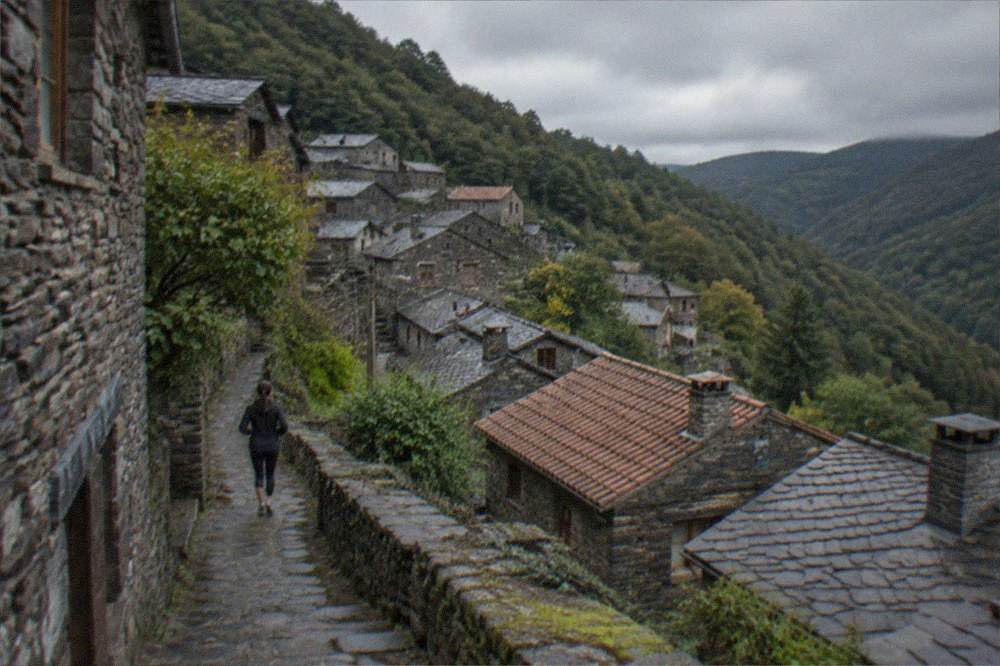
The schist villages are the other half of the day-trip case, and the reason is that they are nothing like the city. The Lousã mountain villages, Talasnal among them, are restored stone settlements in forested terrain, and the tour options range from a four-hour group tour from $105.37 per person, rated 4.9 from 133 reviews, to a private half-day version from $87.81 per person with a coffee stop, rated 5 from 105 reviews.
| Day trip from Coimbra | Tour type | From price | Rating | Duration |
|---|---|---|---|---|
| Conimbriga and The Roman Tour | Guided group, ruins | $105.37 per person | 4.8 from 136 reviews | 4 hours |
| Conímbriga Roman Ruins and Museum, private | Private, ruins and museum | $93.66 per person | 4.7 from 34 reviews | 3 hours |
| Schist Villages at Lousa Mountain | Guided group, villages | $105.37 per person | 4.9 from 133 reviews | 4 hours |
| An adventure through the Schist Villages of Lousã | Private half-day, coffee stop | $87.81 per person | 5 from 105 reviews | 3 to 4 hours |
| Schist Villages and medieval castles tour | Group, natural pool swim, hotel pickup | $126 per person | 4.9 from 56 reviews | 4h 30m |
Getting to and from the city is covered in the site's Lisbon to Coimbra guide, and the two-station question, Coimbra-B versus Coimbra-A, is unpacked in the train stations guide. The short version: two stations exist with confusingly similar names, they are in different places, and CP, the national operator, is where to confirm which trains call where, because this build could not verify the stopping pattern from an official source and will not guess.
What Are the Honest Downsides of Visiting Coimbra?
Coimbra's downsides are real but bounded: the city is built on a hill, so the old town is steep walking; two major sights, the Machado de Castro museum and the Santa Clara-a-Velha monastery, are closed for works as of late 2026; the university tower cannot be climbed; and the Joanina's 50-people-per-20-minutes ceiling means no guaranteed entry without a pre-booked slot. None of these sinks the visit, but all of them change how you should plan it.
The closures are the part most likely to catch a visitor who read an older guide. The Machado de Castro's own page states the closure plainly, with a reopening in phases targeted after the summer of 2026, so check the museum's own page before counting on it. Santa Clara-a-Velha has had no page at all on the national museums portal, consistent with a full closure for requalification works since 20 October 2025; no price or opening time for it can be verified, and none appears here.
The hills are the permanent condition. The climb from the Baixa, the lower town, to the Paço das Escolas is the price of the view, and the city's layout makes it unavoidable if you want the university, which you do. The Elevador do Mercado exists as a public lift linking the levels, but the 2026 SMTUC tariff gives it no standalone visitor price that this build could confirm, so treat it as infrastructure you may find rather than a priced attraction to plan around.
The final honest point is about expectations. Coimbra is not a beach city: the district of Coimbra reaches the Atlantic and contains Figueira da Foz, but the city itself does not touch the sea, and any "beaches of Coimbra" framing confuses two different geographies. It is also not a nightlife metropolis; it is a mid-sized student city whose evenings run on fado houses and student tradition rather than large clubs. The site's is Coimbra worth staying in? page takes the lodging question further.

So, Is Coimbra Worth Visiting? The Verdict
Coimbra is worth visiting for anyone whose Portugal trip includes central Portugal or the Lisbon to Porto rail line, and it is a clear yes for travellers who want history, a working university atmosphere and a walkable old town at a cost of roughly 30 to 50 EUR a day in sightseeing. It is a weaker pick for beach-focused travellers, since the city has no sea, and for anyone who needs every major museum open, since two are currently in conservation works.
The decision table below compresses the whole page. The prices are the University's own, the parish's own, or the operator's own; the climate figures are IPMA's 1991 to 2020 normals for the city's station; the closures are the venues' own statements.
| Traveller type | Verdict | The deciding factor |
|---|---|---|
| First visit to Portugal, 7+ days | Yes | The city sits on the main rail line and adds a distinct university character |
| Short city break, 2 to 3 days | Yes | The core circuit fits two days at low ticket cost |
| Beach-focused trip | Skip | The city has no coast; the district does, 37 km west |
| Roman history interest | Strong yes | Conímbriga opens daily, 10.00 EUR, 16 km south |
| Family with young children | Yes, with a day at Portugal dos Pequenitos | Hours 10:00 to 19:00 in the main season; prices must be checked on the venue's own ticket page |
| Museum-completist itinerary | Wait | Machado de Castro and Santa Clara-a-Velha are closed for works |
One venue in that table needs its caveat stated here rather than hidden in a footnote: Portugal dos Pequenitos publishes its hours on its own page, 10:00 to 19:00 from 1 March to 15 October and 10:00 to 17:00 in the winter window, but its price page renders client-side and no euro amount could be verified from the served page, so the site's Portugal dos Pequenitos guide links the venue's own ticket page rather than printing an unverified number.
The cheapest structured introduction to the city is the Coimbra Top Attractions Walking Tour, from $5.85 per person, rated 5 from 151 reviews over two and a half hours, which covers the university hill and the old town on foot. For anyone who would rather walk first and decide later, GuruWalk also runs free, tip-based tours of Coimbra, including the Coimbra tour of downtown, historic center, university and botanic garden, rated 4.91 from 662 reviews over three hours with a local guru, booked on the GuruWalk platform. Those free walks are not this site's product, and the tip is the whole price.
Common Questions About Whether Coimbra Is Worth Visiting
Is Coimbra worth visiting?
Yes, for most travellers. The university hill and its 16.50 EUR combined ticket, the Sé Velha at 3.00 EUR, Mosteiro de Santa Cruz at 5.00 EUR and the old town between them justify one to two days, at costs well below the coastal cities.
Is Coimbra a UNESCO World Heritage city?
No. UNESCO inscribed "University of Coimbra, Alta and Sofia" in 2013, list reference 1387, covering the university hill and the Rua da Sofia college street. The city as a whole is not inscribed, and guides that say otherwise are wrong.
How many days do you need in Coimbra?
One day covers the core circuit; two days is the better plan because the university ticket is valid for two days and the second day buys the Botanical Garden, the riverside and a fado evening without rushing.
What is the tourist tax in Coimbra?
1.00 EUR per guest per overnight stay, from age 16, capped at three consecutive nights per person, paid to the accommodation. A two-euro rate was approved as a proposal in July 2026 but the published rate remains one euro.
Can you visit the Biblioteca Joanina without a booking?
Risky. The library admits 50 people every 20 minutes, the time on your ticket is the fixed library slot, and entry outside that slot is refused. Online purchase closes 20 minutes before the visit time, and counter purchase depends on slots remaining.
Is Coimbra expensive?
No. The verified sightseeing costs total roughly 30 to 50 EUR per person for a full day including the 16.50 EUR university ticket, the two main monument tickets and a 2.00 EUR bus fare, plus the 1.00 EUR per night tourist tax, before food and lodging.
The short version of this whole page: Coimbra, Portugal is worth the visit, the numbers that decide it are published by the University, the parish, the municipality and the weather service rather than by anyone's impressions, and the two things to book before you arrive are a Joanina slot and, if May is your month, a check on the Queima dates.