The Schist Villages Near Coimbra, Portugal: Which to Visit and How
The schist villages of the Lousã mountains are the most rewarding day trip from Coimbra, Portugal: abandoned stone hamlets restored to life an hour's drive into the hills, with slate-walled lanes, river pools and forest tracks.
Short answer
The schist villages are restored stone hamlets in the Lousã mountains south of Coimbra, Portugal. Talasnal is the best known and the easiest to reach; the villages are reached by car or a guided tour from Coimbra, and the best months are May, June and September.
The schist villages of the Lousã mountains are the day trip that most visitors to Coimbra, Portugal never hear about, and they are the one this site's writers would push hardest if pushed. The city on the River Mondego, home of the University of Coimbra and the Joanina Library, sits close to a wall of forested hills to its south, and in those hills sits a string of small hamlets built entirely from the dark local schist stone: walls, roofs, doorframes, staircases, the lot. Several were abandoned in the middle of the twentieth century and later restored through a national programme that brought them back to life as guesthouses, craft workshops and walking destinations. The result is a day out that feels nothing like the baroque old town you came for, which is exactly the point. This guide, from the Coimbra Travel Guide editorial desk, covers which villages to choose, how to get there, what the tours cost and when to go.
What Are the Schist Villages Near Coimbra, Portugal?
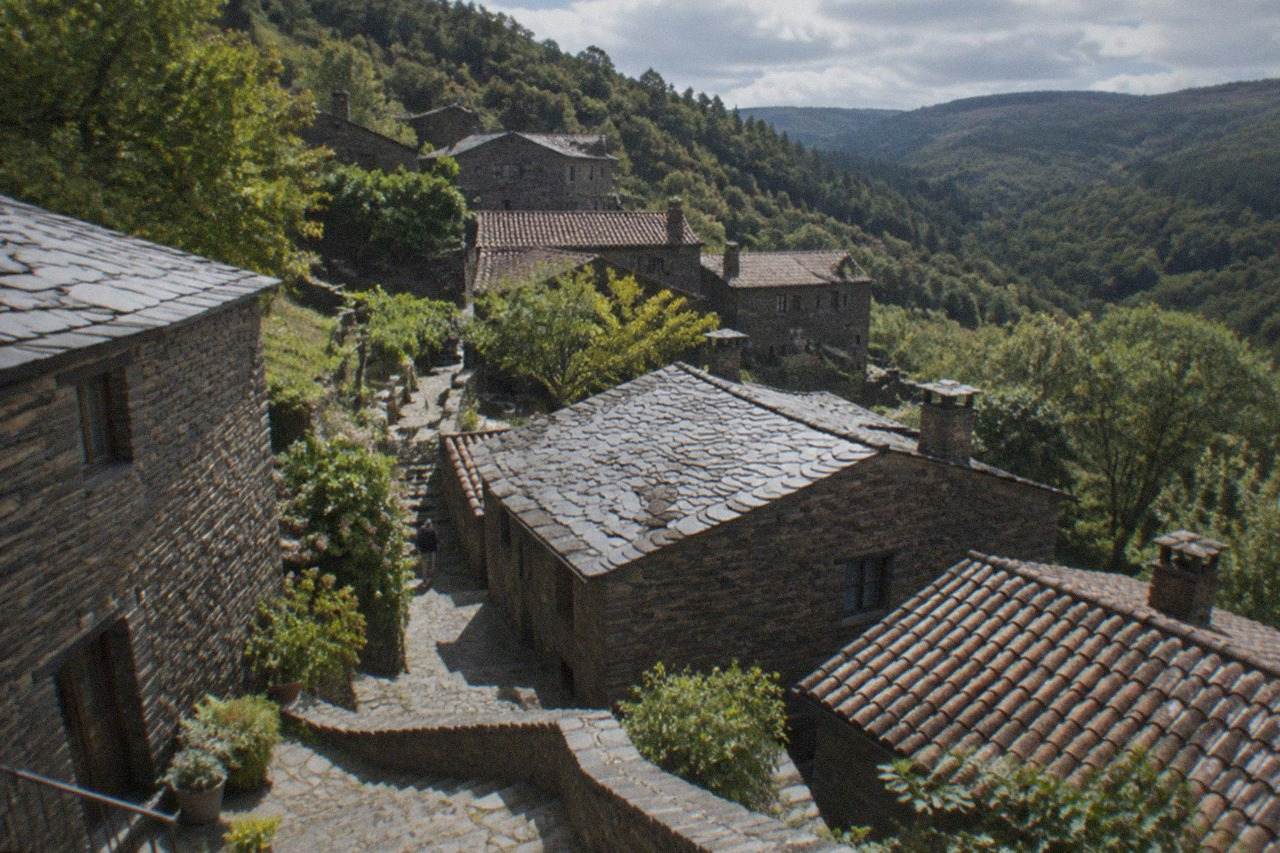
The schist villages are small stone hamlets in the Lousã mountain range south of Coimbra, Portugal, built from local dark schist and many of them restored after decades of abandonment. The best known are Talasnal, Casal Novo and Chiqueiro, reached from the town of Lousã. They are a day trip inland into forested hills, not a coastal excursion, and the whole area sits well under a day's return journey from the city.
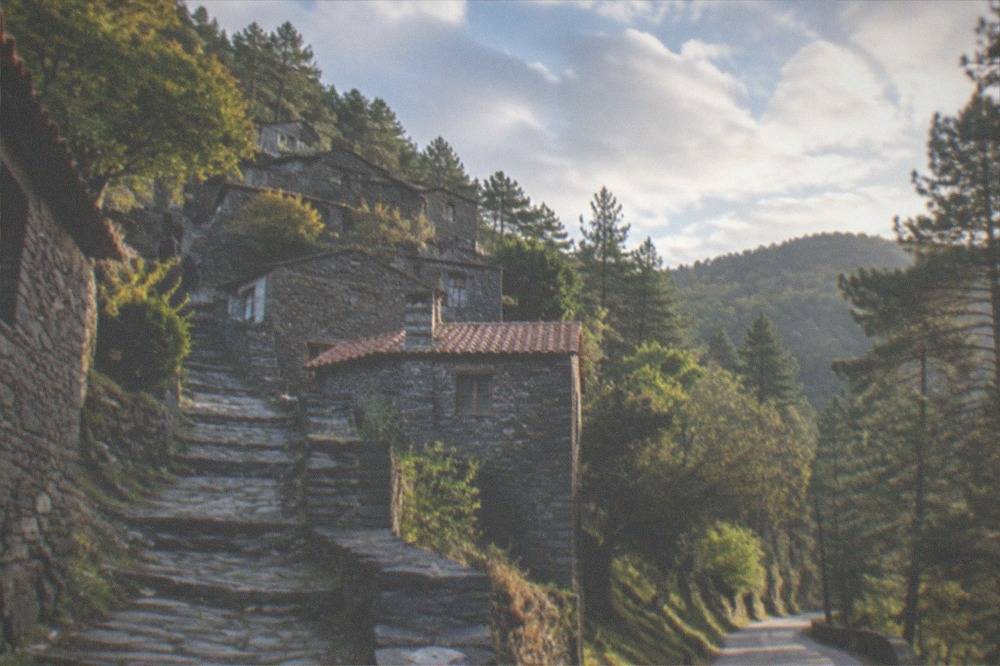
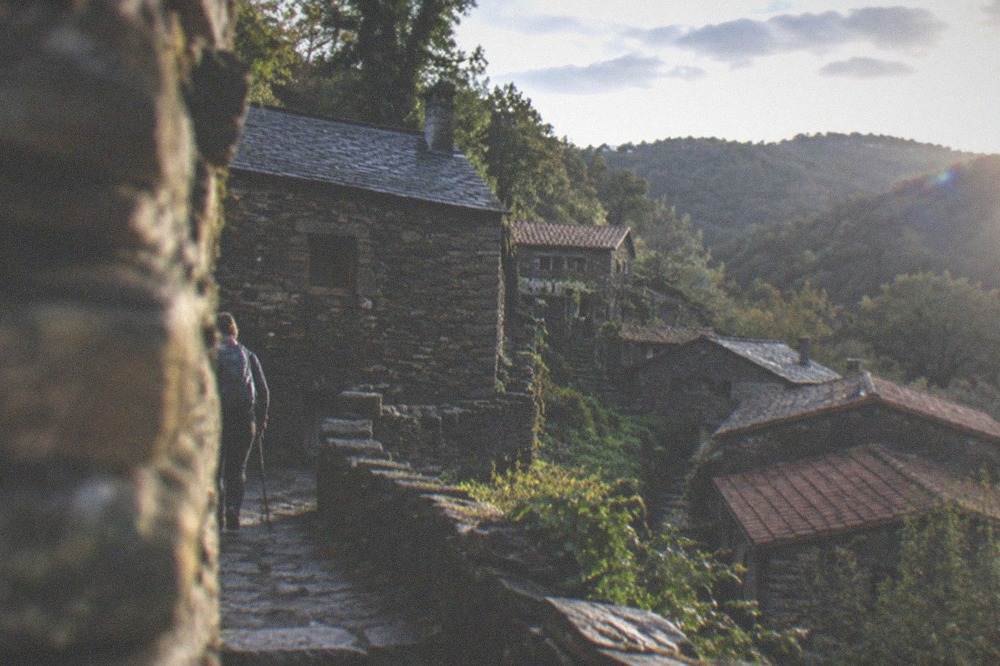
Schist is a layered stone that splits into flat plates, which is why the houses in these villages look as though they were roofed and walled with slate shingles. The villages grew up around farming, charcoal burning and water mills, and as that economy collapsed in the twentieth century the families left, one by one, for the towns. Several hamlets ended up as empty shells. A national restoration programme rebuilt the houses using the same techniques and materials, and today the villages hold a scatter of guesthouses, cafés and craft shops alongside ordinary homes.
The setting is what makes them worth the drive. The Lousã mountains are steep, green and heavily wooded, with streams cutting down between the ridges, and the villages perch on the slopes or tuck into the valley folds. Walking between them is the classic way to spend the day: the paths are old mule tracks, stone-paved in places, and the routes between neighbouring villages are short enough that a fit walker can link three or four in an afternoon.
For background on how these villages fit alongside the city's better known sights, see what to see in Coimbra; for the wider choice of days out, the Coimbra day trips overview lists every option from the city, coastal Figueira da Foz included.
Which Schist Villages Should You Visit from Coimbra?
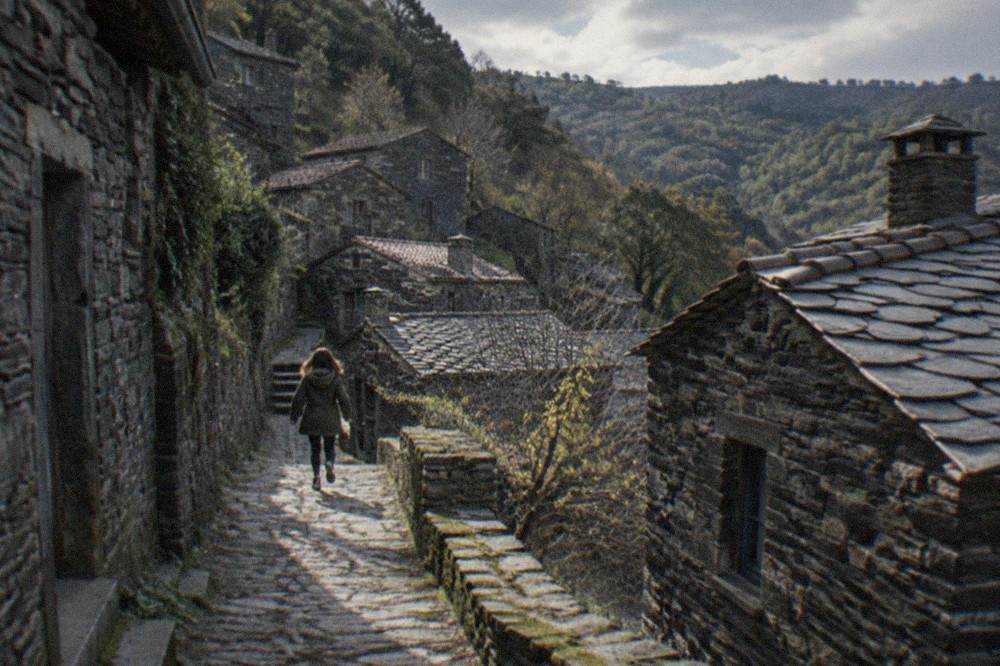
Talasnal is the best known and the most restored of the schist villages near Coimbra, Portugal, and it makes the best first visit, with Casal Novo and Chiqueiro close by on the same mountainside. Candal and Cerdeira sit further along the range and suit a second trip. A realistic day from Coimbra covers two or three villages at walking pace, not all of them.
Talasnal is the poster village: the largest cluster of restored houses, a small café, a river pool at the bottom of the village and the clearest walking links to its neighbours. It is also the busiest on summer weekends, so an early start matters. Casal Novo and Chiqueiro are smaller, quieter and within easy walking distance of Talasnal along the old tracks, and the three together make a natural loop.
Cerdeira is the village that has gone furthest down the creative route, hosting craft workshops and artist residencies in its restored houses, and it has accommodation for anyone who wants to turn the day trip into an overnight stay. Candal sits on the valley road and is the easiest of the lot for anyone with limited mobility, since you can park essentially in the village rather than walking in.
The guided option deserves a serious look even for confident drivers. The mountain roads are narrow, winding and poorly signed in places, and a guide who knows which café is open on a Tuesday saves a lot of dead ends. The four-hour Schist Villages at Lousa Mountain tour, rated 4.9 from 133 reviews at from $105.37 per person, covers the headline villages with a local guide; there is also a private version, the Lousa Mountain Private Tour, from $105.37 per person and rated 5 from 88 reviews, which adds wild deer watching on the mountain. For a different pace, An Adventure Through the Schist Villages of Lousã is a private half-day tour from $87.81 per person, rated 5 from 105 reviews, with a coffee stop built in.
How do You Get to the Schist Villages from Coimbra?
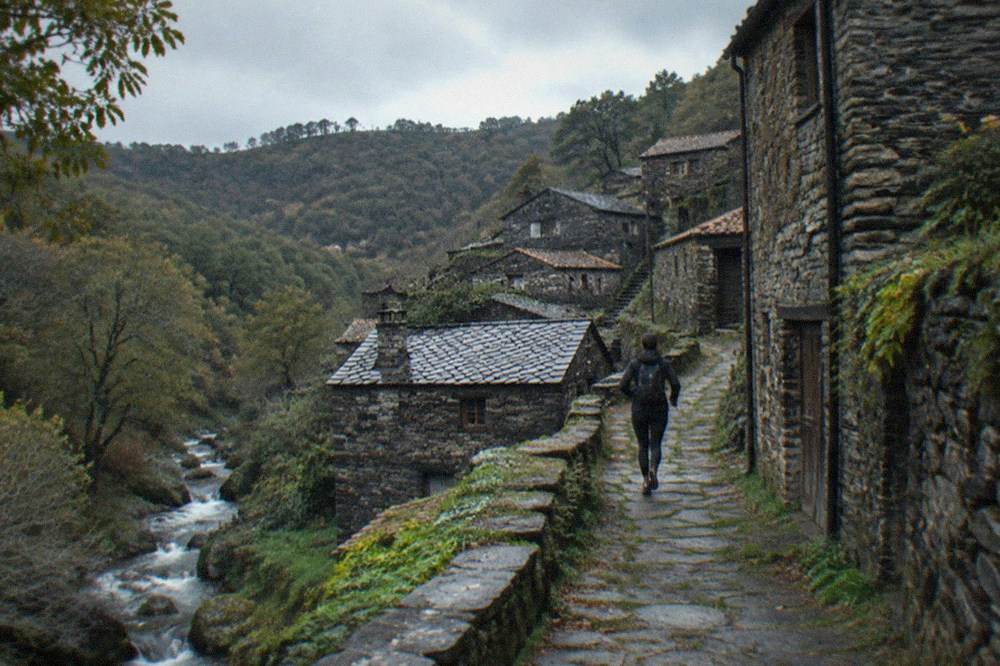
Most visitors reach the schist villages by car or by guided tour from Coimbra, Portugal, because public transport into the mountains is thin and the villages themselves are linked by walking tracks rather than roads. The route runs south from Coimbra towards the town of Lousã, from where mountain roads and forest tracks climb to the individual villages. A tour removes the driving entirely.
The honest summary of the public transport situation is that it exists but does not serve a village-hopping day well. The practical choices are a rental car or a tour with pickup included. If you are already planning a wider driving holiday out of the city, the Coimbra map and orientation guide covers where to leave the car in town before you set off.
For anyone weighing the tour against self-driving, the arithmetic is simple. The tour price buys the mountain roads, the village knowledge and the timing; the rental car buys total flexibility and the option to stay overnight in Cerdeira. Both are legitimate answers, and the decision usually comes down to whether the day trip is the whole plan or part of a longer route.
What do Schist Village Tours from Coimbra Cost?
Guided schist village tours from Coimbra, Portugal run from about $58.54 to $128.78 per person depending on length and inclusions, with the standard four-hour village tour at from $105.37 per person, rated 4.9 from 133 reviews. Private half-day versions start at $87.81 per person, and the longest tours with lunch included reach $128.78 per person.
The table below compares the verified tour products on this site's roster, using the operator's own listing figures. Prices are per person unless stated.
| Tour | Length | From (per person) | Rating |
|---|---|---|---|
| Schist Villages at Lousa Mountain | 4 hours | $105.37 | 4.9 from 133 reviews |
| Lousa Mountain Private Tour | 4 hours | $105.37 | 5 from 88 reviews |
| An Adventure Through the Schist Villages of Lousã | 3 to 4 hours | $87.81 | 5 from 105 reviews |
| Schist Villages of Lousã Mountain, half-day from Coimbra | 4 hours | $99.51 | 4.8 from 45 reviews |
| Discovering Nature in Serra da Lousã | 4 hours | $81.95 | 4.9 from 39 reviews |
| Schist Villages and Medieval Castles Tour | 4 hours 30 minutes | $128.78 | 5 from 40 reviews |
What separates these products is less the villages than the framing. The standard tours concentrate on the stone architecture and the viewpoints; the nature-focused versions spend more time on the forest and the streams; the castles tour adds medieval fortifications to the day; and one option, the Schist Villages and medieval castles tour with hotel pickup, includes a swim stop at a natural river pool, which in summer is the difference between a good day and a perfect one.
For a like-for-like comparison of what a day out of the city costs in total, including food and entry fees, the Coimbra weather guide carries the official climate normals that shape the season you travel in, and the same site's Coimbra pottery and ceramics guide covers the craft tradition the villages' stonework sits beside.
When Is the Best Time of Year for the Schist Villages?
May, June and September are the best months for the schist villages near Coimbra, Portugal: warm but not punishing, with the forest at its greenest in May and the summer crowds gone by September. July and August are the hottest months, with August averaging 29.1 C as a mean maximum at the Coimbra climate station, and the mountain tracks offer little shade at midday.
The climate figures below come from IPMA's official 1991 to 2020 normals for the Coimbra / Bencanta station, the city's own recording station, and they describe the conditions the day trip starts and ends in. The mountains run a degree or two cooler than these city values, but the shape of the year is the same.
| Month | Mean max (C) | Rain (mm) | Days 1 mm+ rain |
|---|---|---|---|
| Jan | 15.0 | 113.5 | 11.3 |
| Feb | 16.4 | 81.0 | 8.6 |
| Mar | 19.1 | 75.4 | 9.4 |
| Apr | 20.5 | 84.6 | 10.6 |
| May | 23.3 | 64.7 | 8.5 |
| Jun | 26.3 | 26.0 | 3.7 |
| Jul | 28.5 | 8.9 | 1.7 |
| Aug | 29.1 | 14.8 | 2.2 |
| Sep | 27.4 | 49.9 | 5.2 |
| Oct | 23.2 | 114.5 | 10.3 |
| Nov | 18.0 | 121.5 | 11.5 |
| Dec | 15.6 | 111.3 | 11.1 |
Two details in that table are worth more than the headline. September is hotter than June, 27.4 C against 26.3 C as a mean maximum, and wetter too, 49.9 mm against 26.0 mm, so do not plan a September trip on the assumption that summer is fading. What is true is that the real autumn rain holds off until October, when the monthly total jumps from 49.9 mm to 114.5 mm. November is the wettest month of the year at 121.5 mm, marginally ahead of October and January, so a winter village walk needs waterproofs and a tolerance for mud.
July, at 8.9 mm of rain across the whole month, is effectively dry, and that cuts both ways: perfect walking weather, but a river pool at its lowest and a forest floor baked hard. For the full month-by-month picture, the Coimbra weather guide carries the same official normals in more detail.
What Should You Pack for a Schist Village Day Trip?
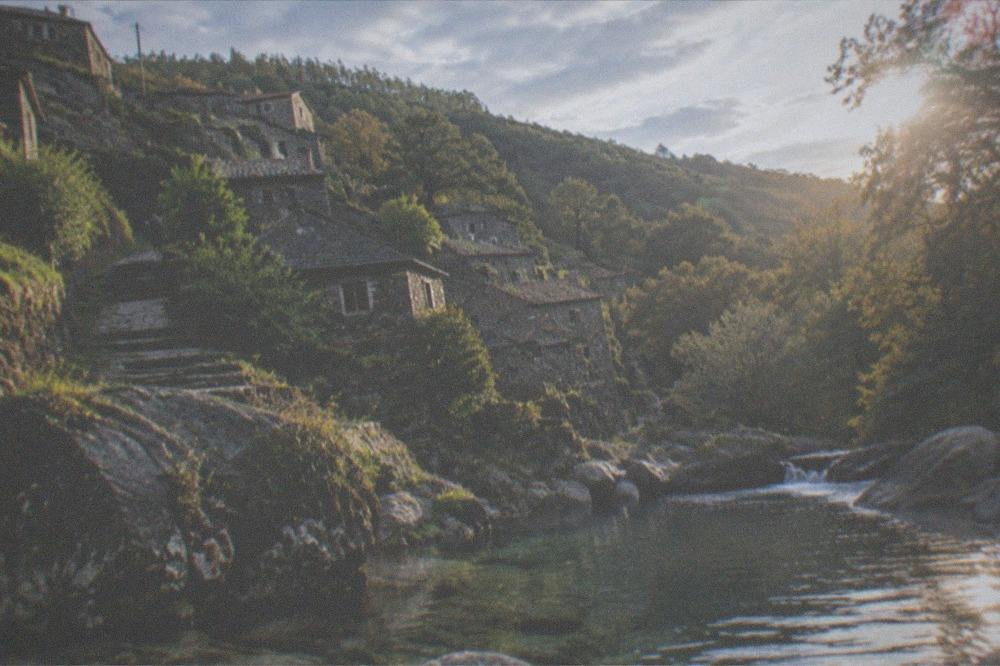
Pack proper walking shoes, more water than feels necessary, sun protection and a layer for the summit ridges, because the schist village paths near Coimbra, Portugal are stone, steep in places and largely unshaded on the exposed stretches. The villages have limited shops, so carry food for the day unless a tour with lunch included is booked.
The stone tracks are the packing question that catches people out. Old mule paths paved with schist plates are beautiful and uneven, and they are slick when wet, which in a country averaging 94 days of 1 mm+ rain a year at the city station happens regularly outside summer. Ordinary town shoes that survive the cobbles around the Sé Velha de Coimbra will not survive a wet descent from Talasnal.
The rest of the list is ordinary mountain sense, but here it is in one place.
| Item | Why It Matters |
|---|---|
| Grippy walking shoes | Schist paving is uneven and slick when wet |
| 1.5 litres of water per person | Village cafés have limited and seasonal hours |
| Sun hat and sunscreen | Exposed ridges offer little shade in summer |
| Light waterproof | Mountain showers arrive fast outside July and August |
| Cash | Small village cafés do not reliably take cards |
| Swimwear in summer | Several tours stop at natural river pools |
| Picnic or snacks | Shops in the villages are scarce and intermittent |
Can You Swim, Eat or Stay Overnight in the Schist Villages?
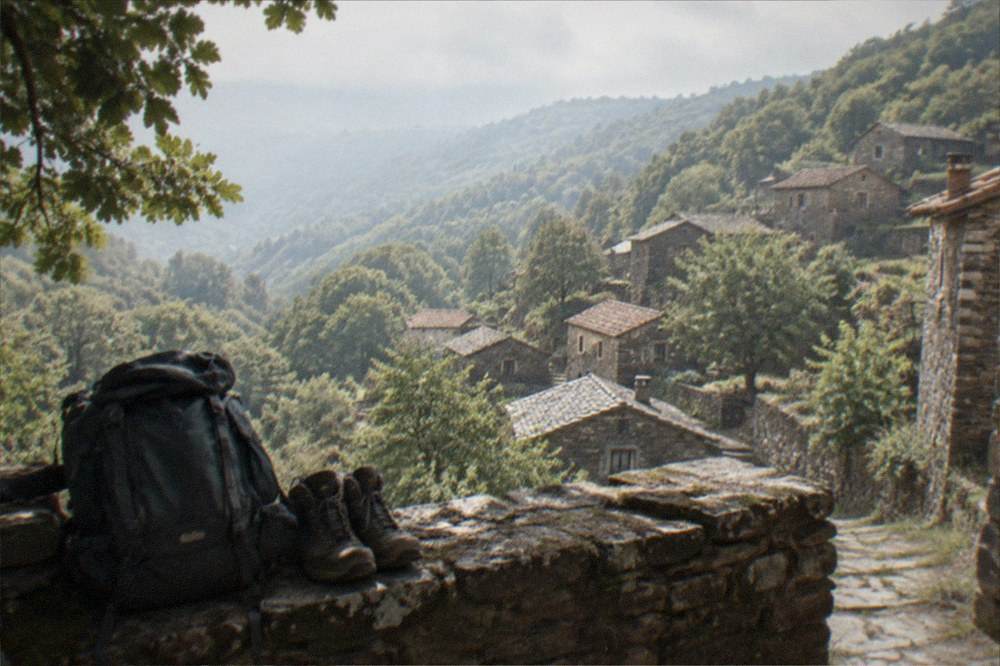
Yes to all three, with caveats: several schist village tours from Coimbra, Portugal include a stop at a natural river pool, the villages have small cafés and craft shops rather than restaurants, and restored guesthouses in Cerdeira and other villages offer overnight stays for anyone who wants to break the drive. Eating well is easier back in Coimbra or Lousã town.
The swimming is the surprise highlight. The Schist Villages and medieval castles tour with hotel pickup, from $126 per person and rated 4.9 from 56 reviews, includes a natural pool swim, and the soft canyoning option on the nearby River Ceira, from $58.54 per person and rated 4.9 from 79 reviews, is built almost entirely around the water. The Ceira is the river that drains this same mountain country, and its canyoning is graded soft, meaning no experience needed.
Food is the weak link of a self-guided village day. The villages are small and seasonal, and this site's research verified no opening hours or prices for any village café, so the honest advice is to treat lunch as something you carry or something a tour provides, and to save the serious eating for the evening. Back in the city, the Coimbra restaurants guide covers where to eat, and the leitão da Bairrada guide covers the roast suckling pig region that lies on the way back from the mountains, which pairs naturally with this day trip.
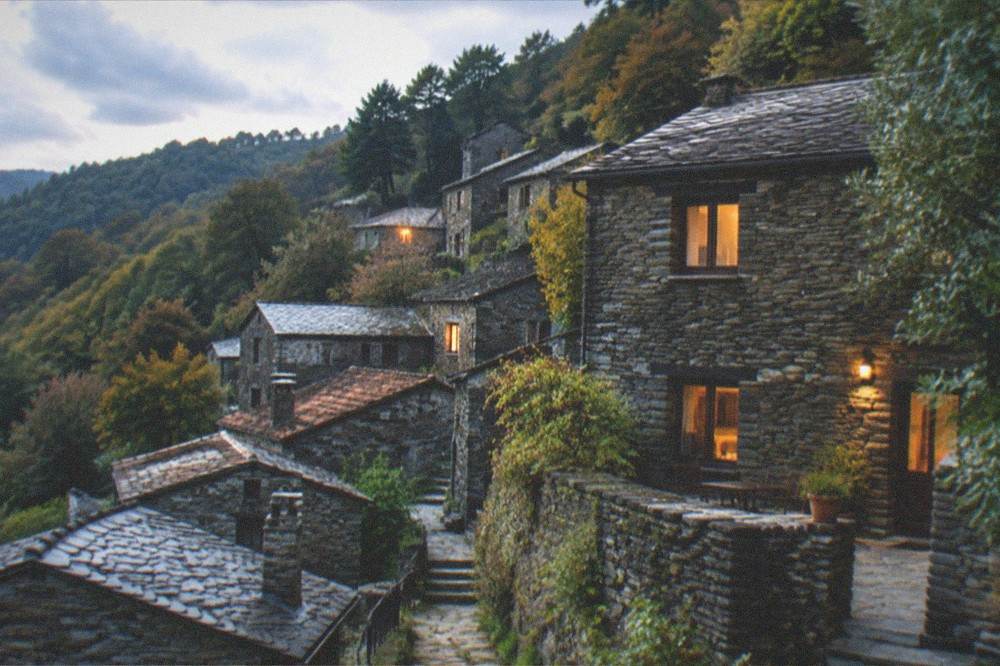
Staying overnight changes the character of the visit completely. The villages empty by late afternoon, and an evening in Cerdeira, with the forest sounds and nothing else, is a different product from a day trip. The trade is convenience: an overnight in the mountains means either driving back to Coimbra the next morning or reorganising the rest of the itinerary around it.
How Do the Schist Villages Compare with Coimbra's Other Day Trips?
The schist villages are Coimbra, Portugal's best inland day trip for scenery and walking, against Conímbriga for Roman history, the Buçaco forest for trees and palace architecture, and the coastal district towns for the sea. Only the district reaches the Atlantic, so no day trip from the city itself delivers a beach; the villages deliver mountains instead.
The comparison table below places the mountain day alongside the alternatives this site covers in depth.
| Day Trip | Best For | Character |
|---|---|---|
| Schist villages (Lousã) | Walking, scenery, stone architecture | Mountain villages and forest tracks |
| Conímbriga | Roman ruins and mosaics | Open-air archaeological site, 16 km south |
| Buçaco forest | Woodland walks, palace hotel | Walled forest park with a grand hotel |
| Montemor-o-Velho | Castle and river plain | Medieval fortress above the Mondego floodplain |
| Penacova | River kayaking on the Mondego | Water-based day, gentle effort |
| Fátima | Pilgrimage sanctuary | Major religious site, purpose-built |
Each of these has a full page on this site: the Lousã day trip guide, the Buçaco forest guide, the Montemor-o-Velho guide, the Penacova Mondego kayaking guide and the Fátima day trip guide.
The pairing that works best in practice is schist villages in the morning and leitão da Bairrada on the way home, because the geography runs that way and the roast-pig houses are an institution in their own right. The pairing that works worst is trying to add Conímbriga to the same day: both sit south of the city but in different directions, and the result is a day spent in the car.
Common Questions About the Schist Villages Near Coimbra
What are the schist villages near Coimbra?
They are small stone hamlets in the Lousã mountains south of Coimbra, Portugal, built from local schist that splits into flat plates. Many were abandoned in the twentieth century and later restored through a national programme. Talasnal, Casal Novo, Chiqueiro, Candal and Cerdeira are the best known.
How far are the schist villages from Coimbra?
The villages sit in the Lousã mountain range south of the city, reached via the town of Lousã. This site has not verified an exact driving distance or time for the route, so check a mapping service or a tour listing for the figure rather than relying on guidebook estimates.
Can you visit the schist villages without a car?
It is difficult. Public transport into the mountains is thin and does not serve a village-hopping day, so the practical options are a rental car or a guided tour from Coimbra, several of which include hotel pickup.
Which is the best schist village to visit?
Talasnal is the best first visit: the largest cluster of restored houses, a café, a river pool and walking links to Casal Novo and Chiqueiro. Cerdeira is the choice for an overnight stay and craft workshops, and Candal is the easiest for parking at the village itself.
When is the best time to visit the schist villages?
May, June and September. IPMA's official normals for the Coimbra / Bencanta station show July and August as the hottest months, with August averaging a 29.1 C mean maximum, while October onward brings heavy rain, with November the wettest month at 121.5 mm.
Are the schist villages suitable for children?
Yes, with supervision. The village lanes are car-free in the main, the river pools are a natural draw in summer, and the walking distances between neighbouring villages are short. The stone paths are uneven, so proper shoes matter for children as much as adults.
The schist villages are the day trip that shows the other Coimbra, the Portugal of stone and forest that sits behind the baroque façade, and a single clear morning there explains why the restoration programme was worth every cent.