What Is a Must-Try Food in Portugal?
The must-try food in Portugal, answered through Coimbra: leitão da Bairrada, chanfana, arrufadas, bacalhau and the sweets of the university city on the River Mondego.
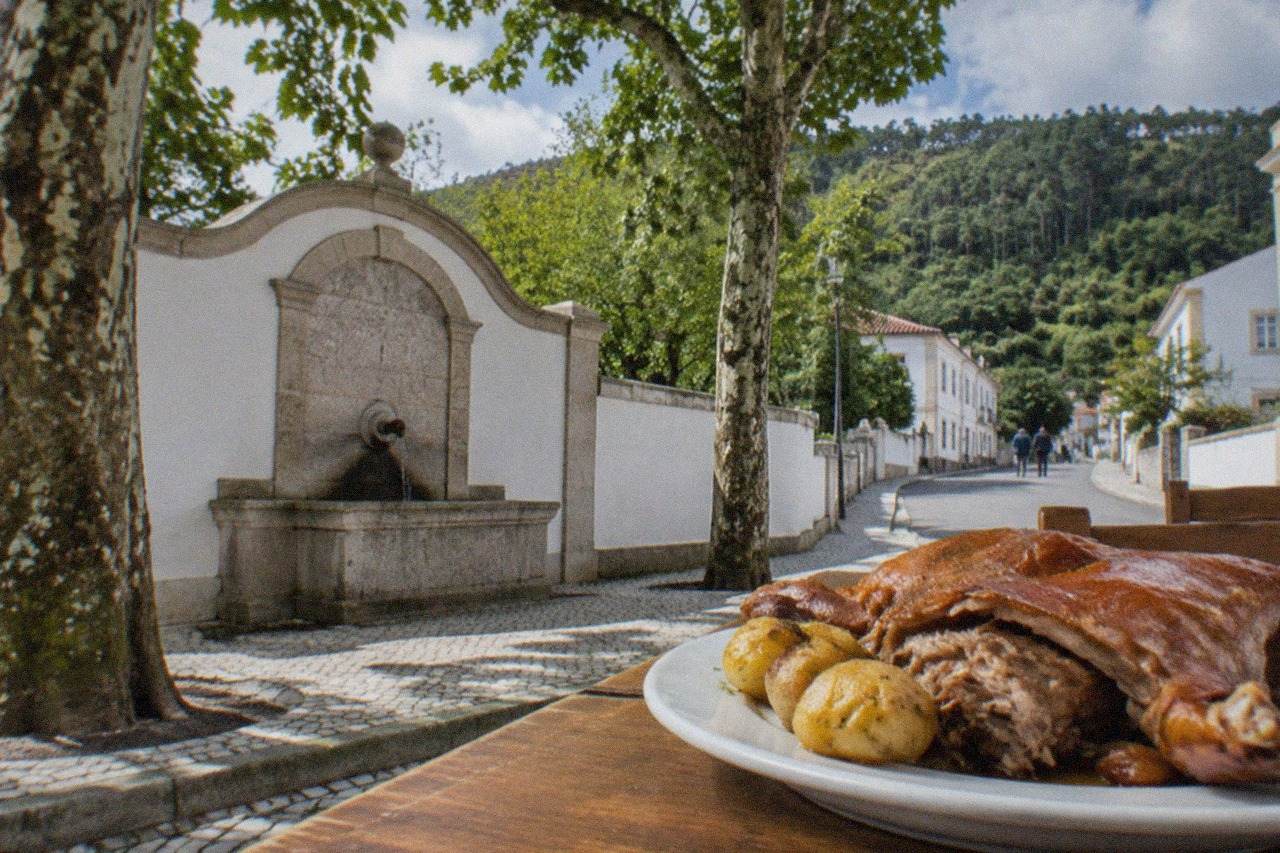
Coimbra, Portugal, the university city on the River Mondego, sits in the middle of the country's most storied food corridor, and any honest answer to the must-try food question for Portugal as a whole passes straight through it. To the south lies the Bairrada, the region that gave Portugal its most famous roast, leitão da Bairrada, suckling pig cooked over wood until the skin shatters. To the west, past the edge of the city, the district of Coimbra runs all the way to the Atlantic, which is why the fish chapter of Portuguese cooking is close by even though the city itself has no beach. And in the city's own old town, a set of dishes and pastries survives that you will not find presented this well anywhere else in the country. This page answers the question directly, then explains each dish, what it is, where it comes from and how to find the real version of it.
What Is a Must-Try Food in Portugal?
If a single dish must be named, it is leitão da Bairrada, roast suckling pig, the dish Portugal itself protects and celebrates, and the fullest expression of it is eaten within reach of Coimbra, where the Bairrada region begins just south of the city. Beyond that one roast, the national table demands bacalhau, grilled salt cod, and pastéis, the egg-and-sugar sweets of the convents, and Coimbra adds its own chanfana, arrufadas and Santa Cruz pastries to the list.
That is the short answer, and almost every long answer in Portuguese food starts from the same three pillars: the roast, the cod, and the sweets. The roast is regional, the cod is national, and the sweets are monastic, invented in convents where egg whites were used for starching habits and the leftover yolks had to become something. Coimbra's particular value to a visitor asking this question is that all three pillars, plus several dishes that exist nowhere else, sit within a walkable old town. The city is a place where one trip answers the whole question.
The question is usually asked by someone planning a first visit to the country, and the answer depends a little on where that visit lands. A traveller staying only in Porto or Lisbon gets the cod and the sweets easily. The suckling pig requires either a deliberate trip to the Bairrada or a restaurant that sources it properly, and Coimbra is the natural base for that, as the region's restaurants and wood-fired ovens lie a short drive south. The Coimbra Travel Guide pages on what to eat expand each of these in depth, and the sibling answer on what food Coimbra is famous for covers the city's own table dish by dish.
| Must-try food | What it is | Where its heartland sits | Why it is the answer |
|---|---|---|---|
| Leitão da Bairrada | Suckling pig roasted over wood, seasoned with garlic, pepper, lard and coarse salt | The Bairrada region, south of Coimbra | Portugal's most celebrated festive roast, protected and proudly regional |
| Bacalhau | Salt cod, soaked then grilled, baked or braised | National, coastal in origin | The dish Portugal built its identity around, in hundreds of preparations |
| Pastéis and convent sweets | Egg-yolk and sugar pastries born in convents | National, with famous monastic houses in Coimbra | The sugar chapter of the cuisine, unique in Europe for its scale |
| Chanfana | Goat or lamb braised slow in red wine, historically cooked in a wine-soaked cloth | Coimbra's own region | A dish with a specific local history, rarely found well-made elsewhere |
| Grilled sardines | Whole sardines charred over charcoal, served with bread and salad | Coastal Portugal, including the district's coast | The summer fish of the country, at its best near the Atlantic |
Why Coimbra Answers Portugal's Food Question Better Than the Big Cities
Coimbra is where the regional, national and monastic strands of Portuguese cooking meet in one small, walkable city: the Bairrada roast country begins at its southern edge, the Atlantic coast of its district supplies the fish tradition, and its convents and monasteries produced the egg-yolk sweets that define the national dessert table. A visitor based here can eat the whole answer to the must-try question without changing hotels.
The big cities serve excellent food, but they serve it as a greatest-hits reel drawn from everywhere. Coimbra's advantage is adjacency. The Bairrada, the pig-farming and wine region that produces the country's most famous roast, is the countryside directly south of the city, so the kitchens here are not importing the dish from afar, they are next door to its source. The city's own student traditions, centuries of them around one of Europe's oldest universities, kept alive a set of cheap, filling, wine-braised dishes that were invented for people who needed to feed a crowd. And the monastic houses of the old town, including Mosteiro de Santa Cruz, the burial church of Portugal's first two kings, belong to the same convent-sweets story that produced the pastéis of Lisbon and the ovos moles of Aveiro.
The student angle matters more than most guides admit. A university city of roughly 31,000 students, as the University's own published figures state, runs on inexpensive food sold in quantity, and that pressure preserves old dishes rather than replacing them. The Repúblicas, the shared student houses of the old town, have their own cooking culture, and the markets and tascas of the Baixa serve it daily. This is also why the city rewards a guide who knows the difference between a restaurant cooking for visitors and one cooking for students, a distinction this site explores in what food Coimbra is known for.
A guided walk is one of the more efficient ways to triangulate the food question, because a certified local guide can explain which streets hold the old tascas while showing you the monuments those streets grew up around. The three-hour Coimbra guided visit with a certified local guide includes admission and a walk through exactly the quarters where the city's food traditions live, and it pairs naturally with an evening set aside for eating.
Leitão da Bairrada: The Roast That Answers the Question
Leitão da Bairrada is roast suckling pig, a piglet of a few weeks old, split open, seasoned with garlic, lard, coarse salt and white pepper, and roasted over a wood fire until the skin is glass-crisp and the meat underneath is soft enough to eat with a fork, and it is the single dish Portugal most consistently puts forward as its must-try food. The Bairrada region, its home, begins south of Coimbra.
This is the dish with a national reputation and a specific address. The Bairrada, a rolling region of pig farms and vineyards south of the city, produces it, and the towns of that region are where the wood-fired ovens work all day. The piglet is young, which is the whole point: the meat is mild and the skin, after a slow roast, cracks into shards. It is served in slices with the skin on, often with fried potato cubes, orange slices and a simple salad, and the local sparkling wine of the Bairrada cuts the richness. The dish is festive, served at weddings and christenings across central Portugal, but in its home region it is everyday food.
No restaurant in Coimbra or the Bairrada had its prices, hours or address verified for this site, so this page will not tell you where to book or what a plate costs. What can be said is how to judge the real thing: the skin should crack audibly, the meat should be white and juicy rather than grey, and the fat should have rendered into the meat rather than pooling under it. Places that cook it on the premises, in sight of the oven, are the ones to look for. The site's dedicated guide to leitão and the Bairrada covers the dish, the region and the wine in full detail.
Chanfana, Arrufadas and the Dishes Only Coimbra's Region Makes
Chanfana is goat or lamb braised for hours in red wine, garlic, bay and lard, a dish central Portugal invented to preserve meat without refrigeration, and it is Coimbra's own contribution to the must-try list, alongside arrufadas, the wine-braised beef of the same tradition. Neither travels well, which is why neither appears on menus in Lisbon or abroad.
The story told about chanfana, and the one the region repeats, is that it began as a way to save meat when monasteries were shut down and their livestock had to be cooked quickly and kept, sealed under wine and fat in a cloth-bound pot. Whatever the precise origin, the technique is real and the result is unmistakable: meat cooked until it falls apart in a dark, wine-heavy sauce. The dish is winter food, and the villages of the region around Coimbra each make their own version. Arrufadas belong to the same family, beef braised in wine, and the city's old tascas have carried both for generations.
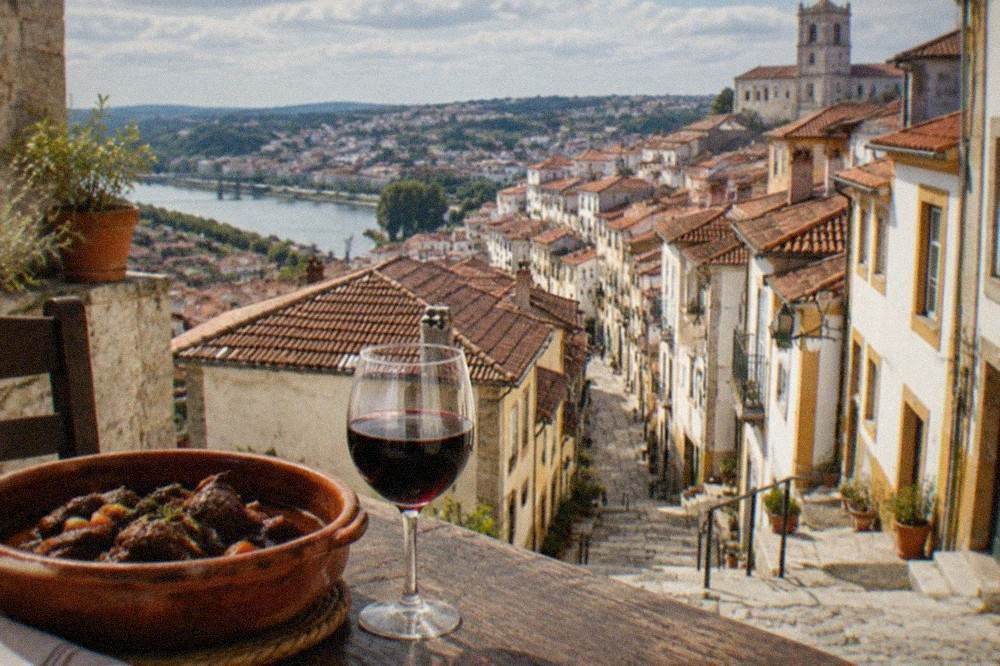
What makes these dishes worth seeking out in Coimbra specifically is scarcity elsewhere. Bacalhau exists everywhere in Portugal; chanfana done properly exists in a handful of central towns. A visitor who eats only the national greatest hits misses the layer of the cuisine that is genuinely regional. The student city keeps these dishes alive because they are cheap to make in quantity and filling, and the traditional restaurants of the Baixa and the old town still cook them in season. For pointers on which kind of place to look for, the answer on traditional Coimbra restaurants describes the tasca type in detail.
| Coimbra-region dish | What it is made of | When it is eaten | What makes it local |
|---|---|---|---|
| Chanfana | Goat or lamb, red wine, garlic, bay, lard | Autumn and winter | Wine-braised preservation cooking born in central Portugal |
| Arrufadas | Beef, red wine, onions, spices | Winter | The same braiding tradition applied to beef, rare outside the region |
| Sarabulho | Pork, pork blood, bread or chestnuts | Winter, festive | Old farmer's cooking of the surrounding hills |
| Bacalhau à Lagareiro | Salt cod roasted with potatoes and olive oil | Year-round, especially Christmas | The national fish dish as Coimbra's kitchens prepare it |
| Migas | Bread crumbs fried with garlic and pork fat | Year-round | The zero-waste backbone of the regional table |
Bacalhau and the Fish Chapter, Explained from an Inland City
Bacalhau, salt cod, is the one dish no answer to this question can omit, because Portugal built its national identity around it: the cod is dried and salted at sea, soaked for a day or more in the kitchen, then grilled, baked with cream, or served with potatoes, cabbage and olive oil. Coimbra, though inland, sits in a district that reaches the Atlantic, so its fish tradition is real and close.
The famous line is that Portugal has a bacalhau recipe for every day of the year, and the fish is so embedded in the culture that it turns up at Christmas Eve tables in a country with a Catholic fasting history. Salt cod keeps without refrigeration, which is why an inland university city ate it for centuries, and the markets of the Baixa still sell it from stacks. The simplest preparation, grilled with olive oil, boiled potatoes and collard greens, is the one that shows whether the kitchen knows what it is doing, because nothing can be hidden behind.
The district point matters for the rest of the fish chapter. The city of Coimbra has no beach, but the district of Coimbra runs west to the Atlantic and includes the coast around Figueira da Foz, so grilled sardines, fresh sardines charred over charcoal, are summer food here as much as on the coast. A visitor asking about must-try food should treat the sardine as the second fish answer after cod, especially in the warmer months. The distinction between city and district is one this site is careful about everywhere, because figures and geography get mixed up constantly in guides to this region.
The Sweets: Pastéis, Crúzios and the Convent Legacy
The must-try sweet in Portugal is the pastel, the egg-yolk-and-sugar pastry invented in convents, and Coimbra's old monasteries put the city deep inside that story, with Santa Cruz's own pastry tradition and the region's crúzios, egg and almond sweets, still sold in the city's bakeries. The whole chapter is unique in Europe for its scale and its origin: nuns, sugar, and yolks left over from starching habits.
The convent-sweet story is the one piece of Portuguese food history that genuinely surprises people. Sugar arrived, convents used egg whites to starch their linen, and the yolks became the raw material for a national repertoire of desserts built on yolks, sugar and very little else. Coimbra, a monastic city with Mosteiro de Santa Cruz at its heart, the burial church of Portugal's first two kings, sits inside that tradition, and its bakeries carry the city's own pastries alongside the national ones. The arrufadas that give this city its bread-and-sweet identity are covered on this site's pastries and arrufadas guide.
No bakery, café or pastry shop in Coimbra had its prices or hours verified for this build, so this page names no shop and quotes no price. The practical advice is structural: the old-town bakeries that make their own pastries in the morning, rather than buying them in, are the ones worth queueing at, and the sweets to look for by name are the egg-yolk pastries of the convent tradition and the almond-based sweets of the surrounding region. For a fuller walk through the city's sweet table, the site's food pages list the pastries by name.
How to Eat the Answer in One Trip to Coimbra
A visitor based in Coimbra for two or three days can eat the full Portuguese answer: leitão da Bairrada as a lunch expedition into the region just south, chanfana or arrufadas in an old-town tasca in the evening, bacalhau in one of its classic preparations any night, and convent sweets from a bakery that bakes its own, all within a city small enough to walk end to end.
The practical shape of the trip matters less than the sequencing. The roast is a lunch dish and a day trip, best eaten where the ovens are, in the Bairrada villages south of the city. The braises and the cod are dinner dishes, eaten in the city, and they need a slow evening rather than a rushed one. The sweets are a morning thing, bought where they are made. A traveller who treats the city as a base and its southern countryside as an extension gets the complete picture, and the site's itinerary guide shows how to fit the eating around the monuments without losing either.
Two cautions finish the practical picture. First, the city's hills are real, and eating your way up them is a different proposition from eating your way down, so plan the heavy lunch for a day with a lighter afternoon. Second, the tourist menus of any old town in Portugal exist here too, and the defence against them is the same everywhere: look for the single-page handwritten menu, the dishes of the region rather than the dishes of everywhere, and kitchens that cook one thing slowly rather than twenty things fast.
Common Questions About Must-Try Food in Coimbra, Portugal
What is a must-try food in Portugal?
Leitão da Bairrada, roast suckling pig, is the single dish most often named, followed closely by bacalhau, salt cod, and the egg-yolk convent sweets. Coimbra is the natural base for tasting all three, because the Bairrada region begins just south of the city and its old town carries the monastic sweet tradition.
What food is Coimbra itself famous for?
Chanfana, goat or lamb braised in red wine, arrufadas, wine-braised beef, and the city's own pastries and arrufadas bread. These dishes are regional rather than national, which is why they rarely appear well-made outside Coimbra's surrounding region.
Is leitão da Bairrada worth a day trip from Coimbra?
Yes. The Bairrada region, the dish's home, lies directly south of the city, and its wood-fired ovens produce the version of the roast that the rest of the country imitates. It is a lunch dish, best eaten close to the source.
Can vegetarians eat well in Coimbra?
Yes, though the famous dishes are meat and fish. The regional table has a strong vegetable and legume backbone, and the city has a student population that keeps inexpensive vegetarian cooking in demand. The site's vegetarian and vegan guide covers the options in detail.
Where should I eat dinner in Coimbra?
In the Baixa and the old town, in the kind of tasca that cooks regional dishes slowly and posts a short menu. This site does not publish opening hours or prices for individual restaurants, because none were verified, but the answer on where to eat dinner in Coimbra describes how to recognise the right kind of place.
The honest summary is that Portugal's must-try food is not one dish but a short list, and Coimbra, the university city on the River Mondego, is one of the few places where the entire list can be eaten without leaving the neighbourhood.