What Food Is Coimbra Known For?
The food Coimbra, Portugal is known for, from leitão da Bairrada to arrufadas and student café traditions, with what each dish is and where to find it.
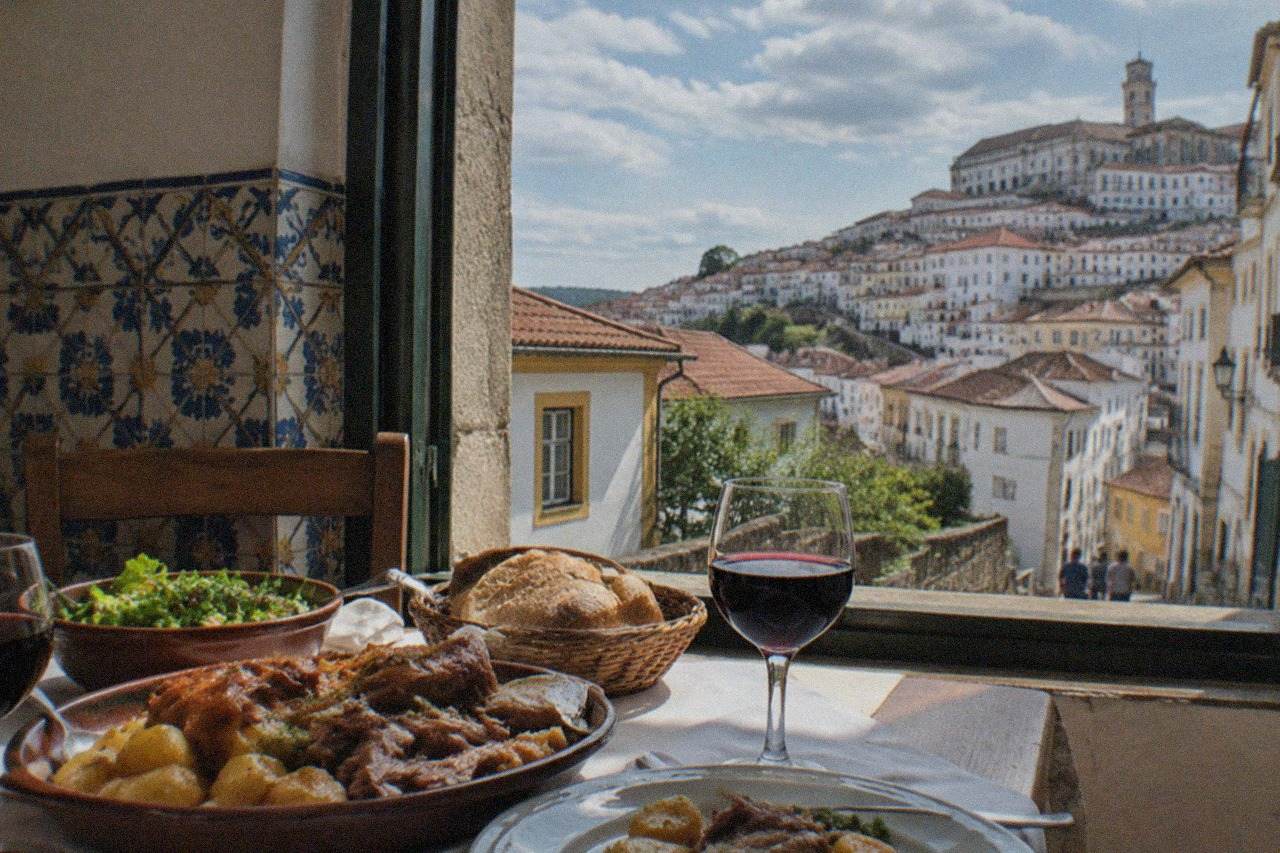
Coimbra, the university city on the River Mondego in central Portugal, answers the food question with one word before any other: leitão. Roast suckling pig from the neighbouring Bairrada region is the dish the city's name travels with, and the restaurants of the Baixa have served it for generations. But the full picture is wider than that. This is a student city of about 31,000 students, as the University's own published figures state, and student appetites built a café and pastry culture that runs from morning arrufadas to late-night toasties. Around the city, the wine of the Bairrada and the schist-village cooking of the Lousã hills complete a regional table that most visitors only half discover. This page, and the rest of Coimbra Travel Guide, covers what that table holds.
What Food Is Coimbra Known For?
Coimbra is known for leitão da Bairrada, roast suckling pig seasoned with garlic, salt and pig fat and cooked in a wood-fired oven until the skin shatters, and the city is the natural base for eating it, since the Bairrada wine region begins south of here. Alongside it the city claims arrufadas, a round, slightly sweet roll eaten at breakfast with butter and at lunch stuffed with steak or grilled fish, plus queijo da Serra, chanfana, and a café tradition built by generations of students.
Start with the pig, because everyone local does. Leitão da Bairrada is not a Coimbra invention, the Bairrada region lies to the south, but Coimbra is where most visitors meet it and the city's restaurants have made it their signature plate. The traditional preparation is unfussy: a young pig, garlic, coarse salt, lard, and a long slow roast. The result splits into two textures, crackling skin and fat-soft meat, and the standard accompaniments are orange slices, crispy fried potatoes and a glass of the region's red wine.
The second half of the answer is sweeter. Arrufadas are a Coimbra bread roll, round and lightly enriched, with a soft crumb and a faint sweetness. Bakeries sell them plain in the morning and restaurants turn them into sandwiches all day, the arrufada de bifana with spiced pork being the best known. A fuller treatment of the city's pastry counter, including the egg-and-sugar convent sweets Portugal built its dessert tradition on, sits in the pastries and arrufadas guide, and the broader question of what to eat across the city is covered in what to eat in Coimbra.
The student layer matters more than visitors expect. The University of Coimbra's Alta and Sofia quarters were inscribed by UNESCO in 2013, list reference 1387, and the student population that fills them has shaped the city's eating habits for centuries. Cafés near the old town serve as living rooms, study halls and debate chambers, and the food culture reflects it: cheap, filling, and served at hours that follow academic life rather than tourist schedules.
Which Dishes Should You Actually Order in Coimbra?
Order leitão da Bairrada first, then work outward: chanfana, a slow goat stew cooked in red wine, bacalhau à Lagareiro with salt cod and punched potatoes, and grilled sardines in season. Add arrufadas at breakfast, queijo da Serra da Estrela with a glass of Bairrada red, and the convent-style egg sweets Portugal calls doces de ovos. None of these needs an expensive restaurant, most are at their best in simple, tiled, family-run rooms in the Baixa.
The list below keeps to what a dish is and where you meet it, because no individual restaurant's prices or hours were verified for this site. What distinguishes a good leitão house is visible from the door: a wood-fired oven, a short menu, and a room that smells of garlic and crackling.
| Dish | What it is | Where you find it |
|---|---|---|
| Leitão da Bairrada | Whole roast suckling pig, garlic and salt, wood-fired oven, served with orange and fried potatoes | Specialist leitão restaurants in the city and along the road south toward the Bairrada |
| Arrufadas | Round, faintly sweet bread roll, plain at breakfast or split for steak, bifana or grilled fish | Bakeries and cafés across the Baixa, from early morning |
| Chanfana | Goat slow-cooked in red wine, a Bairrada and Beira tradition | Traditional restaurants, usually as a weekend dish |
| Bacalhau à Lagareiro | Salt cod roasted with garlic oil and punched potatoes | Classic Coimbra menus citywide |
| Queijo da Serra | Soft sheep's cheese from the Serra da Estrela, served with bread or as dessert | Cheese boards in most traditional restaurants |
| Doces de ovos | Convent sweets built on egg yolks and sugar, the base of Coimbra's pastry counters | Pastry shops and café counters |
A guided walk is a genuinely good way to anchor the food to the place, since most of the city's eating happens inside a walkable triangle between the university hill, the Baixa and the river. The Coimbra Top Attractions Walking Tour covers that ground in two and a half hours at from $5.85 per person, and the guides on the city's food-adjacent walks tend to know which back streets hold the older cafés.
How Does the Student City Shape the Way Coimbra Eats?
Coimbra's food culture runs on academic rhythm: cafés open early and stay loud, portions are built for student budgets, and the calendar of student festivals, which falls in May, closes the University's own visitor circuit on 24 May and suspends visits at Mosteiro de Santa Cruz on the Cortejo parade Sunday. Repúblicas, the shared student houses of the old town, keep their own kitchens and their own food traditions, and the streets fill with cheap, fast, filling food late into the night.
The Repúblicas are the part most guides skip. These shared houses, some centuries old, are where student cooking traditions live on, from group dinners to the improvised feasts that follow academic ceremonies. A visitor will not eat inside one, but the culture around them explains why the old town's cheap-eats scene is so dense and so late.
Fado belongs here too, in a food-adjacent way. Coimbra's fado is a student tradition, sung by men in the black capa academic cape, and it is tied to the University rather than to Lisbon's taverns. The live fado show with a glass of port wine runs from $18 per person and is rated 4.7 from 1,234 reviews on the operator's live listing, fifty minutes that pair the city's two student exports, song and port. The Coimbra fado guide covers where the tradition sits.
When Is the Best Time of Year to Eat Your Way Around Coimbra?
The best eating months in Coimbra are May, June, September and early October. IPMA's 1991 to 2020 normals for the Coimbra / Bencanta station show September with a mean maximum of 27.4 C and only 49.9 mm of rain, warmer than June's 26.3 C, while the heavy rain holds off until October, when the monthly total jumps to 114.5 mm. Terrace season therefore runs from late spring to early autumn, with July and August the hottest stretch at 28.5 C and 29.1 C mean maximum.
The numbers matter because so much of Coimbra's food is eaten outdoors or walked to. The old town is a hill city, and a climb from the Baixa to the university quarter in August heat, when the station averages 10.9 days above 30 C, argues for an early dinner and a late, slow walk back down.
| Month | Mean max (C) | Rain (mm) | What it means for eating |
|---|---|---|---|
| May | 23.3 | 64.7 | Terrace season begins; student festival month, so book around the Cortejo weekend |
| June | 26.3 | 26.0 | Dry and warm; long evenings, best all-round month |
| July | 28.5 | 8.9 | Effectively dry; eat late, climb the hill in shade |
| August | 29.1 | 14.8 | Hottest month; river-side and indoor lunches |
| September | 27.4 | 49.9 | Warmer than June, crowds thinner; excellent terrace month |
| October | 23.2 | 114.5 | Rain arrives in earnest; indoor dining season begins |
How do You Find the Right Place to Eat Without a Guidebook?
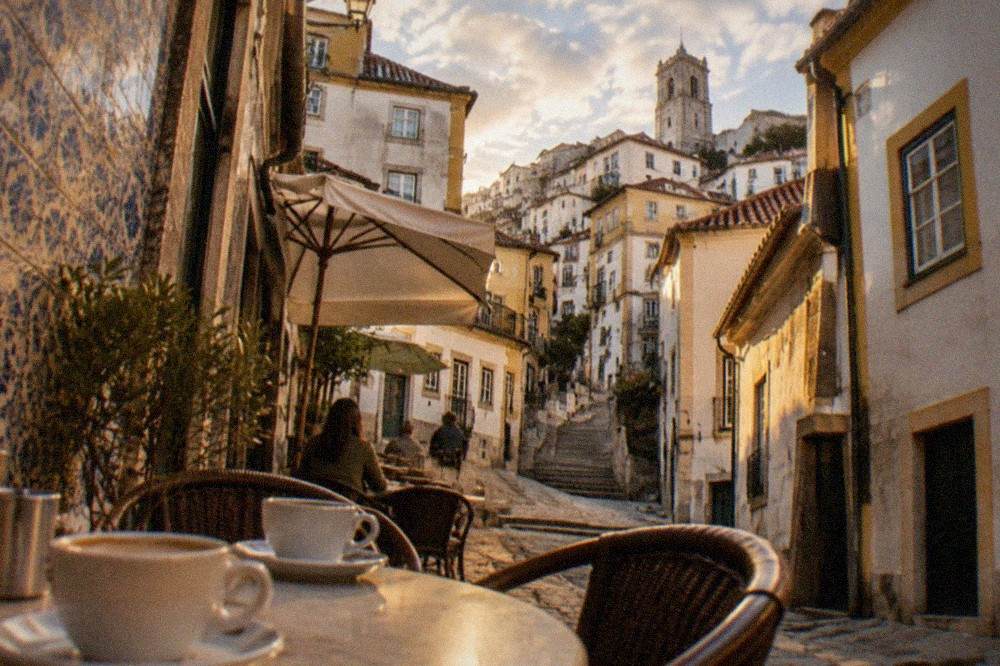
Choose by type, not by name: a leitão house is judged by its wood-fired oven and short menu, a tasca by handwritten daily dishes and locals at the counter, a pastelaria by the turnover of its arrufadas in the morning, and a fado venue by whether the singers wear the capa. This site publishes no opening hours or prices for individual Coimbra restaurants, cafés or bakeries, because none were verified on this build.
The reliable rule is that the best rooms are simple, tiled, and full at Portuguese mealtimes.
That rule travels well. Lunch in Portugal runs early by northern European standards, and a room filling at that hour is a room cooking for residents rather than for a rating. A restaurant with a card of twenty leitão variations is a tourist restaurant; a room that roasts one thing well and serves it with orange and potatoes is the real thing.
A local guide shortens the search considerably. runs three hours with admission included, from $31 per person, rated 4.6 from 51 reviews on the operator's live listing, and a certified local guide can point out which streets hold the older cafés as part of the walk. Check availability if that framing suits your first day.
For choosing a specific dinner spot on your own, the companion pages on traditional Coimbra restaurants and where to eat dinner in Coimbra go deeper, and the question of what kind of food Coimbra is known for is answered again from the ingredients side. Vegetarian visitors have a dedicated guide to vegetarian and vegan eating in Coimbra, a harder brief in a pig-centred city but a workable one.
Common Questions About Food in Coimbra
What food is Coimbra known for?
Coimbra is known for leitão da Bairrada, roast suckling pig with crackling skin served with orange and fried potatoes, plus arrufadas bread rolls, chanfana goat stew, queijo da Serra cheese, convent egg sweets and a café culture built around the University's roughly 31,000 students.
Is leitão da Bairrada from Coimbra itself?
No, the Bairrada region lies south of the city, but Coimbra is the main base visitors eat it from and its restaurants have made the dish their signature plate. The traditional preparation is a young pig with garlic, salt and lard, roasted slowly in a wood-fired oven.
What is an arrufada?
A round, slightly sweet bread roll that is a Coimbra staple. It is eaten plain with butter at breakfast and split into sandwiches, most famously with bifana spiced pork, at lunch. Bakeries across the Baixa sell them through the morning.
What should vegetarians eat in Coimbra?
Portuguese menus lean heavily on meat and salt cod, but the city's cafés and modern restaurants increasingly carry vegetable dishes, soups and cheese boards. The dedicated vegetarian and vegan guide on this site covers the practical options in detail.
Does Coimbra's student life affect its food?
Yes, deeply. The Repúblicas, the old shared student houses of the old town, keep their own cooking traditions, cafés operate on academic hours, and the May student festival period closes the University's visitor circuit on 24 May and suspends visits at Mosteiro de Santa Cruz on the Cortejo parade Sunday, which affects where you can eat on those days.
Is Coimbra connected to fado and port wine?
Coimbra has its own fado tradition, sung by students and former students in the black academic cape, and live shows with a glass of port wine run from $18 per person on the operator's live listing. It is a distinct tradition from Lisbon fado, tied to the University rather than the taverns.
Eating well in Coimbra comes down to ordering the pig, the bread and the cheese the region has spent centuries perfecting, in the simple tiled rooms where locals are already sitting.