What Is UNESCO Listed in Coimbra, Portugal
Coimbra, Portugal holds one UNESCO World Heritage inscription, and it is narrower than most guides claim: the University of Coimbra - Alta and Sofia, list reference 1387, inscribed in 2013. Here is exactly what that covers, what it leaves out, and how to visit it.
Short answer
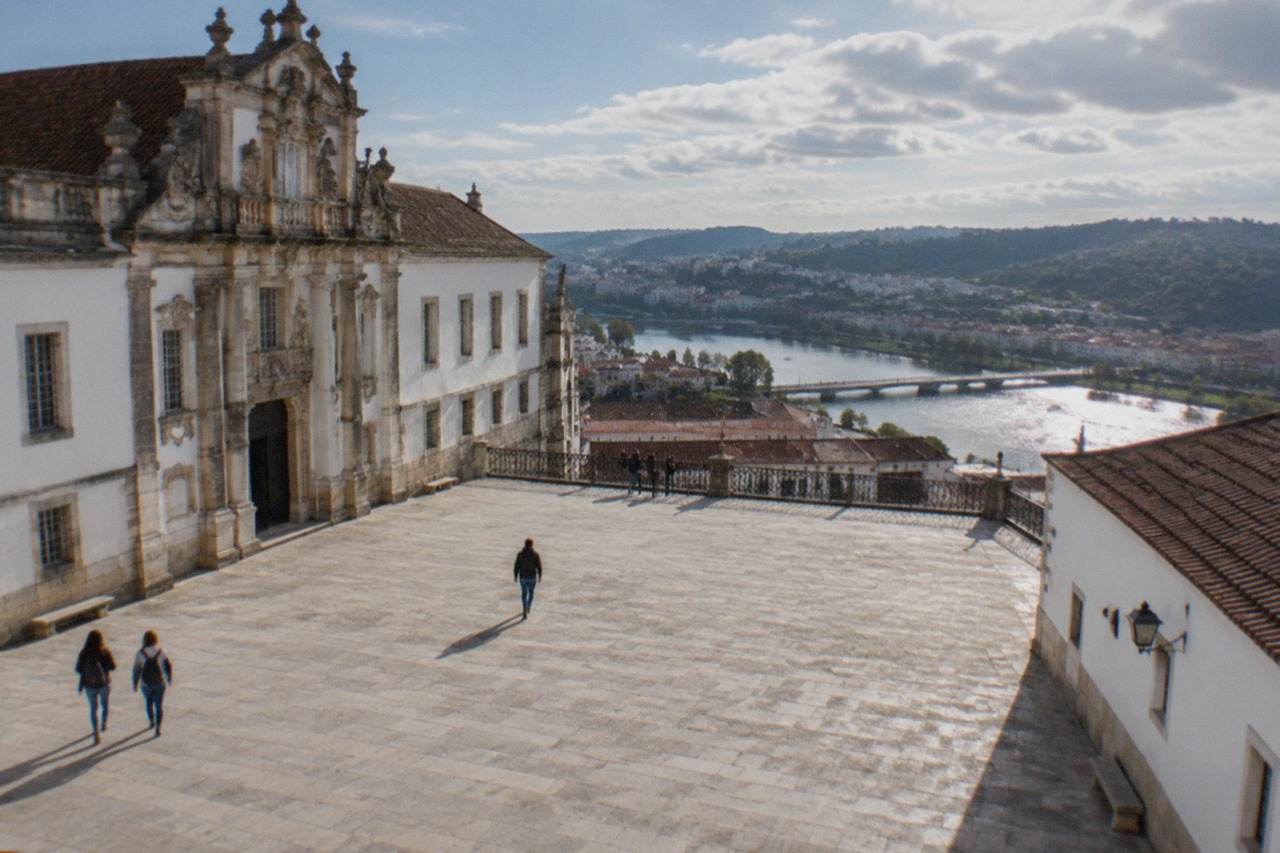
The UNESCO World Heritage property in Coimbra, Portugal is the University of Coimbra - Alta and Sofia, inscribed in 2013 under criteria (ii), (iv) and (vi). It covers two components inside the old town, the university hill and the college street of Rua da Sofia, and it is not the whole city.
Coimbra, the university city on the River Mondego in central Portugal, carries exactly one UNESCO World Heritage inscription, and it is narrower than almost every guide to the city claims. The listing is the University of Coimbra - Alta and Sofia, inscribed in 2013 under criteria (ii), (iv) and (vi), list reference 1387. It is not the city, not the old town as a whole, not the Baixa and not the riverside. The property is two components inside the old town: the Alta, the university hill crowned by the Royal Palace, and Rua da Sofia, the college street below it. This guide sets out what that means on the ground, what a ticket costs, and what the listing deliberately leaves outside its boundary.
What Is UNESCO Listed in Coimbra, Portugal?
The UNESCO World Heritage property in Coimbra is the University of Coimbra - Alta and Sofia, inscribed in 2013 under criteria (ii), (iv) and (vi), list reference 1387. It is two components within the old town: the Alta, the university hill with the Royal Palace of Alcáçova, St Michael's Chapel and the Joanine Library, and Rua da Sofia, the college street below. The city of Coimbra as a whole is not a World Heritage property, and neither is the Baixa, the riverside or the old town in general.
The distinction matters because it is the single most common factual error in guides to this city. A reader who arrives expecting a UNESCO-listed old town, in the way that the whole historic centre of Porto or Guimarães is listed, will find something different: a listed institution, sitting on a hill, with a second listed street running down from it. UNESCO's own description calls the property "two components within the old town of Coimbra". The inscribed name puts the university first for a reason.
The site is managed by the association RUAS, founded by the University, the City Hall, the Regional Delegation of the Ministry of Culture and Coimbra Viva. That management structure is itself a clue to what the inscription is about: the University of Coimbra, which publishes a figure of about 31,000 students on its own site, is a working institution first and a monument second, and the listing recognises the role it played in shaping the city around it rather than a collection of pretty buildings alone.
The three criteria tell the story. Criterion (ii) covers the interchange of human values, criterion (iv) an outstanding example of a building or landscape type, and criterion (vi) a direct association with living traditions. For Coimbra, that last one is where the student culture comes in: the black capes, the fado sung only by men in the Coimbra style, the Repúblicas, the student festivals. The listing argues that the university's traditions and its urban fabric are inseparable, and the two components, hill and street, are the physical evidence.
What Does the Alta Component of the Coimbra Listing Include?
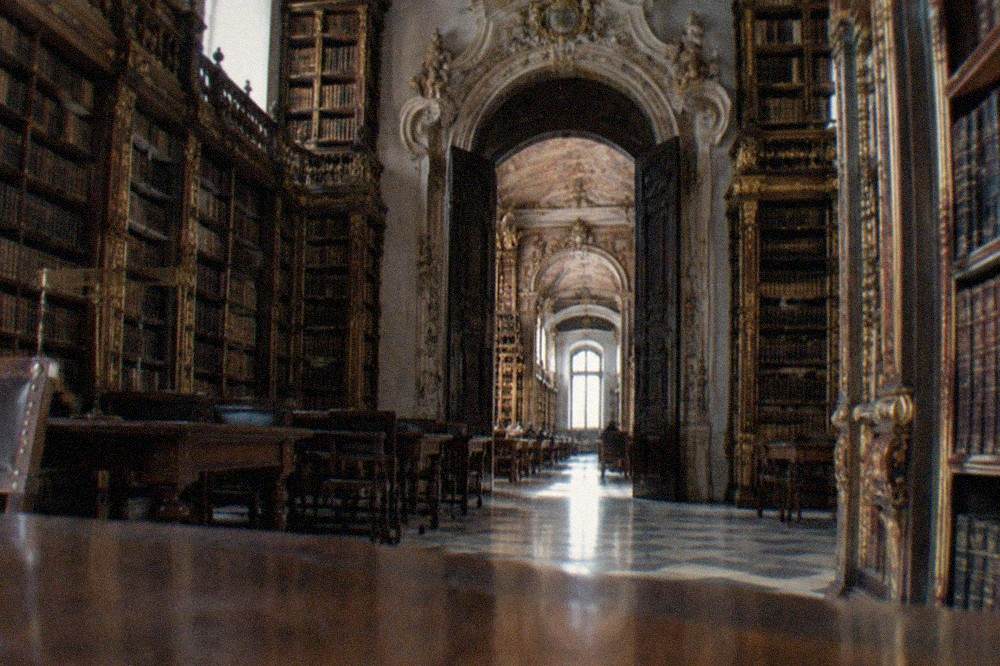
The Alta component is the university hill, and its named elements include the Royal Palace of Alcáçova, St Michael's Chapel, the Joanine Library, the 18th-century Chemistry and other laboratories, the Botanical Garden and the University Press, together with the 1940s University City expansion. The Paço das Escolas, the great court at the top of the hill, is the heart of it, and the University's own visit programme sells entry to these spaces as a combined ticket.
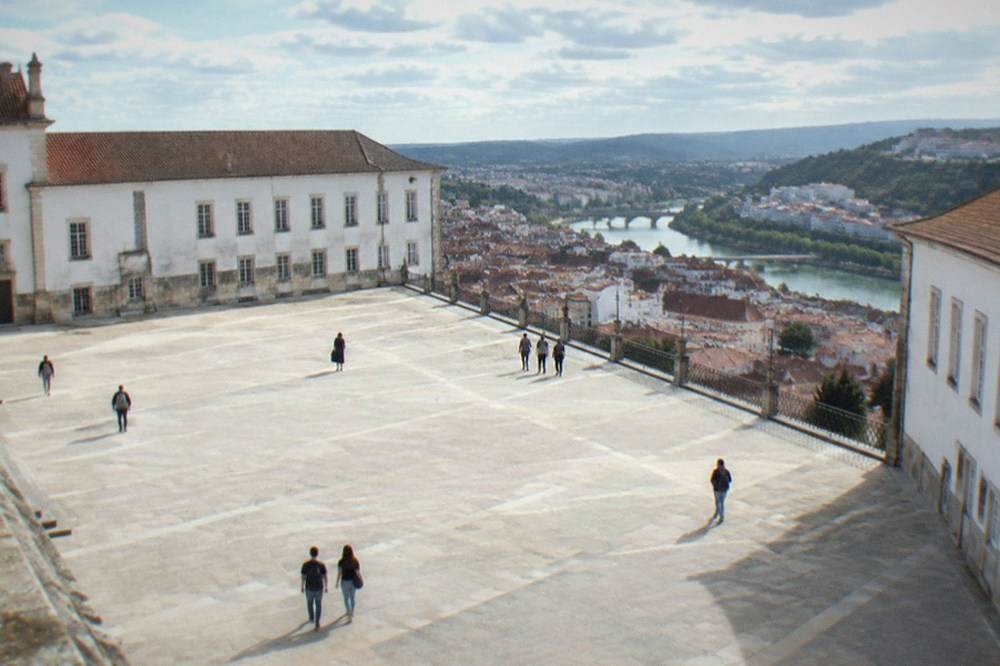
The Royal Palace of Alcáçova is the building the university grew into. The Paço das Escolas, the open court in front of it, is the space every photograph of Coimbra seems to be taken from, with the city falling away below towards the river. The University's own visit page states that the Paço das Escolas runs a summer schedule of 09:00 to 20:00 from 1 April to 30 September, and a winter schedule of 09:00 to 17:30 from 1 October to 31 March, and that the tourist circuit closes entirely on 24 and 25 December 2026, 31 December 2026 and 1 January 2027, 24 May and 4 October.
The Joanine Library, usually called the Biblioteca Joanina, is the component most visitors come for, and it operates under the strictest rule on the hill: the University's own programme page states that entries are limited to 50 people every 20 minutes, and that the time printed on your ticket is the library slot specifically. The library cannot be bought on its own. It exists only inside the 16.50 EUR combined ticket, and entry outside the printed slot is refused. The library also has a living conservation system that almost nobody expects: a colony of bats lives in the building and eats the insects that would otherwise damage the books, a fact confirmed on the University's own space page.
One thing the Alta does not offer in 2026 is the tower climb. The Torre da Universidade, the clock tower visible from across the city, is closed: the University's own information page states plainly that "this facility is closed". No price, no hours and no step count should be printed for it, and any tour or guide still selling a tower visit is describing something that no longer exists.
The best way to see the hill with the context attached is on a guided walk. The Coimbra Top Attractions walking tour is a budget option, from 5.85 EUR per person, rated 5 from 151 reviews, running two and a half hours across the upper town and the streets below. It pairs naturally with the self-guided walking tour route if you would rather walk alone on a different day.
What Is Rua da Sofia, the Second Component of the Coimbra Listing?
Rua da Sofia is the flat college street at the foot of the university hill, and its listed elements are the former colleges built along it in the 16th century: St Michael / the Inquisition, Holy Spirit, Our Lady of Carmel, Our Lady of Grace, St Peter of the Third Order, St Thomas, New St Augustine and St Bonaventure. The street was laid out to house the university's colleges when Coimbra's monastic buildings were converted to academic use, and UNESCO lists it as the inseparable second half of the property.
Where the Alta is the monument, Sofia is the mechanism. The street was created as a piece of urban planning: a straight, broad road running from the city gate towards the river, with college buildings placed along it in a deliberate order. The idea was that a university needs both a ceremonial hill and a working street, and Coimbra built both. Today several of the former colleges serve other civic uses, which is why a visitor walking Rua da Sofia sees ordinary city life rather than a museum street, and that is arguably the point of the inscription: the listing recognises a university city that still works.
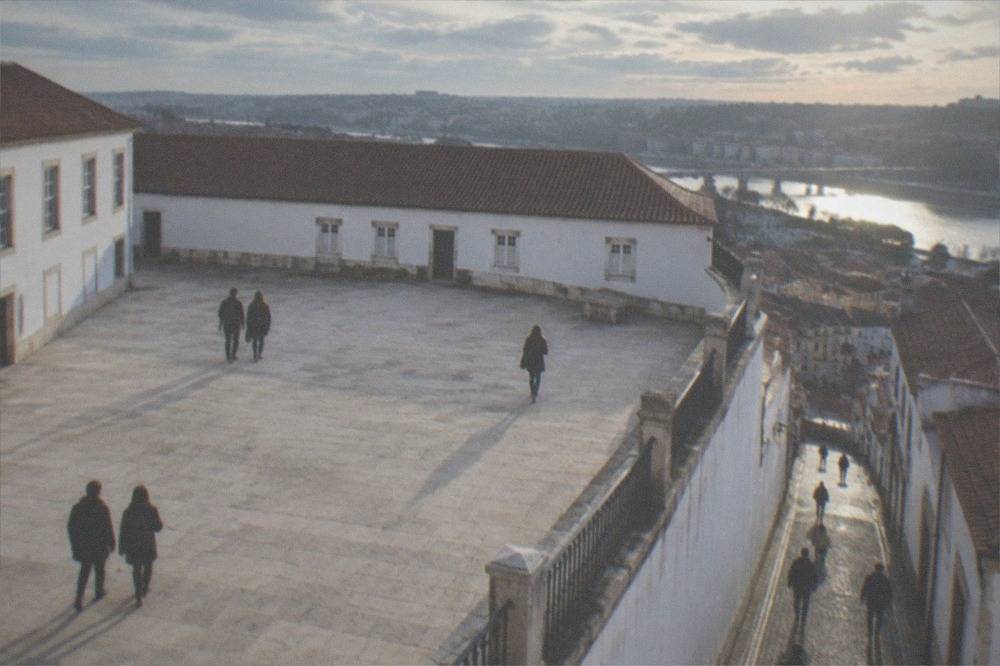
The two components are connected on foot, and the walk between them is short but steep. The Arco de Almedina, the surviving medieval gate, sits on the route between the Baixa and the hill, and the streets thread up through the old town to the Paço das Escolas. For orientation before you go, the Coimbra map and area guide marks the hill, the Baixa and the river against each other, and the old town guide covers the streets between the two listed components in detail.
A walking tour is the efficient way to take in both components in one morning, because the geography rewards someone who can explain why the hill and the street were listed together rather than separately. The Coimbra Top Attractions Walking Tour covers exactly this route, and you can Check availability for your dates.
How Much do Tickets to the Listed University of Coimbra Cost?
The University's own 2026 prices are 16.50 EUR for the combined ticket covering the Joanina Library, the Royal Palace, St Michael's Chapel, the Chemistry Laboratory, the Academic Museum, the Cabinet of Curiosities and the Mineral Gallery, valid two days except the fixed Joanina slot, and 12.50 EUR for the same list without the Joanina Library. A guided Palace of Schools visit costs 25.00 EUR, and the Botanical Garden guided tour is 10.00 EUR.
The 16.50 EUR ticket is the one that matters, because the Joanina Library cannot be bought any other way. The University's programme page states that the ticket is valid for two days across the other spaces, but the Joanina slot printed on it is fixed, that online purchase closes 20 minutes before the visit time, and that counter purchase is possible subject to slot availability. In summer, when the 50 people per 20 minutes ceiling meets peak demand, the slots are the scarce resource, and the listing itself is the reason: no other space on the hill rationed this tightly. The full index of guides sits on Coimbra Travel Guide.
| Ticket, University of Coimbra 2026 | Adult price | Duration | What it includes |
|---|---|---|---|
| Joanina Library + University + Science Museum | 16.50 EUR | 3h | Baroque Library, Royal Palace, St Michael's Chapel, Chemistry Laboratory, Academic Museum, Cabinet of Curiosities, Mineral Gallery |
| University + Science Museum | 12.50 EUR | 2h30 | Same list, without the Joanina Library |
| Guided tour, Palace of Schools | 25.00 EUR | 1h30 | Guide-led visit, meeting at the ticket kiosk in front of the Faculty of Medicine |
| Science Museum + UC Exploratório | 16.00 EUR | 3h | Chemistry Laboratory, Academic Museum, Cabinet of Curiosities, Mineral Gallery, UC Exploratório, no Palace of Schools spaces |
| Guided tour, Botanical Garden | 10.00 EUR | 1h30 | Meeting point at the side entrance of the Botanical Garden |
The guided alternatives are worth weighing against the standard ticket. The University of Coimbra guided tours without queue option runs from 70.24 USD per person, rated 4.9 from 576 reviews over an hour and a half, with tickets included and a group of eight; for anyone whose time in the city is short, it removes the single biggest failure mode of a visit, which is arriving to find the Joanina slots gone. The university tickets guide and the Joanina Library tickets guide break the options down further.
For the monuments outside the university's own ticketing, the prices are separate and modest. The verified figures from the managing bodies:
| Monument in Coimbra | Individual adult price | Notes |
|---|---|---|
| Sé Velha de Coimbra | 3.00 EUR | Group rate 2.50 EUR for more than 10 people |
| Mosteiro de Santa Cruz | 5.00 EUR | Group rate 3.50 EUR, minimum 12 people |
| Portugal dos Pequenitos | Price on the venue's own ticket page | Hours 10:00 to 19:00 from 1 March to 15 October |
| Museu Nacional de Machado de Castro | Closed for conservation work | No current price published while closed |
| Mosteiro de Santa Clara-a-Velha | Closed for requalification works | No current price published |
Two of those closures are worth flagging clearly. The Machado de Castro museum, which sits above a mid-1st-century Roman cryptoporticus, is closed for conservation work according to its own page on the national museums portal, and the Santa Clara-a-Velha monastery across the river has been closed for requalification works since October 2025. Neither should appear on a 2026 itinerary without a check first.
When Is the Best Time of Year to Visit the Listed Hill?
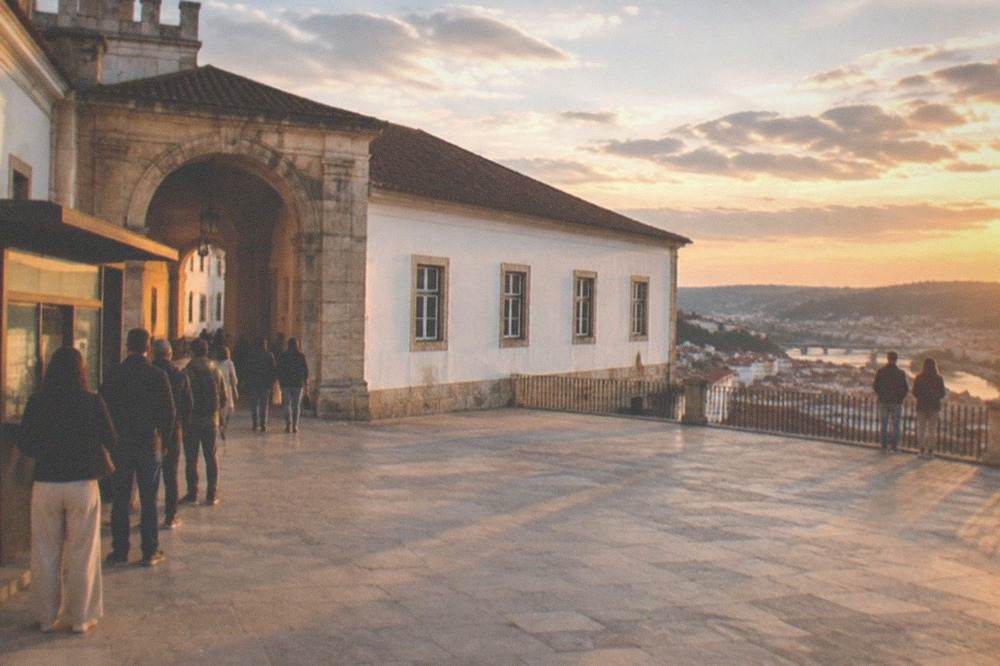
IPMA's 1991 to 2020 normals for the Coimbra / Bencanta station show September is the standout month: its mean maximum of 27.4 C is higher than June's 26.3 C, and it receives only 49.9 mm of rain against October's 114.5 mm. July is the driest month at 8.9 mm, August the hottest at 29.1 C, and November the wettest at 121.5 mm, so the practical answer is late June or September, avoiding the August heat and the October rain.
The numbers deserve a table, because the pattern is not the one most visitors assume. Coimbra's rain is autumn and winter rain: the monthly totals jump from 49.9 mm in September to 114.5 mm in October, and stay above 110 mm through November, December and January. Summer is not just dry, it is effectively dry in July, with 1.7 days of 1 mm or more rain across the whole month. The often-repeated claim that September is drier than June is inverted: September is both hotter and wetter than June, and the real sourced point is that the rain holds off until October.
| Month | Mean max C | Mean min C | Rain mm | Days 1mm+ rain |
|---|---|---|---|---|
| May | 23.3 | 11.8 | 64.7 | 8.5 |
| June | 26.3 | 14.2 | 26.0 | 3.7 |
| July | 28.5 | 15.6 | 8.9 | 1.7 |
| August | 29.1 | 15.7 | 14.8 | 2.2 |
| September | 27.4 | 14.1 | 49.9 | 5.2 |
| October | 23.2 | 11.9 | 114.5 | 10.3 |
One scheduling trap sits inside the calendar rather than the weather. The University closes its visitor circuit on 24 May, and Mosteiro de Santa Cruz suspends visits on the Cortejo da Queima das Fitas, a moveable Sunday, because the student festival takes over the streets between the hill and the river. The Queima das Fitas guide covers what is official about the festival and what is not, and the best time to visit guide and the weather guide extend the month-by-month picture.
What Is Worth Seeing Outside the UNESCO Boundary in Coimbra?
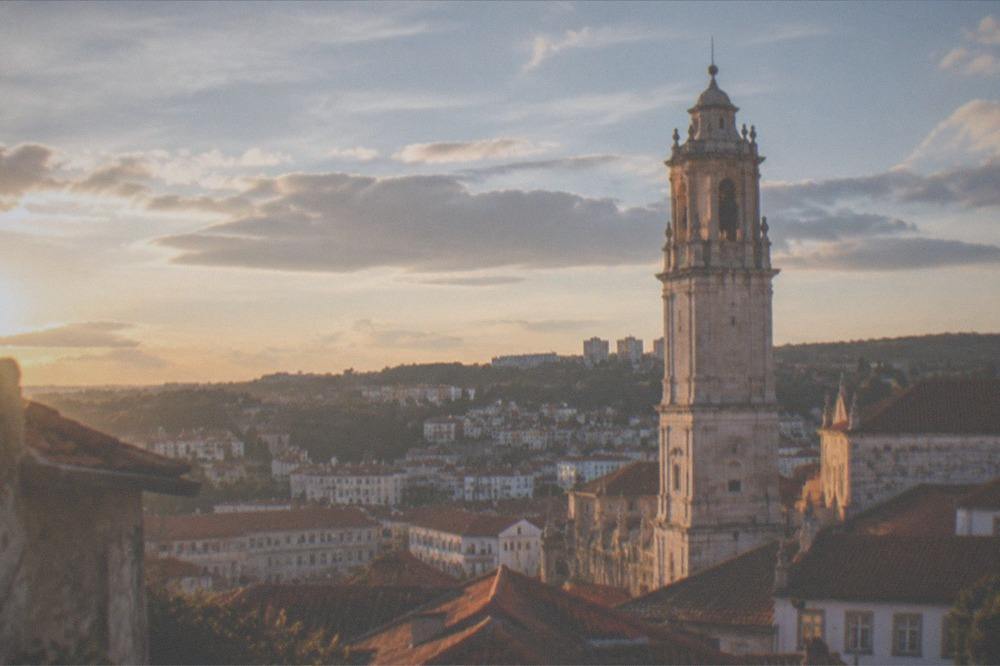
The honest answer is: a lot, because the UNESCO boundary is deliberately narrow. The Baixa, the riverside, the Parque Verde do Mondego, the Sé Velha, the Sé Nova, the Quinta das Lágrimas and the Conímbriga Roman ruins about 16 km south in Condeixa-a-Velha all sit outside the inscription, and several of them are the reason people remember the city. The listing covers the university's hill and one street, and Coimbra's attractions spread well beyond both.
Start with the fact that the Conímbriga ruins, a Roman town in the parish of Condeixa-a-Velha in the municipality of Condeixa-a-Nova, are their own destination, with a 10.00 EUR adult ticket covering the museum and ruins together and opening hours of 10:00 to 18:00 seven days a week. The Conímbriga guide covers it in full. Then there is the schist village country of the Serra da Lousã, where the Schist Villages of Lousã tours run: a four-hour option from 105.37 USD rated 4.9 from 133 reviews, and a private half-day version with a coffee stop from 87.81 USD rated 5 from 105 reviews. None of it is UNESCO listed, and none of it needs to be.
Closer in, the fado of Coimbra is tied to the university tradition that criterion (vi) of the inscription gestures at, but the shows themselves happen in the Baixa, outside the boundary. The Coimbra live fado show with a glass of port wine runs from 18 USD per person, rated 4.7 from 1,234 reviews, fifty minutes in a room where the Coimbra style, sung by men in the academic cape, is performed rather than the Lisbon style. The fado guide and the where to hear fado guide cover the tradition and the venues.
| Day trip from Coimbra | Tour | Price from | Rating | Duration |
|---|---|---|---|---|
| Conímbriga Roman ruins | Conimbriga and The Roman Tour | $105.37 per person | 4.8 from 136 reviews | 4 hours |
| Schist villages, Serra da Lousã | Schist Villages at Lousa Mountain | $105.37 per person | 4.9 from 133 reviews | 4 hours |
| Forest and palace, Buçaco | An adventure through the Forest and Palace of Bussaco | $87.81 per person | 5 from 50 reviews | 4 hours |
| Convent of Christ, Tomar | Time travel at the Convent of Christ Tomar | $46.83 per person | 5 from 80 reviews | 1 to 3 hours |
| Fátima shrine | Fátima Private Tour: Shrine, Sacred Way & Shepherds' Hometown | $129.95 per person | 4.9 from 55 reviews | 3 hours |
The day trips guide collects these and the itinerary guides, from one day to three, sequence the city itself so the listed hill gets the time it deserves without swallowing the trip.
How Does the UNESCO Listing Change a Visit to Coimbra, Portugal?
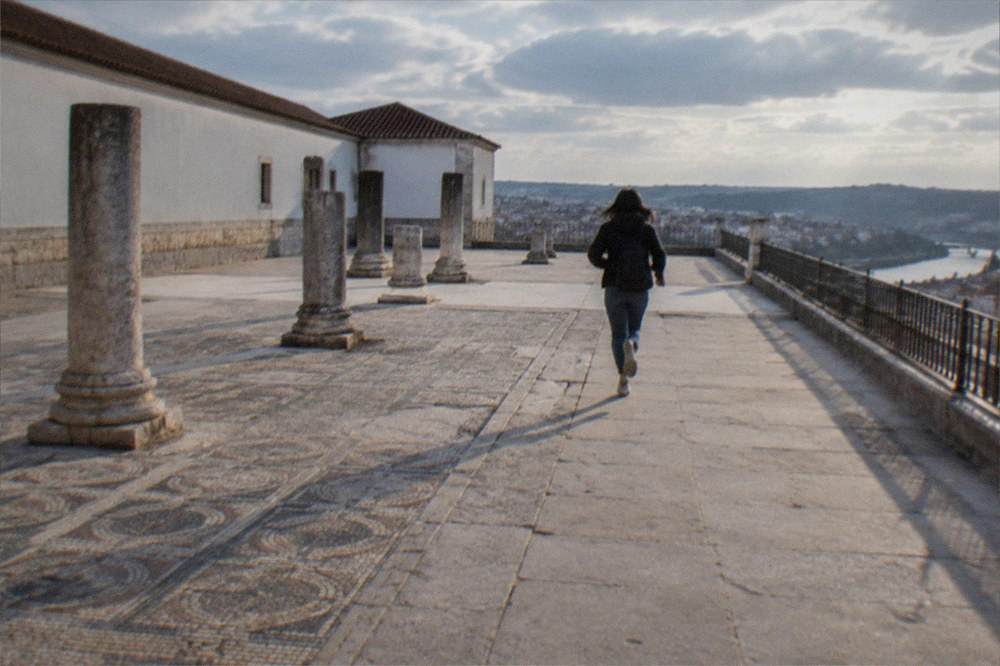
Practically, the listing changes three things: it concentrates the must-see sights on one hill, it makes the Joanina Library's timed slots the scarce resource of any trip, and it means the student traditions you will see on the streets are part of what was listed rather than background noise. The inscription is an argument that the university and its city cannot be separated, so a visit that only does the library and leaves misses most of what was listed.
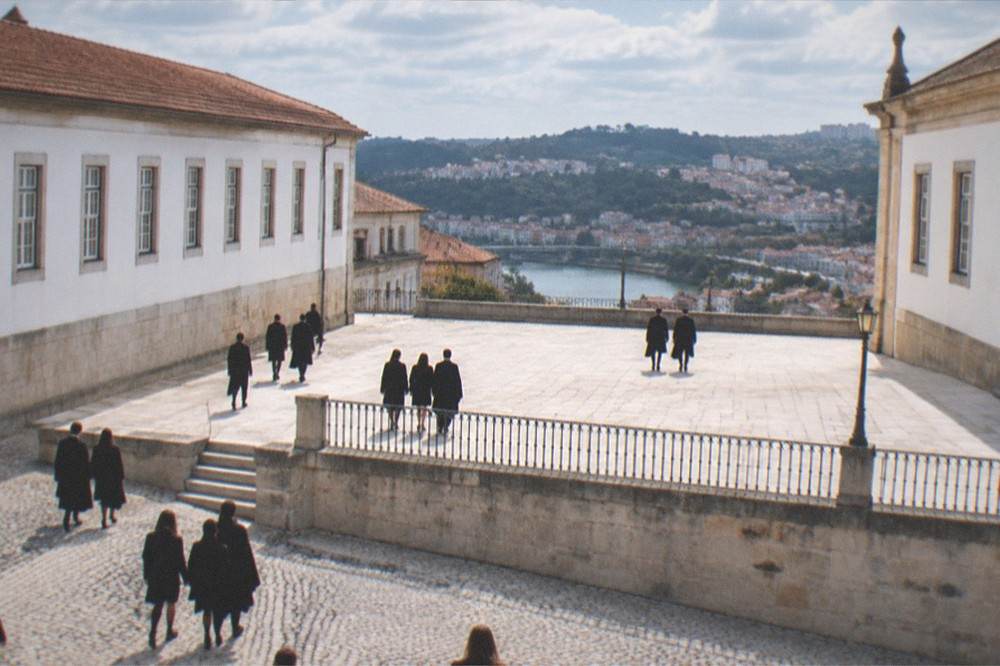
The third point is the one most itineraries waste. The Repúblicas, the student houses of the old town, the cape-and-batina dress, the fado sung from the windows of the Penedo da Saudade, the burning of the ribbons at the end of the academic year: these are the living traditions the inscription's criterion (vi) refers to, and they happen in the streets around the listed hill, in spaces you walk through on the way up. A visitor who treats the Paço das Escolas as a museum and the walk up as a commute gets half the listing.
The municipality's own numbers explain why the hill feels busy in season. Coimbra recorded 698,151 overnight stays in 2025, the municipality's own figure, and its study put the municipal cost associated with tourism at 3.49 EUR per overnight stay against a tourist tax of 1.00 EUR per guest per night, capped at three nights, from age 16, paid at the accommodation. That tax applies all year with no low-season exclusion, and it is charged at check-in or check-out, not through a booking platform. The practical consequence for the visitor is simple: the demand is real, so the Joanina slots are worth booking ahead, and the first-time visit guide and the is Coimbra worth visiting guide are the honest answers to whether the trip justifies it.
For a deeper pairing, the University Plus City Combo tour, from 84.29 USD per person and rated 4.9 from 399 reviews over two to three hours, is the one that covers both listed components plus the city between them, which is the closest a single tour gets to the shape of the inscription itself.
Common Questions About Coimbra UNESCO World Heritage
Is Coimbra a UNESCO World Heritage city?
No. The UNESCO inscription is the University of Coimbra - Alta and Sofia, list reference 1387, inscribed in 2013 under criteria (ii), (iv) and (vi). It covers two components inside the old town, the university hill and the college street of Rua da Sofia. The city of Coimbra as a whole, the Baixa and the riverside are not part of the listed property.
What year was the University of Coimbra listed by UNESCO?
The University of Coimbra - Alta and Sofia was inscribed on the UNESCO World Heritage List in 2013. The listing is managed by the association RUAS, founded by the University, the City Hall, the Regional Delegation of the Ministry of Culture and Coimbra Viva.
Which buildings are included in the Coimbra UNESCO listing?
The Alta component includes the Royal Palace of Alcáçova, St Michael's Chapel, the Joanine Library, the 18th-century Chemistry and other laboratories, the Botanical Garden and the University Press. The Sofia component includes the Rua da Sofia colleges: St Michael / the Inquisition, Holy Spirit, Our Lady of Carmel, Our Lady of Grace, St Peter of the Third Order, St Thomas, New St Augustine and St Bonaventure. The 1940s University City is also part of the property.
Do you need tickets for the UNESCO-listed University of Coimbra?
Yes. The University's own 2026 prices are 16.50 EUR for the combined ticket including the Joanina Library, or 12.50 EUR without it, both valid two days except the fixed Joanina slot. The Joanina Library admits 50 people every 20 minutes and cannot be bought as a standalone ticket.
Is the Biblioteca Joanina part of the UNESCO listing?
Yes, the Joanine Library is a named component of the Alta, the university hill. It is also the hardest part of the listing to see: entries are limited to 50 people every 20 minutes, the time printed on your ticket is the library slot specifically, and entry outside that slot is refused.
Can you climb the university tower in Coimbra?
No. The Torre da Universidade is closed, and the University's own information page states that this facility is closed. No tower visit is currently sold, so any guide or tour promising a climb is out of date.
The inscription on this hill is a working university's, not a museum's, and that is the whole character of the place: the 16.50 EUR ticket buys the buildings, but the reason they were listed is walking past you in a black cape on the way up.