The University of Coimbra Tower: What You Can and Cannot See in 2026
The tower is the silhouette everyone photographs, but the University's own visitor page states the facility is closed. Here is what that means for a visit to Coimbra, Portugal, and what to do on the hill instead.
Short answer
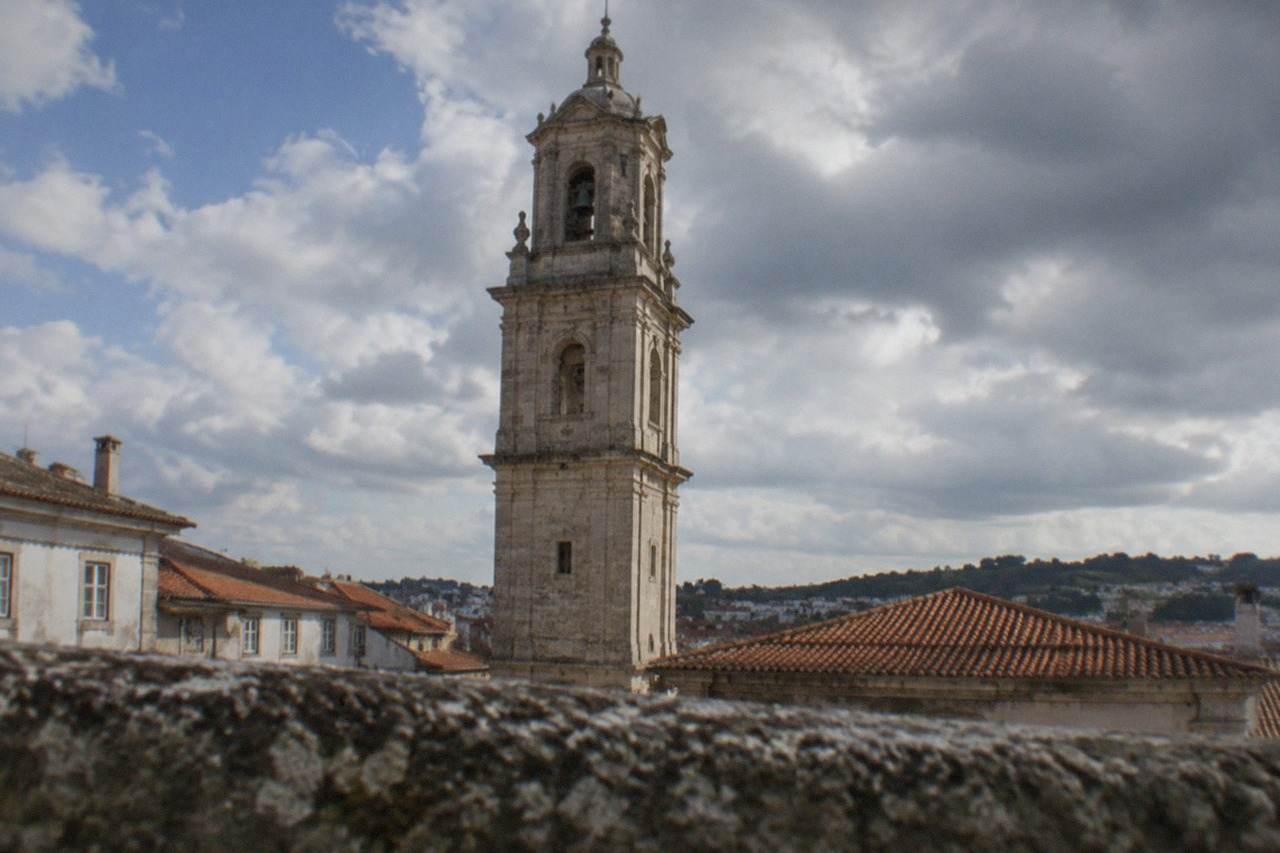
The Torre da Universidade, the baroque clock tower above the Paço das Escolas in Coimbra, Portugal, is closed to the public: the University's own visitor information page states the facility is closed, and no ticket, price or opening time exists for a climb. The same page notes the tower has 184 steps and a narrow passage. You can still see and photograph the tower from the courtyard and from across the River Mondego, and the rest of the university circuit is open.
Coimbra, Portugal, the university city on the River Mondego, has one silhouette that defines it: the baroque clock tower of the University of Coimbra, standing above the Paço das Escolas and visible from almost every rooftop terrace in the old town. It appears on postcards, on the city's tourism branding, and in the foreground of nearly every photograph taken from the far bank of the Mondego. But there is a fact most competing guides either bury or miss entirely: the University's own visitor information page states, in plain words, "We regret to inform you that this facility is closed." No ticket exists for a tower climb, no price is published, and no reopening date has been announced. This page, like everything else on Coimbra Travel Guide, explains exactly what that means, what the official sources do and do not say about the tower, and how to build a visit around the university hill that does not depend on a door that is shut.
Can You Climb the University of Coimbra Tower?
No, you cannot climb the University of Coimbra tower, and no source currently sells a way in: the University's own visitor information page states the facility is closed, publishes no ticket, no price and no opening time for it, and gives no reopening date. The same official page mentions the tower's 184 steps and its narrow passage, which explains why the climb was never casual and why reopening it is not simple. Any listing offering a tower climb today is selling something the University itself does not offer.
That closing line is not a rumour and not a temporary glitch. It sits on visit.uc.pt, the University's own ticketing and information portal, the same page that publishes the opening hours and closing dates for everything else on the university circuit. The University is unusually direct about it, and the practical consequence is simple: the tower is something you see, not something you ascend, in 2026.
The 184 steps and the narrow passage are worth pausing on, because they are the reason this closure is not trivial to reverse. A spiral staircase of that length, inside a baroque bell tower, with a single-file passage at the top, is a difficult space to make safe for modern visitor numbers. The University's page mentions these facts while announcing the closure, which reads as an explanation rather than an apology. When a reopening date exists, it will appear on the University's own pages, and nowhere else.
What the closure does not change is the tower's role in the city. It is still the reference point for finding your way around Coimbra: from the Baixa, the downtown grid below, you walk uphill toward it, and from the Santa Clara side of the river it is the first thing you pick out at dusk. A visit that treats the tower as a landmark to be seen rather than a staircase to be climbed loses almost nothing.
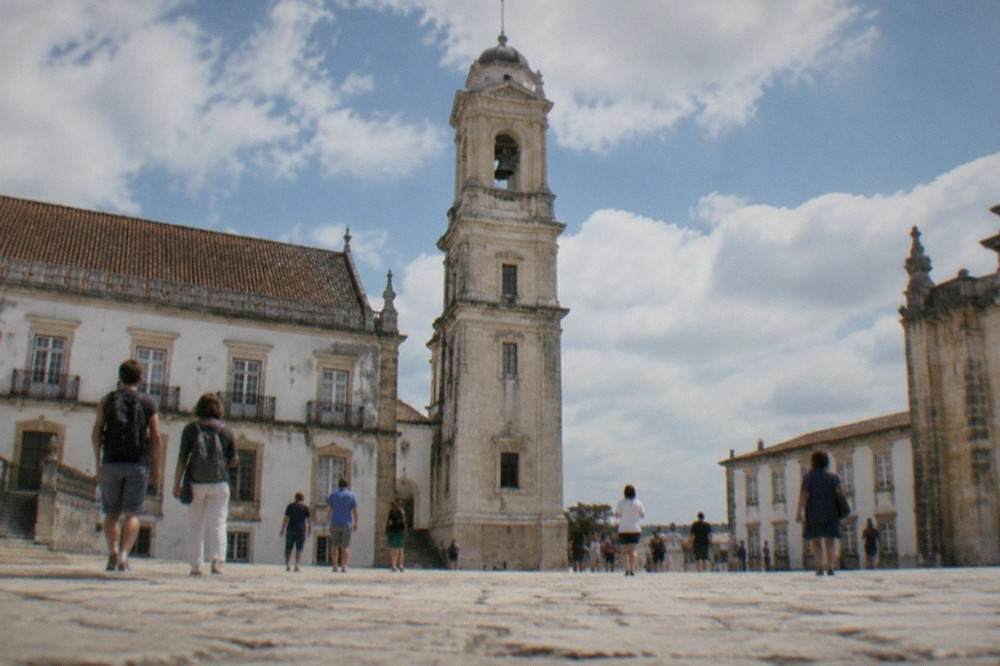
The good news is that the rest of the university hill is very much open, and the University of Coimbra attractions circuit around the tower is one of the richest monument clusters in the country. If the closed door is a disappointment, the open ones are the Joanina Library, the São Miguel Chapel, the Royal Palace and the Science Museum, all within a two-minute walk of the tower's base.
What Is the University of Coimbra Tower, and Why Is It Famous?
The Torre da Universidade is the baroque clock tower of the University of Coimbra, completed in the 18th century as part of the Royal Palace of Alcáçova complex on the summit of the university hill, and it is famous as the single most recognisable structure in Coimbra, Portugal, appearing in the UNESCO-inscribed "University of Coimbra – Alta and Sofia" property, inscribed in 2013 under criteria (ii), (iv) and (vi). Its bells historically regulated the academic day of one of the world's oldest continuously operating universities.
The tower belongs to the Paço das Escolas, the courtyard at the top of the hill where the University has been housed since 1537, when it moved into the former Royal Palace of Alcáçova. The palace complex, with the tower at its corner, is the heart of the inscribed UNESCO property. That property, list reference 1387, covers two components inside the old town: the Alta, the university hill itself, and Sofia, the college street below. It does not cover the whole city, a distinction worth getting right because "Coimbra is a UNESCO World Heritage city" is the single most common error in guides to this city. The city is not inscribed. The university hill and Rua da Sofia are.
The tower's fame is partly acoustic. Before wristwatches, and long before phones, the university's day ran on its bells: lectures, examinations, ceremonies and the famous midnight serenades of the student tradition all took their cue from the tower. The University publishes about 31,000 students today, and the student population still fills the hill, so the tower stands over a living campus rather than a museum piece. The university hill area remains the emotional centre of the city's academic identity.
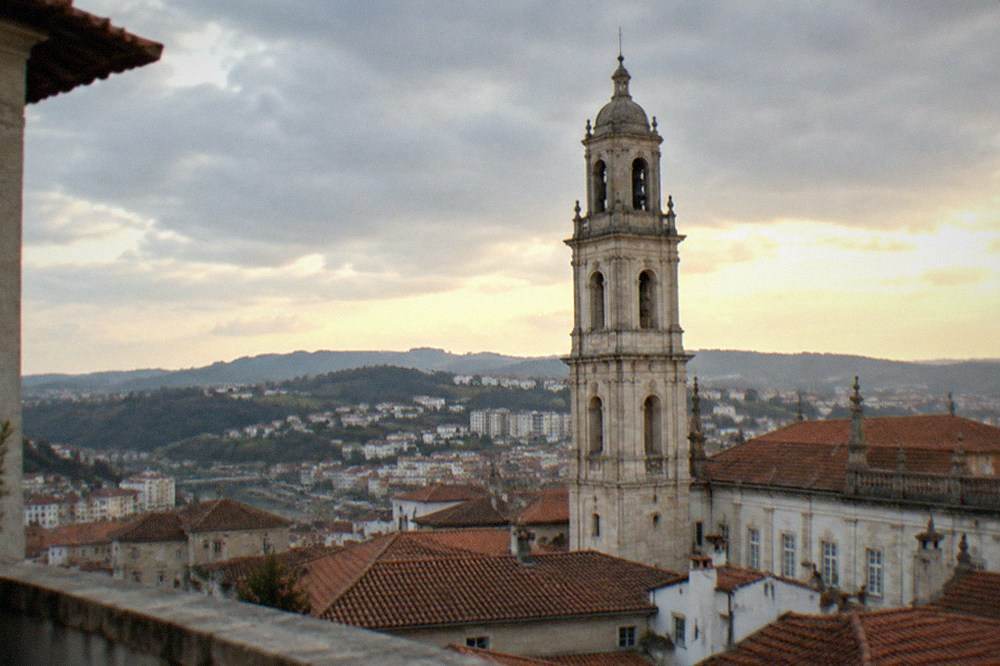
It is also the city's best orientation tool. Coimbra is built on a hill that drops steeply to the River Mondego, and the tower marks the highest point of the historic core. Every practical navigation instruction in the city eventually resolves into "walk toward the tower". The self-guided walking routes through the old town all use it as a waypoint, and the view from the Paço das Escolas terrace beside it, over the river and the red rooftops of the Baixa, is the single most photographed panorama in Coimbra.
What Can You See at the Tower Today Without a Ticket?
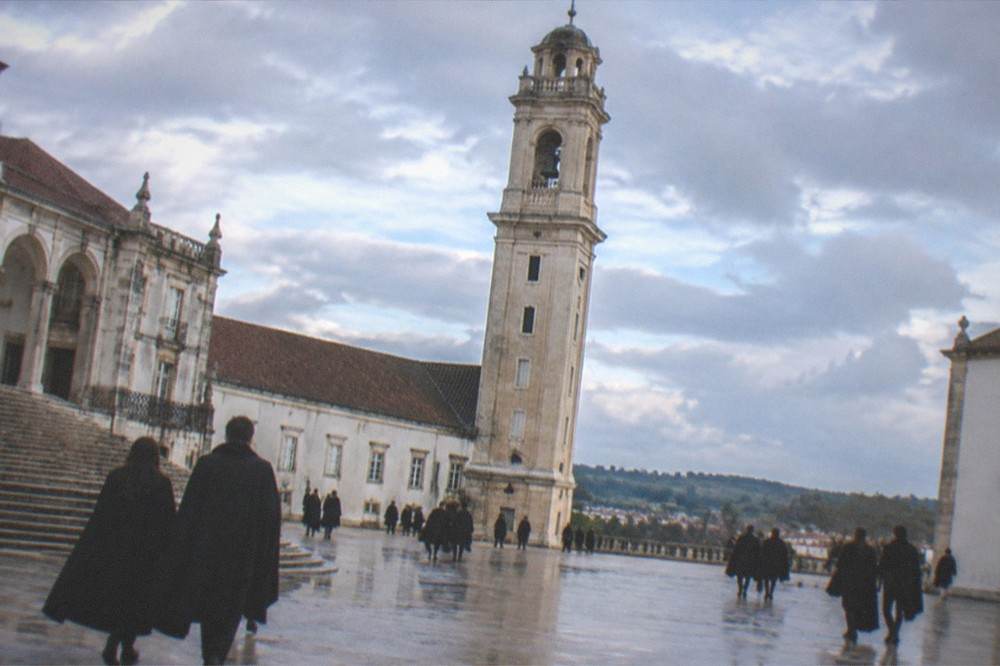
You can see the tower's exterior, its clock faces and its position on the Paço das Escolas courtyard without any ticket, because the courtyard is a public square, and the best views of the tower cost nothing: from the terrace beside the Royal Palace, from the Botanical Garden slopes below the hill, and from the far bank of the River Mondego near the Santa Clara district.
What you cannot do is enter the tower, ascend its 184 steps or reach its belfry, because the facility is closed with no published reopening date.
This is the part worth planning around, because the free experience is genuinely good. The Paço das Escolas courtyard is open public space, and standing under the tower's base gives you the masonry detail, the clock, and the sheer vertical of the thing in a way a climb would not. The terrace at the courtyard's river-facing edge is the classic viewpoint over Coimbra, taking in the Mondego, the Santa Clara district across the water, and the rooftops of the Baixa below.
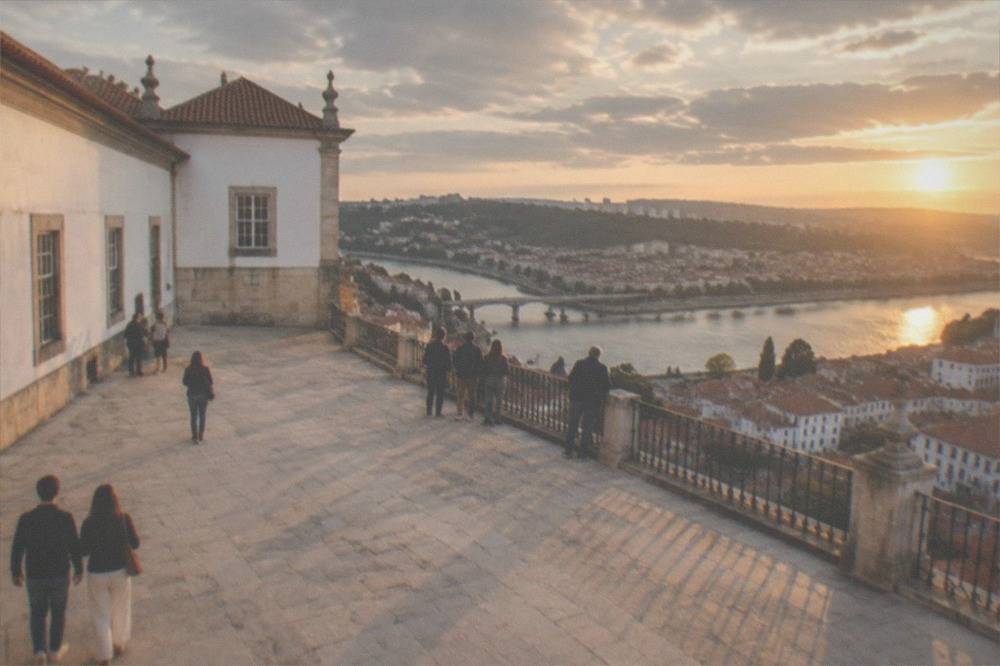
The second view is from below. Walk down through the old town to the river, cross to the Santa Clara side, and look back: the tower rises above the whole historic skyline, with the dome of the university chapel and the tiers of the hillside beneath it. Sunset is when this view earns its reputation, and it costs nothing. The views and photo spots around Coimbra are largely free, and this is the best of them.
The third view is from the garden. The Botanical Garden occupies the slope below the university on the south side, and its upper terraces frame the tower through trees. It is a quieter angle, and it pairs well with the garden's own guided tour, which the University prices at 10.00 EUR for adults, with the Great Greenhouse guided tour also at 10.00 EUR, per the official 2026 programme list.
A private guided walk is one way to get the tower's story properly, since a guide covers the closed monument from the outside while leading you through everything that is open. The Best of Coimbra Private Walking Tour with University Late Visit runs with a late university visit built in, and Check availability if that structure suits your itinerary.
What Do the Official University Tickets Include, and What do They Cost in 2026?
The University's own 2026 ticket list, stamped valid from 1 January to 31 December 2026, prices the Joanina Library + University + Science Museum combined ticket at 16.50 EUR for adults, the University + Science Museum ticket at 12.50 EUR, the guided tour of the Palace of Schools at 25.00 EUR, and the Science Museum + UC Exploratório ticket at 16.00 EUR, with the tower included in none of them, because the tower is closed and forms no part of any ticket.
The full official price list, published on the University's own ticketing pages, is the planning backbone of any visit to the hill:
| Official 2026 ticket (adult) | Price | Duration | What it includes |
|---|---|---|---|
| Joanina Library + University + Science Museum | 16.50 EUR | 3h | Joanina Library (timed slot), Royal Palace, São Miguel Chapel, Chemistry Laboratory, Academic Museum, Cabinet of Curiosities, Mineral Gallery |
| University + Science Museum | 12.50 EUR | 2h30 | The same spaces, without the Joanina Library |
| Guided tour, Palace of Schools | 25.00 EUR | 1h30 | Guide-led visit; Science Museum spaces not included; meets at the ticket kiosk in front of the Faculty of Medicine |
| Science Museum + UC Exploratório | 16.00 EUR | 3h | Chemistry Laboratory, Academic Museum, Cabinet of Curiosities, Mineral Gallery, UC Exploratório; explicitly excludes the Joanina, São Miguel Chapel and Royal Palace |
| Botanical Garden guided tour | 10.00 EUR | 1h30 | Meets at the side entrance of the Botanical Garden |
| Great Greenhouse guided tour | 10.00 EUR | 1h | Same meeting point |
Two details on that list matter more than the prices. First, the Joanina Library cannot be bought on its own: it exists only inside the 16.50 EUR combined ticket, and the date and time printed on that ticket is the Joanina slot specifically, with the other spaces visitable before or after it across two days. Second, entry to the Joanina is capped at 50 people every 20 minutes, in the University's own published wording, and entry outside the printed slot is refused outright. Online purchase closes 20 minutes before the visit time. That ceiling is the single most useful practical fact on this whole site, because it is why a summer visitor without a pre-booked slot can be turned away from the library even when the rest of the circuit is wide open. The full ticket breakdown covers the strategy in detail.
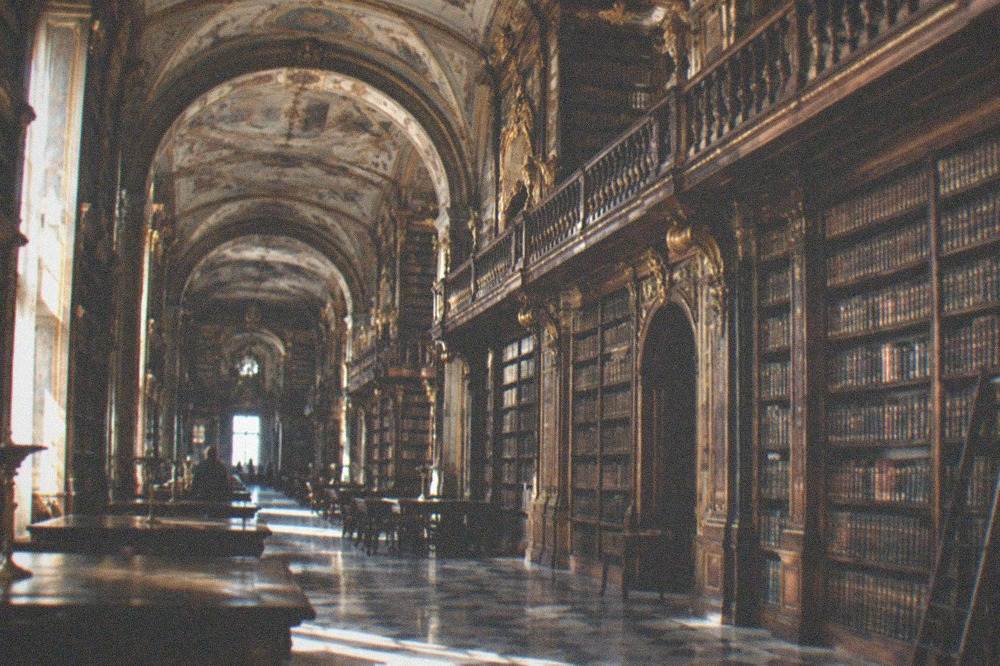
Opening hours for the university circuit are 09:00 to 20:00 from 1 April to 30 September, and 09:00 to 17:30 from 1 October to 31 March. Published closing dates in the current cycle are 24 and 25 December 2026, 31 December 2026 and 1 January 2027, plus 24 May and 4 October, when academic ceremonies take over the circuit. The University also warns that religious, official and academic ceremonies interrupt the normal tourist circuit, and that the Cabinet of Curiosities and the Physics Cabinet close for two days every three months for disinfestation. Whether you need tickets at all is a fair question with a layered answer, covered in do you need tickets for the University of Coimbra.
What Was the Tower Climb Like, and Why Is It Hard to Reopen?
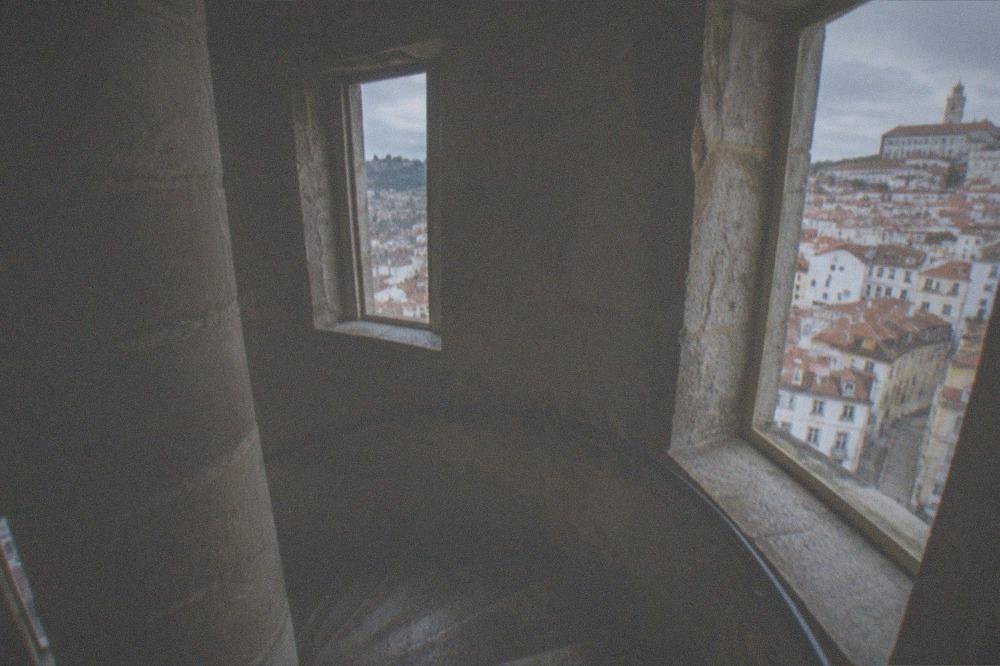
The University's own page describes the closed facility as having 184 steps and a narrow passage, which means the climb was always a single-file, tightly winding ascent inside a working baroque bell tower, not a modern visitor attraction with landings and railings, and that physical reality is why the University can close it indefinitely: making a narrow 18th-century stair safe for large visitor flows would require the kind of intervention a protected UNESCO-inscribed structure makes difficult.
It helps to be honest about what is lost. The climb was never the comfortable experience some guides imply. A spiral stair of 184 steps inside a tower shaft is a serious effort in July heat, the passage near the top is genuinely narrow, and the reward, a view over the city and the river from the highest fixed point in the old town, is one you can approximate today from the Paço das Escolas terrace a few metres away, which is free and has no steps at all.
The tower sits inside the inscribed UNESCO property, which adds a second layer of constraint. Any modification to the fabric of a listed structure, from handrails to capacity-control doors, has to respect the heritage regime. That is a defensible reason for a closure to last years rather than weeks, and it is why no guide should promise a reopening "soon". When the University has a date, it will publish one; until then the honest sentence is the one its own page uses: the facility is closed.
There is a planning lesson in this that goes beyond one tower. Coimbra in 2026 has more than one closed monument, and the pattern is always the same: the official page states the closure plainly, while third-party listings keep publishing the old hours and prices. The Museu Nacional de Machado de Castro, down the hill on the way to the Baixa, is closed for conservation work, its own page on the national Museus e Monumentos portal says so twice, and yet the same page prints a normal-looking opening-hours table directly below the closure notice, which is exactly how outdated hours keep spreading. The museum sits above a Roman cryptoporticus of the mid-1st century, its address is Largo Dr. José Rodrigues, and no reopening date or admission price is published. Check the museum's own page before planning around it, and never let a listing tell you a closed monument is open.
Where Are the Best Views of the Tower From?
The best views of the University of Coimbra tower are, in order: the Paço das Escolas courtyard and its river-facing terrace, which sit at the tower's base and cost nothing; the far bank of the River Mondego around the Santa Clara district, which frames the tower above the whole old-town skyline and is at its best at sunset; and the upper terraces of the Botanical Garden below the hill, which give a quieter, tree-framed angle. All three are free, and none requires a ticket.
The courtyard view is the close one. Standing in the Paço das Escolas, the tower is directly overhead, and the details, the clock faces, the stonework, the bell openings, are at their most legible. The terrace at the courtyard's edge gives the panorama: the Mondego, the Santa Clara side, and the rooftops falling away toward the Baixa. This is the view that made the city's postcards.
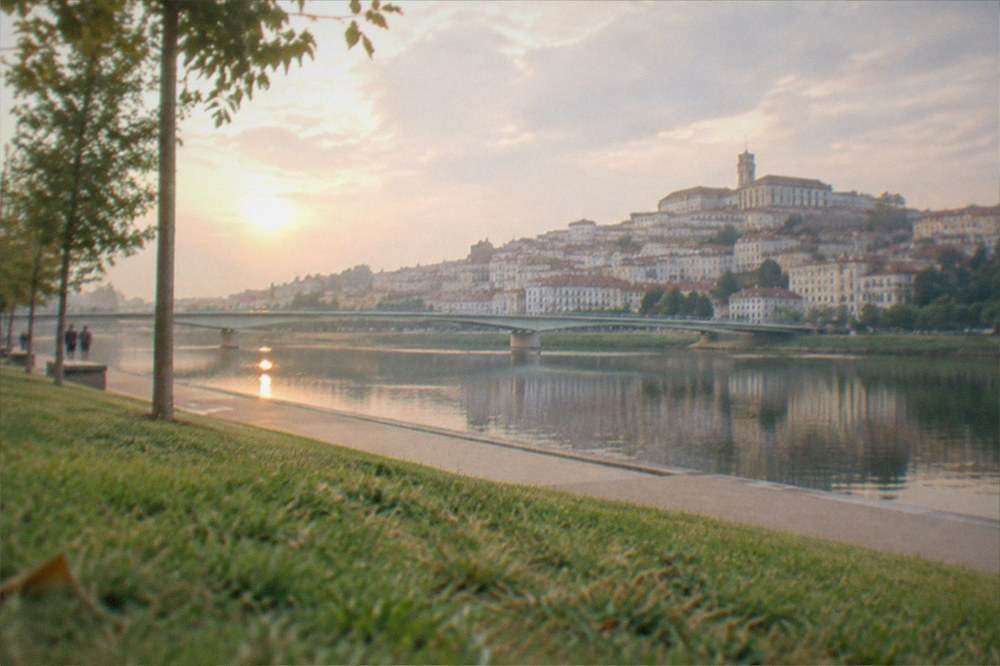
The river view is the dramatic one. From the Santa Clara bank, the tower is the apex of a skyline that stacks the hillside: university buildings, the dome of the chapel, terraces of houses, and the water in front. Late afternoon light comes from behind you and warms the whole face of the city. The Santa Clara side of the river is also where the city's quietest riverside walking is, away from the crowds on the hill.
The garden view is the restorative one. The Botanical Garden's upper levels look back up at the university buildings with the tower above them, framed by mature trees. It pairs naturally with the garden's own guided tour at 10.00 EUR, and it is the angle almost nobody photographs, which is a recommendation in itself. The Sé Velha, the Old Cathedral, on the walk between the hill and the Baixa, adds a second tower to the day's skyline, with an individual ticket at 3.00 EUR per the parish body that manages it.
How Should You Plan a Visit Around the Closed Tower?
Plan the university hill as a half-day circuit that treats the tower as its landmark rather than its destination: book the 16.50 EUR combined ticket online in advance to lock a Joanina Library slot, visit the Royal Palace, São Miguel Chapel and Science Museum spaces around that fixed slot, see the tower and the terrace from the Paço das Escolas courtyard, then descend through the old town to the river for the Santa Clara view at sunset, with the Botanical Garden before or after depending on season.
A concrete shape helps. The 2026 ticket prices and rules make the sequencing straightforward:
| Time of day | What to do | Official cost | Note |
|---|---|---|---|
| Morning | Paço das Escolas courtyard, tower exterior, terrace view | Free | Courtyard is public space; tower is closed, no ticket exists |
| Late morning | Joanina Library slot, Royal Palace, São Miguel Chapel | 16.50 EUR combined | Slot is fixed; 50 people per 20 minutes; book online in advance |
| Early afternoon | Chemistry Laboratory, Academic Museum, Cabinet of Curiosities, Mineral Gallery | Included in same ticket | Ticket valid two days except the Joanina slot |
| Afternoon | Descend through the Baixa to the river | Free | Old town lanes run downhill to the Mondego |
| Late afternoon | Santa Clara bank view of the tower and skyline | Free | Best light on the old town is late in the day |
| Optional | Botanical Garden guided tour | 10.00 EUR | Meets at the garden's side entrance |
Two warnings shape the plan. First, the Joanina slot is the fixed point: the time printed on your ticket is the library time, everything else flexes around it across two days, and arriving late for the slot means refused entry, in the University's own published wording. Second, the closing dates are real: 24 May and 4 October are ceremony days when the circuit shuts, alongside the Christmas and New Year dates, and the University warns that other ceremonies interrupt visits without much notice. If your trip is in May, know that the 24 May closure coincides with the academic festival season, when the Cortejo da Queima das Fitas parade also suspends visits at Mosteiro de Santa Cruz for the day.
For readers weighing whether the hill justifies the effort at all, the honest answer is yes, and the reasons are laid out in is the University of Coimbra worth visiting and in the broader question of how hard it is to get into Coimbra University for those curious about the institution behind the monuments. The tower being closed removes one staircase from a hill that has half a dozen world-class interiors, and none of those interiors is affected.
If you would rather have someone else handle the sequencing, the Coimbra Top Attractions Walking Tour covers the hill and the old town in a single guided walk, and the operator's live listing carries the current price and departure times. For the evening, after the tower view at sunset, the live fado tradition of Coimbra is the city's other great student inheritance, and a show with a glass of port included is the easiest way into it.
What do People Ask About the University of Coimbra Tower?
The questions people ask about the University of Coimbra tower are almost all about access: whether you can climb it, whether a ticket exists, how many steps it has, and when it will reopen, and the answers come from one page, the University's own visitor information, which states the facility is closed, notes 184 steps and a narrow passage, and publishes no ticket, no price and no reopening date for the tower.
The same questions come up again and again, and most of them exist because third-party listings keep publishing information the University has withdrawn. Here are the direct answers, based on what the official pages actually say.
| Question | Short answer | Official basis |
|---|---|---|
| Can I climb the tower? | No, the facility is closed | University's own visitor information page |
| Is there a tower ticket? | No ticket exists for the tower | No tower entry on any 2026 programme |
| How many steps does it have? | 184, with a narrow passage | University's own information page |
| Is the tower part of the UNESCO site? | Yes, within the Paço das Escolas, in the Alta component | UNESCO list reference 1387, inscribed 2013 |
| Can I see it without a ticket? | Yes, the courtyard is public space | Paço das Escolas is an open square |
| When will it reopen? | No date is published | No reopening announcement exists |
Common Questions About the University of Coimbra Tower
Can you climb the University of Coimbra tower?
No. The University's own visitor information page states the facility is closed, and no ticket, price or opening time for a tower climb exists. The same page notes the tower has 184 steps and a narrow passage. Any listing selling a tower climb today is offering something the University itself does not.
Is the University of Coimbra tower part of the UNESCO World Heritage site?
Yes. The tower stands on the Paço das Escolas, inside the "University of Coimbra – Alta and Sofia" property, list reference 1387, inscribed in 2013 under criteria (ii), (iv) and (vi). The property covers two components of the old town, the university hill and Rua da Sofia, and not the city as a whole.
How many steps does the University of Coimbra tower have?
184 steps, with a narrow passage near the top, according to the University's own visitor information page. The page mentions these details while stating the facility is closed, which reads as an explanation of why reopening is not straightforward.
Can you see the University of Coimbra tower without a ticket?
Yes. The Paço das Escolas courtyard where the tower stands is public space, and the best views of the tower, from the courtyard terrace, the Botanical Garden slopes and the Santa Clara bank of the River Mondego, all cost nothing.
What else can you visit on the university hill if the tower is closed?
The Joanina Library, the Royal Palace, São Miguel Chapel, the Chemistry Laboratory, the Academic Museum, the Cabinet of Curiosities, the Mineral Gallery and the Science Museum are all open, covered by the University's official 2026 tickets, priced from 12.50 EUR to 25.00 EUR depending on the programme, with the Joanina included only in the 16.50 EUR combined ticket.
When will the University of Coimbra tower reopen?
No reopening date has been published. The University's own page states the facility is closed and gives no timetable. When a date exists, it will appear on the University's own visitor pages, and that is the only place to trust for it.
The tower of the University of Coimbra remains exactly what it has always been from street level: the fixed point around which the whole city arranges itself, the bell tower that once ran the academic day of one of the world's oldest universities, and the silhouette that tells you, from any terrace in Coimbra, Portugal, which way is uphill. The staircase inside it is closed, and the honest guide says so plainly. The courtyard beneath it, the library beside it, the chapel across from it and the river below are all open, and together they are more than any single climb could have offered.