Quinta das Lágrimas in Coimbra
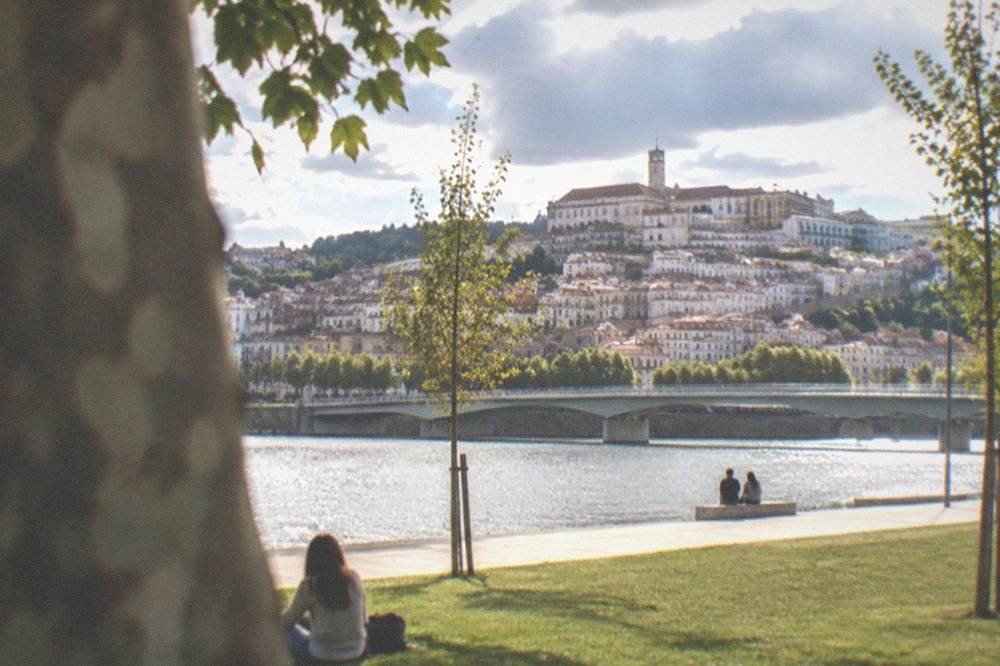
Quinta das Lágrimas is the walled estate on the east bank of the River Mondego in Coimbra, Portugal, famous for the medieval love story of Pedro and Inês that Portuguese fado still sings about.
Short answer
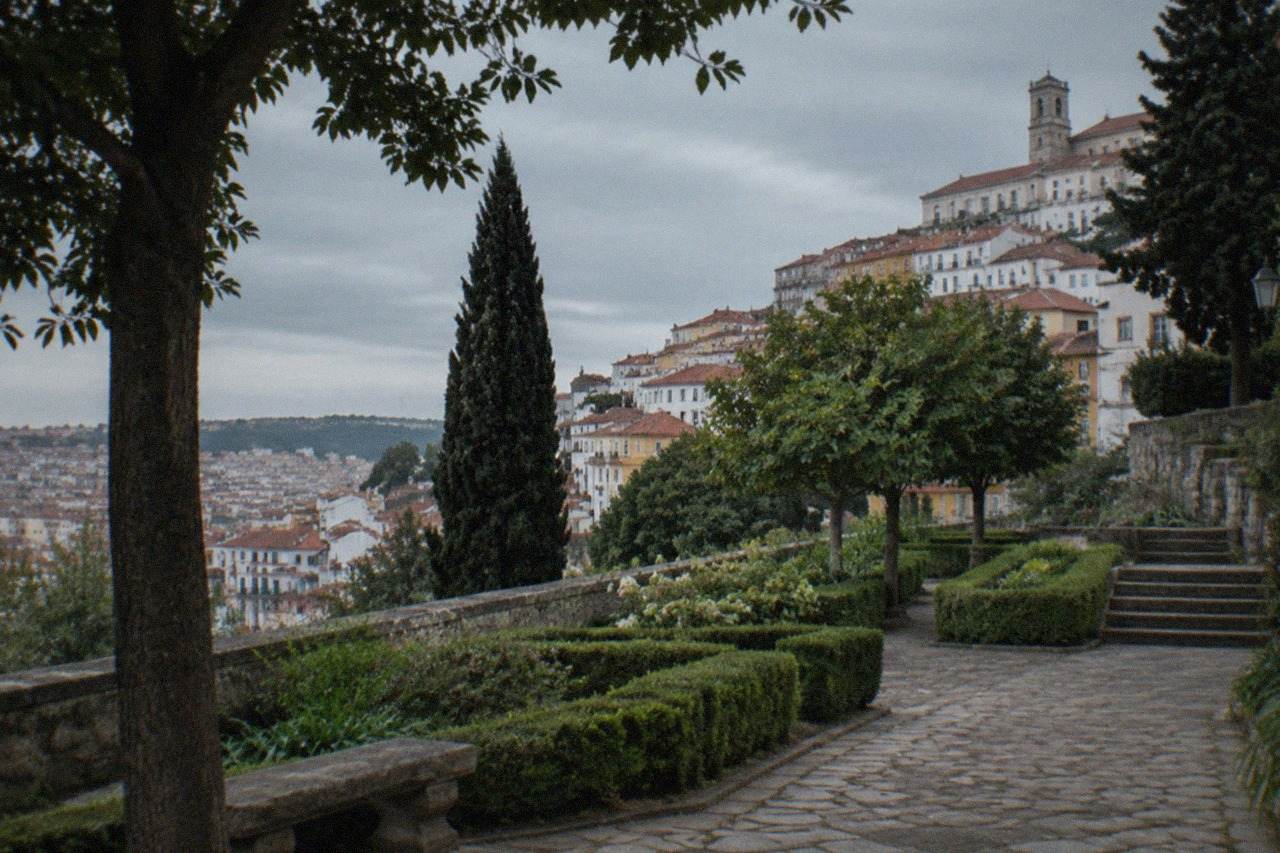
Quinta das Lágrimas is a historic estate and hotel in Coimbra, Portugal, whose gardens are associated with the story of Pedro and Inês de Castro. The estate sits beside the River Mondego, a short walk from the old town and the University of Coimbra.
Quinta das Lágrimas is the walled estate that stretches along the east bank of the River Mondego in Coimbra, Portugal, the university city in the country's Centro region. The name means "Estate of Tears," and it belongs to one of the most retold love stories in Portuguese history: the affair between the prince Pedro and Inês de Castro. Today the estate is best known as a heritage hotel, but its gardens, its stone, and its riverside position make it one of the most atmospheric corners of the city, and a short walk from the old town. This page from Coimbra Travel Guide covers what the estate is, how to visit it, how the legend works, and how to plan the rest of a Coimbra trip around it.
What Is Quinta das Lágrimas in Coimbra, Portugal?
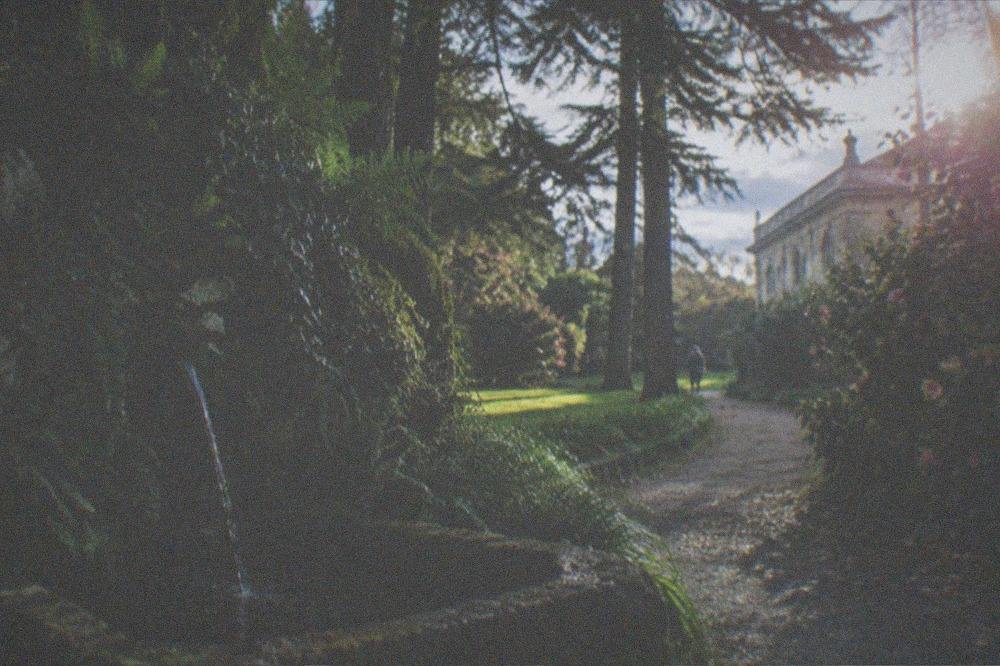
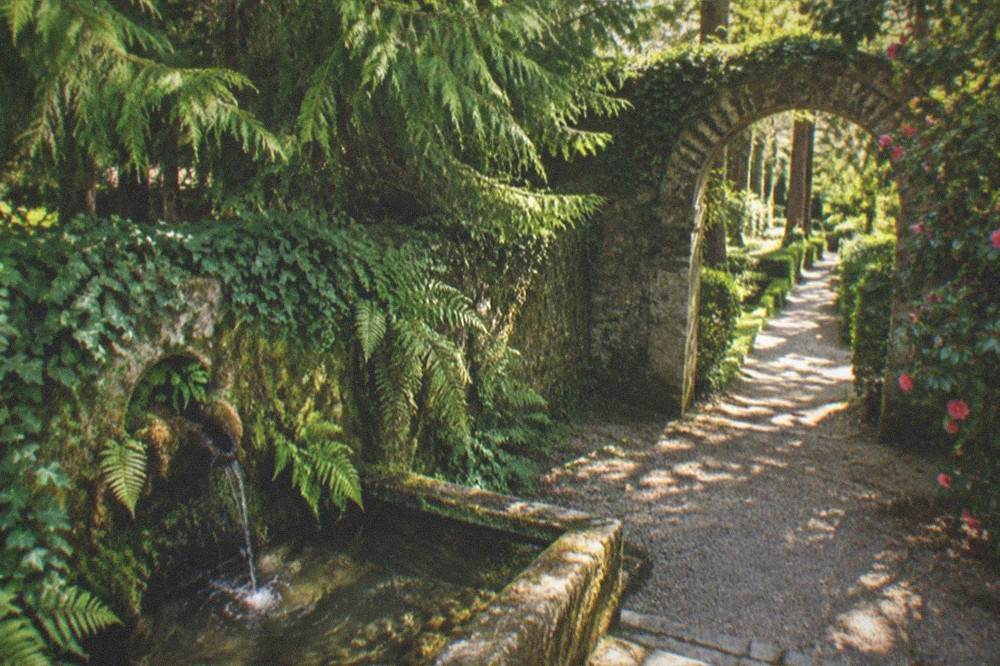
Quinta das Lágrimas is a historic walled estate on the east bank of the River Mondego in Coimbra, Portugal, opposite the old town, combining a heritage hotel with gardens that carry the story of Pedro and Inês de Castro. The estate gives the surrounding area of Coimbra its name, and it sits within easy walking distance of the University of Coimbra's hill, the Baixa riverside, and the Parque Verde do Mondego. The property is privately run as a hotel, and the gardens are the part most visitors come to see: stone walls, mature trees, water features, and the fountain that tradition ties to the legend. It is one of the few places in the city where the medieval story and the modern city physically meet.
The estate's identity is inseparable from the Pedro and Inês story, which is treated in detail further down this page. What matters here is the geography. Coimbra is a city, a municipality and a district, and the three are different things: the district reaches the Atlantic, while the city does not touch the sea. Quinta das Lágrimas is a city attraction, on the Mondego, minutes on foot from the Santa Clara side's main sights. That position makes it a natural add-on to any itinerary built around the old town rather than a destination requiring transport.
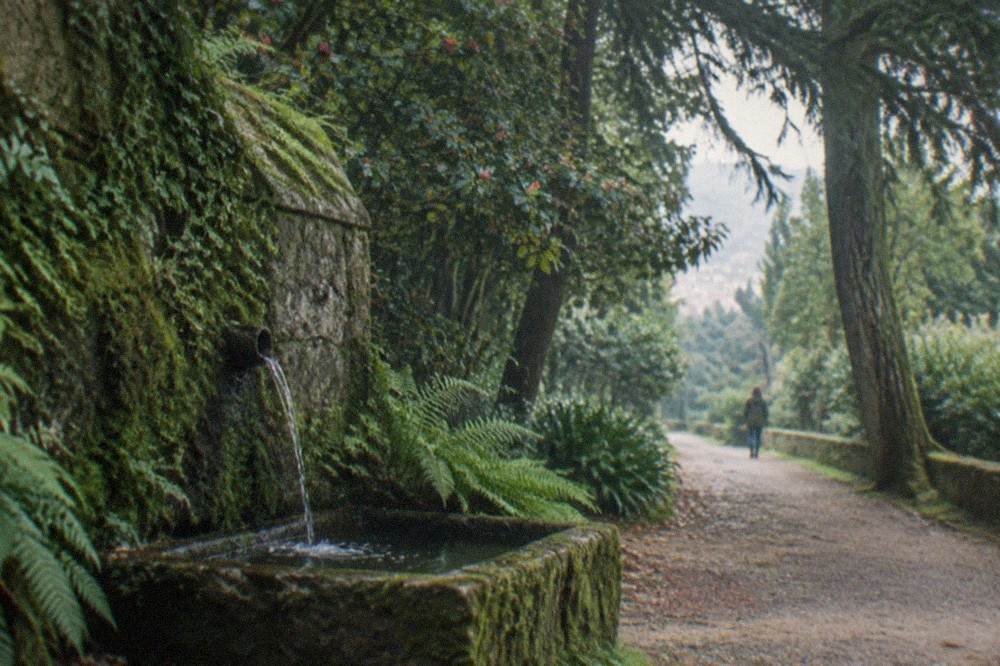
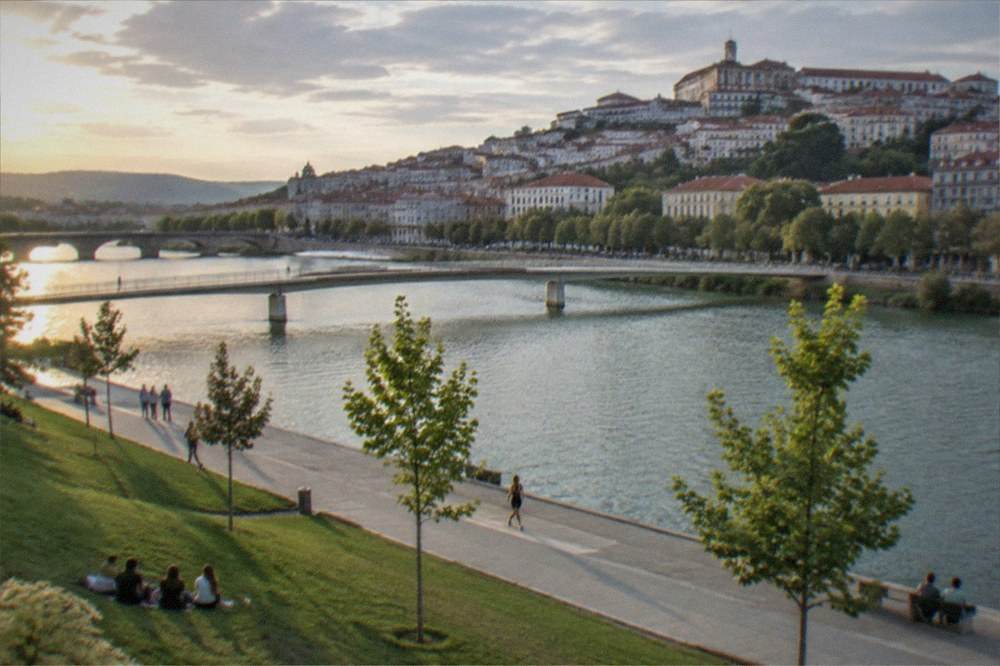
The estate also sits close to two of the city's riverside green spaces. The Parque Verde do Mondego runs along the west bank, and the Choupal forest lies just north, so a visit can be folded into a riverside walk without backtracking. The Choupal National Forest page covers that side of the river in more depth. For a first visit, plan the estate as part of a loop: cross the river, walk the gardens, then return over one of the bridges into the Baixa.
Can You Visit Quinta das Lágrimas Without Staying at the Hotel?
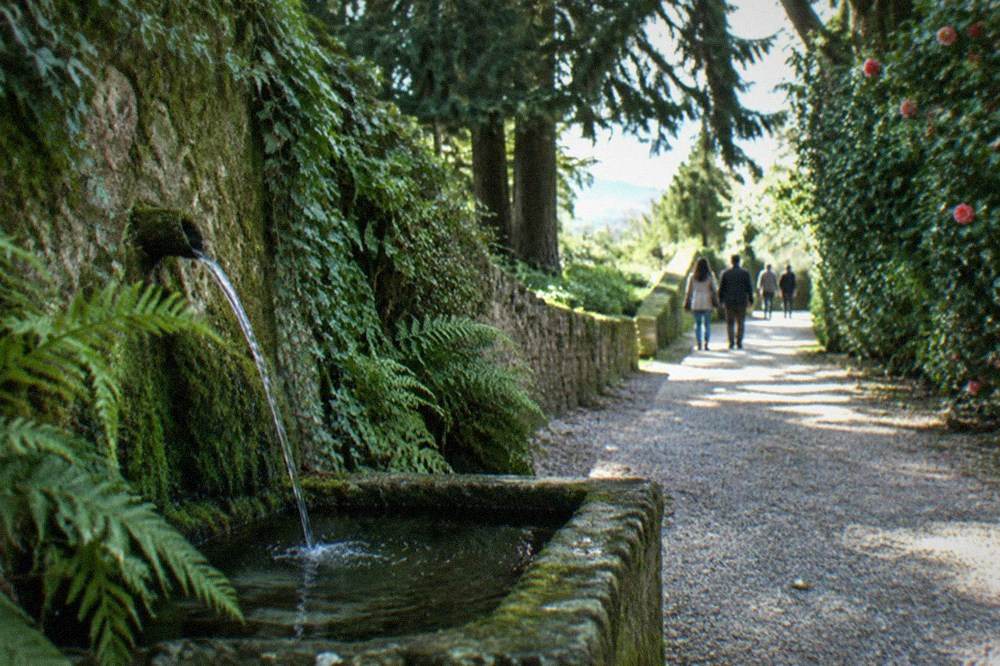
Yes, the gardens of Quinta das Lágrimas can be visited without being a hotel guest, because the estate operates as a heritage hotel whose grounds, fountain and woodland are the attraction most non-guests come for, though the property is privately run so access arrangements should be confirmed before travelling. This site has not verified current opening arrangements or any entry fee for the gardens, and the hotel's own pages are the place to check both. What can be said with confidence is the shape of the visit: the gardens, the fountain associated with the legend, and the riverside setting are the core of it, and the hotel rooms and dining are a separate, bookable layer.
The honest way to plan this is to treat the estate like any private heritage property. Some days the gardens host weddings or events; some areas may be closed to walk-in visitors. Nothing in this site's research confirms a fixed public schedule, so a reader who turns up on spec may find full access or a closed gate. A quick check of the hotel's own information before leaving the old town avoids a wasted walk, and the walk itself is short enough that the cost of a wrong guess is low.
For visitors who want the story rather than the garden gate, a walking tour of the city's main sights is the more reliable route, and a guide will usually fold the Pedro and Inês legend into the old town's narrative. The Coimbra Top Attractions Walking Tour does exactly that: it covers the city's headline sights in about two and a half hours, from $5.85 per person, rated 5 from 151 reviews on the operator's live listing. Check availability if that shape of visit suits your dates.
For anyone weighing a stay rather than a stroll, the site's dedicated page on the Quinta das Lágrimas hotel goes into the accommodation side: rooms, location trade-offs, and how the estate compares with staying in the Baixa or on the university hill.
What Does the Pedro and Inês Story Have to Do with the Estate?
The Pedro and Inês story is the reason Quinta das Lágrimas carries its name: Portuguese tradition holds that Inês de Castro, the noblewoman the prince Pedro loved against the wishes of the royal court, lived and died in connection with this stretch of the Mondego, and the estate's fountain is the point where legend says her tears, or the tears shed for her, gave the place its name. The story became one of the great themes of Portuguese literature, and Coimbra's own fado tradition still sings it. No date on this page is invented: this site publishes only the historical claims its research verified, and the Pedro and Inês narrative is presented here as tradition and literature rather than as a dated chronicle.
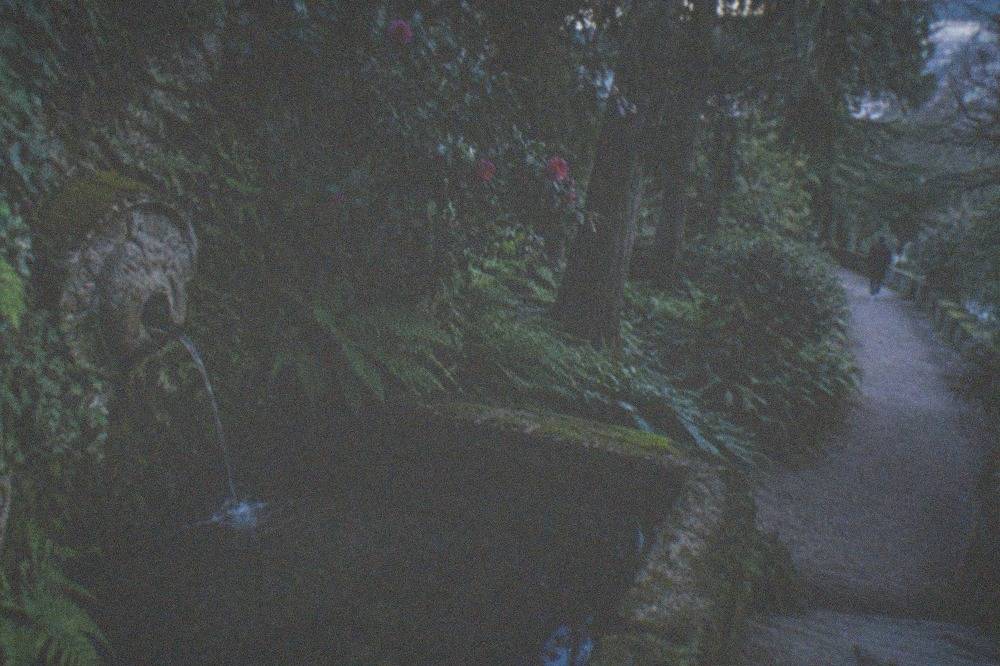
The outline of the legend is simple and devastating. Pedro, heir to the Portuguese throne, fell in love with Inês de Castro, a lady of the court. The royal court opposed the match, Inês was killed, and Pedro's grief became the material of poems, plays and songs for centuries afterward. The connection to Coimbra is that the story's later chapters played out around the city and the Mondego valley, and the fountain inside Quinta das Lágrimas, the Fonte dos Amores, is the physical anchor the tradition points to. Guides in Coimbra tell it at the fountain, fado singers tell it in the bars of the Baixa, and the estate sells the setting.
The story explains why the estate matters beyond its gardens. Plenty of Portuguese cities have pretty hotel grounds; very few have a legend that a national literature keeps alive. Visitors who hear the story first, on a guided walk or at a fado show, tend to get more out of the garden visit. The site's page on fado in Coimbra and the wider things to do in Coimbra list both point to where the musical side of the tradition is performed. The legend also surfaces during the city's student festivals, covered on the Queima das Fitas page, when the whole city leans into its traditions.
What Else Can You See Within Walking Distance of Quinta das Lágrimas?
The estate's position on the east bank puts the Santa Clara district, the Parque Verde do Mondego, the riverside walk toward the Choupal forest, and, across the bridge, the entire Baixa and the University of Coimbra's hill within walking distance, so a visit can anchor a half-day loop of the city's less crowded side. The old town's headline sights, the Paço das Escolas, the Biblioteca Joanina and the Sé Velha, all sit on the other side of the river, reachable on foot over the bridge in a matter of minutes. The university hill is the city's UNESCO-inscribed core, and it deserves the larger share of any day.
One correction worth making before any itinerary: it is the University of Coimbra, Alta and Sofia, that UNESCO inscribed in 2013, list reference 1387, not the city as a whole. The inscription covers two components in the old town, the university hill and the college street. Quinta das Lágrimas is not inside the inscribed property, and neither is most of the Baixa. This is the single most common error in guides to this city, and getting it right changes how a visitor allocates time: the university hill is the priority, and the estate is the atmospheric add-on.
The university visit has one planning fact that outranks everything else. The Biblioteca Joanina admits 50 people every 20 minutes, the University's own visit page states, and the library cannot be bought on its own: it exists only inside the 16.50 EUR combined ticket, and the time printed on that ticket is the library slot. Entry outside the printed slot is refused. Online purchase closes 20 minutes before the visit time. A visitor who pairs a morning garden stroll with an afternoon Joanina slot needs the slot booked first, because the slot, not the garden, is the scarce thing.
The University of Coimbra guided tours without queue product handles exactly this: tickets included, a group of eight, about an hour and a half, from $70.24 per person and rated 4.9 from 576 reviews on the operator's live listing.
The neighbouring sights sort neatly into a walking plan. The table below lists what sits closest to the estate and what each one offers, using only the facts this site verified.
| Sight | Side of the river | What this site verified | Adult price |
|---|---|---|---|
| University of Coimbra, Paço das Escolas | West, on the hill | Joanina combined ticket, 2-day validity except the fixed library slot | 16.50 EUR |
| Sé Velha de Coimbra | West, old town | Individual ticket, summer hours 09:30 to 18:30, Sundays 11:00 to 17:30 | 3.00 EUR |
| Mosteiro de Santa Cruz | West, Baixa | Individual ticket, visits suspended on the Cortejo da Queima das Fitas, a moveable Sunday | 5.00 EUR |
| Parque Verde do Mondego | West bank, riverside | Public park along the Mondego | free |
| Mosteiro de Santa Clara-a-Velha | East, Santa Clara side | Closed for works, no price or hours published, check before going | none published |
| Portugal dos Pequenitos | West of the centre | Hours 10:00 to 19:00 from 1 March to 15 October, 10:00 to 17:00 in winter | price on the venue's own ticket page |
Two of those rows carry warnings this site will not soften. The Machado de Castro museum, which would otherwise be a natural stop on the hill above the Baixa, is closed for conservation work; its own page on the national museums portal says so twice, and no reopening date or current ticket price is published. Santa Clara-a-Velha, the monument on the estate's own side of the river, has been closed for requalification work since late 2025 in dated Portuguese sources, and this site publishes no price or hours for it. Both are worth a check before you plan around them, and neither should appear in an itinerary as somewhere a reader can simply walk into.
When Is the Best Time of Year to Visit Coimbra and the Estate?
The best months for a Coimbra visit built around Quinta das Lágrimas and the riverside are May, June and September, because IPMA's 1991 to 2020 normals for the Coimbra / Bencanta station show June and September combining mean maximums of 26.3 C and 27.4 C with just 26.0 mm and 49.9 mm of rain, while July and August are hotter and October jumps to 114.5 mm. September is the quiet surprise in the table: its mean maximum is higher than June's, and the crowds of the summer season have thinned while the weather has not. The rain holds off until October, when the monthly total more than doubles.
| Month | Mean max (C) | Mean min (C) | Rain (mm) | Days with 1 mm+ rain |
|---|---|---|---|---|
| May | 23.3 | 11.8 | 64.7 | 8.5 |
| Jun | 26.3 | 14.2 | 26.0 | 3.7 |
| Jul | 28.5 | 15.6 | 8.9 | 1.7 |
| Aug | 29.1 | 15.7 | 14.8 | 2.2 |
| Sep | 27.4 | 14.1 | 49.9 | 5.2 |
| Oct | 23.2 | 11.9 | 114.5 | 10.3 |
August, not July, is the hottest month at this station, on both the mean and the mean maximum, and it averages 10.9 days above 30 C. July, at 8.9 mm of rain across 1.7 rain days, is effectively dry. November is the wettest month at 121.5 mm, marginally ahead of October and January, so Coimbra's rain is an autumn and winter phenomenon, and the garden-and-riverside version of the city is a late spring to early autumn proposition. The record extremes at the same station, a high of 41.2 C on 7 August 2016 and a low of -4.3 C on 20 January 2017, frame what the tails look like.
May carries one planning caveat. The University closes its visitor circuit on 24 May, and Mosteiro de Santa Cruz suspends visits on the Cortejo da Queima das Fitas, a moveable Sunday, because the student festival takes over the city in that period. The festival is a spectacle in its own right, and some visitors time a trip to coincide with it deliberately, but anyone whose priority is the university buildings and quiet gardens should know that May's calendar has a hole in it. The exact festival dates should be confirmed with the Associação Académica, since this site could not verify them on an official page.
How Much Does a Trip to Coimbra Cost?
A day in Coimbra budgets cleanly around a few fixed numbers: the University's combined ticket at 16.50 EUR, Sé Velha at 3.00 EUR, Mosteiro de Santa Cruz at 5.00 EUR, the municipal tourist tax at 1.00 EUR per guest per overnight stay capped at three nights from age 16, and a SMTUC bus ticket bought on board at 2.00 EUR, with Conímbriga at 10.00 EUR for anyone adding the Roman ruins as a half-day trip. The municipality's own figures put its 2025 tourism cost at 3.49 EUR per overnight stay against the one-euro tax, which is the official justification for a proposed rise to two euros that is not yet the published rate.
| Item | Figure | What the source says |
|---|---|---|
| University combined ticket, Joanina included | 16.50 EUR | Visit.uc.pt, valid for 2026, two days except the fixed library slot |
| University ticket without the Joanina | 12.50 EUR | Same source, same spaces minus the library |
| Sé Velha individual ticket | 3.00 EUR | The parish's own heritage page |
| Mosteiro de Santa Cruz individual ticket | 5.00 EUR | The parish's own heritage page |
| Tourist tax | 1.00 EUR per night, max 3 nights | The municipality's service page, in force since 5 April 2023 |
| SMTUC ticket bought on board | 2.00 EUR | The 2026 SMTUC tariff |
| SMTUC pre-purchased, 3 trips or more | 0.90 EUR per trip | The 2026 SMTUC tariff |
| Conímbriga, museum and ruins | 10.00 EUR | The national museum's own visiting page |
The tourist tax deserves its own sentence because it is so often misquoted. The rate is 1.00 EUR per guest per overnight stay, capped at three consecutive nights, from age 16, paid to the accommodation at check-in or check-out, charged all year with no low-season exclusion. The municipality's own worked example: a couple staying seven nights pays 3.00 EUR each. A rise to two euros was approved as a proposal in July 2026, but the municipality's own tax pages still confirm one euro, so one euro is what a visitor should expect to pay today.
Getting around is cheap and simple. One SMTUC trip is valid 90 minutes on the urban network with transfers included, and the 2026 tariff marks its titles valid on the Metro Mondego network too, so a bus ticket also works on the city's new BRT system that is opening in stages. Pre-purchased trips at 0.90 EUR each beat the 2.00 EUR driver price for anyone making three or more journeys. The city is also compact: the estate, the old town and the university hill form a walkable triangle, and most visitors never need a bus at all.
Which Tours Show You the Estate, the Legend and the City?
The most efficient way to see Quinta das Lágrimas in context is a city walking tour that tells the Pedro and Inês story alongside the old town's sights, and the strongest options on this site's roster are the Coimbra Top Attractions Walking Tour from $5.85, the University of Coimbra guided tours without queue from $70.24, and, for a contrast day in the hills, the Lousa Mountain Private Tour from $105.37. Each solves a different problem: the walking tour covers the legend and the layout cheaply, the university tour guarantees the Joanina slot, and the mountain tour replaces a city day with schist villages and wild deer watching in the Serra da Lousã.
| Tour | Shape | From | Rating on the listing |
|---|---|---|---|
| Coimbra Top Attractions Walking Tour | 2h 30m city walk, top sights | $5.85 per person | 5 from 151 reviews |
| University of Coimbra guided tours without queue | 1h 30m, tickets included, group of eight | $70.24 per person | 4.9 from 576 reviews |
| Lousa Mountain Private Tour | 4h private day trip, wild deer watching | $105.37 per person | 5 from 88 reviews |
The mountain option deserves a word because it is the one that surprises people. The schist villages of the Lousã are a genuine day trip, not a city attraction, and the private tour includes wild deer watching in the serra, four hours door to door, rated 5 from 88 reviews on the operator's live listing. For a visitor spending three or more days in Coimbra, one hill day balances two city days well. Check availability for the dates that interest you.
For visitors who prefer to walk free and tip at the end, GuruWalk runs several Coimbra walks, including the Coimbra tour covering downtown, the historic center, the university and the botanic garden, free and tip based, rated 4.91 from 662 reviews with a local guru. The platform and the individual guru are named here because a pay-what-you-want walk is not this site's product, and the honest way to describe it is exactly what it is. The button on that walk's page reads See this free tour on GuruWalk, and no price belongs anywhere near it.
Common Questions About Quinta das Lágrimas
What is Quinta das Lágrimas in Coimbra?
It is a historic walled estate on the east bank of the River Mondego in Coimbra, Portugal, run today as a heritage hotel, whose gardens and fountain carry the legend of Pedro and Inês de Castro, the love story at the heart of the estate's name, which means Estate of Tears.
Can you visit Quinta das Lágrimas without staying there?
The gardens are the part most non-guests come to see, and the estate is privately run as a hotel, so access arrangements and any conditions should be confirmed on the hotel's own pages before travelling. This site has not verified a fixed public schedule or entry fee for the grounds.
Who were Pedro and Inês?
Pedro was the heir to the Portuguese throne and Inês de Castro the noblewoman he loved against the opposition of the royal court. Her death and his grief became one of the great themes of Portuguese literature, and Coimbra's fado tradition still sings the story. This site presents the narrative as tradition and literature rather than a dated chronicle.
Is Quinta das Lágrimas part of the UNESCO World Heritage site?
No. UNESCO inscribed University of Coimbra, Alta and Sofia, in 2013, list reference 1387, covering two components in the old town: the university hill and the college street. The estate is not inside the inscribed property, and neither is most of the Baixa.
How far is Quinta das Lágrimas from the University of Coimbra?
The estate sits on the east bank of the Mondego, within a short walk of the bridges into the Baixa and the climb to the university hill. The whole triangle of estate, old town and Paço das Escolas is walkable, and most visitors need no transport to cover it.
When is the best time to visit the gardens?
May, June and September, according to IPMA's 1991 to 2020 normals for the Coimbra / Bencanta station: June and September combine mean maximums of 26.3 C and 27.4 C with 26.0 mm and 49.9 mm of rain, and the autumn rain holds off until October, when the monthly total jumps to 114.5 mm.
Common Questions About Visiting Coimbra
How much is the tourist tax in Coimbra?
1.00 EUR per guest per overnight stay, capped at three consecutive nights, from age 16, paid to the accommodation at check-in or check-out, in force since 5 April 2023. A rise to two euros was approved as a proposal in July 2026 but is not the published rate.
Can I buy a Biblioteca Joanina ticket on its own?
No. The Joanina exists only inside the 16.50 EUR combined ticket, admits 50 people every 20 minutes, and the time printed on the ticket is the library slot. Entry outside the printed slot is refused, and online purchase closes 20 minutes before the visit time.
Is the Machado de Castro museum open?
No, it is closed for conservation work, as its own page on the national museums portal states. No reopening date or current ticket price is published, so check the museum's own page before planning around it.
Does my Coimbra bus ticket work on the Metro Mondego?
Yes. The 2026 SMTUC tariff marks its transport titles valid on both the SMTUC and Metro Mondego networks, so a bus ticket works on the new BRT system that is opening in stages across the city.
A visit to Quinta das Lágrimas works best as one thread in a bigger Coimbra day: the gardens and the legend in the morning, the bridge into the Baixa, and the university hill with a pre-booked Joanina slot in the afternoon. Book the library slot first, check the garden access second, and let the rest of the city fill in around them.