What Is the Top 1 University in Portugal?
No official body crowns a single number one, but the University of Coimbra, in Coimbra, Portugal, is the answer nearly every signal points to. Here is why, and how to visit it.
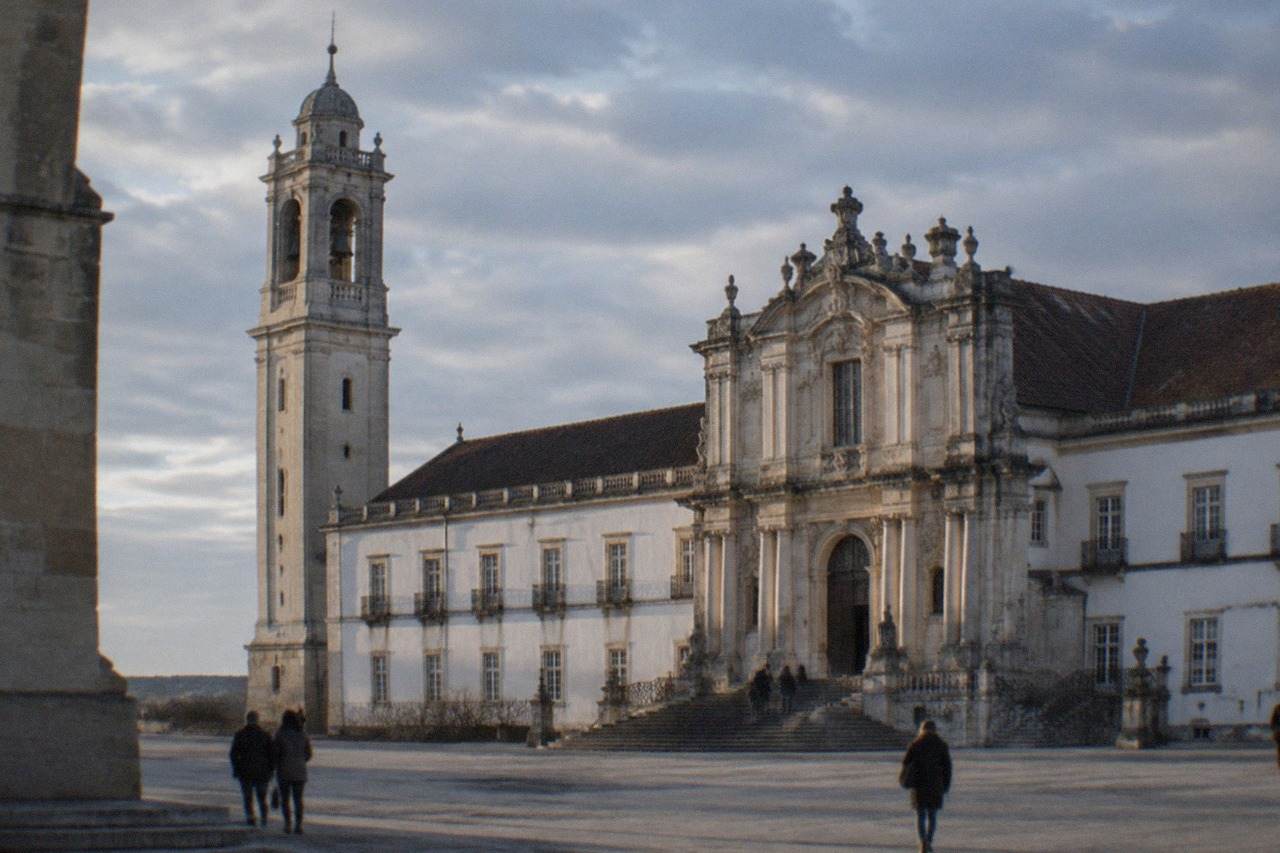
Coimbra, Portugal, the university city on the River Mondego, is home to the institution that most answers to this question converge on: the University of Coimbra. Strictly speaking, no Portuguese ministry or official body publishes a "top 1 university" ranking, so any absolute crown is a judgement rather than a measurement. But the evidence that exists, and it is strong, points one way, because the University of Coimbra is the only Portuguese university whose campus UNESCO has inscribed on the World Heritage list, and the university's own published figures describe an institution of about 31,000 students, 434 courses and 1,935 professors.
What Is the Top 1 University in Portugal?
No official Portuguese body crowns a single number-one university, so the honest answer is a judgement call, and the judgement points firmly to the University of Coimbra, in Coimbra, Portugal. It is the only Portuguese university inscribed on the UNESCO World Heritage list, reference 1387, in 2013, under criteria (ii), (iv) and (vi), and the University currently publishes figures of about 31,000 students, 434 courses, 1,935 professors and 378 researchers on its own homepage.
That UNESCO inscription matters more than any magazine league table, because it is a body that actually examined the institution and published a reasoned verdict. The inscribed property is named "University of Coimbra - Alta and Sofia", and it covers two components inside the old town: the Alta, the university hill with the Royal Palace of Alcáçova, St Michael's Chapel and the Joanine Library, and Sofia, the college street below. It is the university that is listed, not the city, a distinction worth getting right because "Coimbra is a UNESCO World Heritage city" is the single most common error in guides to this place.
The University's own numbers fill out the picture. Its homepage currently lists 4 campuses, 22 libraries, 2 museums, 1 botanic garden and 13 residences alongside the student and staff figures above. The page does not pin those numbers to an academic year, so treat them as the University's current published snapshot rather than a dated census.
| University of Coimbra, current published figures | Figure |
|---|---|
| Students | about 31,000 (31,256) |
| Courses | 434 |
| Professors | 1,935 |
| Researchers | 378 |
| Campuses | 4 |
| Libraries | 22 |
| Museums | 2 |
| Botanic garden | 1 |
| Residences | 13 |
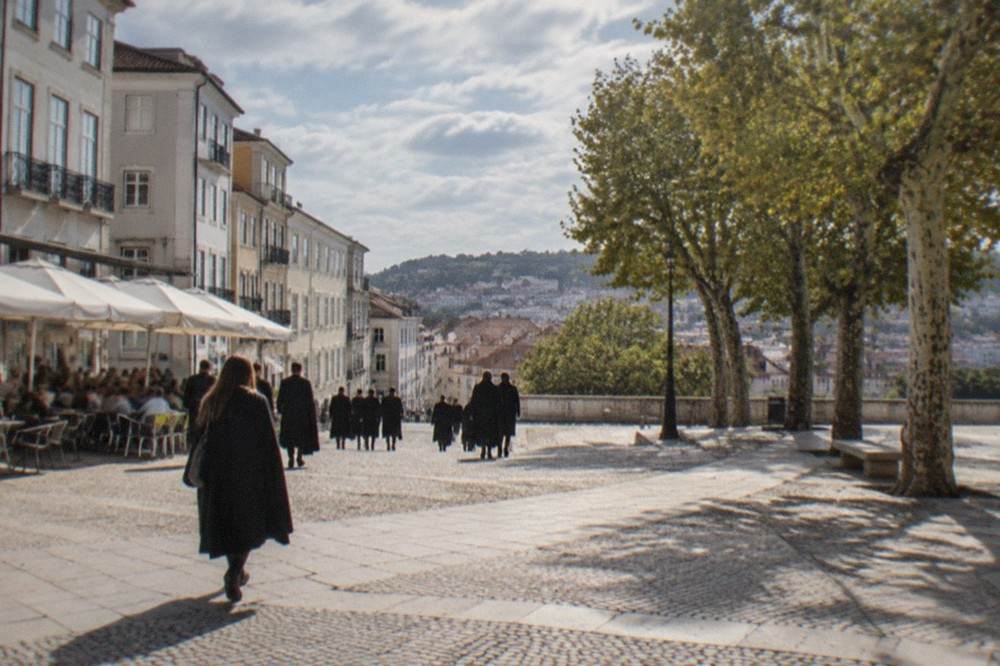
For readers weighing the claim further, the companion pages on whether Coimbra is a prestigious university and on what is special about Coimbra, Portugal unpack the traditions side, from the black capas to the fado sung only by students.
Why Does the University of Coimbra Stand Above the Others?
The University of Coimbra stands above other Portuguese universities on the strength of three verifiable things: the 2013 UNESCO inscription of its hilltop campus, a documented institutional scale of about 31,000 students and 434 courses, and a set of visitor-facing treasures, including the Joanine Library, that no other Portuguese university possesses in comparable form. The Joanina admits 50 people every 20 minutes, a ceiling the University publishes itself, and that scarcity is itself evidence of demand.
The comparison has to stop where the sources stop. This site's research verified facts for Coimbra and for the Roman site of Conímbriga, roughly 16 km south in Condeixa-a-Nova, and verified nothing about Porto, Lisbon, Braga, Aveiro or Évora. So no ranking of Portuguese universities is published here as though it were measured, and none should be trusted anywhere that cannot say where its numbers came from.
What can be said is what the University of Coimbra is. It is the institution whose physical fabric, the Royal Palace of Alcáçova, St Michael's Chapel, the Joanine Library, the 18th-century laboratories, the Botanical Garden, the University Press and the 1940s University City, was judged by UNESCO in 2013 to carry outstanding universal value. The site is managed by the association RUAS, founded by the University, the City Hall, the Regional Delegation of the Ministry of Culture and Coimbra Viva. That is a formal, published, international judgement, and it is the closest thing to an official "top 1" that exists.
There is a practical corollary. A university that is a World Heritage property is not just a school, it is a visited monument, and the municipality's own economic study, published on coimbra.pt on 21 July 2026, records 698,151 overnight stays in Coimbra in 2025. The university is the reason most of those visitors came.
How do You Visit the University of Coimbra?
Visiting is run by the University itself through its visit site, and the key ticket is the combined one at 16.50 EUR for an adult, covering the Joanina Library, the Royal Palace, St Michael's Chapel, the Chemistry Laboratory, the Academic Museum, the Cabinet of Curiosities and the Mineral Gallery, valid for two days except the fixed Joanina slot. The Joanina admits 50 people every 20 minutes, the time printed on the ticket is the library slot specifically, and entry outside that slot is refused.
The 16.50 EUR ticket is the only way in for the Joanina, because the library cannot be bought on its own. A 12.50 EUR version covers the same spaces without the Joanina, and the University also lists guided options, including a 25.00 EUR guided tour of the Palace of Schools lasting an hour and a half. Online purchase closes 20 minutes before the visit time, and counter purchase is possible subject to slot availability. The University of Coimbra attraction page and the university tickets guide carry the full breakdown.
| University of Coimbra ticket | Adult price | What it includes |
|---|---|---|
| Joanina Library + University + Science Museum | 16.50 EUR | Joanina Library, Royal Palace, St Michael's Chapel, Chemistry Laboratory, Academic Museum, Cabinet of Curiosities, Mineral Gallery |
| University + Science Museum | 12.50 EUR | The same list, without the Joanina Library |
| Guided tour, Palace of Schools | 25.00 EUR | Guide-led visit, 1h30, Science Museum spaces not included |
Two warnings are worth their weight. First, the clock tower, the Torre da Universidade, is closed: the University's own information page states "We regret to inform you that this facility is closed", and no tour should promise a climb. Second, the 50-per-20-minutes Joanina ceiling is real scarcity, and in summer a visitor turning up without a pre-booked slot can be turned away. A guided tour with tickets included removes both risks, since the operator handles the slot.
The guided option deserves a word of explanation, because it solves the one problem independent visitors keep hitting. The time printed on a combined ticket is the Joanina slot, not a general arrival time, so a visitor who treats it loosely loses the library. A tour with tickets included assigns the slot for you and walks the group in with it, which is why this site points readers to that option for the busiest months.
When Is the Best Time to Visit Coimbra's University?
The best time to visit the University of Coimbra is late spring or September, because IPMA's 1991 to 2020 normals for the Coimbra / Bencanta station show July at 8.9 mm of rain and effectively dry but hot, August the hottest month at a 29.1 C mean maximum with 10.9 days above 30 C, and September still warm at 27.4 C with only 49.9 mm of rain, while October jumps to 114.5 mm and the wet season begins.
September is the quiet insight in that table. Its mean maximum, 27.4 C, is actually higher than June's 26.3 C, and it is wetter than June too, 49.9 mm against 26.0 mm, so any guide claiming September is drier or cooler than June has the numbers backwards. What is true is that the rain holds off until October, when the monthly total more than doubles, and that the student crowds that fill the hill in May have gone home by September.
One date to plan around is 24 May, when the University closes its visitor circuit entirely, and the Queima das Fitas parade also suspends visits at Mosteiro de Santa Cruz. The festival falls in May; exact dates come from the Associação Académica, and this site does not publish them because it could not verify them on an official page.
Common Questions About the Top University in Portugal
What is the top 1 university in Portugal?
No official ranking exists, but the University of Coimbra, in Coimbra, Portugal, is the strongest answer: it is the only Portuguese university inscribed by UNESCO, in 2013 under reference 1387, and it currently publishes figures of about 31,000 students and 434 courses.
Is the University of Coimbra a good university?
By the published measures this site could verify, yes: about 31,000 students, 1,935 professors, 378 researchers, 4 campuses, 22 libraries, 2 museums and a botanic garden, plus the only UNESCO-inscribed university campus in the country. More detail is on the page asking is the University of Coimbra a good university.
Do you need tickets for the University of Coimbra?
Yes. The combined adult ticket with the Joanina Library is 16.50 EUR, valid two days except the fixed library slot, and the Joanina cannot be bought on its own. The full answer is at do you need tickets for the University of Coimbra.
Can you climb the university clock tower in Coimbra?
No. The Torre da Universidade is closed, and the University's own information page says so. The 184 steps and narrow passage are described on that page as facts about the facility, not as something a visitor can do today.
How do you visit the Joanina Library?
Buy the 16.50 EUR combined ticket, choose a Joanina slot, and arrive inside it: entry is limited to 50 people every 20 minutes and is refused outside the printed time. The practical walkthrough is at how do you visit the Coimbra university library.
A final word on method. This page, like everything on Coimbra Travel Guide, answers from primary sources rather than from a visit, because nobody writing it has been to Coimbra and the About page says so. Where a ranking would be asserted elsewhere, the sources here support a judgement: the University of Coimbra is the institution with the inscription, the scale and the library, and that is as close to a verified "top 1" as Portugal lets a reader get.