How Many Days do You Need in Coimbra?
How many days do you need in Coimbra, Portugal? A practical answer built on the University's own ticket rules, official monument prices and IPMA climate data.
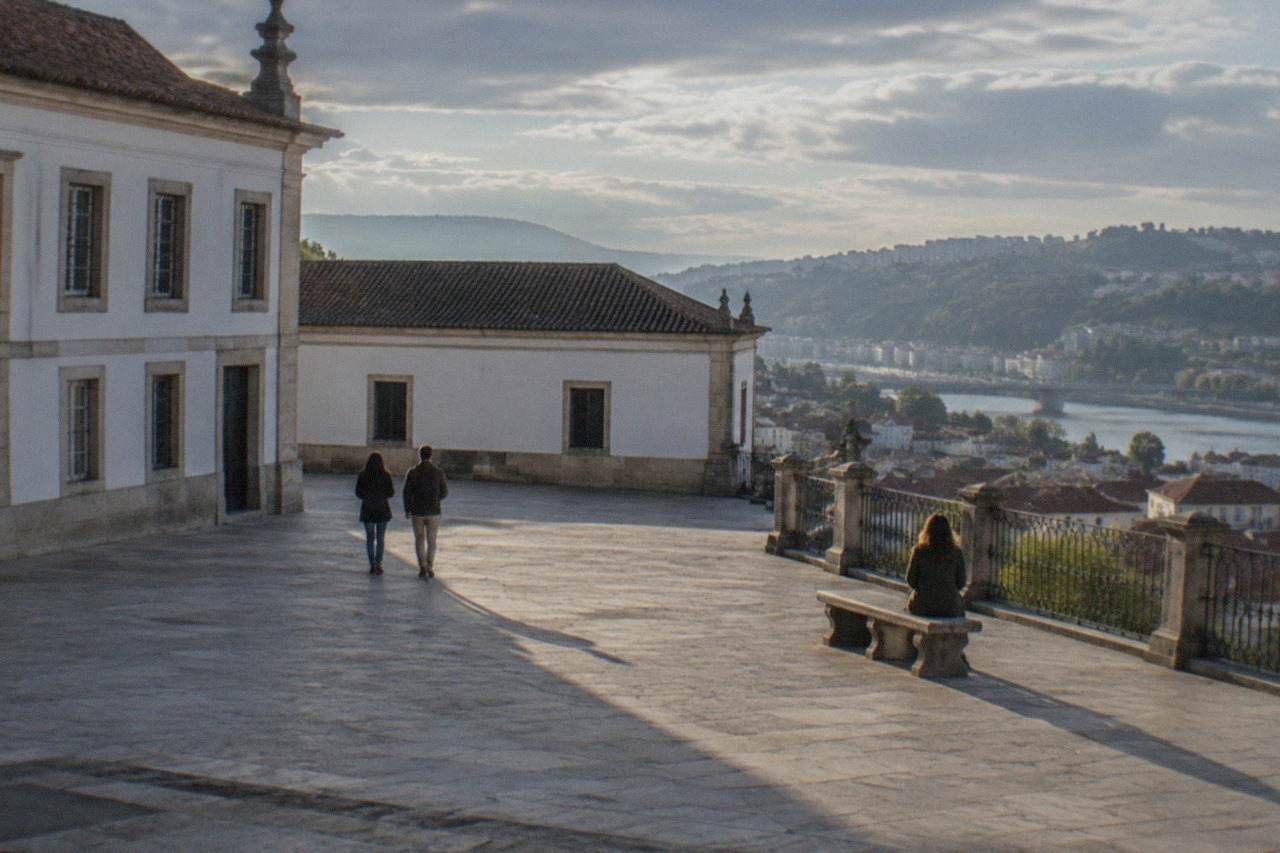
Coimbra, Portugal, the university city on the River Mondego, is small enough that the question of how long to stay has a genuinely interesting answer. The municipality's own economic study, published on coimbra.pt on 21 July 2026, counted 698,151 overnight stays in Coimbra in 2025, which means most visitors are already staying at least one night. The University publishes an enrolment of about 31,000 students on its homepage, and a city built around a hilltop campus of that size behaves differently from a flat riverside town. The short version: one day is enough for the core, two days is the sweet spot, and the reason is a library that admits 50 people every 20 minutes.
How Many Days do You Need in Coimbra?
Two full days is the right answer for almost everyone, with three if you want a day trip. One day covers the University hill, the Biblioteca Joanina, Sé Velha and the Baixa, but it forces you to gamble on a timed library slot and skip the slower pleasures, the fado houses, the Botanical Garden, the west-bank walks. Three days adds Conímbriga's Roman ruins or the schist villages of the Lousã, both roughly half-day trips that are genuinely awkward to compress into a rushed first day.
The deciding factor is not the size of the city. It is the Biblioteca Joanina. The University's own programme page states that entries are limited to 50 people every 20 minutes, that the library cannot be bought on its own and exists only inside the 16.50 EUR combined ticket, and that the time printed on your ticket is the fixed library slot, with entry refused outside it. Online purchase closes 20 minutes before the visit time. In summer, a visitor who arrives without a pre-booked slot can simply be turned away, and that single rule is why a one-day itinerary is fragile in a way a two-day one is not.
The second factor is what is closed. The Torre da Universidade, the clock tower, is shut: the University's own information page states "We regret to inform you that this facility is closed", and no price or climbing schedule exists. The Museu Nacional de Machado de Castro is closed for conservation work, and Mosteiro de Santa Clara-a-Velha has been closed for requalification works since October 2025. A guide written three years ago would schedule all three; a realistic day count today cannot. Fewer open sights means each open one deserves more time, not less.
If you are weighing the question against other Portuguese stops, is it worth going to Coimbra, Portugal covers the case for going at all, and what is special about Coimbra, Portugal explains what the city offers that Porto and Lisbon do not.
What Can You Realistically See in One Day in Coimbra?
A single well-planned day covers the Paço das Escolas, the Biblioteca Joanina in its timed slot, Capela de São Miguel, Sé Velha, the Arco de Almedina and the Baixa streets down to the River Mondego, plus Mosteiro de Santa Cruz if you keep moving. It cannot realistically also include the Botanical Garden, a fado show with any relaxation around it, or the west bank, and it leaves no buffer if your Joanina slot is late in the day.
Start on the hill. The University's summer schedule runs 09:00 to 20:00 from 1 April to 30 September, and winter 09:00 to 17:30, so a morning slot gives you the rest of the day downhill. The 16.50 EUR combined ticket is valid for two days for all its spaces except the Joanina slot, which is fixed, so even a one-day visitor benefits from buying online the evening before.
Sé Velha charges 3.00 EUR per person for an individual ticket, per the parish body that manages it, and Mosteiro de Santa Cruz charges 5.00 EUR. Both are a short walk apart in the lower old town. The prices are small; the walking between them, on Coimbra's steep cobbled streets, is what eats the clock, and the hills are the one physical constraint that no itinerary can argue away.

Here is what a one-day plan can and cannot absorb:
| Time block | Realistic in one day | What it costs |
|---|---|---|
| Morning | Paço das Escolas, Joanina slot, Capela de São Miguel | 16.50 EUR combined ticket |
| Midday | Sé Velha, Arco de Almedina, lunch in the Baixa | 3.00 EUR at Sé Velha |
| Afternoon | Mosteiro de Santa Cruz, the old-town lanes | 5.00 EUR at Santa Cruz |
| Evening | Fado show, or a riverbank walk, not both comfortably | Fado show from $18 on the listing |
A guided walk compresses day one usefully. The Coimbra Top Attractions Walking Tour runs 2 hours 30 minutes, is rated 5 from 151 reviews and starts from $5.85 per person, which makes it one of the cheapest ways to have the old town explained rather than merely traversed. Check availability if that shape suits you.
What Does a Two-Day Coimbra Itinerary Cover?
Two days covers everything from the one-day plan without the gamble, then adds the Botanical Garden, the Science Museum spaces included in your ticket, the Sé Nova, the Mondego riverbank and Parque Verde do Mondego, and an unhurried fado evening with a glass of port. Because the combined ticket is valid two days, the second day finishes the University spaces your first day's Joanina slot squeezed out, and the whole thing costs no more in tickets than the rushed version.
The two-day structure writes itself. Day one is the hill: the University circuit, the Joanina in its fixed slot, the Botanical Garden, which the University sells a separate 10.00 EUR guided tour of, and the viewpoints over the river. Day two is the lower town and the water: Sé Velha, Santa Cruz, the Baixa, the riverbank, and an evening fado show, with the live show including a glass of port wine running 50 minutes from $18 per person on the listing.
The full two-day itinerary walks through this hour by hour. The one planning rule that matters: book the Joanina slot for day one, not day two, so that if the slot is late in the day you still have a full spare day for everything else on the ticket.
| Itinerary length | What it includes | What it misses | Best for |
|---|---|---|---|
| One day | University hill, Joanina, Sé Velha, Baixa | Botanical Garden, fado without rushing, west bank | Cruise-stop and tight rail visitors |
| Two days | Everything above plus garden, riverbank, fado evening | All day trips outside the city | Most first-time visitors |
| Three days | Everything above plus one day trip | Nothing significant | Travellers basing themselves in the city |
Why Three Days Lets You Add Conímbriga or the Schist Villages
Three days is the length at which Coimbra stops being a city visit and becomes a base, because the third day buys a half-day trip to the Roman ruins of Conímbriga or the schist villages of the Lousã. Conímbriga sits roughly 16 km south in Condeixa-a-Velha, and its 10.00 EUR combined ticket covers the museum and the ruins together. Both trips are awkward as add-ons to a city day and comfortable as a day of their own.
Conímbriga has a property almost nowhere else in the region can match: the national museum there is open seven days a week, 10:00 to 18:00, which makes it the reliable Monday option when monuments that close on Mondays are shut. Is Conímbriga worth visiting makes the case in detail; the short version is that the ruins, the mosaics and the museum justify the trip on their own, and a guided tour from Coimbra runs about 4 hours from $105.37 per person.
The alternative third day is the Lousã. The schist villages are stone hamlets in the mountains south of the city, and the tour roster runs from a 3 to 4 hour private adventure at $87.81 per person to a full 8-hour cascades-and-Piodão trip. A family with children might instead spend the third day at Portugal dos Pequenitos, whose own hours page lists 10:00 to 19:00 from 1 March to 15 October, though the venue's price table renders client-side and this site publishes no figure for it.
The three-day itinerary sequences all of this, and the budgeting angle, what each extra day costs in tickets and meals, is worth a separate look once the length is settled.
Does the Time of Year Change How Many Days You Need?
Yes, and mostly in one direction: summer shortens what a day can hold, and September quietly extends it. IPMA's 1991 to 2020 normals for the Coimbra / Bencanta station show September with a higher mean maximum than June, 27.4 C against 26.3 C, but only 49.9 mm of rain, and the autumn rain does not arrive properly until October, when the monthly total jumps to 114.5 mm. A September or July visit makes two days feel generous; an October or November visit makes indoor flexibility worth more.
The detail most guides get backwards is September. It is hotter than June and only marginally wetter, and the student crowds that thicken May have gone. July, at 8.9 mm of rain, is effectively dry. November is the wettest month at 121.5 mm, marginally ahead of October and January, and Coimbra's rain is concentrated in autumn and winter, 94 days with a millimetre or more across the year.
One more seasonal trap: the University closes its visitor circuit on 24 May, and Mosteiro de Santa Cruz suspends visits on the Cortejo da Queima das Fitas, a moveable Sunday in May. A two-day May plan can lose a full day of the core sights to the student festival, so check the closures before booking and protect the Joanina slot first when time is short.
Whichever length you settle on, the walking tour above is the piece worth locking in early, because it covers the core sights in 2 hours 30 minutes and leaves the rest of the day free for the timed University spaces.
Common Questions About Days in Coimbra
How many days do you need in Coimbra?
Two full days for the city itself, with a third if you want Conímbriga or the schist villages. One day works only if you pre-book the Biblioteca Joanina slot, since the library admits 50 people every 20 minutes and refuses entry outside the printed time.
Is one day in Coimbra enough?
One day covers the University hill, Sé Velha, the Baixa and Mosteiro de Santa Cruz, but it leaves no buffer and no room for the Botanical Garden or a relaxed fado evening. The combined University ticket is valid two days, so a second day costs little more in tickets.
Do you need tickets for the University of Coimbra?
Yes. The Joanina Library exists only inside the 16.50 EUR combined ticket, and the University-only version without the library is 12.50 EUR. Details are in do you need tickets for the University of Coimbra.
Can you visit Conímbriga as a day trip from Coimbra?
Yes. The ruins are roughly 16 km south, in Condeixa-a-Velha in the municipality of Condeixa-a-Nova, open daily 10:00 to 18:00, with a 10.00 EUR combined ticket covering museum and ruins. Guided tours from Coimbra run about 4 hours.
What is closed in Coimbra right now?
The Torre da Universidade is closed, the Museu Nacional de Machado de Castro is closed for conservation work, and Mosteiro de Santa Clara-a-Velha has been closed for requalification since October 2025. None of the three should appear in a current itinerary.
Is Coimbra worth staying overnight in?
Yes, and the timing rules make the case: the Joanina's 20-minute slots and two-day ticket both reward an overnight stay, and the city's fado tradition is an evening one. Is Coimbra worth staying in covers where to sleep.
The honest summary from Coimbra Travel Guide: plan two days, book the Joanina slot before you travel, and take the third day for the Romans or the mountains if the schedule allows.