Three Days in Coimbra, Portugal: The Complete Itinerary
Three days is enough to see the university hill, the Joanina Library, the old town below it and the riverside, and still leave room for one day trip, provided the Joanina slot is booked in advance.
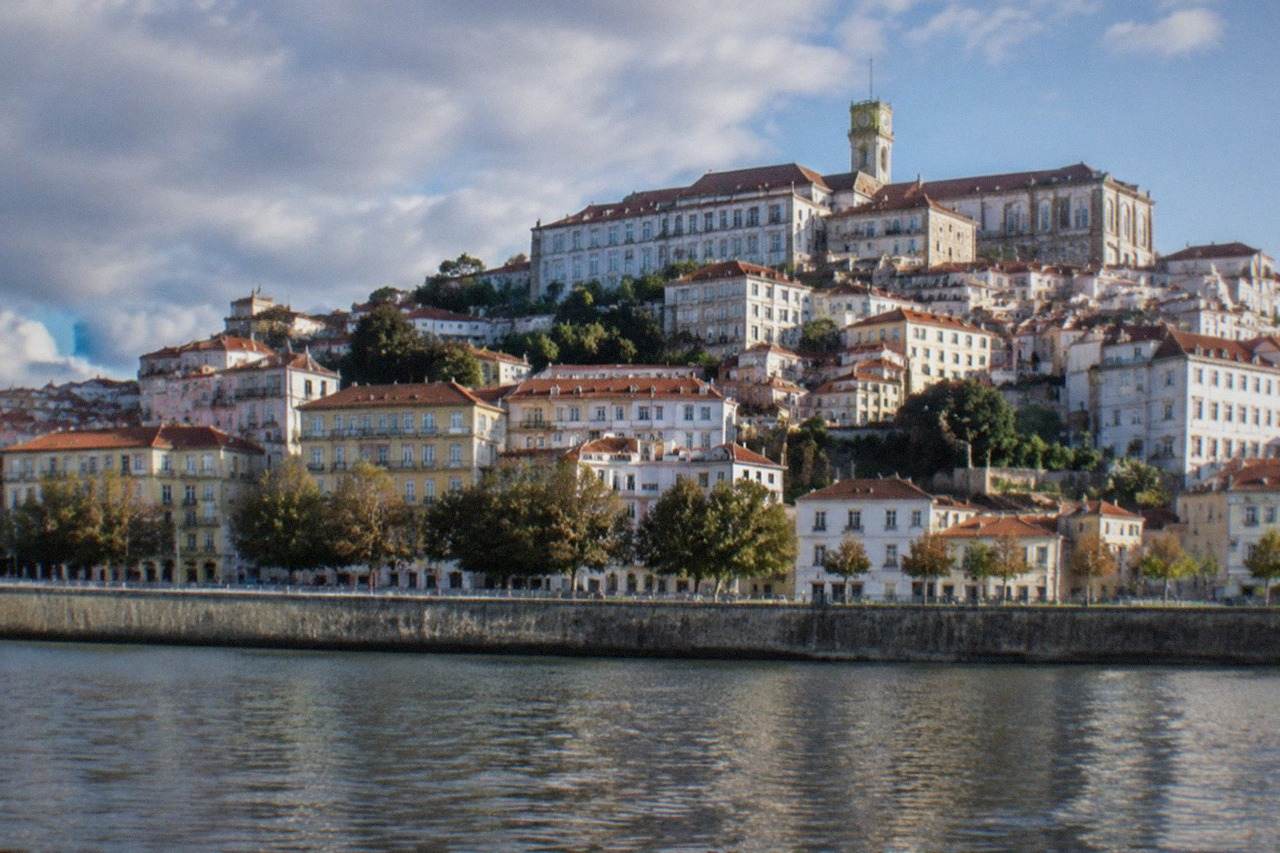
Short answer
Spend day one on the university hill with a pre-booked Joanina slot, day two in the Baixa with Sé Velha and Mosteiro de Santa Cruz, and day three at Portugal dos Pequenitos and the river, or on a day trip to Conímbriga, the Lousã schist villages or Buçaco.
Coimbra, Portugal, the university city on the River Mondego, rewards exactly the kind of visit three days allows: one day for the hill, one for the old town below it, and one for the river, the miniature park or a day trip into the surrounding Centro region. The University's own visit pages state that the Biblioteca Joanina admits 50 people every 20 minutes and that the time printed on your ticket is the library slot, so the single most important planning decision for this itinerary is made before you leave home, not when you arrive. Everything below is built on figures published by the venues themselves, the municipality and the national weather service.
Is Three Days in Coimbra the Right Trip Length?
Three days is the sweet spot for Coimbra: long enough to cover the university hill, the Baixa old town and the riverside at a human pace, and long enough to add one day trip, while the city itself is compact enough that two days already covers its core sights. The University's ticket is valid for two days, which maps neatly onto a three-day stay, and the Joanina Library's 50-people-per-20-minutes ceiling means spreading the hill over a full day removes the pressure of a fixed slot.
The honest comparison is with shorter stays. A one-day visit, covered in the one-day itinerary, compresses the hill and the Baixa into a single sprint and leaves nothing for the river or the miniature park. Two days, laid out in the two-day itinerary, covers the city properly but has no room for Conímbriga, the Lousã schist villages or Buçaco, all of which sit outside the city and each of which eats half a day. Readers weighing the trade-off may also find the answer on how many days you need in Coimbra useful.
Here is the shape of the three days at a glance, before each is unpacked in detail:
| Day | Focus | Anchor sights |
|---|---|---|
| One | The university hill | Paço das Escolas, Biblioteca Joanina, Capela de São Miguel, Botanical Garden |
| Two | The Baixa and its churches | Sé Velha, Mosteiro de Santa Cruz, Arco de Almedina, fado at night |
| Three | River and beyond | Portugal dos Pequenitos, Parque Verde do Mondego, or a day trip |
What Should Day One in Coimbra Cover?
Day one belongs to the university hill: the Paço das Escolas, the Biblioteca Joanina with its pre-booked 20-minute slot, the Capela de São Miguel and the Chemistry Laboratory, all on the 16.50 EUR combined ticket that is the only way into the Joanina. The University's summer schedule runs 09:00 to 20:00 from 1 April to 30 September and 09:00 to 17:30 in winter, and the ticket is valid two days for every space except the fixed Joanina slot.
Book the combined ticket before you travel. The University's own program page states that entries to the Joanina are limited to 50 people every 20 minutes, that the date and time printed on the ticket are the library slot specifically, and that visitors outside the stipulated time will not be admitted. Online purchase closes 20 minutes before the visit time, and counter purchase depends on slots still being free. In summer, a traveller who arrives without a slot can be turned away at the door.
The rest of the hill fills the day around that fixed slot. The Capela de São Miguel, the Royal Palace route and the Chemistry Laboratory are all inside the same ticket, and the University warns that academic and religious ceremonies sometimes interrupt the tourist circuit, so a flexible afternoon matters. The Botanical Garden, which the University also runs, offers guided visits at 10.00 EUR per person with the meeting point at the side entrance next to the Garden Arches, per the University's published program list.
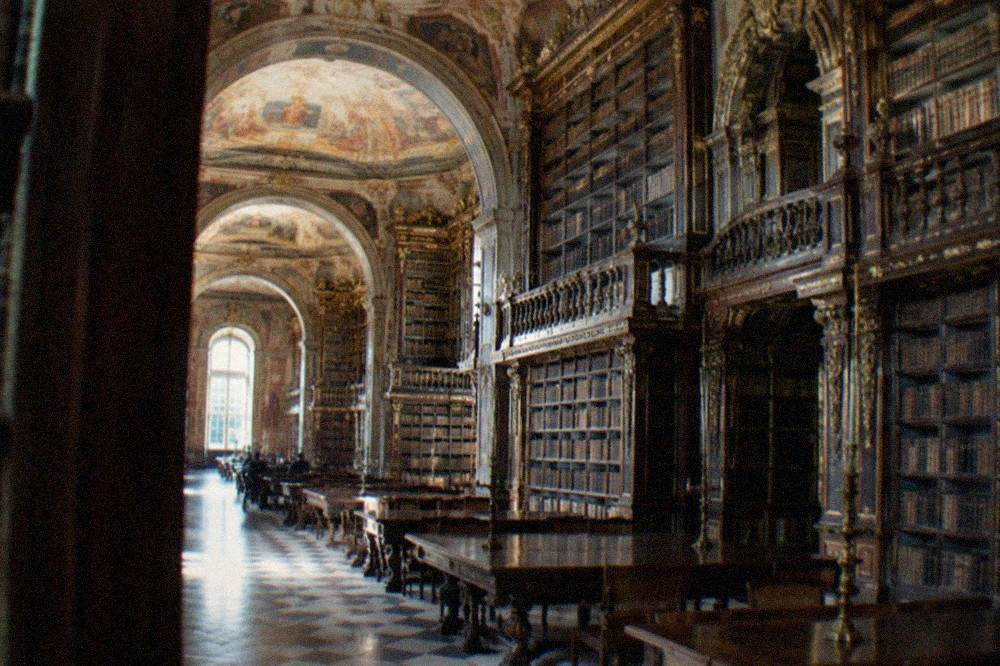
The hill's most repeated surprise is zoological rather than architectural: the University's own space page confirms the Joanina houses a colony of bats that emerges at night to eat the insects which would otherwise damage the books. The visit itself is short, around 20 minutes on the noble floor, with no lingering and no photographs on the noble floor. Treat the slot as an appointment, not an exploration.
The full price ladder for the University's spaces, as published for the 2026 season:
| Ticket | Adult price | What it includes |
|---|---|---|
| Joanina Library + University + Science Museum | 16.50 EUR | Joanina with timed slot, Royal Palace, St Michael's Chapel, Chemistry Laboratory, Academic Museum, Cabinet of Curiosities, Mineral Gallery |
| University + Science Museum | 12.50 EUR | The same spaces without the Joanina |
| Guided tour, Palace of Schools | 25.00 EUR | Guide-led, 1h30, Science Museum spaces not included |
| Guided tour, Botanical Garden | 10.00 EUR | 1h30, meeting point at the side entrance |
One closure to plan around: the Torre da Universidade, the clock tower, is closed, and the University's information page states this plainly. No price, no climb, no view from the top. The hill still delivers views from the terraces around the Paço das Escolas, which cost nothing and are the city's best-known photo spot. More on the hill's buildings is in the university guide.
What Should Day Two in Coimbra Cover?
Day two drops into the Baixa, the old town below the hill, and its two great churches: Sé Velha at 3.00 EUR per person and Mosteiro de Santa Cruz at 5.00 EUR, the burial church of Portugal's first two kings, with the Arco de Almedina and the Baixa's streets between them and a fado show in the evening, where the Coimbra variant of fado is sung by men in academic dress.
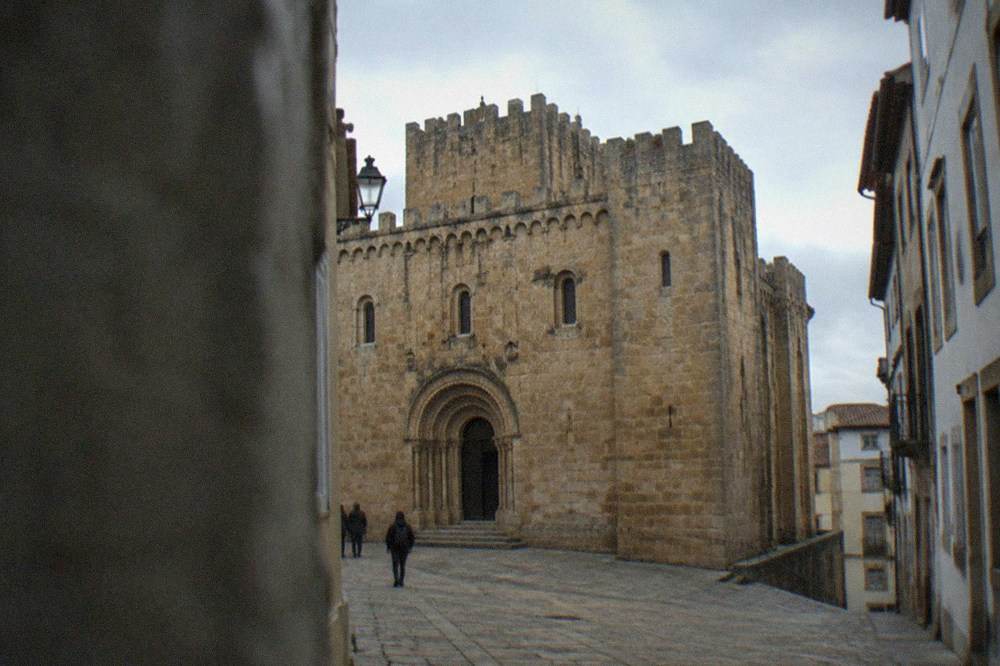
The Sé Velha, the old cathedral, publishes its prices through the Unidade Pastoral Aeminium: 3.00 EUR individual, 2.50 EUR for groups over ten, with summer hours of 09:30 to 18:30 and Sundays 11:00 to 17:30. The Mosteiro de Santa Cruz charges 5.00 EUR individual, 3.50 EUR for groups of twelve or more, and visits run 09:30 to 16:30 with a separate Sunday schedule. Both are walkable from anywhere in the Baixa, and the steep lanes between them are the day's real texture.
One date-closure to know: the Santa Cruz page states that visits are suspended on Easter Sunday and on the Cortejo da Queima das Fitas, a moveable Sunday in May, and the University closes its whole visitor circuit on 24 May. If your three days fall in late May, check both before locking the itinerary, because the festival closes the two monuments that anchor day two.
For the evening, Coimbra's fado is a distinct tradition from Lisbon's, sung in the academic cape and performed in the Baixa's small rooms. A live show with a glass of port wine runs 50 minutes from 18 USD per person on the operator's live listing, rated 4.7 from 1,234 reviews, and the fado guide and the city's food scene can fill the dinner either side of it.
A practical note on the Museu Nacional de Machado de Castro, which sits in the Baixa and would otherwise headline this day: it is closed for conservation work, its own page on the national museums portal says so twice, and no reopening date or admission price is published. What the page does confirm is that the building sits above a Roman cryptoporticus of the mid-1st century, at Largo Dr. José Rodrigues. Do not build day two around walking into it; check the museum's own page before planning around it, and if the weather turns, the rainy-day itinerary lists what still works.
What Should Day Three in Coimbra Cover?
Day three splits into two good options: a slow city day with Portugal dos Pequenitos, open 10:00 to 19:00 from 1 March to 15 October, and the Parque Verde do Mondego on the river, or a half-day trip out to Conímbriga, the Lousã schist villages or the Buçaco forest, each of which is a four-hour round excursion with a guided option on the operator's live listing.
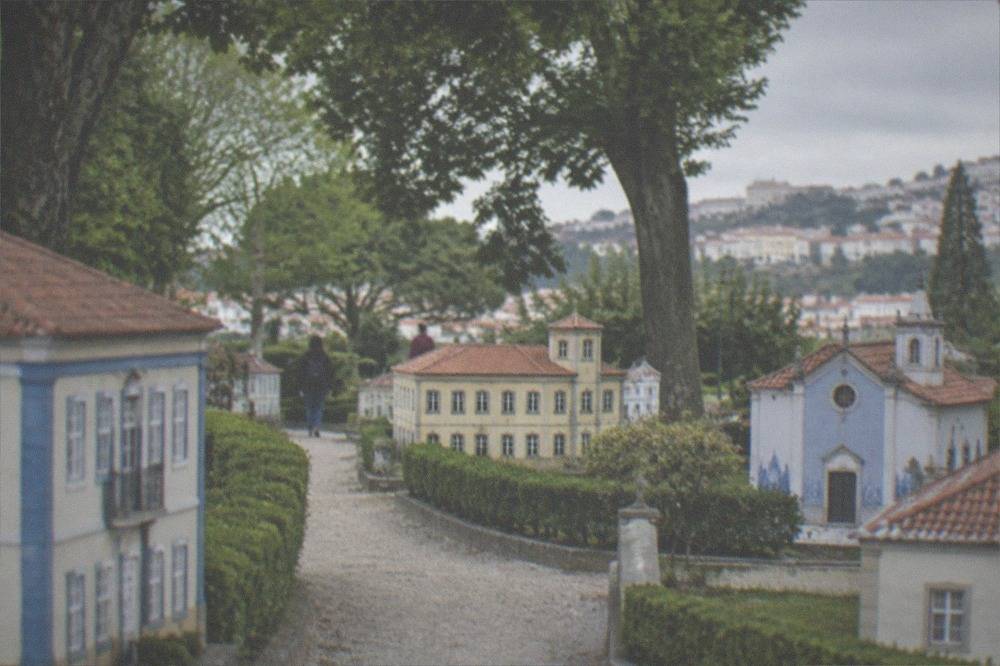
The family option first. Portugal dos Pequenitos, the miniature park run by the Fundação Bissaya Barreto on the west bank, publishes its hours clearly: 10:00 to 17:00 in the winter window and 10:00 to 19:00 from 1 March to 15 October, closed Christmas Day. Its ticket prices render client-side on the venue's own page, so this itinerary does not print one; buy through the venue's own ticket page. The Portugal dos Pequenitos guide covers it in depth, and the with-kids itinerary builds a whole day around it.
The day-trip option is where three days beats two. Conímbriga, the Roman town about 16 km south in the parish of Condeixa-a-Velha, in the municipality of Condeixa-a-Nova, is open daily 10:00 to 18:00 with a combined museum-and-ruins ticket of 10.00 EUR, and it is open on Mondays, which makes it the reliable option when the city's Monday-closed monuments are shut. The Lousã schist villages and the Buçaco forest sit in the hills to the east and south-east respectively.
The guided day-trip menu, with prices from the operator listings on this site:
| Day trip | Duration | From (per person) | Rating |
|---|---|---|---|
| Conimbriga and the Roman Tour | 4 hours | 105.37 USD | 4.8 from 136 reviews |
| Schist Villages at Lousa Mountain | 4 hours | 105.37 USD | 4.9 from 133 reviews |
| Forest and Palace of Bussaco | 4 hours | 87.81 USD | 5 from 50 reviews |
| Fátima Private Tour: Shrine and Shepherds | 3 hours | 129.95 USD | 4.9 from 55 reviews |
If you are combining Coimbra with a bigger Portugal route, the day trip from Porto and day trip from Lisbon pages show how a three-day Coimbra stay slots into a longer itinerary, and the self-guided walking tour covers the city core on foot for free.
How Much Does Three Days in Coimbra Cost?
Counting only the verified published prices, the sightseeing core of three days in Coimbra costs roughly 25 to 35 EUR per person in tickets: 16.50 EUR for the University combined ticket, 3.00 EUR at Sé Velha, 5.00 EUR at Santa Cruz and 10.00 EUR at Conímbriga if you take the day trip, plus 1.00 EUR per night in tourist tax, capped at three nights, paid at the accommodation, and 2.00 EUR per SMTUC bus ride bought on board.
The tourist tax detail matters because it is often misstated: the municipality's own service page confirms 1.00 EUR per guest per overnight stay, maximum three consecutive nights, from age 16, paid directly to the accommodation at check-in or check-out, with no low-season exemption. A two-euro rise was approved as a proposal by the municipality's Executive on 21 July 2026, but the published rate remains one euro until the municipality's own tax pages change it. More of these guides are collected on Coimbra Travel Guide.
| Item | Price | Source note |
|---|---|---|
| University combined ticket (with Joanina) | 16.50 EUR | University visit pages, 2026 season |
| Sé Velha, individual | 3.00 EUR | Unidade Pastoral Aeminium |
| Mosteiro de Santa Cruz, individual | 5.00 EUR | Unidade Pastoral Aeminium |
| Conímbriga, museum and ruins | 10.00 EUR | National museum, one ticket for both |
| Tourist tax | 1.00 EUR per night, max 3 nights | Municipal service page, in force since 5 April 2023 |
| SMTUC bus, driver ticket | 2.00 EUR | 2026 SMTUC tariff |
| SMTUC bus, pre-purchased, 3+ trips | 0.90 EUR per trip | 2026 SMTUC tariff |
The SMTUC tariff adds one more useful line: its intermodal titles are marked valid on both the SMTUC bus network and the new Metro Mondego network, so a bus ticket is not stranded when the networks meet. The tariff does not publish a confirmed standalone price for the Elevador do Mercado, so this page does not print one.
When Is the Best Time of Year for Three Days in Coimbra?
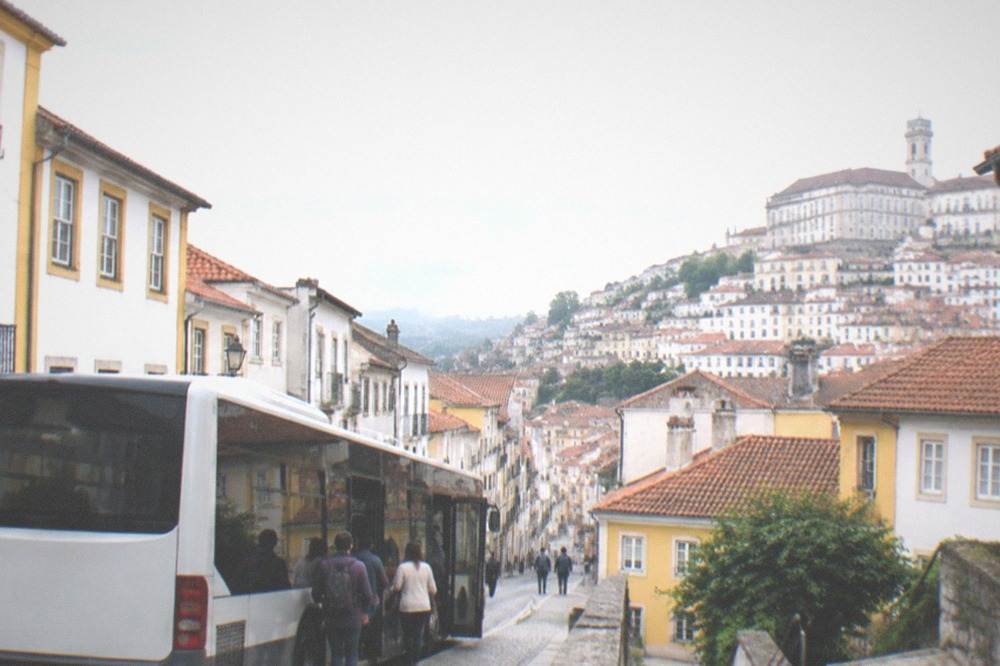
The best months for three days in Coimbra are May, June and September: IPMA's 1991 to 2020 normals for the Coimbra / Bencanta station show September with a mean maximum of 27.4 C, higher than June's 26.3 C, on only 49.9 mm of rain, while the rain does not arrive properly until October, when the monthly total jumps to 114.5 mm, and July at 8.9 mm is effectively dry but August averages 10.9 days above 30 C.
The table below is the city's own station data, station 707 at Bencanta, 3 km from the centre, not a coastal proxy; the district of Coimbra reaches the Atlantic, but the city does not, so coastal figures describe a different place.
| Month | Mean max (C) | Rain (mm) | Days with 1 mm+ rain |
|---|---|---|---|
| April | 20.5 | 84.6 | 10.6 |
| May | 23.3 | 64.7 | 8.5 |
| June | 26.3 | 26.0 | 3.7 |
| July | 28.5 | 8.9 | 1.7 |
| August | 29.1 | 14.8 | 2.2 |
| September | 27.4 | 49.9 | 5.2 |
| October | 23.2 | 114.5 | 10.3 |
Two readings of that table shape the itinerary. September is the quiet bargain: the students are back, the crowds are thinner, and the weather is still summery, with a mean maximum above June's. November is the wettest month at 121.5 mm, marginally ahead of October and January, so a late-autumn three-day plan should keep the rainy-day itinerary as a standby, and the best time to visit planning notes apply to short breaks too.
Where Should You Stay for a Three-Day Visit?
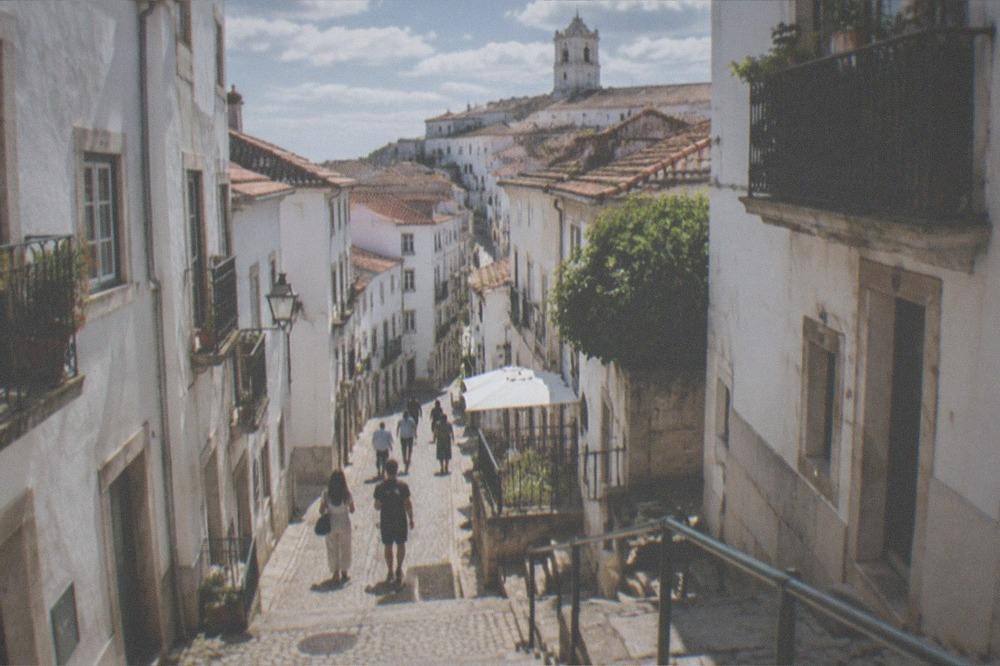
For a three-day stay, the Baixa, the old town's lower streets, is the practical base: it sits under the university hill, within walking distance of both cathedrals and the fado rooms, and the SMTUC network covers the climbs for 2.00 EUR per driver-bought ride, while the Santa Clara side across the river suits travellers prioritising Portugal dos Pequenitos and the riverside park.
The geography is simple and steep. The city stacks vertically: the Alta with the university on top, the Baixa below, the river at the bottom. Staying in the Baixa puts every day-one and day-two sight within a walk, and the hill climbs can be broken up with the bus. Staying across the river in Santa Clara trades that for proximity to the miniature park and the green river park, with the bridge as the commute. The where to stay guide and the city's area pages break the neighbourhoods down in more detail.
What Should You Not Miss in Three Days in Coimbra?
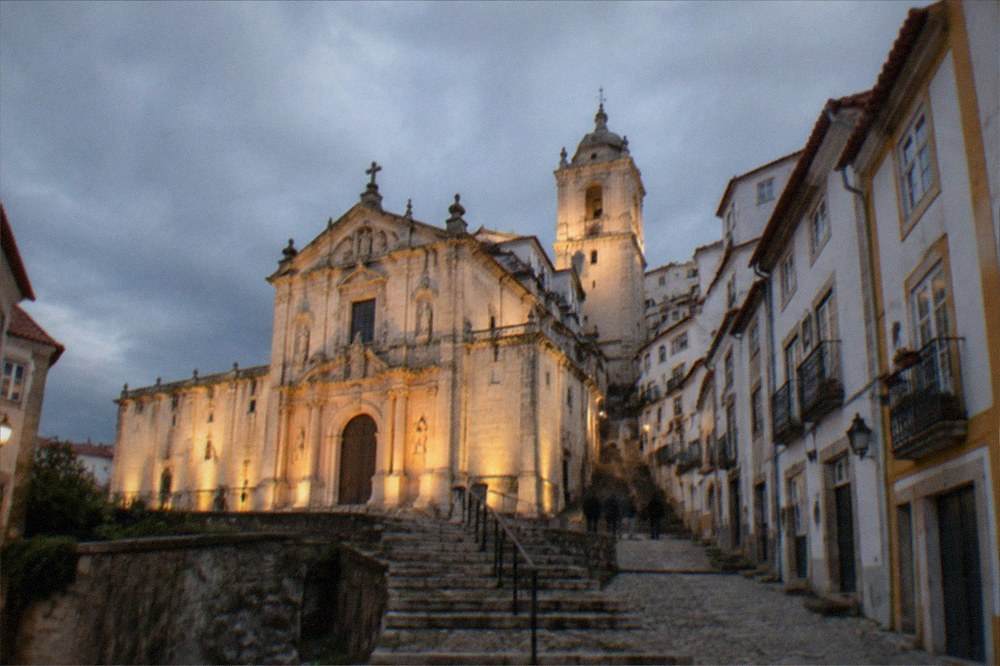
The five things a three-day visit should not leave Coimbra without are the Biblioteca Joanina on its pre-booked 20-minute slot, the Paço das Escolas terraces, the interior of Sé Velha, the tombs of Portugal's first two kings in Mosteiro de Santa Cruz, and a Coimbra fado performance in academic cape, with Conímbriga as the day-trip pick if a fourth experience fits.
The Joanina outranks everything because access is capped at 50 people every 20 minutes and the slot is fixed on the ticket. The terraces are free. Sé Velha's Romanesque interior is 3.00 EUR well spent. Santa Cruz holds the royal tombs and costs 5.00 EUR. Fado in Coimbra is a distinct tradition, sung by men in the academic cape rather than Lisbon's shawled style, and the Baixa's small rooms are where to hear it.
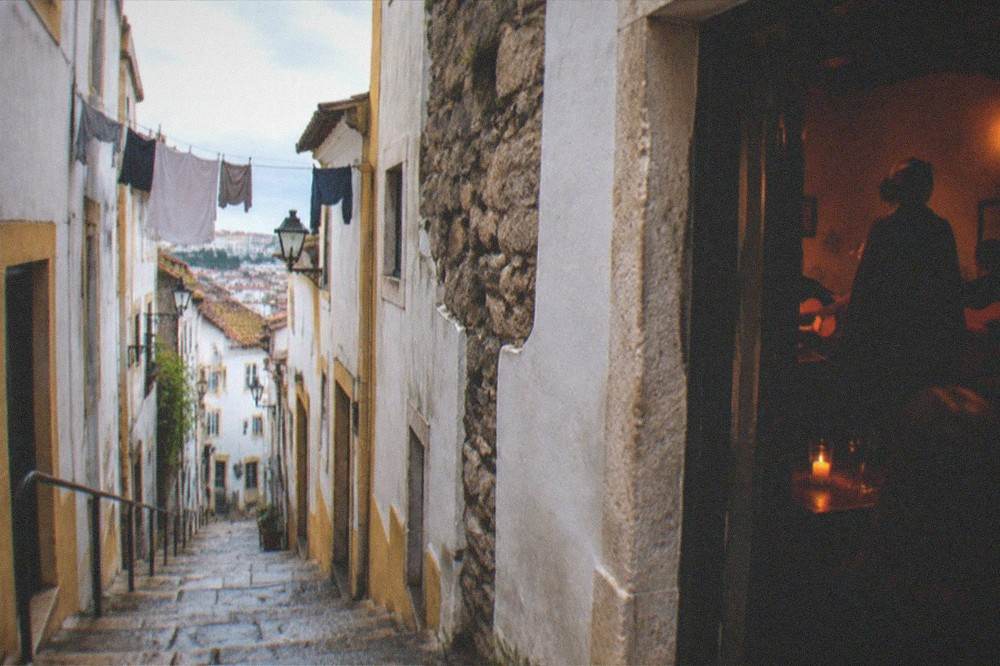
For travellers who prefer a free introduction before committing to a paid tour, the city has a strong pay-what-you-want scene on GuruWalk: the Coimbra tour covering downtown, historic center, university and botanic garden is free and tip-based, rated 4.91 from 662 reviews, and the Essential Free Tour with the Coimbra Guide runs two hours, rated 4.99 from 168 reviews. GuruWalk is the platform and the individual guru is who you are actually paying by tip, which is why both are named here rather than hidden. Never expect a printed price for one of these walks.
Common Questions About Three Days in Coimbra
Is three days in Coimbra too long?
No. Three days covers the university hill, the Baixa and the riverside at a relaxed pace and still leaves room for one day trip to Conímbriga, the Lousã schist villages or Buçaco, none of which a shorter stay can absorb.
Can you visit the Biblioteca Joanina without a pre-booked slot?
Risky. The University's own page caps entries at 50 people every 20 minutes, the ticket time is the library slot, and visitors outside the stipulated time are refused. Counter purchase is possible only if slots remain, and online purchase closes 20 minutes before the visit.
Is Coimbra a UNESCO World Heritage city?
No, and this is the most common error in guides to the city. UNESCO inscribed "University of Coimbra, Alta and Sofia" in 2013, list reference 1387: two components inside the old town, the university hill and the college street. The city as a whole is not inscribed.
What is closed in Coimbra right now?
The Museu Nacional de Machado de Castro is closed for conservation work, the Torre da Universidade is closed, and Mosteiro de Santa Clara-a-Velha has been closed for requalification works since October 2025, so check before planning around any of the three.
How much is the tourist tax in Coimbra?
1.00 EUR per guest per overnight stay, capped at three consecutive nights, from age 16, paid to the accommodation. A two-euro rise was approved as a proposal in July 2026 but the published rate remains one euro.
Do you need a car for three days in Coimbra?
No. The city core is walkable and steep, the SMTUC bus network covers the climbs with a 2.00 EUR driver ticket or 0.90 EUR pre-purchased per trip, and the guided day trips to Conímbriga, Lousã and Buçaco include transport. A car only earns its keep if you are stringing several rural stops together.
Three days, one pre-booked Joanina slot, two cathedrals, a river and one hill town of your choosing: that is Coimbra done properly, and every price and rule above comes from the venue, the municipality or the weather service rather than from a brochure.