Coimbra Festivals and Events: A Year-Round Guide to Portugal's University City
Coimbra, Portugal's university city on the River Mondego, runs on an academic calendar, and its festivals follow the students. This guide covers what is verified, what is closed, and how to plan around it.
Short answer
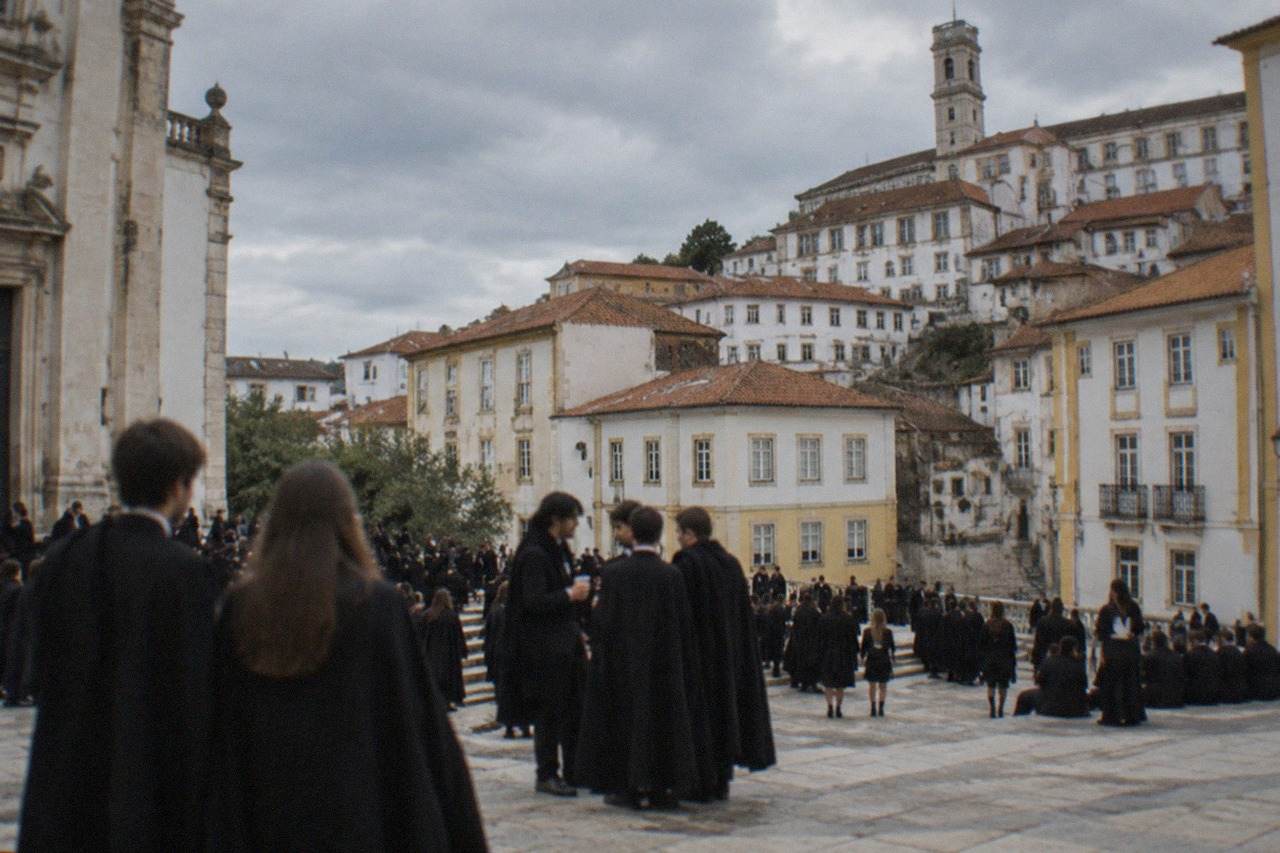
Coimbra's biggest festival is Queima das Fitas, held in May, when the University closes its visitor circuit on 24 May and Mosteiro de Santa Cruz suspends visits on the parade Sunday. Exact dates are published by the Associação Académica de Coimbra. Fado de Coimbra performances, the academic traditions of the about 31,000-student university and a warm, dry summer season fill out the rest of the year.
Coimbra, the university city on the River Mondego in central Portugal, is one of the few European destinations whose entire event calendar is set by a student body. The University of Coimbra publishes an enrollment figure of about 31,000 students, and when those students celebrate, mourn, sing or parade, the city's monuments close, its streets fill and its hotels price accordingly. That makes planning a festival trip here different from planning one almost anywhere else: the dates that matter most are academic dates, some of them moveable, and a visitor who arrives during the wrong week can find the single most famous interior in the city, the Biblioteca Joanina, effectively sold out. This guide lays out what is verified about Coimbra's festival year, what closes when, and how to build a trip around it, and it is honest about the one thing no guide can responsibly print: exact Queima das Fitas dates, which only the Associação Académica de Coimbra can confirm.
What Shapes the Festival Calendar in Coimbra, Portugal?
The festival calendar of Coimbra, Portugal, is driven by the academic year of one of Europe's oldest universities, whose published figures list about 31,000 students, 434 courses and 22 libraries. The two fixed anchors a visitor can rely on are the University's own published closure dates, including 24 May and the Christmas and New Year period, and the moveable religious calendar that governs cathedral and monastery visiting hours. Everything else flows from those.
The University is not a backdrop to the city's events. It is the engine. UNESCO inscribed "University of Coimbra – Alta and Sofia" on the World Heritage list in 2013, under criteria (ii), (iv) and (vi), and the inscription covers two components inside the old town: the university hill, the Alta, and the college street of Rua da Sofia below. It does not cover the whole city, which is a distinction worth knowing, because the festival spaces, the Paço das Escolas, the Sé Velha and the monastery precincts, sit in exactly the streets the inscription protects.
What this means in practice is that the student traditions are not performed for tourists. The black capes, the fado sung only by men in the Coimbra style, the burning of the ribbon after final exams, all of it belongs to the student body of about 31,000 people, and the city watches. A visitor during a festival week is a guest at someone else's ceremony, and the practical consequences are real: the University warns on its own information pages that religious, official and academic ceremonies overlap with and interrupt the normal tourist circuit.
The municipality's own numbers show how much this matters commercially. Coimbra recorded 698,151 overnight stays in 2025, a municipal figure published by the Câmara Municipal itself, and the same municipal study estimated the annual cost of tourism at 2.44 million EUR, or 3.49 EUR per overnight stay. Festival weeks concentrate a large share of that demand into a handful of days, which is why booking ahead matters more here than in a city whose demand is spread evenly.
For orientation before the crowds, the Coimbra Travel Guide map and attraction pages collect the landmarks the parades pass, and a good first stop is the overview of things to see across the old town, which puts the university hill, the Baixa and the riverside in order.
What Is Queima das Fitas and When Does It Happen?
Queima das Fitas is Coimbra's great student festival, held in May, in which graduating students burn their faculty ribbons after a week of parades, serenades and concerts. The exact dates are not published by any source this site could verify, so they must come from the Associação Académica de Coimbra. What is verified: the University closes its visitor circuit on 24 May, and Mosteiro de Santa Cruz suspends visits on the Cortejo, the parade Sunday, a moveable date.
The festival's central ritual is the burning of the fita, the faculty ribbon worn on the black cape. Before the burning comes the Serenata, the night of fado sung in the square by the Sé Velha, and the Cortejo, a parade that winds from the university hill down through the Baixa. The Cortejo is the event that physically closes the city's monuments: the Unidade Pastoral Aeminium, which manages Santa Cruz, states plainly that visits are suspended on the Cortejo da Queima das Fitas, and that the date moves with the academic calendar.
This is why a responsible guide cannot print a Queima date. The Associação Académica's own site refused automated access during this site's research, and no official page carrying the 2026 or 2027 dates could be read. Dates circulating in press listings are consistent with the University's own closure of the visitor circuit on 24 May, which is a real corroborating signal, but a signal is not a source. Plan for May, confirm with the Associação Académica, and treat the 24 May closure as the fixed point on the map.
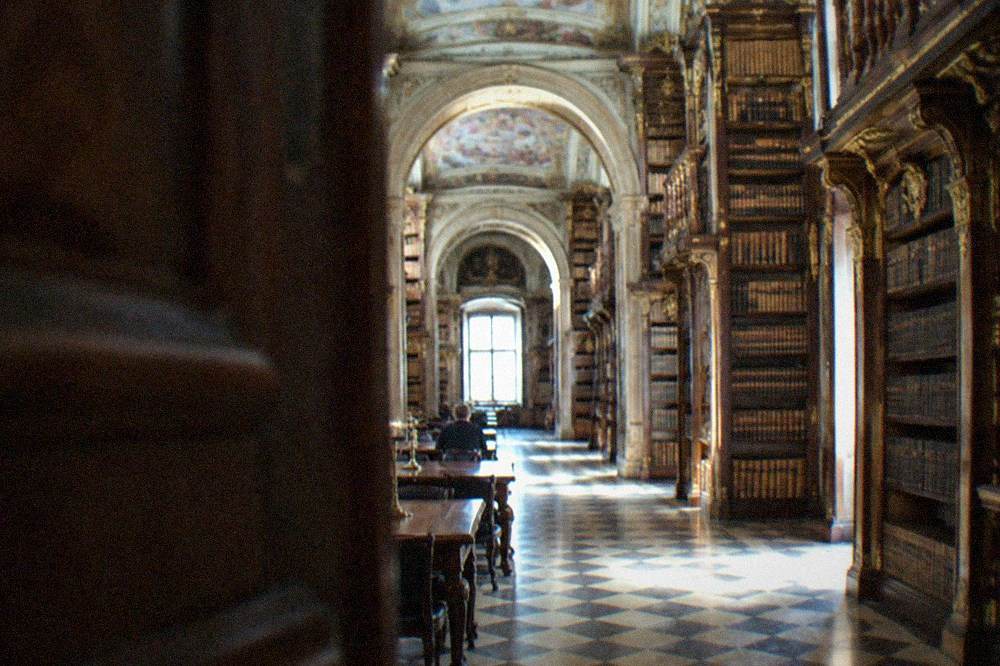
The closures are the practical story. On the Cortejo Sunday, Santa Cruz, the burial church of Portugal's first two kings, is shut to visitors. Around the festival week, the University warns that academic ceremonies interrupt the tourist circuit, and the Biblioteca Joanina's strict timed-entry system, 50 people every 20 minutes, does not stretch to meet festival demand. The University's own program page states the limit in those exact terms, and a visitor without a pre-booked slot in May can simply be turned away.
There is a fuller treatment of the festival, its traditions and its logistics on the Queima das Fitas guide, and the student traditions behind the capes and ribbons connect directly to what you will hear in the city's fado houses, covered in the guide to fado de Coimbra.
Can You Visit the University and Monuments During Festival Week?
Yes, but with hard limits: the University's combined ticket costs 16.50 EUR adult and admits the Biblioteca Joanina only in a fixed 20-minute slot capped at 50 people, the ticket time is the library time, and entry outside the slot is refused. On 24 May the visitor circuit closes entirely, and Santa Cruz suspends visits on the Cortejo Sunday. Buy the Joanina ticket online, well in advance, for any May visit.
The University's ticketing, run through its own visit pages, prices the combined Joanina Library, Royal Palace, St Michael's Chapel and Science Museum programme at 16.50 EUR for an adult, valid two days except for the fixed library slot. The version without the Joanina is 12.50 EUR, a guided Palace of Schools visit is 25.00 EUR, and guided Botanical Garden tours run at 10.00 EUR. Online purchase closes 20 minutes before the visit time, which in festival season is a formality: the slots go long before that.
| University of Coimbra ticket | Adult price | Duration | Includes |
|---|---|---|---|
| Joanina Library + University + Science Museum | 16.50 EUR | 3 hours | Joanina, Royal Palace, St Michael's Chapel, Chemistry Laboratory, Academic Museum, Cabinet of Curiosities, Mineral Gallery |
| University + Science Museum | 12.50 EUR | 2 hours 30 | Same spaces, without the Joanina Library |
| Guided Palace of Schools tour | 25.00 EUR | 1 hour 30 | Guide-led, Science Museum spaces not included |
| Science Museum + UC Exploratório | 16.00 EUR | 3 hours | Laboratories and Exploratório, no Palace of Schools spaces |
| Guided Botanical Garden tour | 10.00 EUR | 1 hour 30 | Garden walk from the side entrance |
Beyond the university hill, the other monuments keep their own schedules and their own closures. The verified ones are listed below; anything not in this table is something to confirm on the venue's own page rather than assume.
| Monument | Verified status for festival-week planning |
|---|---|
| Paço das Escolas visitor circuit | Closed 24 May; also closed 24–25 December and 31 December–1 January |
| Biblioteca Joanina | Timed entry only, 50 people per 20 minutes, inside the 16.50 EUR ticket |
| Torre da Universidade | Closed to the public entirely, per the University's own information page |
| Mosteiro de Santa Cruz | Visits suspended on the Cortejo da Queima das Fitas and on Easter Sunday |
| Sé Velha de Coimbra | Open on its parish schedule, 3.00 EUR individual ticket; no visits during services |
| Museu Nacional de Machado de Castro | Closed for conservation work, with a phased reopening targeted after summer 2026 |
| Mosteiro de Santa Clara-a-Velha | Closed for requalification works since October 2025; check before going |
Two of those closures deserve emphasis, because normal-looking sources get them wrong. The Machado de Castro museum's own page carries the closure line at the top and then prints a plausible opening-hours table beneath it; the tower is closed, full stop, with no climb to sell and no price to print. The University's page on the tower states the facility is closed, and no tour of this city should promise it.
If the Joanina's 50-per-20-minutes ceiling makes you nervous, the honest answer is that a guided tour solves the queue problem, because a guide who books group slots in advance absorbs the timing risk for you. The University of Coimbra guided tour with tickets is one option, and the ticketing details for doing it independently are laid out in the university tickets guide.
Where Does Fado de Coimbra Fit Into the Festival Year?
Fado de Coimbra is the city's own fado tradition, sung by men in the academic style, and it is performed all year in the Baixa's fado houses, but its biggest single night is the Serenata that opens Queima das Fitas in May. A ticketed show with a glass of port wine runs about 50 minutes and costs from 18 USD per person on the operator's live listing, rated 4.7 from 1,234 reviews.
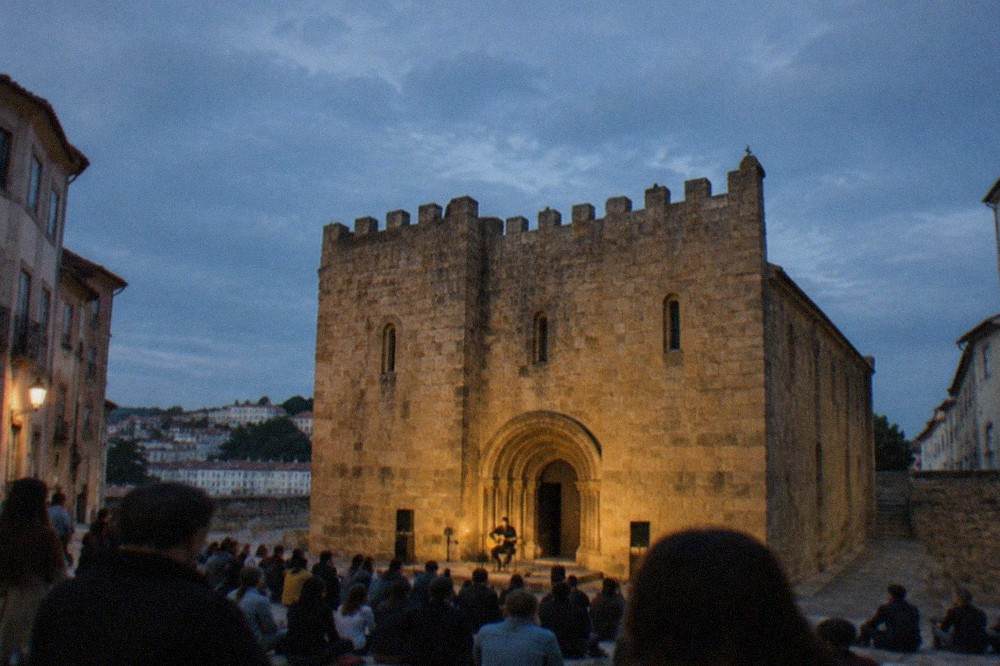
Coimbra fado is not Lisbon fado. It is sung in the academic costume, historically by students and ex-students, and its repertoire is built on the university's rites, the farewell serenades, the loves of the student years, the river below the city. The connection between the festival calendar and the fado calendar is direct: the Serenata Monumental, the night of song that opens the Queima week, is the tradition's largest public expression, sung outdoors in the square by the Sé Velha.
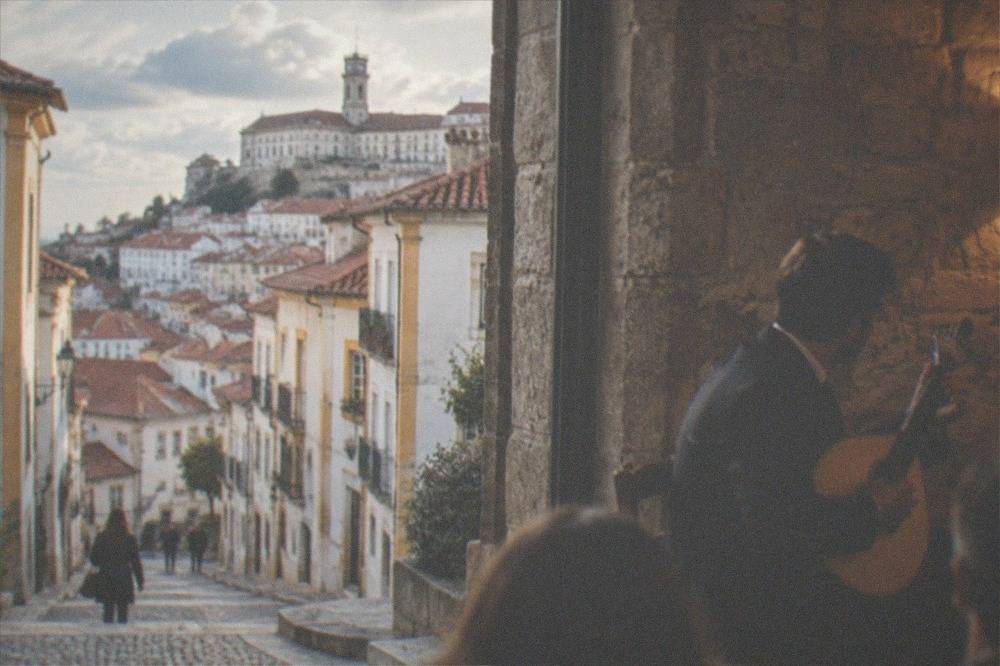
The rest of the year, the tradition lives in the small fado houses of the Baixa, the low town between the university hill and the river. A visitor who cannot time a trip to May has lost nothing essential, because the houses perform nightly through the seasons, and the guide to where to hear fado maps the venues and explains the etiquette, which matters in this city: Coimbra fado audiences fall silent for the singer, and the silence is part of the form.
What Other Events and Traditions Fill the Coimbra Year?
Beyond Queima das Fitas, the verified fixed points of the Coimbra year are the University's closure dates, 24 and 25 December and 31 December to 1 January, the religious calendar that moves Easter and the Santa Cruz suspension with it, and the two-day validity of the University ticket, which rewards a minimum two-day stay. No other Coimbra festival has a date this site could verify from an official source, so every other event date must be confirmed with the Câmara Municipal or the venue.
That last sentence is unusual in a festival guide, and it is deliberate. Coimbra hosts a range of events through the year, processions, concerts, academic ceremonies, markets, and a responsible calendar page cannot print a single date for any of them that a primary source did not confirm. What can be built reliably is the frame: the University's own published closures, the parish schedules of the two great churches, and the seasonal rhythm of the weather, which is official IPMA data and which does not move.
The academic calendar gives the year its shape. The student traditions of the capa e batina, the cape and the ribbon, run through the autumn's reception of new students, the winter's ceremonies and the spring's farewell rites, ending in the May burning. The Repúblicas, the student houses of the old town, are part of this living tradition rather than museums, and their streets are where much of the informal festival life actually happens. A visitor who understands that the city's biggest "attraction" in May is a student farewell will time everything else correctly.
For the practical side of a visit that is not tied to a festival, the best time to visit guide weighs the seasons, and the weather guide carries the full monthly breakdown. The short version, from the official normals: July at 8.9 mm of rain is effectively dry, September's mean maximum of 27.4 C is actually higher than June's 26.3 C, and the autumn rain holds off until October, when the monthly total jumps to 114.5 mm.
How Does the Weather Shape Coimbra's Festival Season?
IPMA's 1991 to 2020 normals for the Coimbra / Bencanta station show that May, the festival month, averages a 23.3 C mean maximum with 64.7 mm of rain, June is warmer and drier at 26.3 C and 26.0 mm, and August is the hottest month at a 29.1 C mean maximum with 10.9 days above 30 C. November is the wettest month at 121.5 mm, and the record high at the same station is 41.2 C, set on 7 August 2016.
These are the city's own numbers, from the station 3 km from the centre, not a coastal proxy, and they matter for festival planning in ways the averages hide. A May visit for the Queima sits in a genuinely pleasant window, warm afternoons, cool evenings at an 11.8 C mean minimum, and a real but manageable chance of rain on roughly eight days a month. The Serenata is a night event, and May nights want a layer.
| Month | Mean max C | Mean min C | Rain mm | Days with 1 mm+ rain | Days max 30 C+ |
|---|---|---|---|---|---|
| March | 19.1 | 7.8 | 75.4 | 9.4 | 0 |
| April | 20.5 | 9.4 | 84.6 | 10.6 | 0.7 |
| May | 23.3 | 11.8 | 64.7 | 8.5 | 3.5 |
| June | 26.3 | 14.2 | 26.0 | 3.7 | 6.2 |
| July | 28.5 | 15.6 | 8.9 | 1.7 | 8.9 |
| August | 29.1 | 15.7 | 14.8 | 2.2 | 10.9 |
| September | 27.4 | 14.1 | 49.9 | 5.2 | 7.8 |
| October | 23.2 | 11.9 | 114.5 | 10.3 | 2 |
The September row is the one almost every guide gets backwards. September is both hotter and wetter than June, 27.4 C against 26.3 C on the mean maximum and 49.9 mm against 26.0 mm of rain. It is still a fine month, because the rain comes in short bursts on about five days, but the real dry season is June through August, and the autumn soaking does not arrive properly until October, when the total leaps to 114.5 mm and November edges higher still at 121.5 mm.
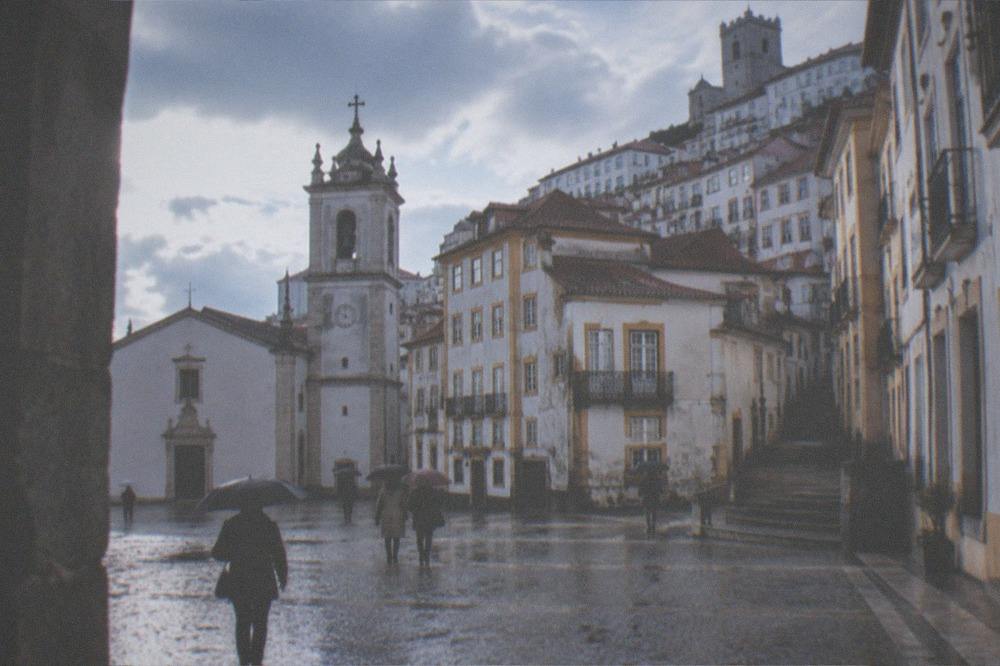
For an event trip, the practical reading is this: book May for the festival and pack a light rain layer, book June or July for the driest streets, and treat October and November as indoor-weather months, which in Coimbra means fado houses, the university's interiors and the museums, with the caveats on closures above.
What Does a Festival Trip to Coimbra Cost?
The core costs a visitor can plan on are the 16.50 EUR University combined ticket, the 1.00 EUR per-night municipal tourist tax capped at three nights and charged from age 16 at the accommodation, a 2.00 EUR SMTUC bus ticket bought on board or 0.90 EUR pre-purchased, and monument entries of 3.00 EUR at Sé Velha and 5.00 EUR at Santa Cruz. The municipality's own study puts its tourism cost at 3.49 EUR per overnight stay, against the one-euro tax.
The tourist tax is the line item most visitors have never heard of, and Coimbra's is unusually well documented because the municipality publishes the mechanics itself. It is 1.00 EUR per guest per overnight stay, in all tourist developments and local accommodation, capped at three consecutive nights, charged from age 16, payable at check-in or check-out directly to the accommodation, and in force since 5 April 2023. The municipality's worked example: a couple staying seven nights pays 3.00 EUR each, 6.00 EUR total. There is no low-season exemption, and no exemption for professional travel, students or research fellows.
A rise to 2.00 EUR was approved as a proposal by the municipal Executive on 21 July 2026, but the municipality's own tax pages still fix the amount at one euro, so one euro is the number to budget until the official pages say otherwise.
| Item | Verified figure | Notes |
|---|---|---|
| University combined ticket (with Joanina) | 16.50 EUR | Two-day validity, fixed Joanina slot, 50 people per 20 minutes |
| University ticket without Joanina | 12.50 EUR | Two-day validity |
| Sé Velha individual ticket | 3.00 EUR | Group of 10+ pays 2.50 EUR each |
| Mosteiro de Santa Cruz individual ticket | 5.00 EUR | Suspended on the Cortejo Sunday and Easter Sunday |
| Conímbriga museum and ruins | 10.00 EUR | One ticket covers both, open daily 10:00 to 18:00 |
| Tourist tax | 1.00 EUR per night | Max 3 nights, from age 16, paid at the accommodation |
| SMTUC bus, bought on board | 2.00 EUR | Pre-purchased trips are 0.90 EUR each, 3 or more |
| SMTUC ticket validity | 90 minutes | Transfers included within the window |
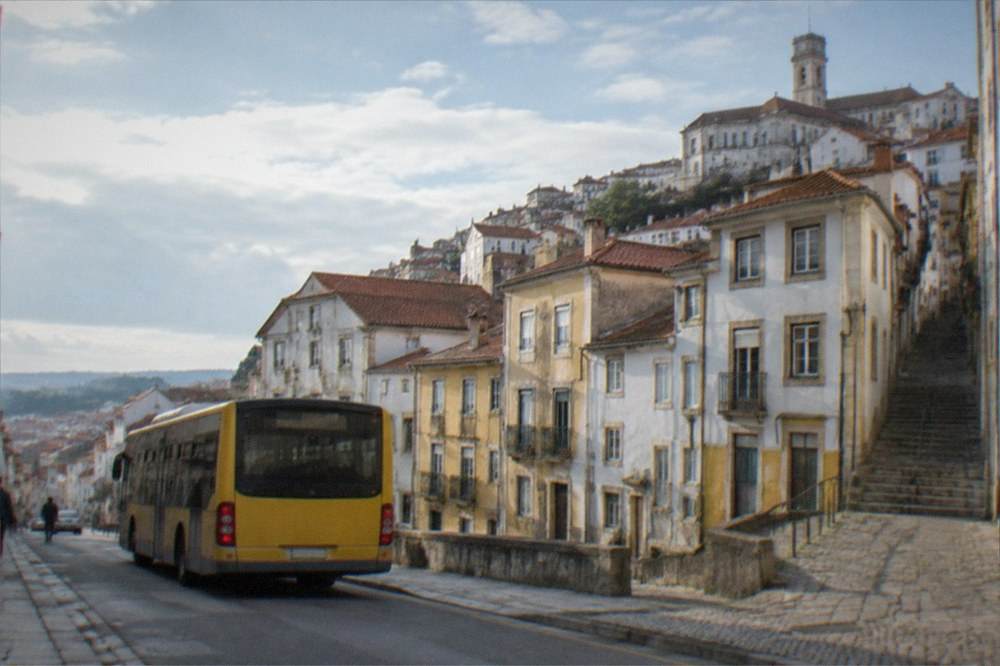
Getting around during festival week is mostly a walking question, because the parade route and the fado quarter are both inside the old town, and the SMTUC tariff's intermodal titles are valid on both the bus network and the new Metro Mondego network, a fact the 2026 tariff states directly. The hills are the other cost, in effort rather than euros: the climb from the Baixa to the Paço das Escolas is the city's defining walk, and the accessibility and hills considerations matter for anyone planning a long festival day on foot.
Which Day Trips Work Around Coimbra's Festival Dates?
The strongest day trips from Coimbra are Conímbriga, the Roman town about 16 km south in Condeixa-a-Velha in the municipality of Condeixa-a-Nova, where one 10.00 EUR ticket covers the museum and the ruins and the site opens daily from 10:00 to 18:00, and the schist villages of the Lousã mountain, reached on tours of roughly four hours from the city. Conímbriga's seven-day opening makes it the reliable Monday escape when the Monday-closing monuments are shut.
The geography discipline matters here. Conímbriga is not in Coimbra, not in the municipality and not in the district's city; it is in Condeixa-a-Velha, in the municipality of Condeixa-a-Nova, roughly 16 km south, and the site's own address page says so. The ruins and the museum share a single 10.00 EUR adult ticket, the ticket office closes at 17:15, and the site closes on 1 January, Easter Sunday, 1 May, 24 July and 25 December. On a festival week when the city's own monuments are shut for the Cortejo, an open-every-day Roman site 16 km away is the obvious plan B.
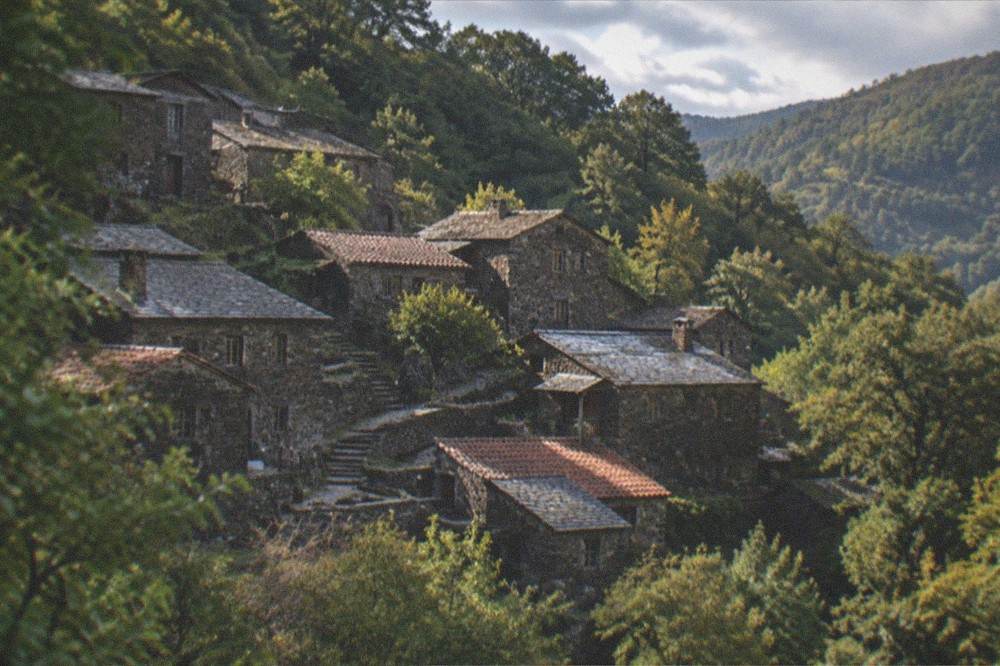
The Lousã schist villages are the second escape, a landscape of stone terraces and forested slopes southeast of the city, and the tour options run from half-day to full-day with a lunch-included version. These are day trips, not city events, so they slot neatly into the shoulder of a festival visit: arrive before the Queima week or stay after it, and spend the quiet days in the mountains while the city's hotels are full.
The full range of options, including Fátima, Tomar and the Buçaco forest, is collected in the day trips overview, and the best time to visit guide helps with the seasonal half of that decision.
How do You Plan a Festival Trip Without Verified Dates?
Plan the frame, not the date: book accommodation refundable, hold the last week of May loosely if the Queima is the goal, buy the University's 16.50 EUR Joanina ticket as soon as the slot calendar opens, confirm the festival dates with the Associação Académica de Coimbra, and check the two verified closures, the University circuit on 24 May and Santa Cruz on the Cortejo Sunday, before locking anything. The two-day ticket validity rewards a stay of at least two nights.
The refundable-accommodation advice is not generic caution, it is specific to this city. Because the Cortejo is a moveable Sunday and the full week of events moves with it, a hotel booked for fixed dates can miss the festival by a week. Coimbra's 698,151 overnight stays in 2025 were not spread evenly, and the municipal cost study behind the proposed tax rise exists precisely because festival and summer demand concentrates pressure on city services. Prices and availability follow.
The ticket sequence is the other half. The Joanina's 50 people per 20 minutes ceiling, published by the University itself, is the one genuinely scarce commodity in this city, and it is real, not manufactured urgency. In May, the slots around the festival are the first to go. Buy the combined ticket online, note that the printed time is the library time specifically, and remember that the rest of the programme is valid for two days, which turns a festival trip into a comfortable two-day rhythm: the hill and the Joanina on day one, the Science Museum spaces and the Baixa on day two.
Finally, build the trip around what Coimbra actually is: a working university city of about 31,000 students whose biggest annual event is a farewell. The visitors who enjoy the Queima most are the ones who treat it as a ceremony they are watching rather than a show staged for them, who stand quiet for the fado, who let the Cortejo pass, and who use the closed-monument days for Conímbriga or the Lousã villages. That is the whole secret of timing this city, and it costs nothing but attention.
Common Questions About Coimbra Festivals
When is Queima das Fitas in Coimbra?
The festival falls in May. The exact dates are not published by any official source this site could verify, so they must be confirmed with the Associação Académica de Coimbra. What is verified: the University closes its visitor circuit on 24 May, and Mosteiro de Santa Cruz suspends visits on the Cortejo, the parade Sunday, a moveable date.
Is Coimbra a UNESCO World Heritage city?
No. UNESCO inscribed "University of Coimbra – Alta and Sofia" in 2013, list reference 1387, which covers two components inside the old town: the university hill and the college street of Rua da Sofia. The city as a whole is not inscribed.
Can you visit the Biblioteca Joanina during festival week?
Only with a pre-booked timed slot. The library admits 50 people every 20 minutes, exists only inside the 16.50 EUR combined University ticket, and the time printed on the ticket is the library entry time. Entry outside the slot is refused, and online purchase closes 20 minutes before the visit time.
What is the tourist tax in Coimbra?
1.00 EUR per guest per overnight stay, capped at three consecutive nights, charged from age 16, payable directly to the accommodation, and in force since 5 April 2023. A two-euro rise was approved as a proposal by the municipal Executive in July 2026, but the municipality's own tax pages still fix the amount at one euro.
What is fado de Coimbra?
Coimbra's own fado tradition, sung by men in the academic style, with a repertoire built on university life. It is performed all year in the Baixa's fado houses, and its largest public night is the Serenata that opens Queima das Fitas in May.
What closes in Coimbra during festival week?
The University closes its visitor circuit on 24 May, and Mosteiro de Santa Cruz suspends visits on the Cortejo da Queima das Fitas, a moveable Sunday. The Torre da Universidade and the Machado de Castro museum are closed regardless of the festival calendar, the tower entirely and the museum for conservation work.
The festival year in Coimbra, Portugal, is a student year, and the visitors who plan around its two verified fixed points, the 24 May University closure and the moveable Cortejo Sunday at Santa Cruz, will find the city at its loudest, its most sung-over and its most itself.