Which Is the Prettiest City in Portugal?
Which is the prettiest city in Portugal? An honest answer built on what can actually be verified, with Coimbra, the university city on the River Mondego, as the case that comes closest to provable.
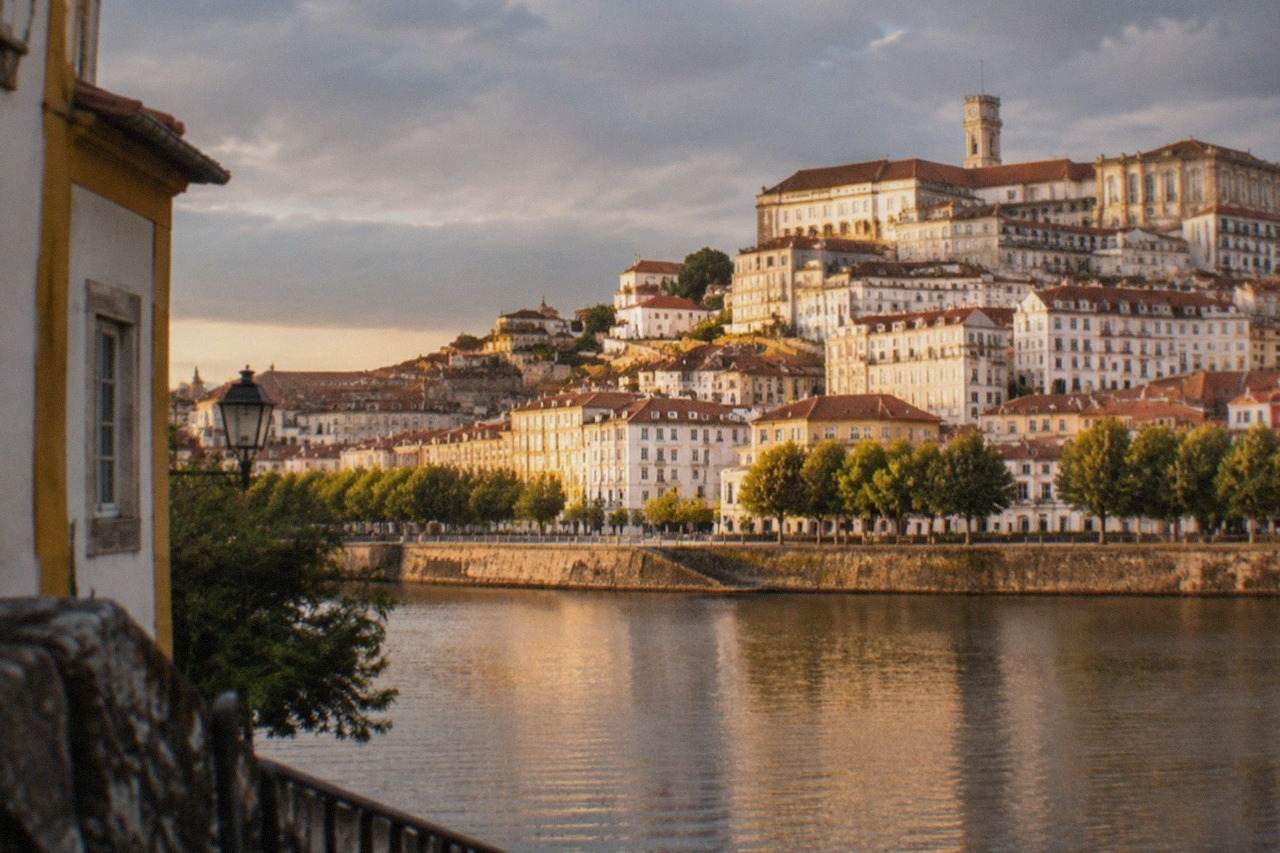
Coimbra, Portugal, the university city on the River Mondego, is the place this site exists to cover, so it would be convenient to declare it the prettiest city in the country and move on. That would also be dishonest, because no body measures prettiness and nobody has published a ranking. What can be done is narrower and more useful: separate the claims that are pure opinion from the ones that are checkable, and show which city has the best-documented case. On the checkable side, Coimbra holds the strongest verified hand of any mid-sized Portuguese city, with a UNESCO-inscribed university hill, a baroque library with a strict timed-entry ceiling, and an official climate record that makes its setting unusually kind to photographers.
Which Is the Prettiest City in Portugal?
There is no official answer, because no organisation measures prettiness, and any guide that names a winner without saying "in our opinion" is inventing a ranking. What the record does support is this: Coimbra, Portugal, holds the country's only UNESCO World Heritage inscription centred on a university, the "University of Coimbra – Alta and Sofia", listed in 2013 under criteria (ii), (iv) and (vi), and its baroque Biblioteca Joanina admits just 50 people every 20 minutes, a scarcity no other Portuguese library matches.
That is the honest shape of the answer. Prettiness is a judgement; the facts underneath it are not. The University of Coimbra's own published figures describe an institution of about 31,000 students, 434 courses, 1,935 professors and a botanic garden, spread across a hill that UNESCO judged significant to humanity in 2013. The inscription covers two components of the old town, the Alta, the university hill, and Sofia, the college street below, and explicitly not the whole city, which is a distinction most guides get wrong. If you want a deeper look at what that inscription actually covers, the Coimbra UNESCO World Heritage guide breaks it down space by space.
The comparison question people actually ask is usually Coimbra against Porto or Lisbon, and this site can only argue one side of it with sources. For Coimbra, the municipality's own figures record 698,151 overnight stays in 2025, which places it firmly in the second tier of Portuguese destinations rather than the first. For Porto and Lisbon, this build verified nothing, so no honest comparison of size, visitor numbers or prices can be made here. What can be said is structural: Coimbra is a city you read vertically, hill to river, while the coastal capitals read horizontally along water. Whether vertical or horizontal is prettier is yours to decide.
What Makes a City "Pretty" in a Way You Can Verify?
Three things survive fact-checking: a documented historic core, a setting that official climate data shows off well, and a built landscape distinctive enough that a recognised body has inscribed it. Coimbra, Portugal, has all three on paper, with the 2013 UNESCO inscription of its university hill, IPMA's 1991 to 2020 normals showing 123 days a year above 25 C at the city's own Bencanta station, and a baroque library so constrained by capacity that the University limits it to 50 visitors every 20 minutes.
Start with the historic core, because it is the part a ranking could theoretically measure. UNESCO's list entry 1387 names the Royal Palace of Alcáçova, St Michael's Chapel, the Joanine Library, the Botanical Garden and the colleges of Rua da Sofia as components of a single inscribed property. That is a specific, citable set of buildings, not a vibe. The what is special about Coimbra, Portugal page covers the rest of the old town, including the Sé Velha, whose own parish site lists an individual ticket at 3.00 EUR, and Mosteiro de Santa Cruz, the burial church of Portugal's first two kings, at 5.00 EUR individual admission.
Then the setting. IPMA's normals for the Coimbra / Bencanta station, the city's own station 3 km from the centre, show a mean maximum of 28.5 C in July and 29.1 C in August, with July effectively dry at 8.9 mm of rain across the whole month. Light like that is why postcards of the university hill look the way they do. September is the quieter version of the same weather: a mean maximum of 27.4 C, actually higher than June's 26.3 C, with the autumn rain holding off until October, when the monthly total jumps to 114.5 mm. The wider set of guides lives on Coimbra Travel Guide.
How Does Coimbra, Portugal Compare on the Facts?
On verifiable facts, Coimbra's case rests on the University of Coimbra's combined ticket at 16.50 EUR, which is the only way to see the Biblioteca Joanina, the tourist tax of 1.00 EUR per night capped at three stays, and the 698,151 overnight stays the municipality recorded in 2025. No comparable verified figures exist on this site for Porto, Lisbon, Braga, Évora or Óbidos, so any head-to-head price or ranking between them would be fabricated, and this page will not print one.
That last sentence is unusual for a travel article, so it deserves a plain explanation. This site's research verified prices, hours and figures for Coimbra and for the Roman site of Conímbriga, and for nothing else. A page claiming Coimbra is cheaper than Lisbon, or prettier than Braga, would need sources for both sides. What is available instead is Coimbra's own scorecard, which is genuinely strong:
| Verified measure | Coimbra figure | Source class |
|---|---|---|
| UNESCO inscription | "University of Coimbra – Alta and Sofia", 2013, criteria (ii), (iv), (vi) | UNESCO list 1387 |
| University combined ticket | 16.50 EUR adult, includes Joanina Library slot | University's own visit pages |
| Joanina Library capacity | 50 people every 20 minutes, fixed slot | University's own program page |
| Published student body | About 31,000 students | University homepage, "The University in Numbers" |
| Overnight stays 2025 | 698,151, municipality level | Municipality's own report |
| Tourist tax | 1.00 EUR per night, max 3 nights, from age 16 | Municipal service portal |
| July rain | 8.9 mm mean monthly total | IPMA normals 1991-2020, Bencanta station |
The one figure in that table worth dwelling on is the Joanina ceiling. A library that admits 50 people every 20 minutes is a library you cannot crowd, and the time printed on your ticket is the library slot specifically, with entry refused outside it. The University's own wording is unambiguous on this. That scarcity is the single most persuasive argument in the prettiest-city debate that can actually be evidenced, because it describes a beautiful thing kept quiet by rule rather than by luck. If you want to see it without the guesswork, Check availability on the guided visit led by a guide working there since 2012.
Which City Should You Actually Visit If Beauty Is the Point?
If beauty is the goal and honesty is the method, visit the city whose beauty is best documented for the things you care about: for a university skyline and a river, Coimbra, Portugal; for Roman ruins, Conímbriga, about 16 km south in Condeixa-a-Nova, whose national museum charges 10.00 EUR and opens seven days a week; for coastal scenery, this site can verify nothing and recommends you check official sources for the coastal districts rather than trust a ranking.
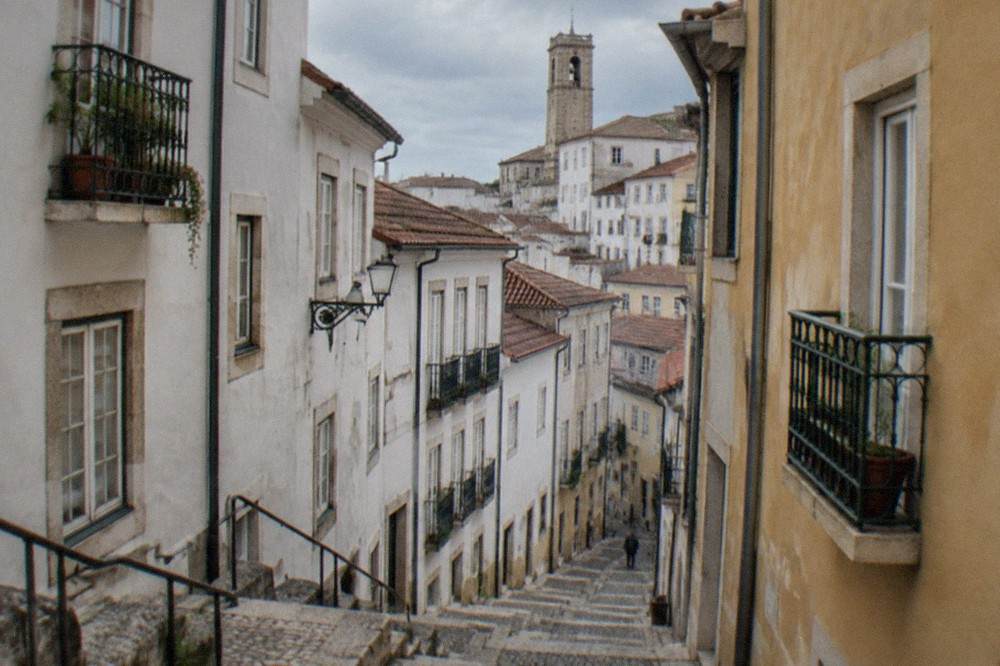
The practical version of the answer is itinerary-shaped. Coimbra rewards two days rather than one, and the how many days do you need in Coimbra page lays out the split: the university hill and the Joanina on the first day, the Baixa, the Sé Velha and the riverside on the second. The is Coimbra a walkable city question matters here too, because a pretty city you cannot walk is only half pretty, and Coimbra's old town is a vertical walk from the Paço das Escolas down to the River Mondego.
One caution belongs in any honest answer. Two of Coimbra's headline sights are closed as of late 2026: the Museu Nacional de Machado de Castro is shut for conservation work, and the University's clock tower, the Torre da Universidade, is closed to public access per the University's own information page. A pretty city still has scaffolding, and a guide that hides it is not doing its job. The Coimbra attractions guide carries the current status of each site.
What Does a Pretty-City Visit Actually Cost in Coimbra?
A two-day visit to Coimbra, Portugal, built from verified figures runs to roughly 30 EUR per person in sightseeing tickets and 3 EUR in tourist tax: the 16.50 EUR University combined ticket with the Joanina slot, 3.00 EUR at the Sé Velha, 5.00 EUR at Mosteiro de Santa Cruz, 10.00 EUR at Conímbriga if you add the ruins day trip, and 1.00 EUR per night in municipal tourist tax capped at three nights.
Those are the numbers the official sources actually print, and they are the ones a prettiest-city argument should be built on, because a beautiful city you cannot afford to look at is only half an argument. The tourist tax is paid to the accommodation at check-in or check-out, not to the municipality and not through a booking platform, and it applies from age 16 with no low-season exclusion. The University ticket is valid for two days across its spaces, except the Joanina slot, which is fixed to the time printed on the ticket. That two-day validity is why the two-day itinerary works so well here: you buy once, spread the hill and the museums across two days, and only the library demands punctuality.
Common Questions About the Prettiest City in Portugal
Which is the prettiest city in portugal?
There is no measured answer. What can be verified is that Coimbra, Portugal, holds the UNESCO inscription "University of Coimbra – Alta and Sofia" from 2013, a baroque library capped at 50 visitors per 20-minute slot, and an official climate record of 123 days a year above 25 C. Any guide naming a single winner is stating an opinion, not a fact.
Is Coimbra, Portugal prettier than Porto or Lisbon?
This site cannot answer that honestly, because it has verified figures only for Coimbra. No population, visitor number, price or ranking was verified for Porto or Lisbon, so a comparison would be invented. Structurally, Coimbra reads as a hill city above a river, while the coastal capitals read along the water.
What is the most beautiful building in Coimbra?
The Biblioteca Joanina is the usual answer and the best-documented one. It can only be visited inside the University's 16.50 EUR combined ticket, in a fixed 20-minute slot limited to 50 people, and the University's own pages note the colony of bats that protects the books by eating the insects that would damage them.
When is Coimbra at its prettiest?
Per IPMA's 1991 to 2020 normals for the Coimbra / Bencanta station, September is the sleeper pick: a mean maximum of 27.4 C, higher than June's 26.3 C, with only 49.9 mm of rain before the autumn totals jump to 114.5 mm in October. July is effectively dry at 8.9 mm.
Does Coimbra's beauty get crowded out?
Less than in the coastal capitals on the evidence available. The municipality recorded 698,151 overnight stays in 2025, and the Joanina's 50-people-per-20-minutes ceiling keeps the most famous room quiet by rule. The trade-off is that the Joanina slot must be pre-booked; the time on your ticket is the library slot and entry outside it is refused.
Is the whole city of Coimbra UNESCO listed?
No, and this is the most common error in guides to the city. The 2013 inscription covers two components of the old town, the Alta university hill and the Sofia college street, not the city as a whole, not the Baixa and not the riverside.
Prettiness stays an opinion; the record stays checkable, and Coimbra, Portugal, is the city where the checkable record runs deepest.