Where Is Coimbra Restaurant?
Where to find restaurants in Coimbra, Portugal: which parts of the university city on the River Mondego hold the dining, what the traditional dishes are, and how to choose a place to eat.
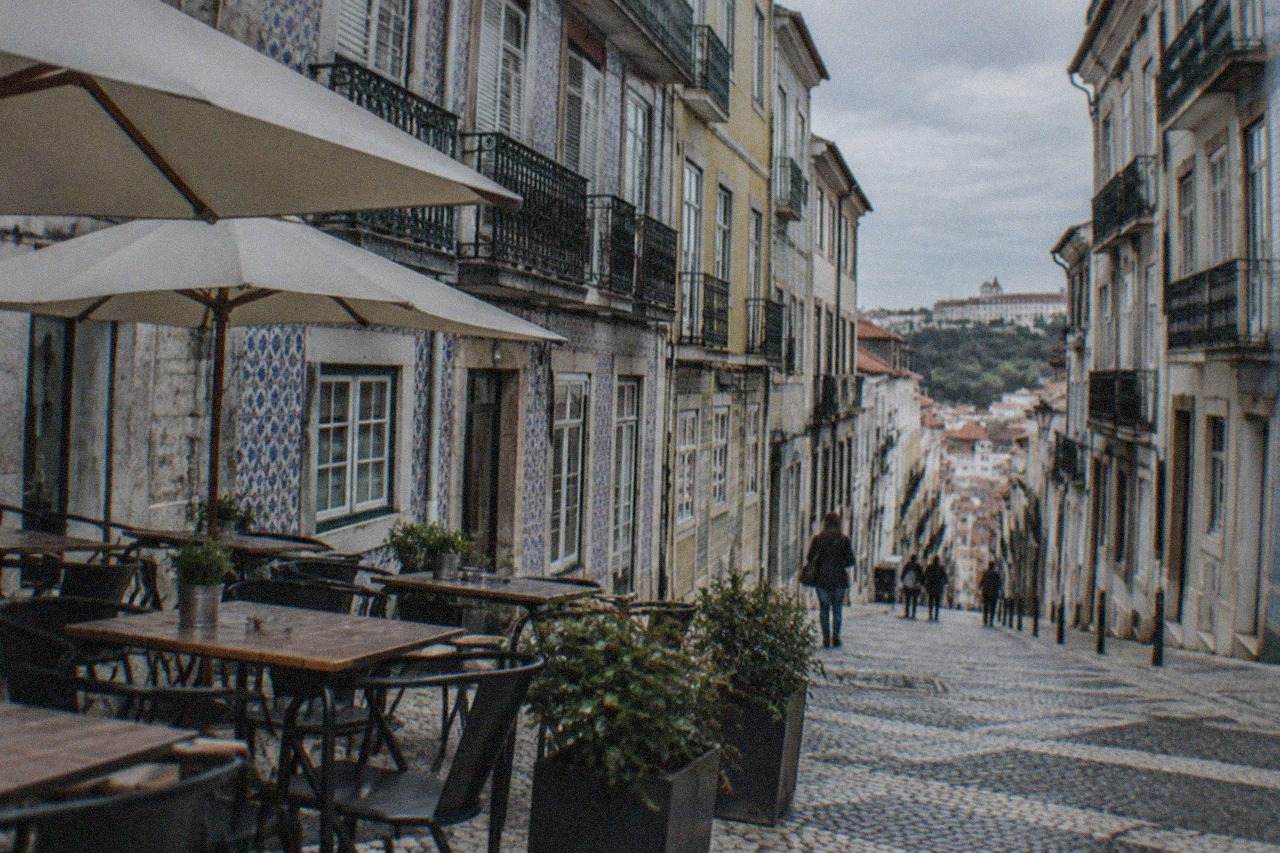
Coimbra, Portugal, the university city on the River Mondego, is not a place where you hunt for a restaurant so much as a place where you pick a district first. The city climbs a hill from the river, and its eating places follow that geography: the Baixa, the low town of arcaded streets and squares between the river and the university hill, holds the densest concentration of dining rooms, while the upper town around the Paço das Escolas and the riverside along the Mondego each have their own character. This page answers the question literally, because the question is a real one that people type: where, in this city, is the restaurant you want?
Where Is Coimbra Restaurant?
There is no single restaurant called Coimbra, and the question usually means where the restaurants of Coimbra, Portugal, are. They cluster in the Baixa, the low downtown between the River Mondego and the university hill, with a second band along the riverside and a thinner scatter in the upper town and in Santa Clara across the river. The Baixa is the default answer, because it is where most of the city's dining happens.
The Baixa is the flat part of the city, the part built for commerce rather than defence, and that is why the eating is there. Streets around Praça do Comércio and the lanes running down toward the river hold the widest choice, from grills turning fish and meat to old pastry rooms and student-priced tasca-style eating houses. The municipality publishes its own visitor material for the city, and the pattern it describes is the one the streets confirm: the low town is where the city eats, shops and drinks.
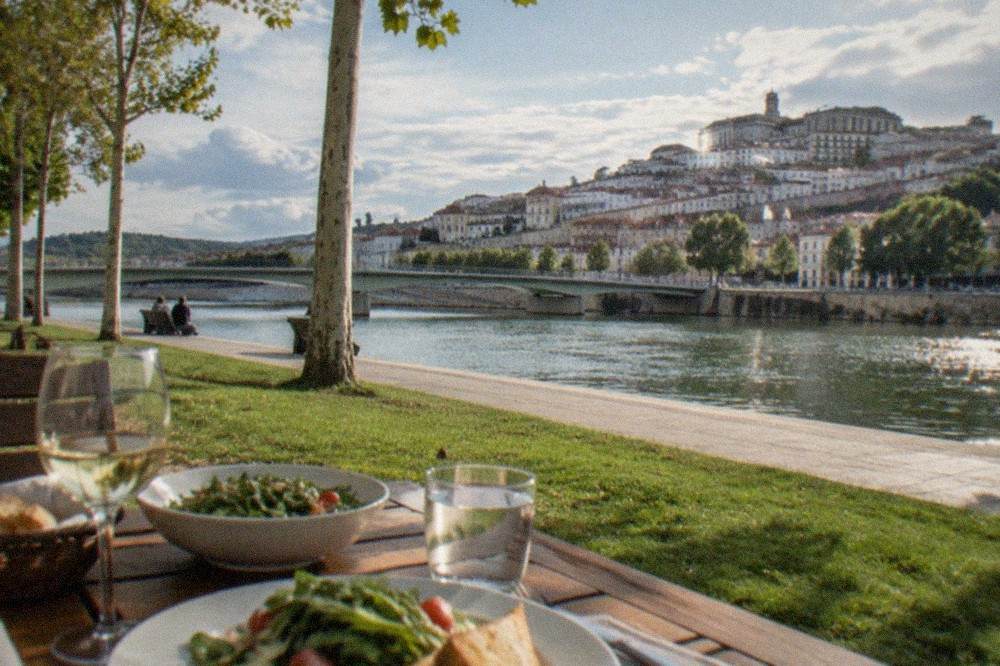
The upper town, by contrast, is thin on dining. It is dominated by the university, the Sé Velha de Coimbra and residential lanes, and the climb itself discourages a casual dinner scene. What you find up there tends to be small, and you go up for the view and the monuments first. The riverside along the Mondego, including the Parque Verde do Mondego stretch, is the third zone, newer in character, with terraces facing the water.
Across the river, the Santa Clara district sits under the modern convent buildings and the university hospital campus, and it has its own local eating places, fewer of them aimed at visitors. For a fuller walk through the city's layout, see the Coimbra attractions guide, and for the practical question of which part of town to sleep in, where to stay in Coimbra covers the same geography from the accommodation side.
Which Part of Coimbra Should You Eat In?
Eat in the Baixa for choice and price, on the riverside for the setting, and in the upper town only when you are already up there for the monuments, because Coimbra, Portugal, arranges its dining by altitude. The Baixa holds the densest cluster of restaurants and the most traditional rooms; the Mondego riverside offers terraces and evening light; Santa Clara, across the river, is where locals eat rather than visitors, and it takes a bridge crossing to reach.
A certified local guide walks the city daily, and a guided visit is one way to learn this geography before dinner rather than after a wrong turn. The listing for the three-hour guided visit with a certified local guide describes admission included and a walk through the historic centre, which is the same ground the restaurants sit on.
No restaurant, café, bakery or market in Coimbra had its prices, opening hours or address verified for this site, so this page will not tell you that a named room opens at a certain hour or charges a certain amount. What can be said honestly is what distinguishes each kind of place, so you can recognise the right door when you see it.
| Area of Coimbra | Character of the eating | What it suits |
|---|---|---|
| Baixa (low town) | Densest choice, arcaded streets, grills, pastry rooms, student-priced eating houses | First dinner, everyday meals, traditional dishes |
| Riverside, along the Mondego | Terraces facing the river, newer rooms, evening light | A long slow meal, groups, warm evenings |
| Upper town, around the university hill | Thin scatter of small rooms among monuments | Lunch between sightseeing, not a destination in itself |
| Santa Clara, across the river | Local, residential, fewer visitor-facing rooms | A quieter, non-tourist meal |
The pattern is the same one that shapes the whole city. The university hill is why visitors come, the low town is where the city does business, and the river is the boundary. If a restaurant is described as being in Coimbra with no further detail, the safest assumption is the Baixa, and the walk from the university hill down to it takes minutes rather than a journey.
What Should You Eat in Coimbra, Portugal?
Look for the dishes the region is known for: roast suckling pig from the Bairrada, the leitão da Bairrada, river fish from the Mondego tradition, and the city's own pastries and arrufadas. The honest way to find them is to read the door rather than the sign, because a room with a short printed card of daily dishes is the kind of place that still cooks them. No venue on this page had its menu verified, so this is what to look for, not where to book.
Leitão da Bairrada is the signature meat of the wider region, roasted young pig, and it travels into the city's restaurants from the Bairrada lands to the west of the district. The fish tradition comes from the Atlantic, but note the geography carefully: the city of Coimbra does not touch the sea. The district does, and Figueira da Foz, 37 km west in the district, is where that fish lands. So a "fresh fish" claim in a Coimbra dining room means fish brought inland, not a boat at the bottom of the street. The full index of guides sits on Coimbra Travel Guide.
| Dish or tradition | What it is | Where it fits a Coimbra meal |
|---|---|---|
| Leitão da Bairrada | Roast suckling pig, the region's signature meat | A main course, most often in grill-style rooms in the Baixa |
| Arrufadas and pastries | The city's own sweet baking tradition | Breakfast or an afternoon stop in a pastry room |
| Daily printed card | A short list of what the kitchen cooked that day | The signal of a traditional cooking room rather than a tourist menu |
For a deeper run through the food itself, what food is Coimbra famous for covers the dishes, and where to eat dinner in Coimbra takes the evening question specifically. There is also a page on traditional Coimbra restaurants that explains what marks the old rooms apart from the newer ones.
Is the Question Ever About Something Else?
Sometimes "where is coimbra restaurant?" is typed by someone who has not yet found the city on a map, and the answer to that version is central Portugal, on the River Mondego, roughly midway between Porto and Lisbon by rail, in the Centro region. Coimbra is also the name of a Portuguese district that reaches the Atlantic, a common Portuguese surname, and a place name reused in Brazil and Angola, so a search result can land somewhere else entirely if the country is not stated. This page is about the city, in Portugal.
The two rail stations, Coimbra-B and Coimbra-A, exist in different places and are the classic trap for a first-time visitor arriving hungry. Which trains call at which station, and how the connection between them works, is a question for CP itself, and this site has a dedicated page on the difference between Coimbra and Coimbra-B train stations. The practical point for dinner is simple: arrive, drop the bags, walk downhill, and the Baixa will appear.
When Is the Best Time to Eat Out in Coimbra?
The best months for eating out in Coimbra, Portugal, are June through September, when IPMA's 1991 to 2020 normals for the Coimbra / Bencanta station show mean maximums of 26.3 C in June, 28.5 C in July, 29.1 C in August and 27.4 C in September, with July effectively dry at 8.9 mm of rain. September is the quiet one: warmer than June on the mean maximum, still only 49.9 mm of rain, and the student city is not yet at full pressure.
August is the hottest month, not July, on both mean and mean maximum, and it averages 10.9 days above 30 C, so a terrace dinner in August is a warm proposition. The rain holds off until October, when the monthly total jumps to 114.5 mm, and November is the wettest month at 121.5 mm. A winter visit means indoor tables, which the old rooms of the Baixa handle well.
The student calendar matters as much as the weather. The University closes its visitor circuit on 24 May, and Mosteiro de Santa Cruz suspends visits on the Cortejo da Queima das Fitas, a moveable Sunday, because the festival fills the city in May. Eating out that week means crowds and energy rather than quiet.
Common Questions About Coimbra Restaurants
Where is Coimbra restaurant?
There is no single venue by that name. The restaurants of Coimbra, Portugal, cluster in the Baixa, the low downtown between the River Mondego and the university hill, with a second band along the riverside and a thinner scatter in the upper town and in Santa Clara across the river.
Which part of Coimbra has the most restaurants?
The Baixa, the flat commercial low town around Praça do Comércio and the lanes running toward the river. It holds the densest concentration of dining rooms, from grills to pastry houses, and it is where the city itself eats.
Can this page tell me a specific restaurant's hours or prices?
No. No restaurant, café, bakery or market in Coimbra had its prices, opening hours or address verified for this site, so this page describes what distinguishes each kind of place rather than asserting facts about named venues. Check details at the door or on the venue's own page.
Is Coimbra a good city for traditional food?
Yes. The region is known for leitão da Bairrada, roast suckling pig, and the city has its own pastry and arrufada tradition. A room with a short printed card of daily dishes is the kind of place that still cooks traditionally.
Is fresh fish in Coimbra really local?
The city itself does not touch the sea. The district of Coimbra reaches the Atlantic and contains Figueira da Foz, 37 km west, so fish served in the city has been brought inland from the coast.
When should I plan a food-focused trip to Coimbra?
June through September, per the IPMA 1991 to 2020 normals for the Coimbra / Bencanta station. September is the quiet pick: warmer than June on the mean maximum, only 49.9 mm of rain, and before the October jump to 114.5 mm.
The final choice of where to eat comes down to the same geography this page has described from the start, and the tours below cover it from three angles: a certified guide's walk through the historic centre, a budget walk past the top attractions, and a half-day escape to the schist villages with a natural pool swim and hotel pickup.
Of those three, the guided visit is the one built for this page's question, because it is the walk that teaches you the city's layout, admission included, before you have to find a dinner table on your own.
A walk with a certified local guide through the historic centre, admission included, is the most direct way to learn where the Baixa ends and the upper town begins, and once you know that, the question of where Coimbra's restaurants are answers itself: downhill, in the low town, between the river and the university. For more on the city's food traditions, start with what food is Coimbra famous for, and for the wider case for the trip, is it worth going to Coimbra, Portugal makes it in full.