What Are Some Famous Roman Ruins in Portugal?
The famous Roman ruins of Portugal, starting with Conímbriga near Coimbra: verified ticket prices, hours, closures and how the Roman past survives inside the city itself.
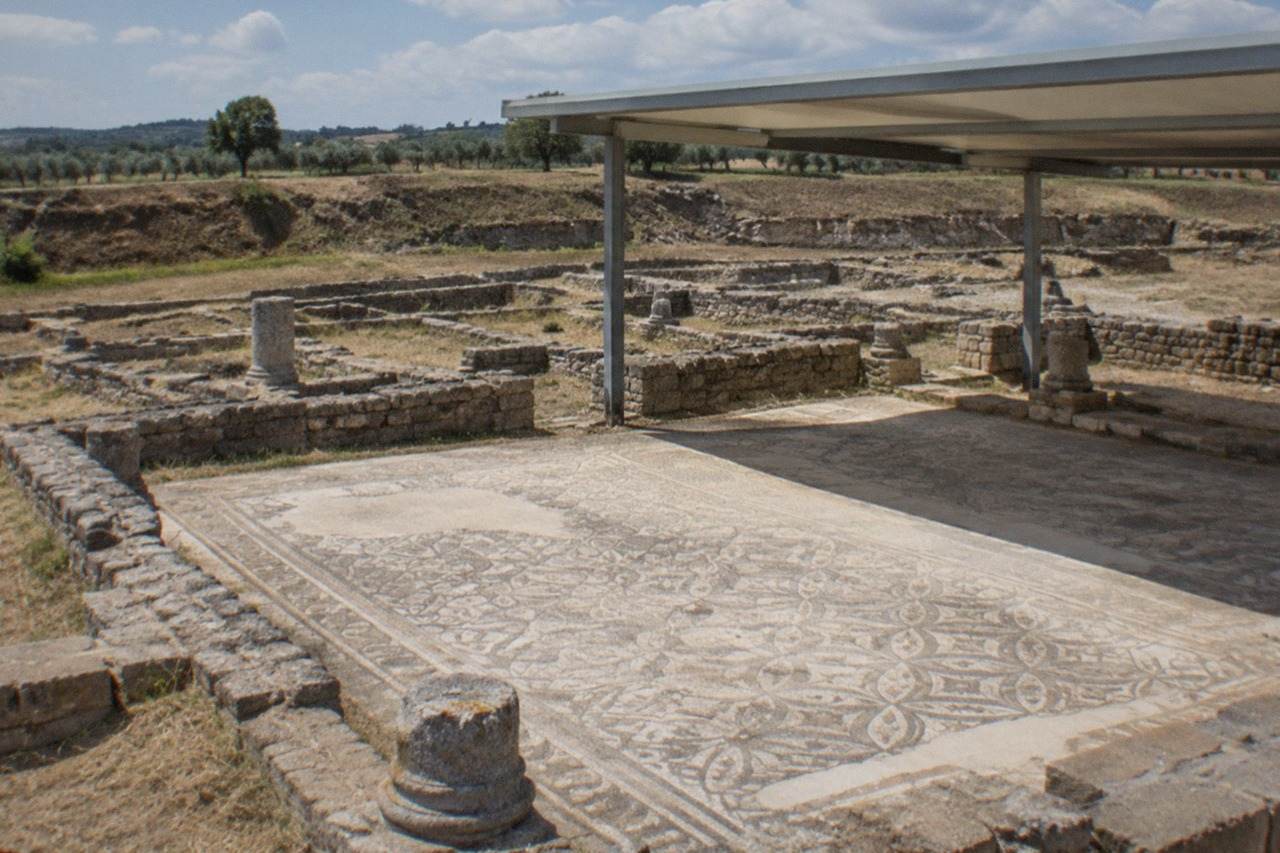
Coimbra, Portugal, the university city on the River Mondego, sits close to the most famous Roman ruins in the country: Conímbriga, a Roman town in the parish of Condeixa-a-Velha, in the municipality of Condeixa-a-Nova, roughly 16 km south of the city. The site's own museum publishes a single 10.00 EUR adult ticket covering the museum and the ruins together, open Monday to Sunday, 10:00 to 18:00. And the Roman layer is not only outside the city: a mid-1st-century cryptoporticus still runs beneath the hill where the Museu Nacional de Machado de Castro stands today.
What Are Some Famous Roman Ruins in Portugal?
The most famous Roman ruins in Portugal are at Conímbriga, a Roman town roughly 16 km south of Coimbra in the municipality of Condeixa-a-Nova, where a national museum and an extensive ruin site are covered by one 10.00 EUR adult ticket. Inside Coimbra itself, the best-known Roman survivor is the mid-1st-century cryptoporticus beneath the Museu Nacional de Machado de Castro. This desk publishes only what it has verified from official sources, so this page covers the Coimbra-area sites in full detail.
Portugal has Roman remains scattered across the country, and a general search will return names from several regions. But a list assembled from memory is exactly how wrong facts get published, so this page sticks to what the Coimbra desk has read on official pages: Conímbriga, the most visited and best documented of them all, and the Roman structures inside Coimbra proper.
The pairing is not accidental. Conímbriga's name echoes in the region's Roman past, and the city of Coimbra grew in the orbit of that older settlement. A reader deciding how to spend days in central Portugal can see both on one base: the ruins south of the city and the cryptoporticus in the middle of town, with the whole thing explained in the guide to what makes Coimbra famous.
Why Is Conímbriga the Most Famous Roman Site in Portugal?
Conímbriga is the most famous Roman site in Portugal because it combines extensive visible ruins with a national museum on one ticket, and because it is unusually accessible: open Monday to Sunday, 10:00 to 18:00, with the ticket office closing at 17:15, and an adult ticket of 10.00 EUR covering the museum and the ruins together. The site sits in Condeixa-a-Velha, in the municipality of Condeixa-a-Nova, roughly 16 km south of Coimbra.
That seven-day opening is the quiet practical detail most guides miss. Many Portuguese national monuments close on Mondays, so a traveller who plans museum days badly can find doors shut. Conímbriga does not have that problem: the museum's own page lists it open every day, which makes it the reliable Monday option when other monuments in the region are closed.
The closure calendar is specific and worth checking before any visit: 1 January, Easter Sunday, 1 May, 24 July and 25 December. Note the 24 July date, which is not a national holiday; a visitor who assumes the list follows Portuguese public holidays alone would be caught out.
| Conímbriga visitor fact | Verified detail |
|---|---|
| Adult ticket | 10.00 EUR, museum and ruins on one ticket |
| Opening hours | Monday to Sunday, 10:00 to 18:00 |
| Ticket office closes | 17:15 |
| Closed dates | 1 January, Easter Sunday, 1 May, 24 July, 25 December |
| Location | Condeixa-a-Velha, municipality of Condeixa-a-Nova, roughly 16 km south of Coimbra |
The geography matters more than it sounds. Conímbriga is not in Coimbra, and it is not in the district's coastal west either; it belongs to a different municipality to the south. Writers get this wrong in both directions, placing the ruins inside the city or attaching them to the wrong concelho. The address on the museum's own page settles it: Condeixa-a-Velha.
For travellers who want the ruins explained rather than just entered, a guided option exists. The Conímbriga Roman Ruins & Museum private tour runs about 3 hours with a private guide, from $93.66 per person, rated 4.7 from 34 reviews on the operator's live listing.
How do You Plan a Visit to Conímbriga from Coimbra?
Plan Conímbriga as a half-day trip from Coimbra: the site is roughly 16 km south, the ticket covers the museum and the ruins together at 10.00 EUR for an adult, and the 10:00 to 18:00 opening seven days a week means the day of the week barely matters. Book around the closed dates of 1 January, Easter Sunday, 1 May, 24 July and 25 December, and arrive before the ticket office closes at 17:15.
The seven-day opening shapes the whole plan. Where most monument itineraries have to dodge Monday, a Coimbra visit can slot Conímbriga into any day, including the Monday when the city's Monday-closing monuments are shut. That is the single most useful scheduling fact about the site.
Budget the visit generously rather than rushing. The ruins and the museum are on one ticket, so the price is fixed, but the time is not: a visitor who wants to read the museum's displays and walk the ruin field properly needs a real block of hours, not a quick stop between two other sights. The museum's own address, Rua Professor Vergílio Correia in Condeixa-a-Velha, is the anchor for anyone driving or being driven.
Travellers weighing whether the trip out of the city is worth it can read the desk's verdict in is Conímbriga worth visiting, and the wider case for the region's older history in was Portugal ever part of the Roman Empire.
Is There Roman Coimbra Inside the City Itself?
Yes: the most notable Roman structure inside Coimbra is the cryptoporticus, a mid-1st-century Roman construction that survives beneath the Museu Nacional de Machado de Castro on the city's museum hill. The museum built above it is, however, currently closed for conservation work, its own page states, so the cryptoporticus cannot be visited on an ordinary ticket today. Check the museum's status before planning a visit around it.
This is the part of the story that surprises people. Coimbra is famous for its university, its baroque library and its fado, but the hill in the middle of town carries a Roman foundation layer that predates all of it by well over a millennium. The cryptoporticus is verified history, part of the museum's route when the museum is open.
The catch is honest and important: the Museu Nacional de Machado de Castro is closed for conservation work as of this writing. Its own page on the national Museus e Monumentos portal says so twice. The museum's normal published hours, Tuesday to Sunday, 10:00 to 18:00, appear on the same page, but a reopening date for the full visit is not something this desk will guess, and no current ticket price is published while it is closed. A visitor curious about the cryptoporticus should check the museum's own page for status before travelling for it.
The practical conclusion for a Roman-themed day in Coimbra: the reliable Roman sight is Conímbriga, open every day, and the in-city cryptoporticus is a bonus that depends on the museum's reopening. Build the plan around the ruins south of the city, and treat the museum hill as a maybe.
How Does a Roman Ruins Visit Fit a Coimbra Itinerary?
A Conímbriga visit fits a Coimbra itinerary best as a half-day excursion: the ruins sit roughly 16 km south, the site opens at 10:00 every day, and a private tour option runs about 3 hours from $93.66 per person, which leaves the rest of the day for the university hill and the old town. Visitors staying several days can pair the ruins with a morning at the Paço das Escolas, whose combined ticket with the Joanina Library costs 16.50 EUR.
The sequencing works because of opening hours. Conímbriga opens at 10:00 and stays open until 18:00, so an early start on the university hill, or a late afternoon there, brackets the ruins trip neatly. The University's own visiting pages state the summer schedule runs 09:00 to 20:00 from 1 April to 30 September, which gives the day real flexibility.
The desk's one day itinerary and day trips pages carry the fuller planning detail. For travellers basing themselves in the city, the Conímbriga and the Roman Tour option covers the ground in about 4 hours, from $105.37 per person, rated 4.8 from 136 reviews on the listing.
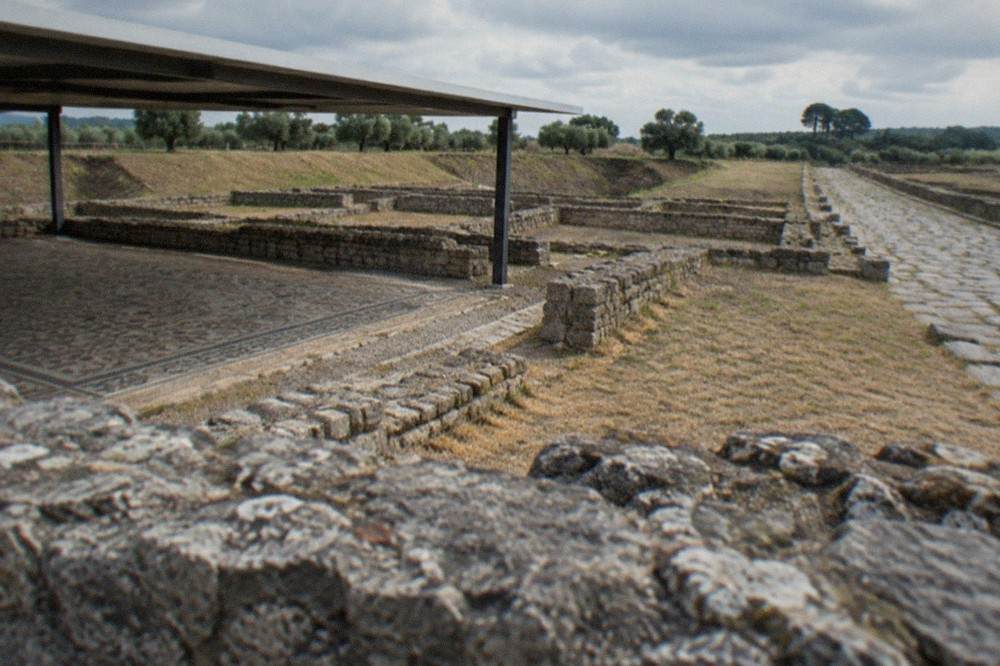
A private guide changes what the ruins give back. The stones at Conímbriga speak mostly through context, and a guide who knows the site can turn a field of walls into a town with streets, baths and a forum. The private tour option, from $93.66 per person, rated 4.7 from 34 reviews, is the desk's related pick for exactly that reason, and its live listing carries current availability.
Which Other Roman Sites Can You Reach from Coimbra?
Beyond Conímbriga and the city's own cryptoporticus, the Coimbra region offers further Roman-era ground covered by guided day trips, including a ruins-plus-caves combination tour that pairs Conímbriga with the caves of Sicó, from $87.81 per person, rated 5 from 32 reviews. This desk has not verified individual Roman sites outside the Coimbra area from official sources, so it names no others with figures attached; the honest list is the one this page can stand behind.
That restraint is deliberate. Portugal's Roman heritage is national, and other regions have sites of their own, but every figure on this site comes from a verified official source, and no number in this desk's research attaches to Roman remains beyond Conímbriga and the cryptoporticus. A guide that lists five ruins with invented opening hours is worse than one that lists two with correct ones.
What the region can genuinely offer is a themed day that reaches further. The combination tour above links the Roman ruins with the caves of Sicó in a single 4-hour trip, and the desk's hidden gems in Portugal page carries more of the less obvious regional picks. For the full sightseeing picture around the city, the attractions guide is the reference page.
Common Questions About Roman Ruins in Portugal
What are some famous Roman ruins in Portugal?
The most famous are at Conímbriga, a Roman town roughly 16 km south of Coimbra in the municipality of Condeixa-a-Nova, covered by a 10.00 EUR adult ticket that includes the museum and the ruins together. Inside Coimbra itself, a mid-1st-century Roman cryptoporticus survives beneath the Museu Nacional de Machado de Castro, which is currently closed for conservation work.
How much does Conímbriga cost to visit?
The adult ticket is 10.00 EUR, and one ticket covers the museum and the ruins together, per the national museum's own visiting page. The ticket office closes at 17:15, an hour before the site itself.
Is Conímbriga open on Mondays?
Yes. Conímbriga opens Monday to Sunday, 10:00 to 18:00, which makes it the reliable Monday option when other Portuguese monuments that close on Mondays are shut. It closes instead on 1 January, Easter Sunday, 1 May, 24 July and 25 December.
Where exactly is Conímbriga?
In the parish of Condeixa-a-Velha, in the municipality of Condeixa-a-Nova, roughly 16 km south of Coimbra. The site is not inside the city of Coimbra, and it is not on the coast; the district of Coimbra reaches the Atlantic, but this site lies inland to the south.
Can you see Roman remains inside Coimbra city?
Yes, but with a caveat. The mid-1st-century Roman cryptoporticus beneath the Museu Nacional de Machado Castro is real and part of the museum's route, yet the museum is currently closed for conservation work, its own page states, so check its status before planning around it.
Is a guided tour of the Conímbriga ruins worth it?
A private guided option runs about 3 hours from $93.66 per person, rated 4.7 from 34 reviews on the operator's live listing, and a group version, Conímbriga and the Roman Tour, runs about 4 hours from $105.37 per person, rated 4.8 from 136 reviews. The ruins reward context, so a guide adds real value for visitors who want more than a walk among the stones.
The Roman story of Portugal is at its most vivid an hour south of Coimbra, at Conímbriga, where the museum and the ruins share one ticket and open every day of the week; this page, like everything on Coimbra Travel Guide, publishes only what the official pages confirm.