Was Portugal Ever Part of the Roman Empire?
Yes, Portugal was part of the Roman Empire for centuries, and Coimbra sits on Roman foundations you can still visit, from the cryptoporticus under the Machado de Castro site to Conímbriga.
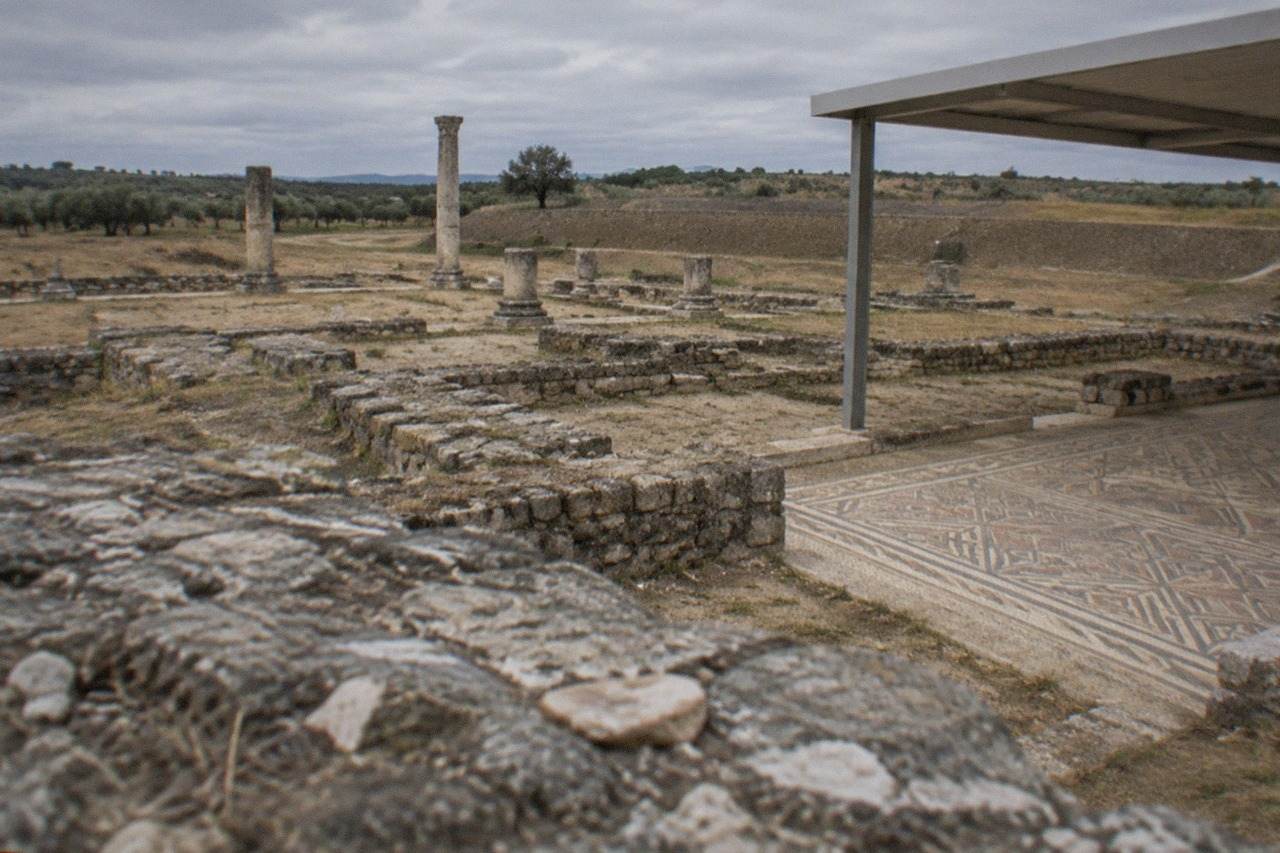
The land that is now Portugal lay inside the Roman Empire for centuries, and the university city of Coimbra, on the River Mondego in the Centro region of Portugal, is one of the best places in the country to see the proof. This page answers the question directly, then shows where the Roman past survives around Coimbra: the mid-1st-century Roman cryptoporticus beneath the Machado de Castro museum site, and the Roman town of Conímbriga about 16 km south, in the parish of Condeixa-a-Velha in the municipality of Condeixa-a-Nova. If you are planning a trip around Roman Portugal, this city is a sensible base, as the Coimbra Travel Guide attractions pages make clear.
Was Portugal Ever Part of the Roman Empire?
Yes, the territory that is today Portugal was part of the Roman Empire for centuries, long before a country called Portugal existed. The Romans built towns, roads, bridges and farms across the land, including the settlement at Conímbriga, which lies about 16 km south of Coimbra, and a large forum structure whose remains sit beneath the modern city itself, in the form of a mid-1st-century cryptoporticus under the Machado de Castro museum site.
Modern Portugal occupies the western edge of the Iberian Peninsula, and the empire controlled the whole peninsula. That means the answer is not a marginal yes: Roman engineering, Roman law and the Latin language shaped the region so deeply that Portuguese itself descends from the Latin the empire left behind. The name of the city carries the thread too. Coimbra's Roman predecessor was Aeminium, and the parish body that today runs the Sé Velha, the Old Cathedral, still uses the name Unidade Pastoral Aeminium, a living echo of the Roman town.
The evidence is not buried out of reach. Two of the most visitable Roman sites in the country sit within easy reach of the city centre, and one of them is underneath it. The question for a visitor is therefore not whether there is anything Roman to see, but how much of a day to give it.
What Was Roman Coimbra Called?
The Roman town on the site of today's Coimbra was called Aeminium, and the name survives into the present through the Unidade Pastoral Aeminium, the body that manages the Sé Velha, and through the Roman cryptoporticus of the mid-1st century that still exists beneath the Machado de Castro museum site. The larger Roman town of Conímbriga, about 16 km south in Condeixa-a-Velha, was the region's showpiece settlement.
Aeminium was a real functioning town, not a military outpost, and the cryptoporticus is the strongest visible proof. The museum built above it describes the structure as part of the city's Roman forum level, and the museum's own page confirms the cryptoporticus as part of the visit route. That is a remarkable thing for a visitor: you can stand in a modern European city and descend into a construction from the mid-1st century, within walking distance of the university hill.
Conímbriga played the bigger role in the region, and its ruins are the reason most Roman-focused travellers come this way. It is a Roman town, not a single monument, with house foundations, wall lines and a museum on one combined ticket. The geography matters and is often stated wrongly: Conímbriga is in the parish of Condeixa-a-Velha, in the municipality of Condeixa-a-Nova, roughly 16 km south of Coimbra. It is not inside the city, and it is not in the district's coastal zone.
For travellers who want the Roman story unpacked on the ground rather than from a signboard, a guided option exists. The Conimbriga and The Roman Tour runs about four hours from Coimbra and covers the ruins with a guide, and it is the related tour for this page.
A practical note on the museum side of the Roman story: the Museu Nacional de Machado de Castro is currently closed for conservation work, per its own page on the national museums portal, so the cryptoporticus is not visitable at the time of writing. Check the museum's status before you build an itinerary around it.
Where Can You See Roman Remains Around Coimbra?
The two main Roman sites connected to Coimbra are the cryptoporticus beneath the Machado de Castro museum site, currently inaccessible because the museum is closed for conservation work, and the ruins and museum of Conímbriga, which is open seven days a week from 10:00 to 18:00 with a 10.00 EUR adult ticket covering both museum and ruins together, and a ticket office that closes at 17:15.
Conímbriga is the practical anchor. It is open every day of the week, which makes it the reliable Monday option when other national monuments that close on Mondays are shut, and that detail alone is worth building a day around. The site closes on 1 January, Easter Sunday, 1 May, 24 July and 25 December, and the 24 July closure catches visitors out because it is not a national holiday.
| Site | Location | Status | Adult ticket |
|---|---|---|---|
| Conímbriga ruins and museum | Condeixa-a-Velha, about 16 km south of Coimbra | Open daily, 10:00 to 18:00 | 10.00 EUR, museum and ruins on one ticket |
| Machado de Castro cryptoporticus | Beneath the museum site in central Coimbra | Museum closed for conservation work | Not sold while closed |
| Sé Velha de Coimbra | Old town, Coimbra | Open on the parish schedule | 3.00 EUR individual |
The Sé Velha is not a Roman building, but it belongs on the list because it stands in the Aeminium footprint and is managed by the Unidade Pastoral Aeminium, the body whose name preserves the Roman one. Its individual ticket is 3.00 EUR per person, per the parish's own visitor page, with group tickets at 2.50 EUR for parties over ten.
Is Conímbriga Worth Visiting from Coimbra?
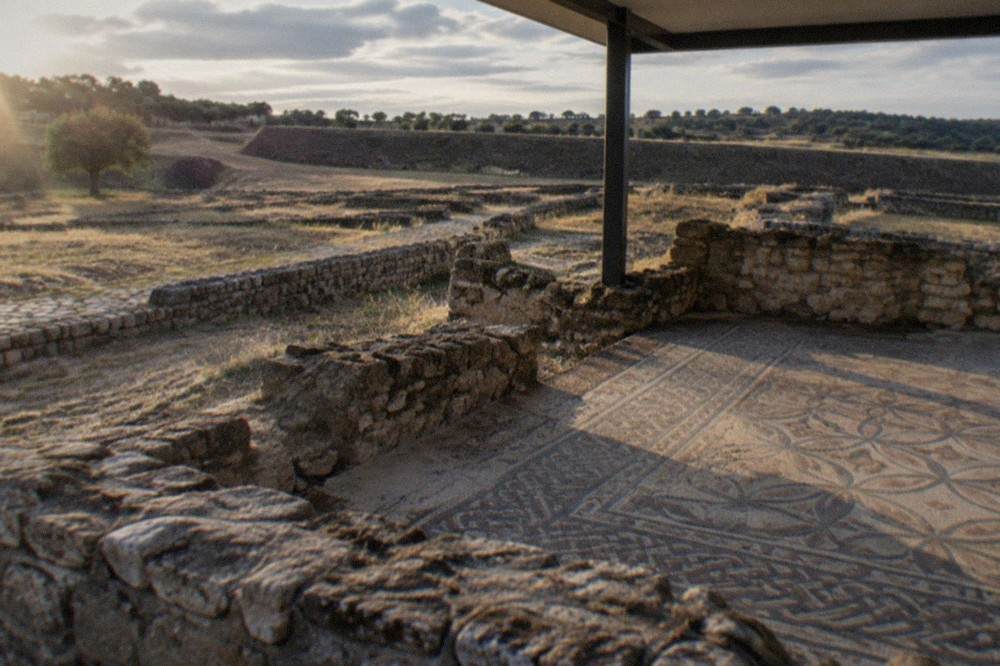
Conímbriga is worth visiting from Coimbra if you have any interest at all in the Roman Empire, because it is a full Roman town with substantial standing remains and an on-site museum, open seven days a week, on a single 10.00 EUR adult ticket, roughly 16 km south of the city in Condeixa-a-Velha. The dedicated tour from Coimbra runs about four hours and covers the site with a guide.
The honest way to answer this is with the site's own published facts rather than enthusiasm. The museum's own page states the hours, the combined ticket and the closure dates, and the fact that it opens on Mondays is a genuine differentiator in a region where several national monuments do not. A visitor with one full day in Coimbra can spend the morning on the university hill and the afternoon among Roman walls, and the distance makes that workable.
For the question of whether the ruins alone justify the trip, the honest comparison is with what else the region offers, which the day trips from Coimbra guide sets out in full. Conímbriga is the strongest Roman option and one of the strongest half-day options of any kind.
How Deep Does the Roman Legacy Run in Coimbra?
The Roman legacy in Coimbra runs deeper than most visitors expect: the city's own name descends from its Roman-era identity as Aeminium, the language spoken in its cafés descends from Latin, the mid-1st-century cryptoporticus still physically exists under the Machado de Castro site, and the region's largest Roman town, Conímbriga, sits about 16 km south. This is a legacy you can stand inside, not just read about.
Consider the chain of evidence a visitor can touch in a single day. Start with the name Aeminium, preserved in the parish body that runs the Old Cathedral. Then the cryptoporticus, a forum-level construction from the mid-1st century, described by the museum above it as part of its visit route. Then Conímbriga, where the walls and house plans are standing rather than reconstructed. The Latin thread continues into Portuguese itself, which is a Romance language, meaning it descends from the Latin the empire brought to the peninsula.
That linguistic point is worth pausing on, because it changes how you read the city. When you see street names and church names around Coimbra, you are reading the long afterlife of Roman administration. The empire did not just occupy this land; its language stayed and became the language of the nation that eventually formed here.
For visitors deciding how much of the city's layered history to prioritise, the what to see in Coimbra guide ranks the headline sights, and the Roman layer is a strong thread through them.
How Does Roman Coimbra Compare with Other Roman Sites in Portugal?
Roman Coimbra compares well with other Roman sites in Portugal because the region offers both an urban Roman layer, the Aeminium cryptoporticus, and a full Roman town, Conímbriga, within about 16 km of each other, with Conímbriga open daily on a 10.00 EUR combined ticket. Few other Portuguese destinations pair a standing Roman town with a Roman structure beneath a living city centre the way this one does.
The comparison is best made on practical terms rather than superlatives, because no verified national ranking of Roman sites exists and this site does not invent one. What can be said from the published facts is that Conímbriga's daily opening and single combined ticket make it one of the easiest major Roman sites to plan around, and that the cryptoporticus, once the museum above it reopens, gives Coimbra a Roman interior inside the modern city.
| Practical factor | Conímbriga | Machado de Castro cryptoporticus |
|---|---|---|
| Open days | Monday to Sunday | Closed with the museum for conservation work |
| Hours | 10:00 to 18:00, ticket office to 17:15 | Not currently visitable |
| Adult ticket | 10.00 EUR, museum and ruins together | Not sold while closed |
| Distance from Coimbra centre | About 16 km, in Condeixa-a-Velha | Under the city centre |
| Annual closures | 1 January, Easter Sunday, 1 May, 24 July, 25 December | Reopening date not published |
The takeaway for planning: build the Roman day around Conímbriga, which is open, and treat the cryptoporticus as a future addition to check before a return trip. The is Conímbriga worth visiting page goes deeper on that single question.
How do You Plan a Roman Coimbra Day?
Plan a Roman Coimbra day by booking Conímbriga as the anchor: it is open seven days a week from 10:00 to 18:00, costs 10.00 EUR for an adult combined ticket, and sits about 16 km south of the city, so a half day covers it comfortably. Add the Sé Velha at 3.00 EUR in the old town, and check the Machado de Castro reopening status before assuming the cryptoporticus is available.
The sequence that works is old town first, ruins second. The Sé Velha's summer visiting hours run 09:30 to 18:30 and winter hours 09:30 to 17:30, per the parish's own page, so it fits a morning. Conímbriga's ticket office closes at 17:15, which sets the latest workable start for the drive south. Remember the two odd closures if your dates are fixed: 24 July at Conímbriga, and the museum closure in the city centre.
For travellers who prefer a guide to a signboard, the four-hour Conimbriga and The Roman Tour is the dedicated option, and the guided tours of Coimbra page lists the wider field including free GuruWalk tours of the city centre, where a local guru walks you through the history on a pay-what-you-want basis.
Common Questions About Roman Portugal and Coimbra
Was Portugal ever part of the Roman Empire?
Yes. The territory that is now Portugal lay inside the Roman Empire for centuries before Portugal existed as a country, and the evidence is still visible around Coimbra, from the mid-1st-century cryptoporticus under the Machado de Castro site to the Roman town of Conímbriga about 16 km south.
What was the Roman name for Coimbra?
The Roman town on the site of modern Coimbra was Aeminium. The name survives today in the Unidade Pastoral Aeminium, the body that manages the Sé Velha, and the Roman layer survives physically in the cryptoporticus beneath the Machado de Castro museum site.
How much does Conímbriga cost to visit?
The adult ticket is 10.00 EUR and covers the museum and the ruins together on one ticket, per the site's own page. It is open Monday to Sunday, 10:00 to 18:00, with the ticket office closing at 17:15, and it closes on 1 January, Easter Sunday, 1 May, 24 July and 25 December.
Where exactly is Conímbriga?
Conímbriga is in the parish of Condeixa-a-Velha, in the municipality of Condeixa-a-Nova, roughly 16 km south of Coimbra. It is not inside the city of Coimbra, and it is not in the coastal part of the district, which reaches the Atlantic.
Can you see Roman remains inside Coimbra itself?
Yes, but with a caveat. The mid-1st-century Roman cryptoporticus sits beneath the Machado de Castro museum site in the city centre, but the museum is currently closed for conservation work, so check its status before planning around it. Conímbriga, by contrast, is open daily.
Is Conímbriga open on Mondays?
Yes. Conímbriga is open Monday to Sunday, which makes it the reliable Monday option when other national monuments that close on Mondays are shut. That daily opening is one of its strongest practical advantages.
The Roman Empire left Portugal its language, its roads and its stones, and Coimbra is where all three are easiest to see in a single short trip.