Where Is the Most Beautiful City in Portugal?
The most beautiful city in Portugal, argued from verified facts: Coimbra, the university city on the River Mondego, its Joanina Library, Sé Velha, Santa Cruz and the IPMA climate record.
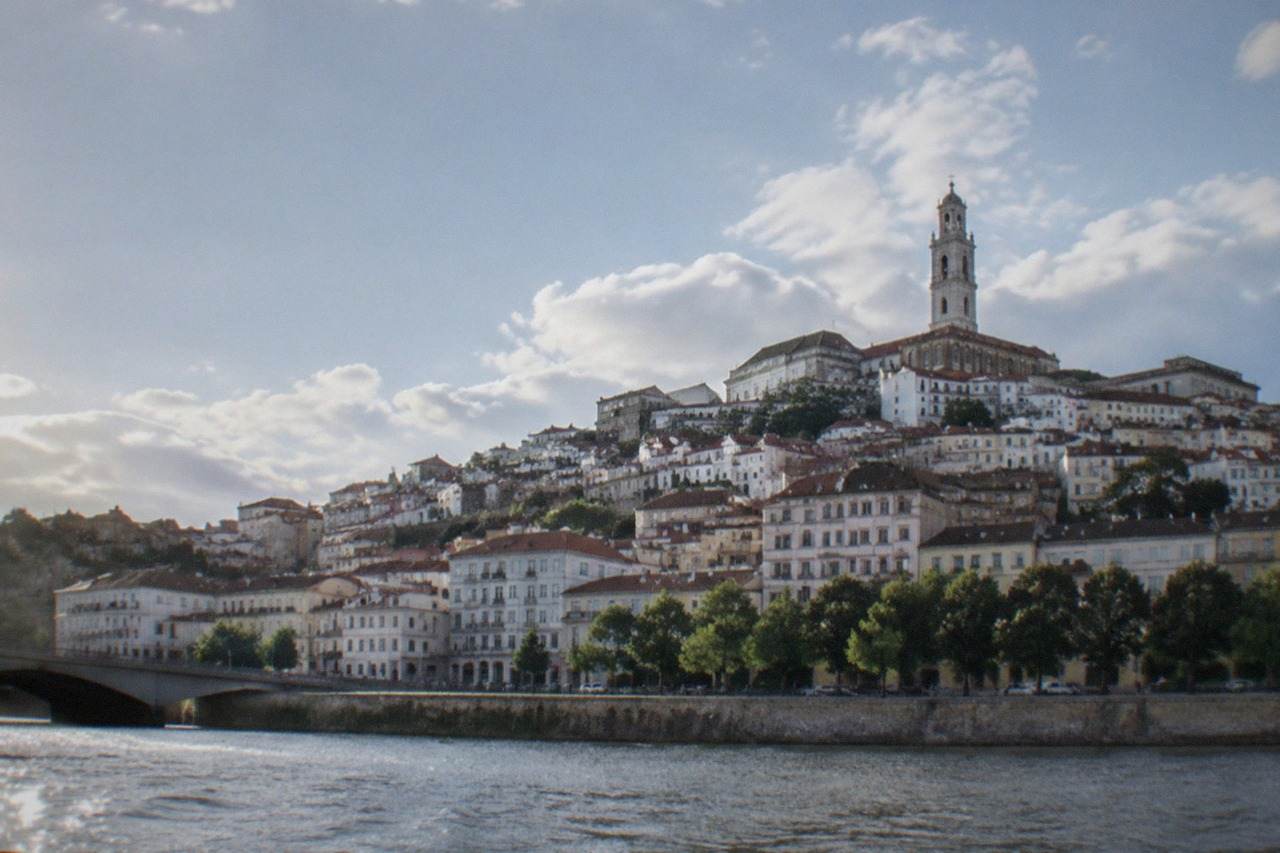
Beauty contests between cities are usually settled by taste, and taste is not checkable. Coimbra, Portugal, the university city on the River Mondego, is the answer this site will argue for, and it will argue from verified facts rather than adjectives: a UNESCO-inscribed university hill, a baroque library that admits 50 people every 20 minutes, two cathedrals facing each other across eight centuries, and an official climate record that gives the city long, warm, dry shoulder seasons. Nothing here is a ranking published by a tourism board, because no such ranking exists. It is a case, and the evidence is real.
Where Is the Most Beautiful City in Portugal?
The most beautiful city in Portugal is Coimbra, the university city on the River Mondego in the Centro region, if the measure is a compact, walkable old town crowned by a UNESCO-inscribed university. The University of Coimbra, Alta and Sofia, joined the World Heritage List in 2013 under criteria (ii), (iv) and (vi), and its Joanina Library admits just 50 people every 20 minutes.
No other Portuguese city pairs that ensemble with two cathedrals, a burial church of the first two kings, and a river running directly beneath the hill.
That is the honest shape of the claim. "Most beautiful" is not a statistic, and anyone who tells you a body measured it is inventing the body. What can be said precisely is what Coimbra has, and how unusually dense it is. The UNESCO property, list reference 1387, covers two components inside the old town: the Alta, the university hill with the Royal Palace of Alcáçova, the Capela de São Miguel and the Joanina Library, and the Sofia, the college street below it. The city as a whole is not inscribed, and this site will not pretend otherwise.
The density is the argument. From the Paço das Escolas terrace at the top of the hill you look down over tiled roofs to the Mondego, and the walk from that terrace to the riverbank passes the Sé Velha, the Arco de Almedina and the Baixa in a single descent. The University's own published figures put about 31,000 students in the city, which is why the place sounds the way it does: the bells, the fado that is sung in the student tradition, the black capes of the Repúblicas. Readers who want the full case can start with why Coimbra is famous and what not to miss in Coimbra.
What Makes Coimbra, Portugal So Visually Striking?
Coimbra is visually striking because the entire historic ensemble is stacked on one hillside above a river, so the city reveals itself in layers: the Paço das Escolas and its terrace at the top, the Sé Velha and the Sé Nova on the middle slopes, the medieval streets of the Baixa at the bottom, and the Mondego and the Santa Clara district across the water. The Biblioteca Joanina, the baroque library at the summit, admits only 50 people every 20 minutes.
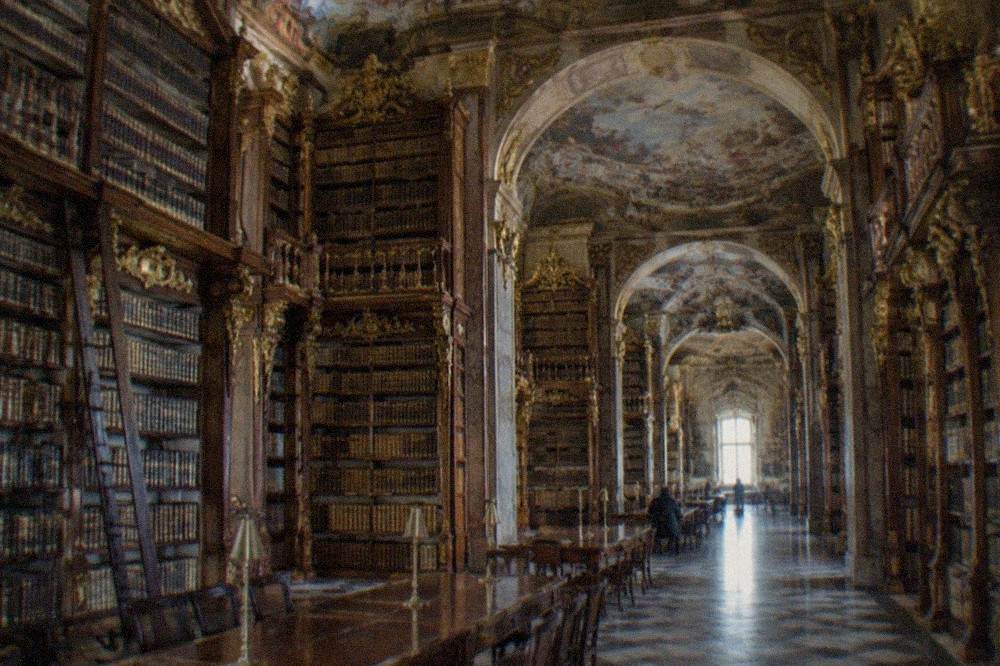
The Joanina is the anchor. It cannot be bought on its own: it exists only inside the University's 16.50 EUR combined ticket, which also covers the Royal Palace, the Capela de São Miguel, the Chemistry Laboratory, the Academic Museum, the Cabinet of Curiosities and the Mineral Gallery, and which the University stamps as valid for two days except the fixed Joanina slot. The time printed on the ticket is the library slot specifically, and entry outside that slot is refused. That scarcity is genuine, and it is why the library feels hushed even in August: the University itself caps the flow of people through the door.
Below the hill, the two cathedrals do something few cities manage. The Sé Velha, the Old Cathedral, is a Romanesque fortress-church charging 3.00 EUR for an individual visit; the Sé Nova, its Renaissance successor, stands a few streets away. The Mosteiro de Santa Cruz, charging 5.00 EUR, holds the tombs of Portugal's first two kings. And the ensemble keeps going: the Aqueduto de São Sebastião, the Penedo da Saudade garden, the Botanical Garden. For the library's place in the national pantheon, see which library in Portugal is considered the most beautiful.
The three tours above cover the three registers of the city. The university tour handles the hill and the Joanina slot. The budget walking tour covers the Baixa and the two cathedrals over two and a half hours. The canyoning trip on the river Ceira is the reminder that the beauty does not stop at the city boundary: the Serra da Lousã and its schist villages sit close enough for a half-day.
What Are the Most Beautiful Places to See in Coimbra?
The most beautiful places to see in Coimbra are the Biblioteca Joanina and the Paço das Escolas terrace, the Sé Velha de Coimbra, the Mosteiro de Santa Cruz with the tombs of Portugal's first two kings, the Capela de São Miguel, and the Botanical Garden, with the Roman ruins of Conímbriga about 16 km south in Condeixa-a-Nova as the strongest excursion. The University's 16.50 EUR combined ticket covers the hilltop ensemble, and the ticket is valid for two days.
Here is what the verified prices and hours look like, so the beauty can be planned rather than gawked at:
| Site | Adult entry | What the ticket covers |
|---|---|---|
| University of Coimbra combined ticket | 16.50 EUR | Joanina Library timed slot, Royal Palace, Capela de São Miguel, Chemistry Laboratory, Academic Museum, Cabinet of Curiosities, Mineral Gallery; valid 2 days |
| University without the Joanina | 12.50 EUR | Same spaces except the library |
| Sé Velha de Coimbra | 3.00 EUR | The Romanesque Old Cathedral and its cloister |
| Mosteiro de Santa Cruz | 5.00 EUR | Sacristy, cloister and the tombs of the first two kings |
| Museu Nacional de Conímbriga | 10.00 EUR | Museum and Roman ruins together, open daily 10:00 to 18:00 |
Two warnings belong next to that table. The Museu Nacional de Machado de Castro, the national museum built above a mid-1st-century Roman cryptoporticus, is closed for conservation work, so do not build a day around it. And the Torre da Universidade, the clock tower that defines the skyline in every photograph, is closed to visitors: the University's own information page states the facility is closed, so the tower is something to look at, not climb.
The Joanina's 50-per-20-minutes ceiling is the one piece of genuine scarcity in Coimbra, and it is why a guided tour with tickets included is worth considering: the operator handles the slot, and the group of eight keeps the visit small. Check availability on the operator's live listing before locking your dates, because summer slots sell out.
When Is Coimbra at Its Most Beautiful?
Coimbra is at its most beautiful in September, when the mean maximum temperature is 27.4 C, higher than June's 26.3 C, and rainfall is still only 49.9 mm, and again in late spring, when May averages 23.3 C and 64.7 mm of rain. The autumn rain holds off until October, when the monthly total jumps to 114.5 mm, and November is the wettest month at 121.5 mm. These are IPMA's 1991 to 2020 normals for the Coimbra / Bencanta station, not impressions.
The full picture from the official table:
| Month | Mean max C | Mean min C | Rain mm | Days with 1 mm+ rain |
|---|---|---|---|---|
| May | 23.3 | 11.8 | 64.7 | 8.5 |
| June | 26.3 | 14.2 | 26.0 | 3.7 |
| July | 28.5 | 15.6 | 8.9 | 1.7 |
| August | 29.1 | 15.7 | 14.8 | 2.2 |
| September | 27.4 | 14.1 | 49.9 | 5.2 |
| October | 23.2 | 11.9 | 114.5 | 10.3 |
| November | 18.0 | 8.3 | 121.5 | 11.5 |
Read the table the way the station recorded it. September is hotter than June and wetter than June, both at once, and any guide telling you September is drier than June has it backwards. August, not July, is the hottest month, averaging 10.9 days above 30 C. July at 8.9 mm of rain is effectively dry. The record extremes at the same station are 41.2 C on 7 August 2016 and -4.3 C on 20 January 2017, which tells you the city can swing hard at both ends.
One more calendar fact worth planning around: the University closes its visitor circuit on 24 May, and the Mosteiro de Santa Cruz suspends visits on the Cortejo da Queima das Fitas, a moveable Sunday. Both closures trace back to the same student festival that fills the city each May. If beauty is your goal, late May is vivid but disrupted; September is the quieter masterpiece.
How Does Coimbra Compare with Other Beautiful Portuguese Cities?
Coimbra cannot be declared the most beautiful city in Portugal by measurement, because no verified ranking of Portuguese cities by beauty exists, and this site verified facts for Coimbra and Conímbriga only. What can be said is what each contender is: Porto is the Atlantic port city on the Douro, Lisbon is the capital on the Tagus, and Coimbra is the university city on the Mondego, the only one whose historic core is a working university of about 31,000 students.
That last clause is the honest differentiator, and it needs no ranking to carry weight. Coimbra's beauty is not a preserved stage set: the hill is a campus. The Repúblicas, the student houses, the black capes, the fado sung only by men in the Coimbra style, all of it runs on the University's continued existence, and the University publishes its own numbers: about 31,000 students, 434 courses, a botanic garden, two museums, 22 libraries. No other candidate city in this comparison has that as its core fact, and this site will not invent visitor counts, prices or rankings for them to pretend otherwise.
For readers weighing the alternatives on their own terms, this site's answer pages cover is Coimbra in Portugal worth visiting, is Coimbra a walkable city and what is the most underrated city in Portugal. The walkable-city question matters more than any beauty verdict, because the hill is steep and the reward is proportional.
Between those three options, the university tour is the one that answers this page's question directly: it puts a guide who knows the Paço das Escolas, the chapel and the Joanina slot in front of a group of eight, tickets included, for ninety minutes on the hill that the whole argument rests on.
Whichever way you decide the beauty contest, the practical advice is the same: book the Joanina slot early, give the hill a full morning before the August heat, and let the descent to the Mondego happen slowly, because that walk, terrace to riverbank, is the argument this whole page has been making.
Common Questions About the Most Beautiful City in Portugal
Where is the most beautiful city in Portugal?
Coimbra, the university city on the River Mondego in the Centro region, is the strongest candidate, though no official ranking exists. Its old town is crowned by the UNESCO-inscribed University of Coimbra, Alta and Sofia, added to the World Heritage List in 2013, and its hillside ensemble runs from the Joanina Library down to the river in one continuous walk.
Is Coimbra a UNESCO World Heritage city?
No, and this is the most common error in guides to the city. UNESCO inscribed "University of Coimbra, Alta and Sofia", list reference 1387, in 2013: two components inside the old town, the university hill and the college street. The city as a whole, the Baixa and the riverside are not part of the inscription.
What is the most beautiful building in Coimbra?
The Biblioteca Joanina, the baroque library inside the University's Paço das Escolas, is the usual answer. It admits 50 people every 20 minutes, can only be visited on the 16.50 EUR combined ticket, and the time printed on that ticket is the fixed library slot.
When should I visit Coimbra for the best weather?
September, according to IPMA's 1991 to 2020 normals for the Coimbra / Bencanta station: a mean maximum of 27.4 C, higher than June's, with only 49.9 mm of rain. The heavy autumn rain holds off until October, when the monthly total jumps to 114.5 mm.
Is Coimbra expensive to visit?
The core sights are modest: the University's combined ticket is 16.50 EUR, the Sé Velha charges 3.00 EUR and the Mosteiro de Santa Cruz 5.00 EUR. The tourist tax is 1.00 EUR per guest per night, capped at three nights, payable at the accommodation.
How many days do I need in Coimbra?
Two days is the natural fit, because the University's combined ticket is itself valid for two days. One day covers the hill, the Sé Velha and the Baixa; a second allows the Botanical Garden, Santa Cruz and a slower look at the riverfront.
The case for Coimbra rests on what can be checked, and everything on this page can be: the inscription, the ticket, the slot ceiling, the climate table, the tax. Beauty is the verdict; the facts are the evidence, and this Coimbra Travel Guide exists to keep the two straight.