What Are the Top 3 Places to Visit in Portugal?
An honest answer to the question of Portugal's top three places, built on verified figures, and the case for why Coimbra, the university city on the River Mondego, belongs on every shortlist.
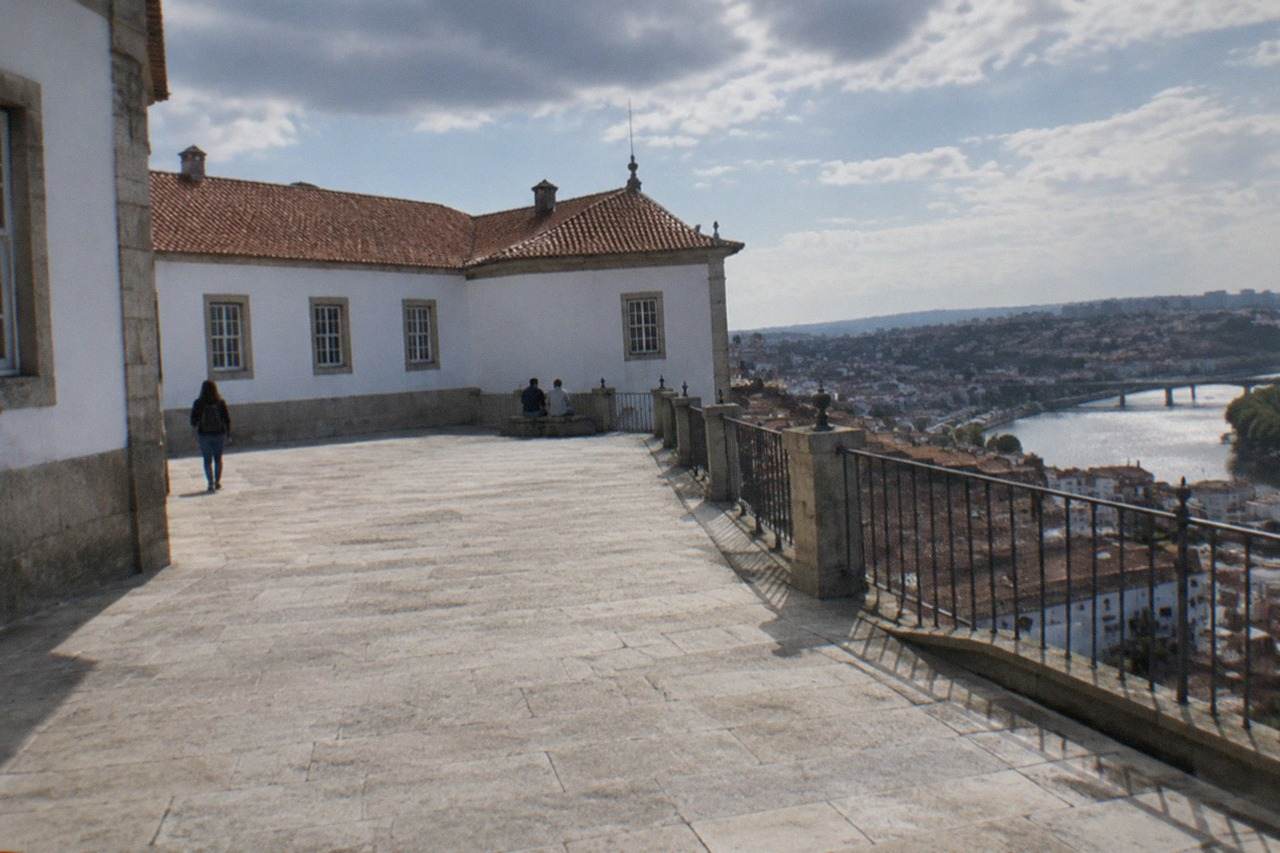
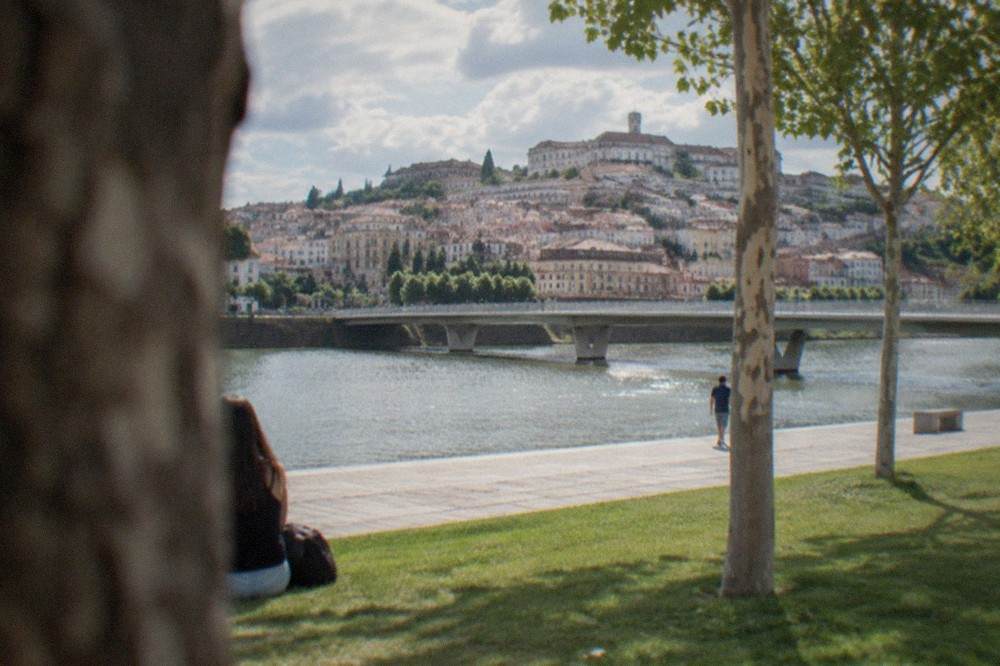
Coimbra, Portugal, the university city on the River Mondego, is the place this site can actually document, and it is the place most shortlists of the country's top three destinations either skip or get wrong. The question of Portugal's best three places is asked constantly and answered constantly, almost always without a single source behind the ordering. This page takes a different route. It says plainly that no measured national ranking exists, then builds a defensible shortlist from what official sources do publish: the University of Coimbra's own ticketing pages, the municipality's 2025 tourism figures, the national climate record, and the UNESCO inscription itself, which is narrower than almost every guide claims.
What Are the Top 3 Places to Visit in Portugal?
No official top three exists, and any page presenting one as a measured ranking is inventing it. Neither Turismo de Portugal nor any national body publishes an ordered list, and this build verified figures for Coimbra and Conímbriga only.
What the sources do support is that the trio most often named in travel coverage is Lisbon, Porto and Coimbra, and that Coimbra's case is the strongest documented one here: a UNESCO-inscribed university hill, a baroque library admitting 50 people every 20 minutes, and 698,151 overnight stays recorded by its municipality in 2025.
That answer is deliberately narrower than the question deserves, and that is the point. A reader who wants the "top 3" wants a decision, and the honest decision framework is by trip type, not by a fake podium. City breaks, beach weeks, Roman history and pilgrimage routes pull toward different places, and no single ordering serves all four.
What the framework can do is rank by evidence. On that measure Coimbra is unusually well documented, which is why the rest of this page builds its case from primary sources rather than adjectives. For a broader comparison of the cities most often named together, the companion page on the top 3 cities to visit in Portugal works through the same question at city level, and what is special about Coimbra covers the city's distinct character in detail.
Why Coimbra Belongs on Any Portugal Shortlist
Coimbra's case rests on three verified pillars. The University of Coimbra's hill and the Rua da Sofia colleges were inscribed by UNESCO in 2013 as "University of Coimbra – Alta and Sofia", list reference 1387, covering two components of the old town, not the whole city. The University publishes about 31,000 students on its own numbers page. And the Biblioteca Joanina admits 50 people every 20 minutes, sold only inside the 16.50 EUR combined ticket, making it the country's most genuinely scarce sight.
Start with the UNESCO point, because it is where nearly every guide fails. The inscription is real and it is narrow. The property is the university hill, the Alta, and the college street, the Sofia, two components inside the old town. The Baixa, the riverside and the newer districts are not inscribed. A guide that calls Coimbra "a UNESCO World Heritage city" is stating something the listing does not say, and a reader who repeats it is misinformed. The listing itself names the Royal Palace of Alcáçova, St Michael's Chapel, the Joanine Library and a string of colleges, managed by an association the listing calls RUAS, founded by the University, the City Hall and cultural bodies.
The scarcity point matters more than the architecture. The University's own visit page states the rule in its own words: entries to the Joanina building are limited to 50 people every 20 minutes. The time printed on the ticket is the library slot specifically, entry outside the slot is refused, and the rest of the combined ticket stays valid for two days. Online purchase closes 20 minutes before the visit time. This is the one honest scarcity fact on this site, and it is the reason a Coimbra trip needs a booked slot before it needs anything else.
The ticket structure, from the University's own price list, is worth knowing before booking anything:
| Ticket (adult, 2026 season) | Price | What it covers |
|---|---|---|
| Joanina Library + University + Science Museum | 16.50 EUR | Baroque Library, Royal Palace, St Michael's Chapel, Chemistry Laboratory, Academic Museum, Cabinet of Curiosities, Mineral Gallery |
| University + Science Museum | 12.50 EUR | The same list without the Joanina Library |
| Guided tour, Palace of Schools | 25.00 EUR | Guide-led visit, Science Museum spaces not included |
The university's own information page also notes closures for academic and religious ceremonies, including 24 May, and the tower is closed: the page states plainly that the facility is shut, and no climb should be planned. The 184 steps and narrow passage are mentioned there as description, not as an offer.
For readers deciding how Coimbra compares with the other university-city candidates, the top 3 universities in Portugal addresses that question directly, and why Coimbra is famous covers the traditions behind the student presence.
How to See Coimbra Without Rushing
A well-sourced visit needs at least two days, because the combined university ticket is valid for two days and the Joanina slot is fixed at one printed time. The core sights sit on one hill and one riverside: the Paço das Escolas at the top, the Sé Velha at 3.00 EUR per person, Mosteiro de Santa Cruz at 5.00 EUR, and the Mondego below, with Conímbriga's Roman ruins about 16 km south as the strongest half-day excursion.
The two-day ticket is the structural fact most itineraries ignore. Because the Joanina slot is fixed and everything else is valid for two days, the efficient shape is a slot on day one and the remaining spaces, the chapel, the palace rooms, the science collections, on day two at leisure. The Sé Velha's own parish pages give summer hours of 09:30 to 18:30 and winter hours of 09:30 to 17:30, and Santa Cruz runs 09:30 to 16:30, so the cathedral and monastery fit naturally into a morning before the university slot. Everything else covered here is indexed on Coimbra Travel Guide.
The climate record, IPMA's 1991 to 2020 normals for the Coimbra / Bencanta station, the city's own station 3 km from the centre, supports the timing advice. August is the hottest month, not July, averaging 10.9 days above 30 C. November is the wettest at 121.5 mm, marginally ahead of October and January, and July at 8.9 mm is effectively dry. The rain holds off until October, when the monthly total jumps from 49.9 mm to 114.5 mm, so the shoulder months reward a visit that summer crowds do not. September is the smart month: its mean maximum of 27.4 C is higher than June's 26.3 C, with only 49.9 mm of rain.
A guided walk is the efficient way to absorb the hill and the Baixa in one pass, and the strongest all-round option is a 3 to 4 hour city walk covering the charms and places of Coimbra, rated 5 from 79 reviews on its listing. Deeper planning help sits on the three-day itinerary, which sequences exactly these sights.
The booking question for that walk is a simple one. The listing carries its current price and availability, the operator runs small groups, and free cancellation terms are shown on the listing before payment, so there is no reason to leave it to the arrival day.
What Else Deserves a Place Around Coimbra
The strongest documented excursions from Coimbra are Conímbriga, the Roman town about 16 km south in the parish of Condeixa-a-Velha in the municipality of Condeixa-a-Nova, where a 10.00 EUR adult ticket covers the museum and the ruins together, open daily 10:00 to 18:00; the schist villages of the Lousã mountain; and the forest and palace of Buçaco. Conímbriga is the reliable Monday option, because it opens seven days a week.
Conímbriga's practical details come from the national museums portal, and its geography is the detail writers most often mangle. The site is not in Coimbra the municipality at all. It sits in Condeixa-a-Velha, in the municipality of Condeixa-a-Nova, roughly 16 km south, and the museum's own address page says so. The single 10.00 EUR ticket covers both museum and ruins, the ticket office closes at 17:15, and the closure list runs 1 January, Easter Sunday, 1 May, 24 July and 25 December. The question of whether it is worth the trip has its own full treatment on is Conímbriga worth visiting.
The Lousã mountain options are unusually strong for a mid-size city. The roster carries several: a private four-hour tour of the mountain rated 5 from 88 reviews, a half-day adventure through the schist villages rated 5 from 105 reviews, and a soft canyoning trip on the river Ceira rated 4.9 from 79 reviews. These are day trips, not city sights, and they give Coimbra a second dimension that pure city-break destinations cannot match: a morning in a baroque library and an afternoon in a mountain village, in one base.
The comparison shoppers should note what this page cannot honestly do. No verified figures exist in this build for Porto, Lisbon, Braga, Aveiro, Évora, Tomar, Óbidos, Nazaré or Fátima, so no population, price, journey time or ranking is printed for any of them. What can be compared is what a place is, and Coimbra is a university city with a Roman site 16 km away and a mountain range beyond it, which is a range of experiences out of proportion to its size.
Common Questions About Visiting Portugal's Top Places
What are the top 3 places to visit in Portugal?
No official ranking exists, and none should be presented as measured. The trio most often named in travel coverage is Lisbon, Porto and Coimbra, and Coimbra's case is the one this site can document from primary sources: the 2013 UNESCO inscription of the university hill and Rua da Sofia, the Biblioteca Joanina's 50 people per 20 minutes rule, and the municipality's own figure of 698,151 overnight stays in 2025.
Is Coimbra really worth including over bigger cities?
The verified record says yes for most trip types. The University publishes about 31,000 students, the combined ticket at 16.50 EUR covers the Joanina Library, Royal Palace and St Michael's Chapel, and the city's sights sit within walking distance of each other. The full argument is on the companion page is Coimbra worth visiting.
How many days does Coimbra need?
Two days is the documented minimum, because the university's combined ticket is valid for two days while the Joanina slot is fixed at one printed time. Conímbriga adds a half day, and the Lousã mountain villages add a full one.
Does Coimbra charge a tourist tax?
Yes. The municipality's own service page lists 1.00 EUR per guest per overnight stay, capped at three consecutive nights, from age 16, paid to the accommodation at check-in or check-out. A rise to 2.00 EUR was approved as a proposal in July 2026, but the published rate remains one euro until the municipality's own tax pages change it.
What is the single most important thing to book ahead in Coimbra?
The Biblioteca Joanina slot. The University limits entries to 50 people every 20 minutes, the library cannot be bought on its own, and entry outside the printed slot is refused. Online purchase closes 20 minutes before the visit time.
The honest summary is that Portugal's "top 3" is a question each traveller answers by trip type, and the evidence assembled here says Coimbra, Portugal, the university city on the River Mondego, earns its place on any shortlist that also includes the country's better-known cities, with the 16.50 EUR university ticket, the 50-per-20-minutes library ceiling and the 10.00 EUR Roman ruins 16 km south all documented from the official sources that publish them.