What Are the Don'ts of Portugal?
The mistakes visitors make in Coimbra, Portugal, and how to avoid them: the closed sights, the Joanina Library slot rule, the tourist tax, the weather and the UNESCO error.
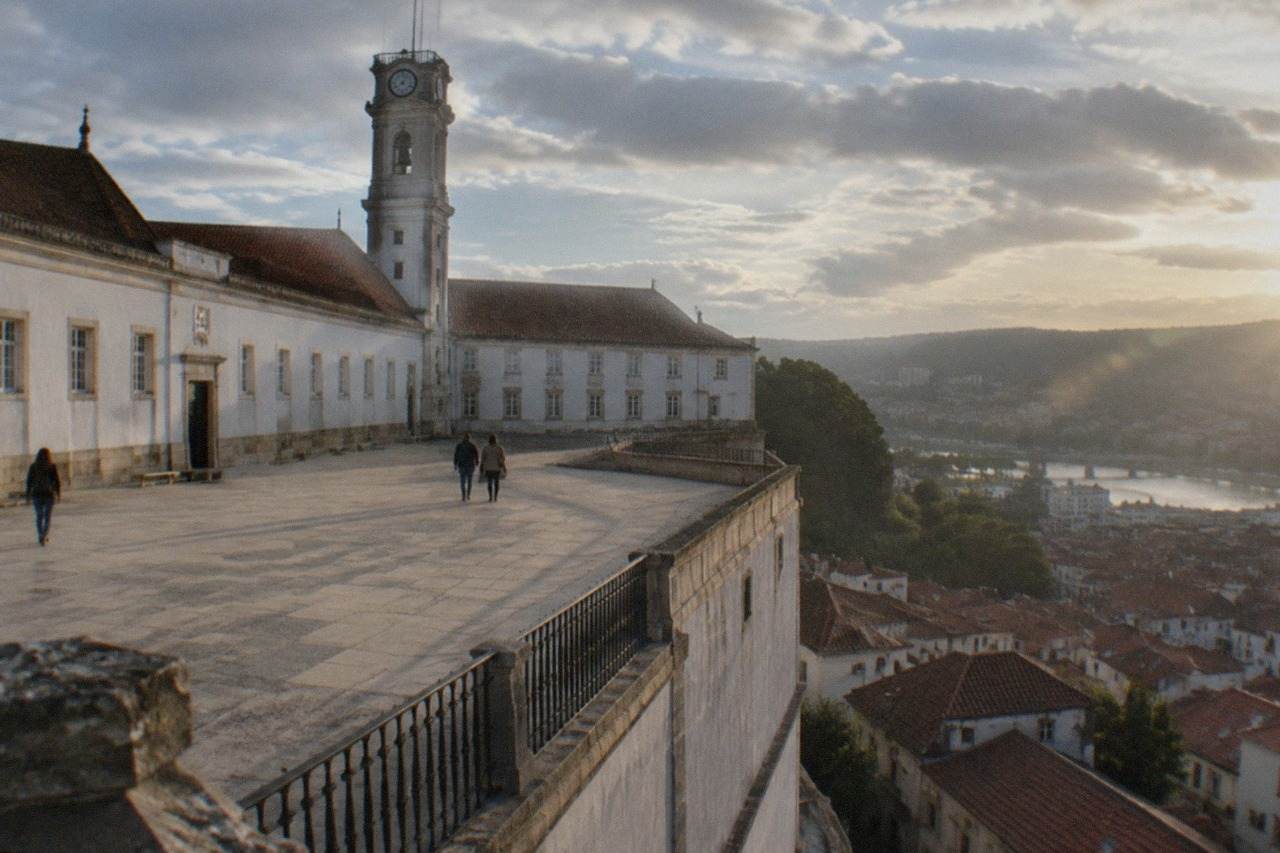
Coimbra, Portugal, the university city on the River Mondego, is a compact place where a handful of avoidable mistakes cost visitors real time and real money. The city's most famous interior, the Biblioteca Joanina, turns away anyone without a pre-booked slot. Three well-known sights are closed for works and appear in countless itineraries that were written before they shut. The municipal tourist tax is one euro, not two, and a surprising number of guides print the wrong figure. And the single most repeated claim about the city, that it is a UNESCO World Heritage city, is false. This page lists the don'ts, with the verified figures behind each one.
What Are the Don'ts of Portugal?
The main don'ts for visitors to Coimbra, Portugal are: don't turn up at the Biblioteca Joanina without a pre-booked timed slot, don't plan around the three sights currently closed for works, don't pay a two-euro tourist tax that does not exist yet, don't call the city UNESCO World Heritage when only the university and Rua da Sofia are inscribed, and don't assume the district's coast belongs to the city. Each of these errors appears in published guides to Coimbra, and each one is checkable against an official source. The sections below take them in order, with the numbers that settle them.
The first thing to understand is that Coimbra is three different places: a city, a municipality (concelho) and a district. The district reaches the Atlantic and contains Figueira da Foz; the city does not touch the sea and has no beach. Any figure a guide quotes about "Coimbra" needs to say which of the three it means, and this page only ever uses city and municipality figures. The University publishes about 31,000 students on its own "University in Numbers" block, which gives a sense of scale: this is a mid-sized, walkable university town, not a resort city.
Don't Turn Up at the Biblioteca Joanina Without a Slot
The Biblioteca Joanina admits 50 people every 20 minutes, cannot be bought on its own, and is sold only inside the 16.50 EUR combined ticket, where the time printed on the ticket is the library entry slot itself, and entry outside that slot is refused outright. The University's own program page states the 50-per-20-minutes limit verbatim, and it also states that visits outside the stipulated time are not admitted. Online purchase closes 20 minutes before the visit time, and counter purchase depends on slot availability. A visitor who arrives in summer without a slot can be turned away at the door.
This is the single most useful practical fact about visiting Coimbra, and it is the one most itineraries skip. The rest of the combined ticket, the Royal Palace, St Michael's Chapel, the Chemistry Laboratory, the Academic Museum, the Cabinet of Curiosities and the Mineral Gallery, is valid for two days, so there is no need to rush those spaces. The Joanina slot alone is fixed. Book it for the time you actually want, not the time the site happens to offer first, because there is no flexing it on arrival.
A guided tour removes most of this friction, because the operator handles the timed entry. The University Plus City Combo, a 2 to 3 hour guided walk of the university and the old town, is one option; it runs from $84.29 per person and is rated 4.9 from 399 reviews on the operator's live listing.
The cheaper alternative is the Budget Walk, Top Attractions option, a 2 hour 30 minute walking tour from $5.85 per person, rated 5 from 151 reviews, which covers the old town without entering the paid university circuit. Either way, the Joanina slot decision belongs to whoever books the ticket, and it should be made in advance.
Don't Plan Around the Three Sights That Are Closed
Three major Coimbra sights are closed and must not be given hours, a price or a place in a day plan: the Museu Nacional de Machado de Castro, closed for conservation work; the Torre da Universidade, which the University's own page states is closed; and the Mosteiro de Santa Clara-a-Velha, which has no page at all on the national museums portal. The Machado de Castro trap is the nastiest, because its own official page prints a normal-looking opening hours table directly below the closure line. The tower trap is similar: the University's page notes the 184 steps and then states the facility is closed. Santa Clara-a-Velha has been closed for requalification works since October 2025.
| Sight | Status | What a guide may honestly say |
|---|---|---|
| Museu Nacional de Machado de Castro | Closed for conservation work | It is built over a mid-1st-century Roman cryptoporticus, and it will reopen in phases |
| Torre da Universidade | Closed, per the University's own page | The tower has 184 steps and a narrow passage, and no climb is sold |
| Mosteiro de Santa Clara-a-Velha | No listing on the national portal; closed for works since October 2025 | Check before travelling; no price or hours are published |
What is open is still a full day's worth. The Sé Velha, the old cathedral, charges 3.00 EUR per person, per the parish's own visitor page. Mosteiro de Santa Cruz, the burial church of Portugal's first two kings, charges 5.00 EUR. Conímbriga, the Roman town about 16 km south in Condeixa-a-Velha, charges 10.00 EUR for museum and ruins together and is open seven days a week, which makes it the reliable Monday option when the monuments that close on Mondays are shut. The full list of what to see is on the what not to miss in Coimbra page.
Don't Get the Tourist Tax Wrong
Coimbra's municipal tourist tax is 1.00 EUR per guest per overnight stay, capped at three consecutive nights, charged from age 16, and paid directly to the accommodation at check-in or check-out, not to the municipality and not through a booking platform. The two-euro figure circulating in some guides is an approved proposal from July 2026, not the rate. The municipality's own worked example: a couple staying seven nights pays 3.00 EUR each, 6.00 EUR total. The tax has been in force since 5 April 2023, applies all year with no low-season exclusion, and is not subject to VAT.
Exemptions exist but are narrower than visitors hope. Stays motivated by medical treatment are exempt for the whole stay, one companion of a medical traveller is exempt, and guests with a disability of 60% or more are exempt on production of a document. There is no exemption for professional travel, internships, students or research fellows, which matters in a city of about 31,000 students. Everything else covered here is indexed on Coimbra Travel Guide.
The tax is small, but the reason behind it is worth knowing. The municipality's own 2025 figures, published in its economic justification for the proposed rise, record 698,151 overnight stays in the municipality in 2025 and an estimated municipal cost of 3.49 EUR per overnight stay. The one-euro tax, and even the proposed two-euro tax, sit below cost. Paying it is part of how the city maintains the things visitors come for.
Don't Call Coimbra a UNESCO World Heritage City
UNESCO inscribed "University of Coimbra, Alta and Sofia" in 2013, list reference 1387, criteria (ii), (iv) and (vi), and the property is two components inside the old town: the Alta, the university hill, and the Sofia, the college street below. Coimbra is not a UNESCO city, and the Baixa, the riverside and the district are not inscribed. This is the single most common factual error in guides to this city, and it matters because it sends visitors hunting for a "World Heritage old town" that does not exist as a designation, while missing the two components that genuinely are inscribed.
The named components include the Royal Palace of Alcáçova, St Michael's Chapel, the Joanine Library, the Rua da Sofia colleges, the 18th-century Chemistry Laboratory, the Botanical Garden and the University Press. Walk the hill and the college street and you have walked the World Heritage property. Walk down to the river and you have left it, pleasantly. The inscribed property is managed by an association called RUAS, founded by the University, the City Hall, the Regional Delegation of the Ministry of Culture and Coimbra Viva.
Don't Misread the Weather, and Don't Expect a Beach
IPMA's 1991 to 2020 normals for the Coimbra / Bencanta station show that August, not July, is the hottest month at 29.1 C mean maximum with 10.9 days above 30 C, that November is the wettest month at 121.5 mm, and that July at 8.9 mm of rain is effectively dry. The city does not touch the sea and has no beach; the coast, including Figueira da Foz, belongs to the district, not the city. A common planning error is assuming September is cooler and drier than June. The table shows the opposite: September's mean maximum of 27.4 C is higher than June's 26.3 C, and September is wetter, 49.9 mm against 26.0 mm.
| Month | Mean max C | Rain mm | Days 1mm+ rain | Days max 30C+ |
|---|---|---|---|---|
| June | 26.3 | 26.0 | 3.7 | 6.2 |
| July | 28.5 | 8.9 | 1.7 | 8.9 |
| August | 29.1 | 14.8 | 2.2 | 10.9 |
| September | 27.4 | 49.9 | 5.2 | 7.8 |
| October | 23.2 | 114.5 | 10.3 | 2.0 |
| November | 18.0 | 121.5 | 11.5 | 0.0 |
The real sourced point is that the autumn rain holds off until October, when the monthly total jumps from 49.9 mm to 114.5 mm. September keeps summer temperatures with the student crowds still thin, and the University's summer schedule, 09:00 to 20:00, runs to 30 September. October onwards, the winter schedule shortens the last entries, and the rain arrives properly. The record extremes at the same station: 41.2 C on 7 August 2016, and -4.3 C on 20 January 2017.
On the beach point: if a day on sand is part of the plan, it is a district trip, not a city one, and it needs a day of its own. The city's own river park, the Parque Verde do Mondego, is the in-town alternative, and the city's hills, which are real and steep, are covered on the is Coimbra a walkable city page.
Don't Leave the City Too Early
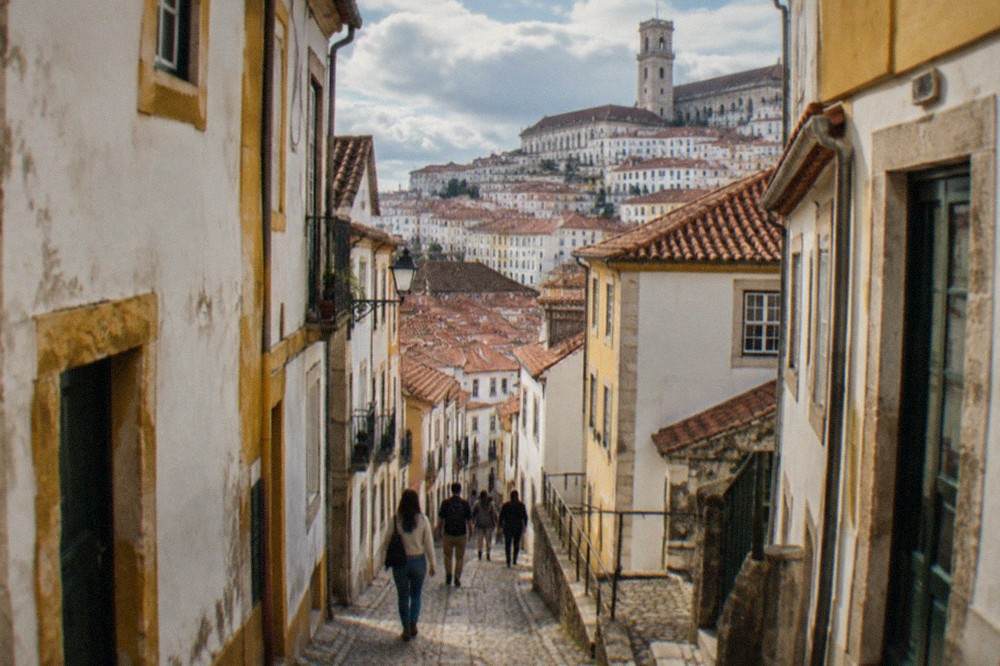
Coimbra rewards at least a full day and punishes the half-day dash, because the timed Joanina slot, the walking distances between the Alta and the Baixa, and the opening patterns of the paid sights together eat more time than a short visit allows. The combined university ticket alone lists a three-hour duration for its full circuit. Add the Sé Velha, Santa Cruz and the walk down through the Arco de Almedina, and the day is gone. The how many days do you need in Coimbra page works through the arithmetic.
Two further don'ts close the list. Don't skip Conímbriga on a Monday, when it is the one major sight reliably open: the museum and ruins are open seven days, 10:00 to 18:00, and the is Conímbriga worth visiting page covers what the 10.00 EUR ticket buys. And don't buy a SMTUC bus ticket on board if it can be avoided: the 2026 tariff lists the driver ticket at 2.00 EUR against 0.90 EUR per trip for pre-purchased tickets in packs of three or more, and the same titles are valid on the Metro Mondego network too, so a pre-loaded card covers both.
Common Questions About the Don'ts of Portugal
What are the don'ts of portugal?
The main don'ts in Coimbra, Portugal: don't visit the Biblioteca Joanina without a pre-booked timed slot (50 people every 20 minutes, inside the 16.50 EUR combined ticket only), don't plan around the Machado de Castro museum, the university tower or Santa Clara-a-Velha, all currently closed, don't pay or expect a two-euro tourist tax when the rate is 1.00 EUR per night capped at three nights, and don't call the city UNESCO World Heritage when only the university and Rua da Sofia are inscribed.
Is Coimbra a UNESCO World Heritage city?
No. UNESCO inscribed "University of Coimbra, Alta and Sofia" in 2013, list reference 1387, covering two components inside the old town: the university hill and the college street. The city as a whole, the Baixa and the riverside are not inscribed.
Can you climb the university tower in Coimbra?
No. The University's own information page states the facility is closed. No ticket, price or opening time is sold for the Torre da Universidade, and no itinerary should include a climb.
How much is the tourist tax in Coimbra?
1.00 EUR per guest per overnight stay, capped at three consecutive nights, from age 16, paid to the accommodation. The two-euro figure reported in July 2026 is an approved proposal, not the current rate.
Do you need to book the Joanina Library in advance?
Yes. Entry is limited to 50 people every 20 minutes, the time printed on the ticket is the library slot, entry outside it is refused, and online purchase closes 20 minutes before the visit time. In summer, unbooked visitors can be turned away.
Is there a beach in Coimbra?
No. The city does not touch the sea. The coast, including Figueira da Foz, is in the district of Coimbra, which is a different thing from the city and roughly 37 km west.
The pattern behind all of these don'ts is the same: Coimbra is a city where the official sources are unusually clear, the timed slot, the closure notices, the tax page, the IPMA normals, and the errors come from copying older guides instead of checking them. Book the library slot, strike the closed sights, carry one euro per night for the tax, walk the two inscribed components, and the rest of the visit takes care of itself.