Why do Bats Live in Joanina Library?
Why a colony of bats lives inside the Joanina Library in Coimbra, Portugal, how the colony protects the historic books, and the entry rules for seeing it.
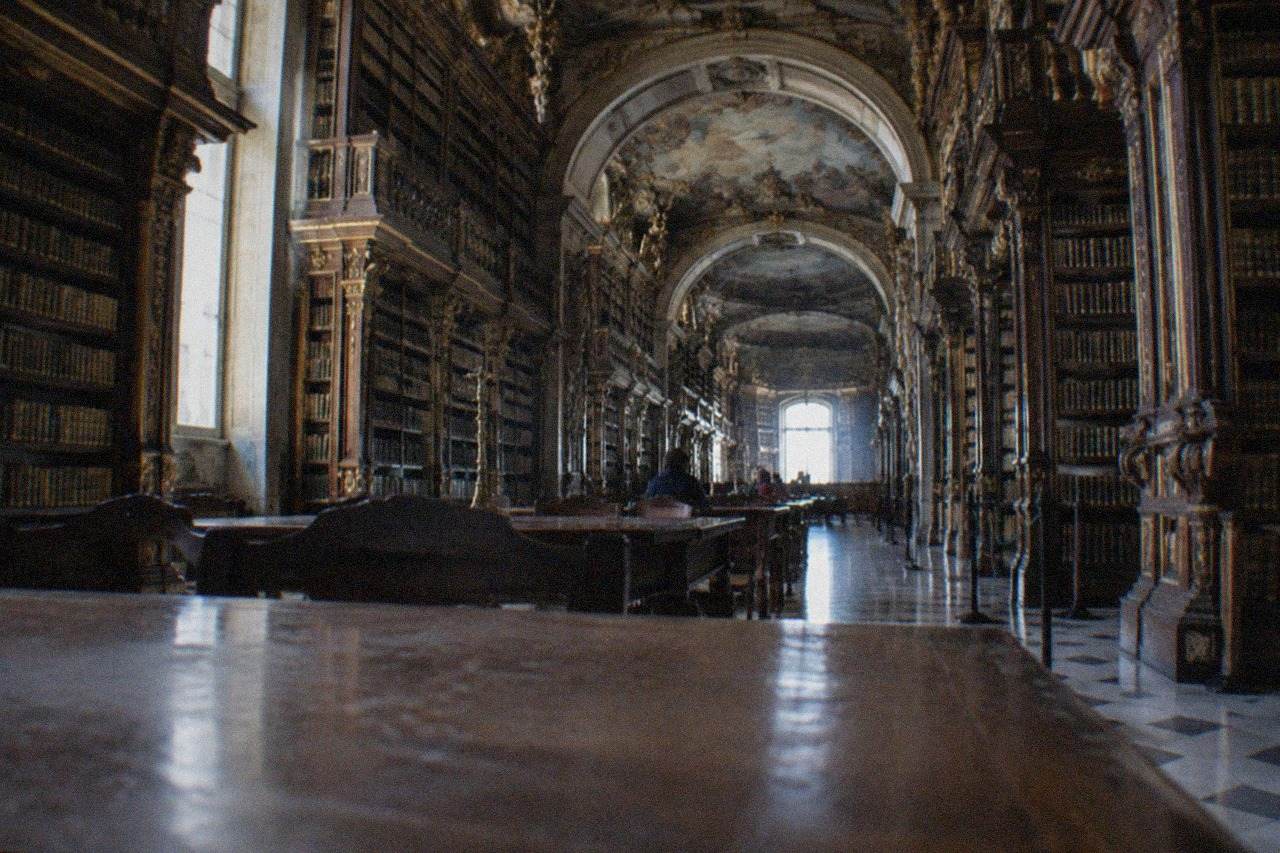
The Biblioteca Joanina, the baroque library of the University of Coimbra in Coimbra, Portugal, keeps a colony of bats inside the building, and the University's own page for the library confirms it. The bats are not an infestation that the University tolerates. They are working animals, and the reason they live among the shelves is the same reason the library's historic books have survived so well: the bats eat the insects that would otherwise eat the paper, the leather and the wooden shelves. It is one of the strangest working conservation systems in any library in the world, and it is the answer to a question visitors ask constantly.
Why do Bats Live in Joanina Library?
Bats live in the Joanina Library because they protect the book collection from insects. The library's own University page states that the building houses bats that eat the insects which would otherwise damage the books, making the colony part of the building's conservation system rather than a pest problem. The library holds a fragile historic collection on wooden shelves, and the bats hunt at night when the reading room is closed to visitors.
The logic is older than it sounds. Paper, leather bindings and wooden shelving are all food for insects, and a library with tens of thousands of old volumes is, from an insect's point of view, a very large meal. Chemical treatments were either unavailable or unwise for centuries, and the Joanina's solution was the one the building could sustain itself: let nocturnal predators live inside and hunt the pests. The University's own description of the space confirms the arrangement, and the colony is treated as a feature of the building's ecology.
What a competing guide would sell as a quirky anecdote is, on the University's own pages, a conservation method. The bats are small, nocturnal insectivores, they shelter in the building's cavities during the day, and they come out after closing time. Visitors almost never see one, which is why so many people are surprised to learn the colony exists at all. What they do see is the result: shelves and bindings that have survived in remarkable condition in a building that predates modern climate control.
The books themselves are the point of the whole exercise. The Joanina is one of Europe's great baroque libraries, and its collection and interior are the reason it appears on so many lists of the world's most beautiful libraries, a reputation covered in more detail in which library in Portugal is considered the most beautiful.
How Do the Bats Protect the Joanina Library's Books?
The bats protect the books by eating the insects that feed on paper, leather binding glue and wood, interrupting the life cycle of the pests at the point where they would damage the collection. The University of Coimbra's own page for the Joanina Library states the colony eats the insects that would otherwise harm the books. The system runs at night, after visitors leave, so the colony works the shelves when the reading room is empty.
Insect damage to books is not a dramatic event. It is slow and cumulative: larvae bore into bindings, adults lay eggs in the gutters between pages, and a collection that looks stable in one decade can lose serious material over a century. The bats attack that cycle at its source. A resident colony hunts inside the same rooms where the insects live, night after night, without any need for a person to apply anything to the books.
The alternative, chemical disinfestation, is something the University does use elsewhere in its visitor circuit: the official visit information notes that the Cabinet of Curiosities and the Physics Cabinet close for two days every three months for disinfestation. The Joanina's historic reading room, by contrast, is protected continuously by its resident colony, which is why the arrangement has been kept. It is cheap, silent and self-renewing, and it does not expose historic materials to repeated treatment.
A visitor who wants to see the results of all this in person needs a timed slot, and the practical mechanics of that are covered in how to visit the Coimbra University library. The bats themselves stay out of sight, but the collection they guard is the whole reason the visit is timed so strictly.
What Are the Joanina Library's Entry Rules in 2026?
Entry to the Joanina Library is limited to 50 people every 20 minutes, and the library can only be visited inside the 16.50 EUR combined ticket that also covers the Royal Palace, St Michael's Chapel and the Science Museum spaces. The date and time printed on that ticket is the Joanina slot specifically, entry outside the printed slot is refused, and online purchase closes 20 minutes before the visit time.
The 50-per-20-minutes ceiling is the single most useful practical fact about visiting the University of Coimbra. It exists because the reading room is a small, fragile historic interior, and it is why a visitor who turns up in summer without a pre-booked slot can be turned away even when the rest of the visitor circuit still has space. The slot system is strict in both directions: the ticket is valid for two days across the other included spaces, but the Joanina time is fixed and cannot be moved on the day. Everything else covered here is indexed on Coimbra Travel Guide.
The full 2026 price list from the University's own ticketing pages looks like this:
| Ticket (2026 season) | Adult price | Duration | What it includes |
|---|---|---|---|
| Joanina Library + University + Science Museum | 16.50 EUR | 3h | Joanina Library (timed slot), Royal Palace, St Michael's Chapel, Chemistry Laboratory, Academic Museum, Cabinet of Curiosities, Mineral Gallery |
| University + Science Museum | 12.50 EUR | 2h30 | The same spaces without the Joanina Library |
| Guided tour, Palace of Schools | 25.00 EUR | 1h30 | Guide-led visit, meeting at the ticket kiosk in front of the Faculty of Medicine |
| Science Museum + UC Exploratório | 16.00 EUR | 3h | Chemistry Laboratory, Academic Museum, Cabinet of Curiosities, Mineral Gallery, UC Exploratório; does not include the Joanina, chapel or palace |
| Botanical Garden guided tour | 10.00 EUR | 1h30 | Guided garden visit, meeting at the side entrance |
Visitor hours run 09:00 to 20:00 from 1 April to 30 September and 09:00 to 17:30 from 1 October to 31 March, with published closing dates on 24 and 25 December 2026, 31 December 2026, 1 January 2027, 24 May and 4 October. The University also warns that religious, official and academic ceremonies interrupt the normal tourist circuit, so a summer slot is worth booking ahead rather than assuming availability. The full mechanics, including what happens if you miss your printed time, are laid out in Joanina Library tickets.
How do You Actually See the Joanina Library in Coimbra?
You see the Joanina Library by booking the 16.50 EUR combined ticket and choosing a timed Joanina slot, then arriving at the Academic Prison entrance for that slot, since the University states entry to the Joanina building runs through the Prisão Académica and is capped at 50 people every 20 minutes. The other ticketed spaces can be visited before or after the slot within the ticket's two-day validity.
The visit inside the reading room is short by design. The slot structure exists to protect the interior, and the room is viewed rather than lounged in. That brevity is exactly why a guided tour adds value: a guide can put the room, its gilded shelves and its resident colony into context before and after the 20-minute window, so the visit becomes more than a walk-through. The Joanina Library & Coimbra University expert tour, led by a guide working there since 2012, covers the library and the wider university in an hour and a half, and it is rated 4.8 from 168 reviews. Check availability.
For visitors building the rest of a day around the library, the wider hill is covered in the Joanina Library attraction guide, and the university's own story, its UNESCO-listed hill and its student traditions fill far more time than the library alone.
Do the Bats Affect a Visit to the Joanina Library?
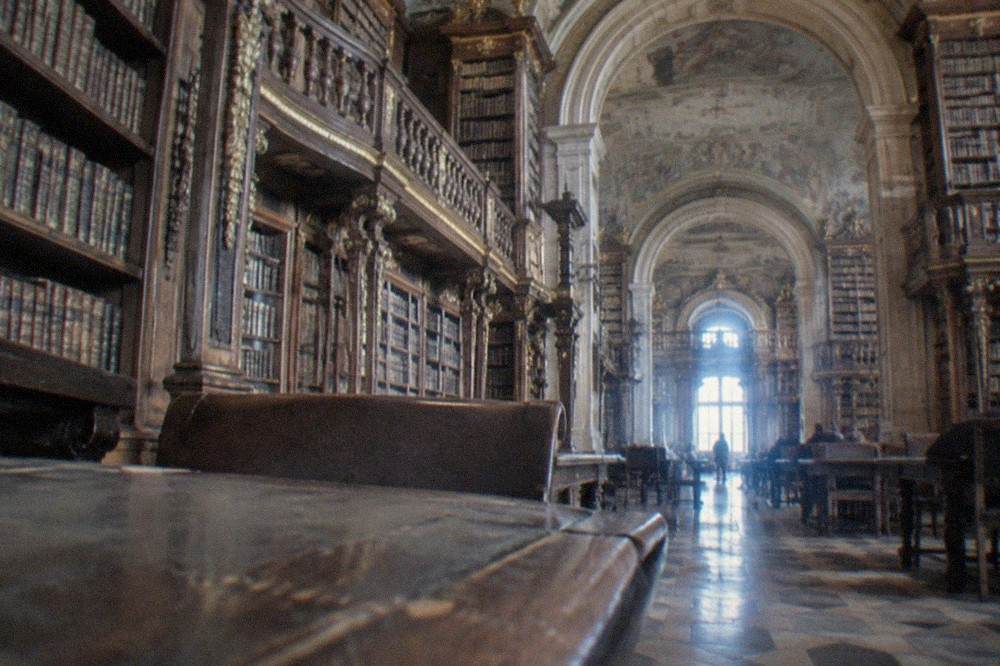
The bats do not affect a daytime visit in any practical way: they shelter out of sight while the reading room is open, and the University presents the colony as a conservation feature rather than a nuisance. What the bats do affect is the condition of the collection, which is why the books and shelves visitors photograph are in such strong shape, and why the room is visited in controlled groups rather than left open.
Visitors sometimes expect to see bats hanging from the ceilings during opening hours. They almost never do, because the colony is nocturnal and the room's daytime hours belong to people. The visible evidence of the bats is the absence of the damage they prevent: no scattered frass along the shelves, no bored-out bindings, no treated-paper smell. The room reads as pristine baroque, and part of that pristineness is the work of animals nobody sees.
The system also explains a piece of visitor behaviour that otherwise looks like bureaucracy. The 50-per-20-minutes rule, the fixed slot, the refusal of entry outside the printed time: all of it exists to keep human traffic light in an interior that is being actively conserved. A room that has survived for centuries with its collection intact is a room the University does not gamble with, and the bats are one half of that gamble-avoidance while the ticketing rules are the other half. The same instinct runs through the whole of Coimbra's old town, from the timed chapel visits to the careful pedestrian flow up the university hill, and it is part of what makes the city feel the way it does, as covered in what is special about Coimbra, Portugal.
Common Questions About Joanina Library's Bats
Why do bats live in Joanina Library?
The University of Coimbra's own page for the library states the building houses bats that eat the insects which would otherwise damage the books. The colony is a working part of the library's conservation system, hunting at night after the reading room closes.
Will I see the bats during my visit?
Almost certainly not. The colony is nocturnal and shelters out of sight during opening hours. Visitors see the results of the bats' work, the well-preserved books and shelves, rather than the animals themselves.
Can I buy a ticket for the Joanina Library on its own?
No. The Joanina exists only inside the 16.50 EUR combined ticket, which also covers the Royal Palace, St Michael's Chapel and the Science Museum spaces. There is no standalone Joanina purchase.
How many people can enter the Joanina Library at a time?
The University states entry to the Joanina building through the Academic Prison is limited to 50 people every 20 minutes. The time printed on your ticket is your fixed Joanina slot, and entry outside it is refused.
What happens if I miss my Joanina time slot?
Entry outside the printed slot is refused, and online purchase closes 20 minutes before the visit time. The rest of the combined ticket stays valid for two days, but the Joanina slot itself is fixed, so book a realistic time.
The bats of the Joanina Library are the rare conservation story where the cheapest solution is also the most effective one, and where the evidence is standing in plain sight on every shelf a visitor passes.