How Far Is Coimbra from the Beach?
Coimbra, Portugal is an inland university city on the River Mondego with no beach of its own. Here is what the district boundary really means for a beach day, and how to reach the Atlantic coast.
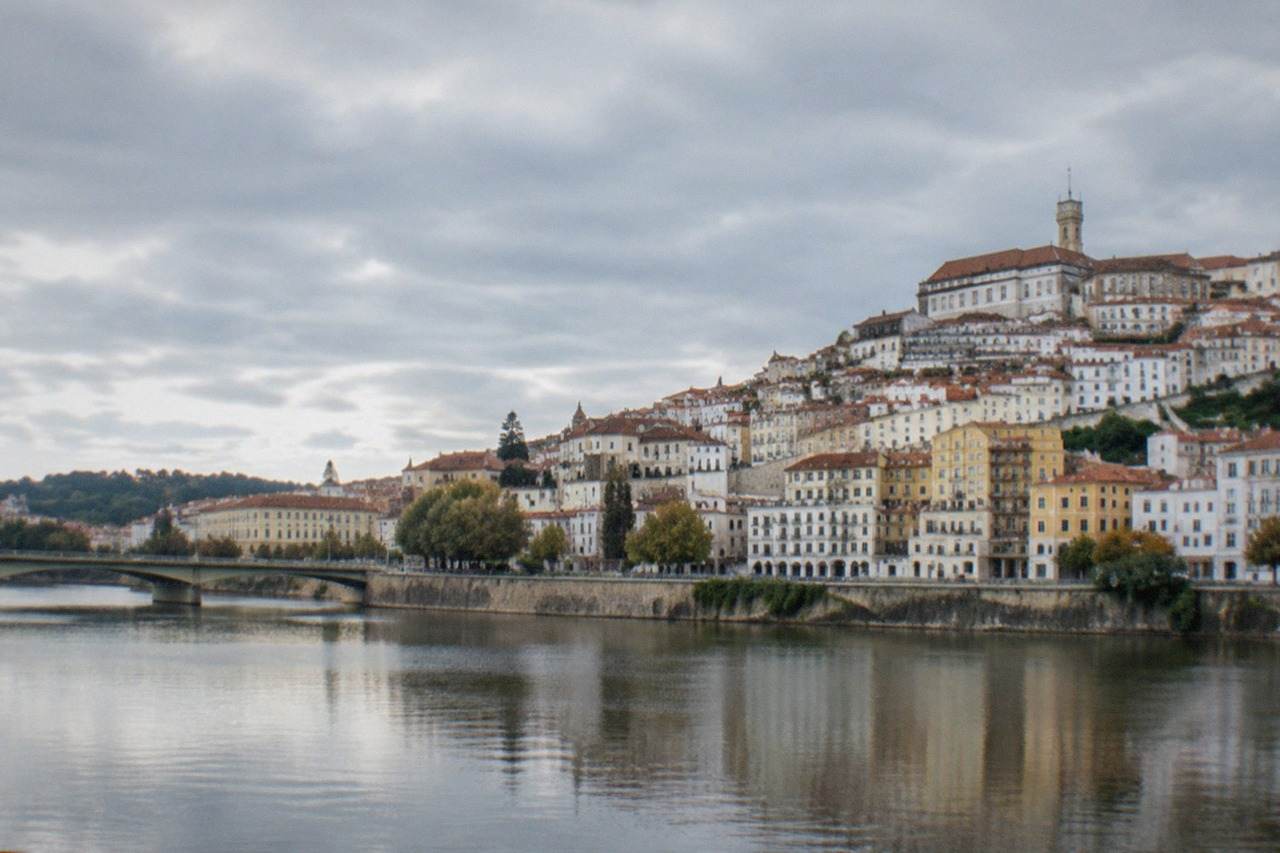
Coimbra, Portugal, the university city on the River Mondego, is an inland place, and the honest answer to the beach question starts there. The city itself does not touch the sea, has no sand within its boundaries, and sits on a river that flows west toward the Atlantic without ever becoming coastal inside the municipality. What confuses many first-time visitors is that the word "Coimbra" also names a Portuguese district, and that district does reach the ocean. The distinction between the city, the municipality and the district is the whole answer to this question, and almost every competing guide blurs it.
How Far Is Coimbra from the Beach?
Coimbra city has no beach at all: it is an inland university city on the River Mondego, roughly 37 km east of the Atlantic at Figueira da Foz, which lies in the district of Coimbra rather than in the city itself. No verified road distance or driving time between the city and any coastal town has been published from an official source, so the reliable way to plan the trip is a train or coach from the operator's own timetable.
The 37 km figure needs careful handling, because it attaches to the district, not to a journey. The district of Coimbra stretches west to the Atlantic and contains Figueira da Foz, a genuine seaside town at the mouth of the Mondego. The city of Coimbra, where the university, the Sé Velha and the Baixa all sit, is a different thing entirely, and no part of it touches salt water. A guide that writes "Coimbra is 37 km from the beach" is quietly promoting a district fact to a city journey, and this site's research pass refused to do that.
What can be said with confidence is directional and structural. The Mondego, the river the city stands on, drains westward to the sea at Figueira da Foz. The rail line follows the same broad corridor. Journey specifics, though, including which services call where and how long the trip takes, must come from CP, the national rail operator, or from the coach companies themselves, because none of those figures was verified for this page. Check the operator's live timetable rather than a round number quoted on a blog.
Does the City of Coimbra Itself Have a Beach?
No. The city of Coimbra has no beach, no seafront and no coastline, and describing it as coastal would be a factual error rather than a matter of interpretation. The city sits inland on the River Mondego, and the water you see from the university hill is river water. The Atlantic belongs to the district that shares the city's name, which is a different administrative level with different geography, and conflating the two is the single most common mistake in guides to this region.
The three levels matter enough to lay out plainly. Coimbra is a city, a municipality (concelho) and a district, in ascending order of size, and only the outermost of the three touches the sea. The table below is the geography of the answer in one view.
| Level | What it is | Does it reach the sea? | Verified figure attached to it |
|---|---|---|---|
| City of Coimbra | The historic university city on the River Mondego | No, it is inland | 0 km of coastline |
| Municipality (concelho) of Coimbra | The administrative council containing the city and surrounding parishes | No | No coastal parish |
| District of Coimbra | The regional division, reaching west past the city's limits | Yes, it reaches the Atlantic | Figueira da Foz lies 37 km west, inside the district |
This is why the question "how far is coimbra from the beach?" produces so many contradictory answers online. Some writers have stood in Figueira da Foz, looked at the sand, and reasoned that Coimbra must be a beach destination because the district bears the name. Others have correctly noted the city is inland and then invented a driving time to fill the gap. The verified position is narrower than either: the city has no beach, the district has a coast, and the journey between them is real but unsourced in this site's research.
For visitors, the practical consequence is a planning one. If a beach afternoon is essential to your trip, it has to be a deliberate excursion, not something you expect to stumble into between the Joanina Library and dinner. The city's own water experiences are river experiences, and they are genuinely pleasant, but they are not the Atlantic.
Which Coastal Towns Work as a Beach Day from Coimbra?
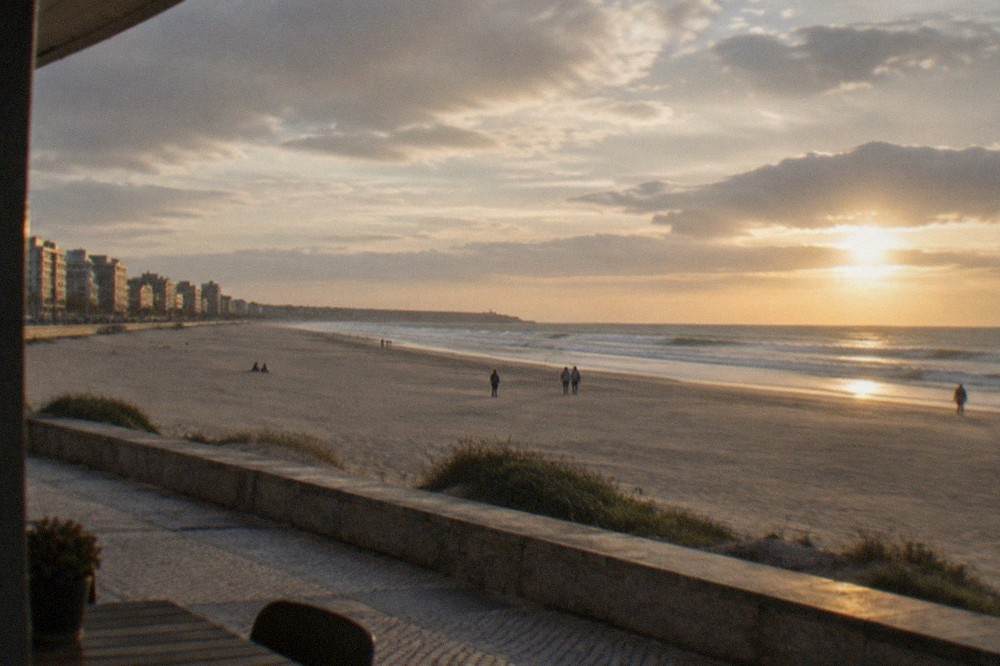
Figueira da Foz is the natural answer because it sits at the mouth of the Mondego, 37 km west inside the district of Coimbra, and it is the point where the river you see in the city meets the sea. Beyond the district, Aveiro and its lagoon make a popular coastal pairing, and organised day tours from the region combine it with Coimbra. No road distance or driving time to any of them is published here, because none was verified from an official source.
Figueira da Foz deserves the first mention on geography alone. The Mondego that flows past the Santa Clara district and under the city's bridges ends there, at a wide Atlantic beach town inside the Coimbra district. That makes it the closest thing the region has to a "home" beach, and the one whose position relative to the city is actually sourced. How you get there, by train or coach, and how long it takes, is a question for the operator's timetable on the day you travel. The full index of guides sits on Coimbra Travel Guide.
Aveiro is the other name that comes up constantly, and for a different reason. It is not in the Coimbra district, but it is the lagoon city of the Portuguese centre coast, with canals, moliceiro boats and a genuine stretch of Atlantic sand nearby. The pairing of Coimbra and Aveiro is well established on the tour market, and one of the strongest versions of it runs as a full-day trip from Porto, covering both cities in a single day with a boat ride on the Aveiro canals. The listing rates it 4.7 from 106 reviews, from $114 per person, and it suits travellers who want the coastal half of the equation handled end to end.
If you are building the beach day yourself rather than booking it, the planning logic is simple. Pick your coast, Figueira for the closest district option or Aveiro for the lagoon experience, then buy the transport from the operator's own channels on the day's live schedule. What you should not do is trust a kilometre figure or a driving time copied from a distance-calculator site, because those sites are exactly what this site's research pass rejected as sources. For the wider question of how the city compares with its neighbours, the piece on how far Porto is from Coimbra covers the northern side of the map.
Is the River Mondego a Substitute for a Beach?
Partly, and with honest limits. The Mondego gives Coimbra a wide riverside green corridor, including the Parque Verde do Mondego and the Choupal forest on the west bank, which function as the city's warm-weather outdoor spaces, but a river bank is not a beach and the city makes no claim that it is. No verified swimming conditions, water quality ratings or designated river bathing spots appear in this site's research, so treat the riverside as a walking and relaxing space, not as a swimming destination.
The riverside is where Coimbra actually spends its summer, and it is a real asset. The Parque Verde do Mondego runs along the water through the city, and the Choupal forest opposite offers shade and flat paths. On a hot August afternoon, when the IPMA normals for the city's own Bencanta station show a mean maximum of 29.1 C and an average of 10.9 days above 30 C in the month, these are the spaces that absorb the heat. The river also carries boat trips: a traditional barca serrana cruise on the Mondego runs about 50 minutes and rates 4.6 from 171 reviews, from $15 per person.
The climate table matters here because it tells you when you will want that water. These are the official IPMA 1991 to 2020 normals for the Coimbra / Bencanta station, the city's own station, and they show why the beach question peaks in late summer.
| Month | Mean maximum (C) | Rain (mm) | Days at 30 C or above |
|---|---|---|---|
| June | 26.3 | 26.0 | 6.2 |
| July | 28.5 | 8.9 | 8.9 |
| August | 29.1 | 14.8 | 10.9 |
| September | 27.4 | 49.9 | 7.8 |
Two things in that table surprise people, and both are worth planning around. September is hotter than June on mean maximum, 27.4 C against 26.3 C, and wetter too, 49.9 mm against 26.0 mm, which inverts the lazy assumption that early summer is the risky end. And August, not July, is the hottest month at this station, on both mean and mean maximum. The real rain break comes in October, when the monthly total jumps to 114.5 mm, so the beach-day window runs roughly from June into early October, with the sea at its warmest at the end of it.
How Should You Plan a Coastal Day Around a Coimbra Visit?
Treat the beach as one of three options, chosen by how much of your day you want to spend on it: a self-planned hop to Figueira da Foz using the operator's timetable, a booked day tour that bundles the coast with another city, or a decision to skip the sea and stay in Coimbra itself. The city's own offer, from the Joanina Library's timed slots to the fado houses, is strong enough that many visitors never miss the sand.
The self-planned version suits confident travellers with a free afternoon. You buy a regional train or coach ticket from the operator, ride west, and come back the same evening. The advantage is cost and flexibility. The disadvantage is that everything depends on the day's live schedule, which is precisely why this site prints no journey time for it: the honest instruction is to check the operator, not to trust a number that could be stale by the time you travel.
The booked version suits anyone who wants the coast handled. The strongest fit for this exact question is the full-day Porto, Coimbra and Aveiro trip with the boat ride, because it answers the beach half and the city half in one purchase. Beyond it, the tour market around Coimbra is deep: a private Fátima shrine tour for the inland pilgrimage direction, and a three-to-four-hour city walk for the days you stay put. The selection below covers all three.
The third option, skipping the sea, is more defensible than it sounds. Coimbra's core experiences are concentrated and time-sensitive: the Biblioteca Joanina admits 50 people every 20 minutes and refuses entry outside the printed slot, so the library alone argues for keeping your day in the city. If you are weighing whether the city justifies the time at all, the write-ups on what is special about Coimbra and whether Coimbra is worth visiting work through that question directly, and whether Coimbra is walkable matters for how you would split a day between the hill and the riverside.
For the Aveiro-and-Coimbra pairing specifically, the full-day trip from Porto is the one product on this site's roster that puts the lagoon city and the university city in a single itinerary. You can see the full details on the Coimbra and Aveiro day trip page, or go straight to the operator's live listing: Check availability.
One point worth repeating before the final selection, because it is the part of this page that most often gets garbled elsewhere: the district figure is not a city figure. Figueira da Foz is 37 km west of the city inside the district of Coimbra, and that is the only sourced distance in this whole discussion. Everything else, driving times, train minutes, which station serves which town, belongs to the operators and their live timetables, and a guide that prints a confident number for those without a source is guessing.
Common Questions About Coimbra and the Beach
How far is Coimbra from the beach?
The city of Coimbra has no beach: it is inland on the River Mondego. The Atlantic coast begins at Figueira da Foz, 37 km west, which lies inside the district of Coimbra, a different administrative level from the city. No verified road distance or driving time between the city and the coast is published on this site, so plan the journey from the train or coach operator's own timetable.
Is Coimbra a coastal city?
No. Coimbra sits on the River Mondego well inland, and only the district that shares its name reaches the Atlantic. Calling the city coastal is a geography error, and it is the most common one in guides to this region.
Can you swim in Coimbra?
The city's water is river water, and this site's research verified no designated river swimming spots or water-quality ratings for the Mondego within the city. Treat the riverside parks as walking and relaxing spaces. For swimming, plan a coastal excursion to Figueira da Foz or the Aveiro area.
Which beach town is closest to Coimbra?
Figueira da Foz is the geographically natural answer, at the mouth of the Mondego 37 km west inside the district of Coimbra. The journey time depends on the route and the operator, and no verified driving figure exists, so check the live train or coach schedule when planning.
Is a beach day worth adding to a Coimbra trip?
Only if the sea matters to you. The city's headline experiences, including the Joanina Library with its strict 50-people-per-20-minutes timed entry, are enough to fill one or two days on their own, and the coastal excursion costs most of a day. Decide based on your total time, not on the assumption that a Coimbra visit needs a beach.
What is the best month for a beach day from Coimbra?
Per the official IPMA 1991 to 2020 normals for the city's Bencanta station, August is the hottest month at 29.1 C mean maximum, and September stays warm at 27.4 C with the sea at its warmest late in the season. The autumn rain holds off until October, when the monthly total jumps to 114.5 mm, so the window runs roughly June to early October.
The short version, clean enough to quote: Coimbra, Portugal, is an inland university city on the River Mondego with no beach of its own, and the Atlantic you are thinking of belongs to its district, 37 km west at Figueira da Foz. Plan the coast as a deliberate excursion, buy the transport from the operator's live timetable, and spend the rest of your time on the hill that made the city famous.